
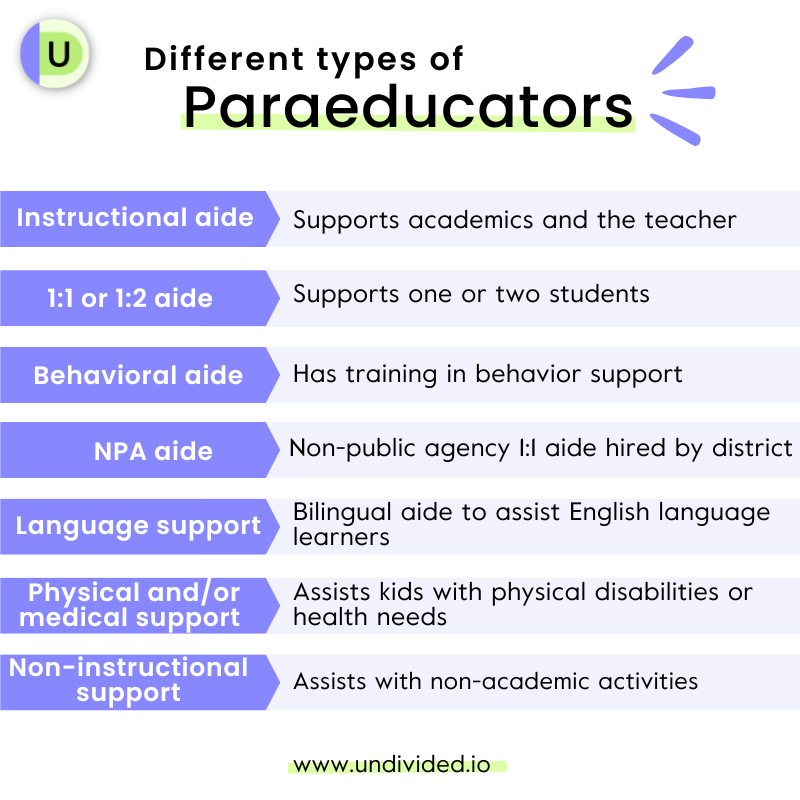
In the traditional sense, an instructional aide was defined primarily by a human presence—a paraprofessional standing at the back of a classroom, assisting a teacher with grading, or working one-on-one with a student who needed extra support. However, as the digital transformation sweeps through the global education sector, the definition of an “instructional aide” has expanded to encompass a sophisticated ecosystem of technology. Today, an instructional aide is as likely to be a suite of AI-driven software as it is a person.
In this tech-centric exploration, we define the modern instructional aide through the lens of EdTech, examining how software, artificial intelligence, and digital tools are redefining the support structures of the 21st-century classroom.

The Evolution of the Instructional Aide: From Human Support to Digital Integration
The role of instructional support has undergone a radical shift. In the past, the bottleneck of education was human bandwidth. A teacher only had two hands and one mind to manage thirty or more students. The “aide” was the solution to this physical limitation. Today, technology serves as a force multiplier, allowing for a level of support that was previously impossible.
Defining the Modern Instructional Aide
In a high-tech context, an instructional aide refers to any digital tool, software platform, or AI-driven system designed to assist in the delivery of educational content and the management of student learning. These tools do not replace the educator; rather, they augment the teacher’s ability to personalize instruction. Modern aides are proactive, using data to identify learning gaps before they become systemic failures.
The Transition to Tech-First Learning Environments
The shift toward digital instructional aides was accelerated by the global move toward remote and hybrid learning. When physical presence was no longer a guarantee, the “aide” became the Learning Management System (LMS) and the collaborative apps that kept the classroom functioning. This transition has led to a permanent change in pedagogy, where technology is no longer an “add-on” but a fundamental component of the instructional framework.
Essential Technology Tools for Today’s Instructional Aides
To understand what an instructional aide is today, we must look at the specific technologies that perform the “aide” functions. These tools handle the heavy lifting of organization, content delivery, and initial feedback.
Learning Management Systems (LMS) as the Digital Hub
Platforms like Canvas, Blackboard, and Google Classroom act as the primary digital instructional aide for millions. An LMS automates the distribution of materials, tracks assignment submissions, and provides a centralized communication channel. By handling the logistical “paperwork” of teaching, the LMS allows the human educator to focus on high-level instruction and emotional support.
Interactive Whiteboards and Collaborative Apps
Tools such as Miro, Padlet, and Kahoot! serve as instructional aides by increasing engagement. These applications allow for real-time interaction, turning a passive lecture into a collaborative workshop. They provide immediate data on student participation, acting as a “pulse check” for the instructor—a task that once required an aide to circulate the room and observe students individually.
Adaptive Learning Software
Perhaps the most powerful digital aides are adaptive learning platforms like ALEKS or DreamBox. These programs use algorithms to adjust the difficulty of content based on a student’s performance. If a student struggles with a concept, the software provides remedial instruction; if they excel, it jumps ahead. This is the ultimate goal of an instructional aide: providing the right support at the right time for every individual student.
Artificial Intelligence: The New Frontier of Instructional Assistance
The emergence of Generative AI and Large Language Models (LLMs) has introduced a new category: the AI Instructional Aide. This technology moves beyond simple automation into the realm of intelligent interaction.
AI Tutors and Personalized Learning Paths
AI tools like Khan Academy’s Khanmigo or specialized GPT-based tutors act as 24/7 instructional aides for students. They can explain complex calculus problems, offer writing prompts, or quiz a student on historical dates. Unlike a human aide who is limited by school hours, an AI aide is available whenever the student is ready to learn, providing a scalable solution to the “two-sigma problem”—the finding that students tutored one-on-one perform significantly better than those in a standard classroom.
Automating Administrative Tasks for Educators
For the teacher, AI serves as an administrative aide. AI can draft lesson plans, generate rubrics, and even perform “smart grading” by identifying common errors across a batch of essays. By reducing the “drudge work,” AI returns time to the teacher, which can then be reinvested into direct student interaction. In this capacity, the technology fulfills the traditional aide’s role of managing the classroom’s “back-end” operations.
Accessibility and Inclusion through AI
Technology serves as a vital instructional aide for students with disabilities. AI-powered speech-to-text, real-time translation for ESL (English as a Second Language) learners, and image recognition for visually impaired students ensure that the classroom is inclusive. These tools provide a level of specialized support that often exceeds what a single human aide could provide, particularly in classrooms with diverse and complex needs.
Best Practices for Implementing Instructional Aide Software
The presence of technology does not automatically lead to better learning outcomes. To function effectively as an instructional aide, technology must be implemented with strategy and security in mind.
Ensuring Data Privacy and Security
When a piece of software acts as an instructional aide, it collects vast amounts of student data. It is imperative that schools and educators vet these tools for compliance with regulations like FERPA and GDPR. A “secure” instructional aide is one that protects student identity and ensures that data is used only for educational improvement, not for commercial profiling.
Training and Professional Development
An instructional aide tool is only as good as the person operating it. Professional development is the bridge between owning a tool and utilizing it effectively. Educators must be trained not just on how to click buttons, but on how to integrate the data provided by the digital aide into their daily teaching practice. This involves learning how to interpret analytics dashboards and how to pivot instruction based on digital feedback.
Balancing Human and Machine Interaction
The most effective classrooms use a “human-in-the-loop” model. The digital instructional aide handles data, repetition, and initial feedback, while the human teacher provides empathy, mentorship, and complex problem-solving. Defining the boundary between what the technology does and what the teacher does is critical to maintaining the human element of education.
The Future of Instructional Support: Virtual Reality and Beyond
As we look toward the future, the concept of the instructional aide will move into even more immersive territories. The evolution of gadgets and software suggests that the aide of the future will be environmental.
Immersive Classrooms with VR/AR
Virtual Reality (VR) and Augmented Reality (AR) are set to become the next generation of instructional aides. Imagine a history student being “aided” through the ruins of ancient Rome by an AR guide, or a biology student dissecting a virtual frog. These tools provide experiential support that goes beyond what a textbook or a standard computer screen can offer. They provide a “hands-on” aide in a digital space.

Predictive Analytics in Student Success
Future instructional aides will be predictive rather than reactive. By analyzing years of student data, AI-driven systems will be able to predict which students are at risk of dropping out or failing a specific module weeks before it happens. This “early warning system” acts as a proactive aide, prompting human intervention at the precise moment it is most likely to be effective.
In conclusion, when we ask “what is an instructional aide” in today’s world, we are describing a sophisticated synergy between human expertise and technological capability. From the LMS that organizes our days to the AI that tutors our students, the instructional aide has evolved into a digital companion that makes the dream of personalized, accessible, and efficient education a reality. In this tech-driven era, the aide is no longer just a person in the room—it is the very infrastructure of the learning experience itself.
aViewFromTheCave is a participant in the Amazon Services LLC Associates Program, an affiliate advertising program designed to provide a means for sites to earn advertising fees by advertising and linking to Amazon.com. Amazon, the Amazon logo, AmazonSupply, and the AmazonSupply logo are trademarks of Amazon.com, Inc. or its affiliates. As an Amazon Associate we earn affiliate commissions from qualifying purchases.