
In the modern digital landscape, information is the most valuable currency. Every time we sign up for a social media account, register a domain, or interact with a public government database, we leave behind a digital footprint. For private investigators, recruiters, and cybersecurity enthusiasts, navigating this sea of data can be a daunting task. This is where IDCrawl comes into play. IDCrawl is a powerful, free people search engine designed to aggregate public records and social media data into a single, searchable interface.
As a tool deeply rooted in the world of Open Source Intelligence (OSINT), IDCrawl provides users with the ability to track down individuals, verify identities, and explore the extent of their own digital presence. This article explores the technical mechanics, features, and security implications of IDCrawl, positioning it within the broader context of modern information technology.
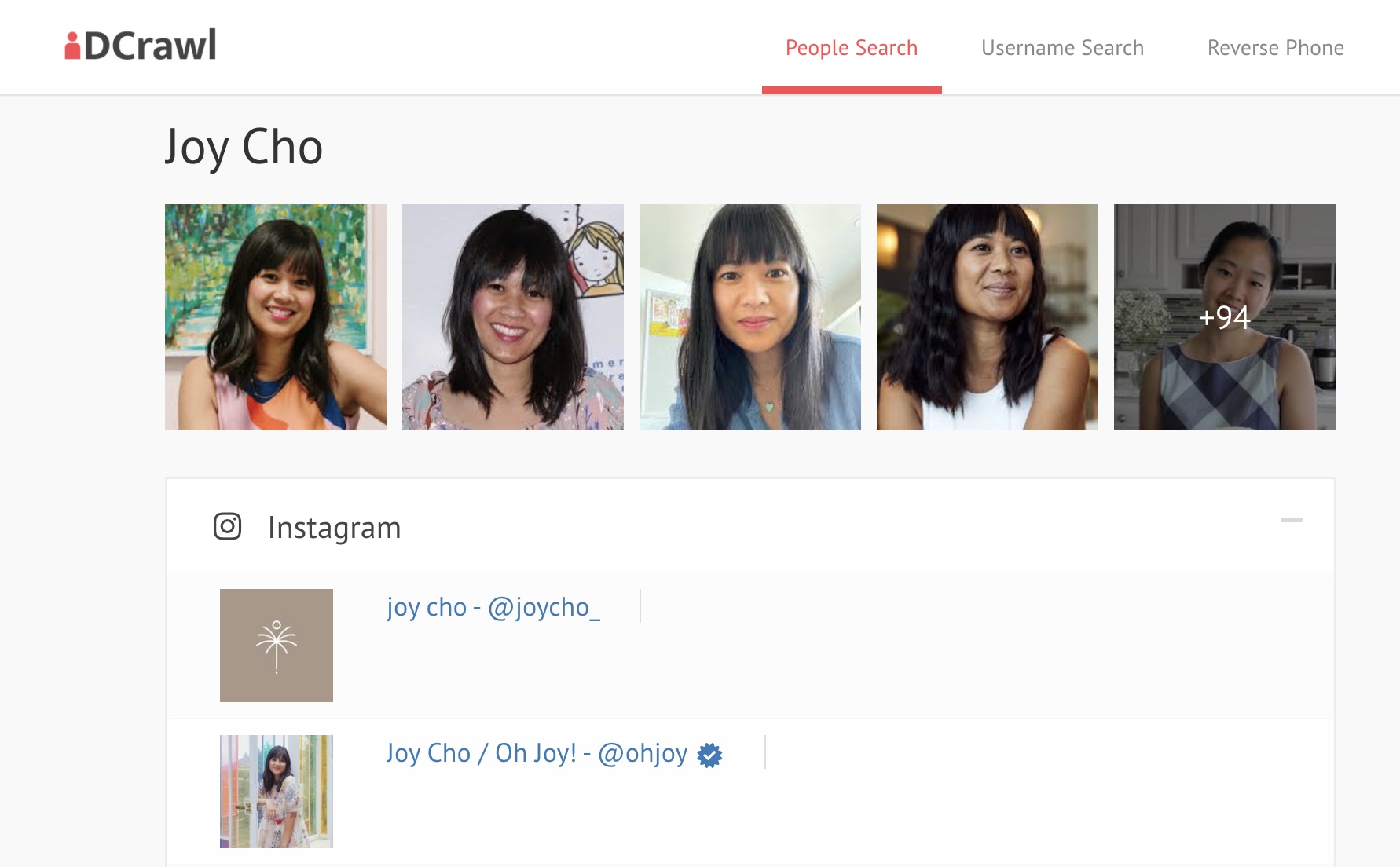
How IDCrawl Works: The Technology Behind the Search
At its core, IDCrawl is not just a standard search engine like Google or Bing. While general search engines index websites for content, IDCrawl is specifically engineered to index identity. It functions as a specialized crawler that scans the “Deep Web”—the vast portion of the internet not indexed by standard search engines—to find mentions of specific names, emails, and usernames.
Aggregating Data from the Deep Web
The internet is often compared to an iceberg. The surface web—sites we visit daily—is only the tip. Beneath it lies the deep web, which includes public records, legal documents, and social media profiles that might not appear in a standard search query. IDCrawl utilizes sophisticated scripts and APIs to query these databases in real-time. By connecting to various public data repositories, it can pull information from court records, property filings, and professional directories that would otherwise require manual searching across dozens of different government and private sites.
Real-Time Social Media Indexing
One of the defining technical features of IDCrawl is its ability to scan social media platforms simultaneously. Instead of a user having to search for a person on Facebook, then X (formerly Twitter), then LinkedIn, and then Instagram, IDCrawl’s engine sends out concurrent requests to these platforms. It looks for profile matches based on the search criteria provided. This “horizontal” search methodology allows the tool to map out a person’s entire social ecosystem in a matter of seconds.
The Algorithms of Identity Mapping
The true power of IDCrawl lies in its ability to correlate data. If a search for “John Doe” in New York returns five different results, the platform’s algorithms attempt to cross-reference data points like middle initials, ages, and associated relatives to present the most relevant profile. This identity mapping is a cornerstone of OSINT technology, turning fragmented data points into a cohesive digital profile.
Key Features and Search Capabilities
IDCrawl offers a multifaceted approach to searching for information. Because people can be identified by more than just their legal names, the platform provides several entry points for data retrieval.
Name and Location Searches
The most common use of IDCrawl is the traditional name search. By entering a first and last name—and optionally a city or state—users can access a wealth of public information. This feature is particularly useful for finding long-lost relatives or performing initial due diligence on a new acquaintance. The search results typically include age, known aliases, current and past addresses, and a list of possible relatives or associates.
Reverse Email and Phone Lookups
In an era of rampant phishing and “spoofing,” verifying the source of a communication is a vital security measure. IDCrawl’s reverse email and phone lookup tools allow users to enter a piece of contact information to find the owner’s identity. Technically, this works by scanning “leaked” databases, public directories, and social media profiles where the user may have linked their phone number or email for recovery purposes. For cybersecurity professionals, this is an essential first step in investigating the origins of a suspicious message.
Username Tracking Across Platforms
The “Username Search” is perhaps the most unique feature for tech-savvy users. Many people use the same handle across various platforms (e.g., @TechEnthusiast88). IDCrawl allows users to enter a username and see every platform where that specific handle is registered. This is an invaluable tool for identifying “digital twins” or seeing if a persona on a gaming forum matches a profile on a professional networking site.
The Role of IDCrawl in Digital Security and OSINT

IDCrawl serves as a double-edged sword in the realm of digital security. While it can be used for “doxing” or unauthorized surveillance, its primary value in the tech community is as a tool for defensive security and investigative research.
Protecting Your Digital Footprint
For the average user, the best way to defend against data exploitation is to know what information is already public. Using IDCrawl on oneself is a standard practice in “personal security audits.” By seeing what a stranger can find out about your home address, phone number, and social media accounts, you can take steps to tighten your privacy settings on individual platforms. If IDCrawl can find your private photos or home address, so can a malicious actor.
Verifying Online Identities
In the world of remote work and digital marketplaces, identity theft and “catfishing” are prevalent. IDCrawl provides a layer of verification. Before entering into a business agreement with a remote freelancer or purchasing an item from a private seller on a forum, a quick search on IDCrawl can confirm if the person exists and if their digital history aligns with their claims.
Investigative Uses for Professionals
Journalists, private investigators, and legal professionals use tools like IDCrawl for “Open Source Intelligence” (OSINT). OSINT refers to the collection and analysis of data gathered from open, public sources. In a tech-driven investigation, IDCrawl acts as a force multiplier, allowing an investigator to gather foundational data quickly before moving on to more specialized, manual investigative techniques.
Privacy Concerns and Ethical Implications
The existence of tools like IDCrawl inevitably raises questions about the ethics of data privacy. How can a website display so much personal information for free? The answer lies in the legal distinction between “private” and “public” data.
Data Privacy Laws and Compliance
IDCrawl functions within the legal framework of public records. In many jurisdictions, information such as property ownership, marriage licenses, and criminal records are matters of public record. Furthermore, data shared on “public” social media profiles is technically available for anyone to see. However, with the rise of regulations like the General Data Protection Regulation (GDPR) in Europe and the California Consumer Privacy Act (CCPA) in the United States, data aggregators are under increasing pressure to provide transparency and control to the individuals whose data they index.
How to Opt-Out and Remove Your Data
For those concerned about their privacy, IDCrawl provides a mechanism for data removal. As a tech-responsible platform, it allows users to submit an “opt-out” request. Once a user verifies their identity and identifies the records they wish to be removed, IDCrawl’s indexers are instructed to de-list those specific entries. It is important to note, however, that removing data from IDCrawl does not delete the information from its original source (like a government database or a social media site); it merely removes it from the IDCrawl search results.
IDCrawl vs. Competitors: How It Stands Out
The people-search market is crowded with competitors like Whitepages, Spokeo, and BeenVerified. However, IDCrawl distinguishes itself through its technical accessibility and cost structure.
Free Access vs. Paywalled Services
The most significant difference is that IDCrawl provides a substantial amount of information for free. While many competitors show a “teaser” and then require a credit card for the full report, IDCrawl offers a high degree of transparency without an initial paywall. This makes it a preferred tool for quick checks and for users who do not have the budget for high-end enterprise investigative tools.
User Interface and Experience
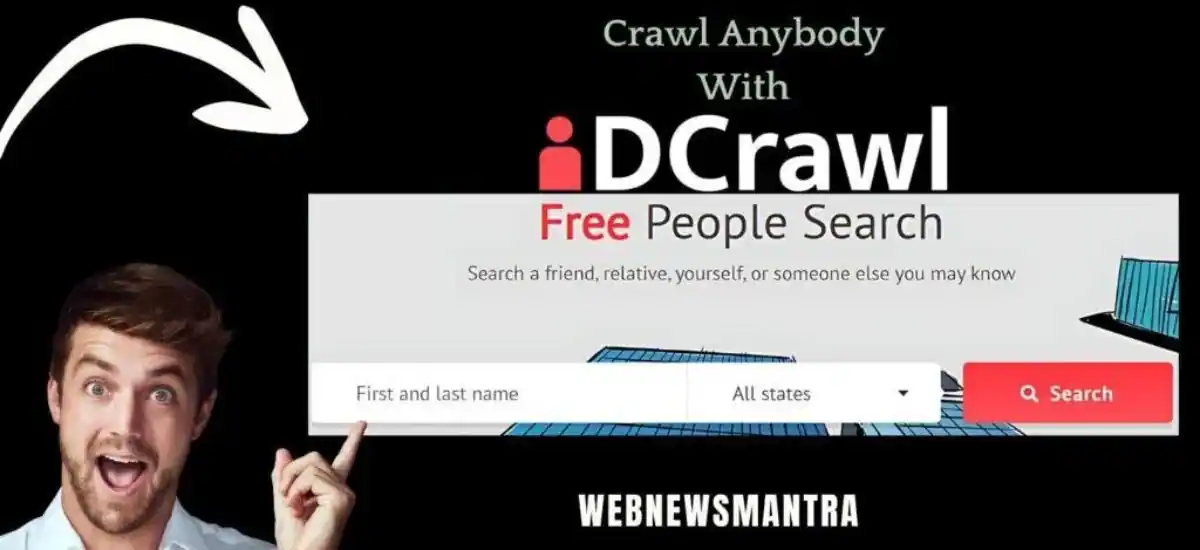
From a technical design perspective, IDCrawl prioritizes speed and simplicity. The interface is clean, focusing on the search bar and the categorization of results. This “no-frills” approach ensures that the site loads quickly and functions well on both desktop and mobile browsers, which is essential for investigators who may need to look up information on the go.
Conclusion: The Future of Public Records Technology
As we move further into an era dominated by Big Data and AI, tools like IDCrawl will only become more sophisticated. The ability to aggregate, cross-reference, and analyze public information in real-time is a hallmark of the current technological age. While it presents challenges regarding privacy, it also offers unparalleled transparency and security benefits.
IDCrawl is more than just a search engine; it is a window into the digital identities we all maintain. Whether you are using it to protect your own privacy, verify a business contact, or conduct deep-dive OSINT research, understanding the technology behind IDCrawl is essential for navigating the complexities of the modern web. In the end, the tool reminds us that in a connected world, “private” is a relative term, and being tech-literate means knowing exactly what the internet knows about you.
aViewFromTheCave is a participant in the Amazon Services LLC Associates Program, an affiliate advertising program designed to provide a means for sites to earn advertising fees by advertising and linking to Amazon.com. Amazon, the Amazon logo, AmazonSupply, and the AmazonSupply logo are trademarks of Amazon.com, Inc. or its affiliates. As an Amazon Associate we earn affiliate commissions from qualifying purchases.