
In the modern landscape of global commerce and the burgeoning gig economy, the concept of “address” has undergone a radical transformation. For the digital nomad, the remote entrepreneur, or the cost-conscious side hustler, the traditional overhead of a commercial lease is increasingly being replaced by agile alternatives. At the heart of this logistical shift is a service often overlooked yet fundamentally valuable: General Delivery.
While many view General Delivery as a relic of the analog postal era, it has evolved into a strategic financial tool. Whether you are launching an e-commerce brand from a van or managing a multi-national consulting firm without a fixed headquarters, understanding the mechanics and financial implications of General Delivery is essential for optimizing your business operations and protecting your personal assets.
1. Understanding the Mechanics: The Economic Value of General Delivery
General Delivery is a service offered by the United States Postal Service (USPS) and many international postal authorities that allows individuals to receive mail at a specific post office location rather than a home or business address. The mail is held at the post office for a designated period—typically up to 30 days—for the recipient to collect in person.
The Cost-Free Logistics Solution
For an entrepreneur in the early stages of a side hustle, every dollar of overhead counts. Traditional P.O. Boxes and private mailbox services (like those offered by The UPS Store) require monthly or annual fees that can eat into narrow profit margins. General Delivery, conversely, is a free service provided by the government. By utilizing General Delivery, a startup founder can eliminate the initial fixed costs of mail reception, redirecting those funds into product development or digital marketing.
International Frameworks and Consistency
While this guide focuses on the domestic framework, the concept of Poste Restante (the international equivalent of General Delivery) serves as a vital link in global financial logistics. For business travelers conducting international trade, the ability to receive sensitive documents or physical prototypes without a local lease is an invaluable asset. This consistency across international borders allows for a standardized approach to physical logistics, regardless of where your revenue-generating activities take you.
2. General Delivery for the Digital Nomad: Managing Business Finance on the Move
The rise of the “Laptop Lifestyle” has untethered income from geography. However, the financial world—banks, tax authorities, and payment processors—still operates on the assumption of a physical presence. General Delivery acts as a bridge between these two worlds, providing a temporary anchor for your financial paper trail.
Reducing Overhead: Eliminating Fixed Office Costs
One of the greatest leaks in a small business’s budget is the “Physical Presence Tax”—the cumulative cost of rent, utilities, and insurance associated with a physical office. For service-based businesses or digital consultants, these costs are often unnecessary. By utilizing General Delivery as a stop-gap or a primary collection point during travel, entrepreneurs can maintain a lean financial profile. This “lean” approach is a cornerstone of modern business finance, ensuring that the majority of gross revenue is converted into net profit rather than being consumed by administrative friction.
Financial Continuity: Maintaining a Paper Trail for Banking
One of the most significant challenges for the transient entrepreneur is maintaining compliance with “Know Your Customer” (KYC) regulations. Banks and financial institutions often require a physical address to send debit cards, credit cards, or legal notices. While General Delivery cannot always serve as a “Permanent Resident Address” for tax purposes, it is a critical tool for receiving these essential financial instruments while in transit. Ensuring that you never miss a bank statement or a replacement corporate card prevents costly service interruptions and late fees, which are detrimental to a business’s credit score and liquidity.
3. The Evolution into Virtual Mailboxes: A Modern Business Investment
As a business scales, the limitations of General Delivery—such as the requirement to pick up mail in person—may become a bottleneck. This is where General Delivery concepts evolve into the “Virtual Mailbox,” a paid service that represents a strategic investment in business infrastructure.
The ROI of Digital Mail Management
A Virtual Mailbox provides a physical street address where mail is received, scanned, and uploaded to a secure digital portal. From a financial perspective, the ROI (Return on Investment) of these services is found in time-savings and global accessibility. If an entrepreneur spends three hours a week traveling to a post office to check General Delivery mail, and their hourly billing rate is $100, they are “spending” $300 a week on mail collection. A Virtual Mailbox service costing $30 a month represents a massive net gain in billable time and operational efficiency.
Security and Fraud Prevention in Financial Logistics
Financial security is a paramount concern for any business owner. General Delivery offers a layer of security by keeping mail behind a federal counter rather than in an unsecured residential mailbox. Virtual Mailboxes take this a step further by providing an encrypted digital trail. For businesses handling high-value contracts or sensitive financial information, the security protocols of a professional mail-handling facility provide a level of insurance against identity theft and corporate espionage—threats that carry significant financial recovery costs.
4. Strategic Privacy: General Delivery as a Financial Asset Protection Tool
In the digital age, privacy is more than a luxury; it is a financial asset. The public disclosure of a business owner’s home address can lead to targeted solicitation, physical security risks, and even litigation vulnerabilities.
Shielding Personal Assets from Public Record
When registering a business or a domain name, many entrepreneurs mistakenly use their home address, which then becomes part of the public record. Sophisticated investors and entrepreneurs use alternative mailing solutions to decouple their private lives from their commercial interests. By using a designated delivery point that is not their residence, business owners add a layer of “corporate a veil” that protects their personal assets and their family’s privacy.
Tax Residency and the Legal Nuances of Temporary Addresses
Navigating the tax implications of a nomadic business is complex. While General Delivery is a logistical tool, it must be handled carefully in the context of tax residency. For entrepreneurs moving between states or countries to take advantage of favorable tax climates, the timing and location of mail reception can be used as supporting evidence of one’s physical location. Managing your “postal footprint” via General Delivery or virtual services is a key component of a broader tax strategy, ensuring that you are not inadvertently creating a “Nexus” in a high-tax jurisdiction.
5. Implementing General Delivery in Your Business Model: A Step-by-Step Guide
Transitioning your business to a more mobile or private mailing system requires a methodical approach to ensure that cash flow and client communications are not disrupted.
Step-by-Step Logistics for the Sole Proprietor
To utilize General Delivery for business purposes, the process is straightforward but requires precision.
- Identify the Main Post Office: Not every branch handles General Delivery. Usually, it is the main post office in a town or city.
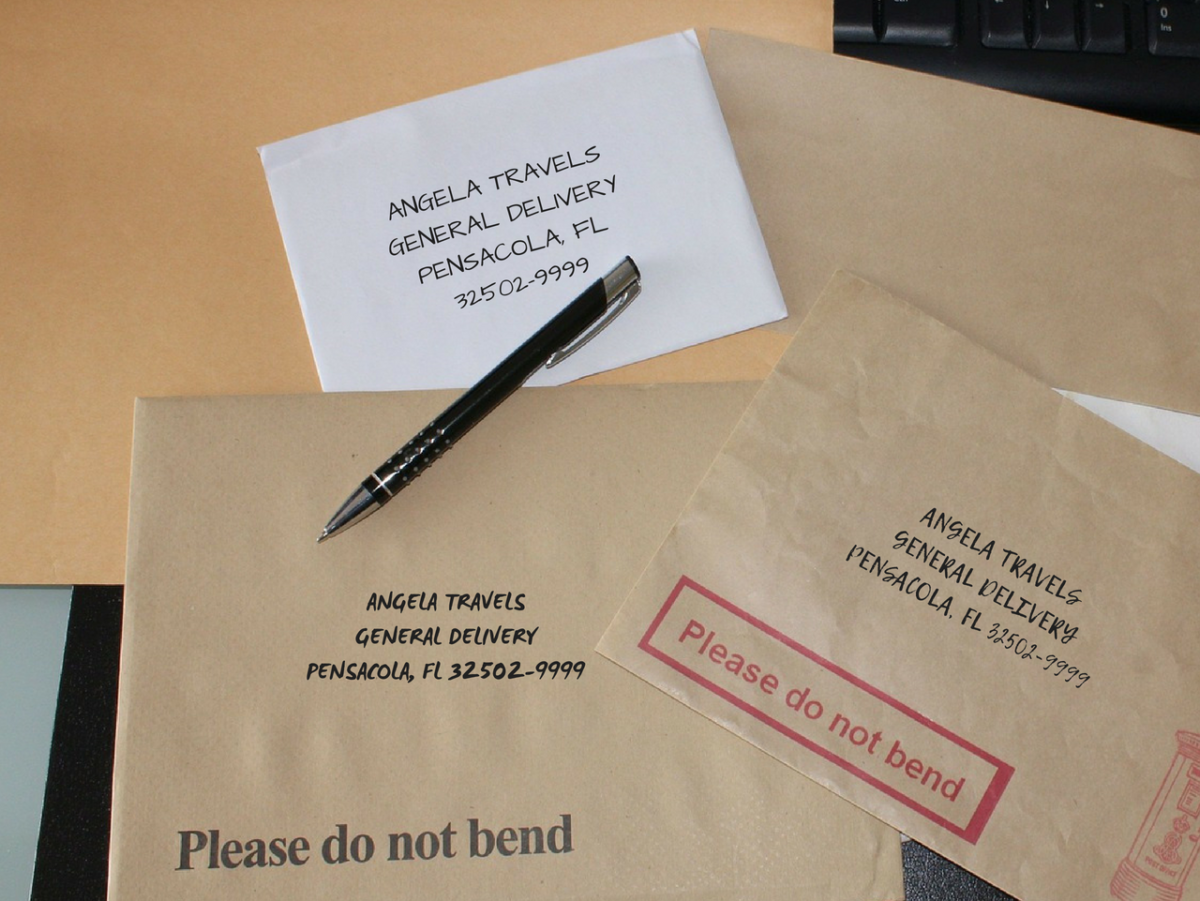
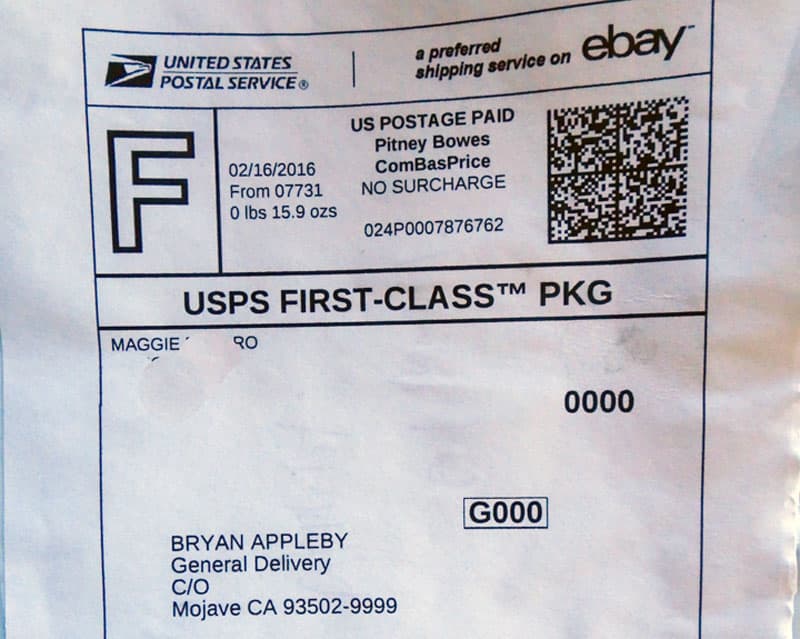
- Standardize the Format: Address your mail as:
- [Your Name/Business Name]
- GENERAL DELIVERY
- [City, State, Zip Code-9999]
- Budget for Identification: Ensure you have the proper government-issued ID that matches the name on the mail. For a business, you may need a copy of your Articles of Incorporation or an EIN letter to prove your authorization to collect mail on behalf of the entity.

Scaling Up: Transitioning to Permanent Business Solutions
As your revenue grows, your mailing strategy should grow with it. General Delivery is an excellent “seed-stage” solution. However, as you hire employees or seek venture capital, transitioning to a Registered Agent service or a permanent corporate headquarters becomes a financial necessity for legal compliance. The key is to view your mailing address not as a static detail, but as a dynamic component of your financial strategy—one that should be optimized for cost, privacy, and scalability at every stage of your business’s lifecycle.
By mastering the nuances of General Delivery, the modern professional can navigate the complexities of the global economy with greater agility. It is a testament to the fact that in the world of finance, even the simplest tools, when used strategically, can provide a significant competitive advantage. Whether you are saving your first $1,000 in overhead or protecting a multi-million dollar asset portfolio, your approach to “where you receive your mail” is a fundamental pillar of your financial health.
aViewFromTheCave is a participant in the Amazon Services LLC Associates Program, an affiliate advertising program designed to provide a means for sites to earn advertising fees by advertising and linking to Amazon.com. Amazon, the Amazon logo, AmazonSupply, and the AmazonSupply logo are trademarks of Amazon.com, Inc. or its affiliates. As an Amazon Associate we earn affiliate commissions from qualifying purchases.