
In the rapidly evolving landscape of cybersecurity and criminal justice, the ability to extract, analyze, and preserve digital evidence has become a cornerstone of modern investigations. At the heart of this discipline is a powerhouse software suite known as FTK, or the Forensic Toolkit. Developed by AccessData (now part of Exterro), FTK is recognized globally as one of the most robust and reliable digital forensics platforms available to law enforcement, corporate security teams, and private investigators.
As our lives become increasingly digitized, the “digital footprint” we leave behind—ranging from encrypted messages to deleted browser histories—holds the key to solving complex crimes and resolving corporate disputes. FTK provides the technical framework necessary to turn raw binary data into court-admissible evidence. This article explores the depths of the Forensic Toolkit, its specialized features, and its critical role in the tech-driven world of digital forensics.

Understanding the Core of FTK: Digital Forensics Defined
Digital forensics is the process of uncovering and interpreting electronic data. The goal is to preserve any evidence in its most original form while performing a structured investigation by collecting, identifying, and validating the digital information to reconstruct past events. FTK is designed specifically to facilitate this process with surgical precision.
The Role of FTK in Modern Cybersecurity
In the context of technology and digital security, FTK acts as both a reactive and proactive tool. From a reactive standpoint, it is used after a security breach or a crime has been committed. For example, if a company suffers an insider threat where an employee steals intellectual property, FTK allows investigators to scan the employee’s workstation to find remnants of transferred files, even if those files were “permanently” deleted.
From a proactive stance, FTK is used in incident response. When a system is compromised by malware or ransomware, forensic analysts use FTK to examine the system’s memory and storage to identify the point of entry and the extent of the infection. Unlike standard file-recovery software, FTK is built to handle the complexities of modern file systems, encrypted volumes, and massive datasets without compromising the integrity of the original media.
Who Relies on the Forensic Toolkit?
The user base for FTK is diverse, reflecting its versatility. Law enforcement agencies, from local police departments to federal entities like the FBI, use FTK to investigate everything from financial fraud to violent crimes. In the corporate sector, FTK is a staple for “e-discovery” and internal audits. Legal teams use it to sift through millions of emails and documents to find evidence relevant to litigation. Furthermore, cybersecurity firms utilize FTK to conduct deep-dive post-mortem analyses of cyberattacks, helping organizations bolster their defenses by understanding exactly how a breach occurred.
Key Features and Capabilities of the FTK Suite
What sets FTK apart from other forensic tools is its architecture. While many forensic tools process data on a file-by-file basis, FTK utilizes a sophisticated database-driven approach. This allows for faster searching, better stability, and the ability to handle much larger “cases” than its competitors.
FTK Imager: The Foundation of Data Acquisition
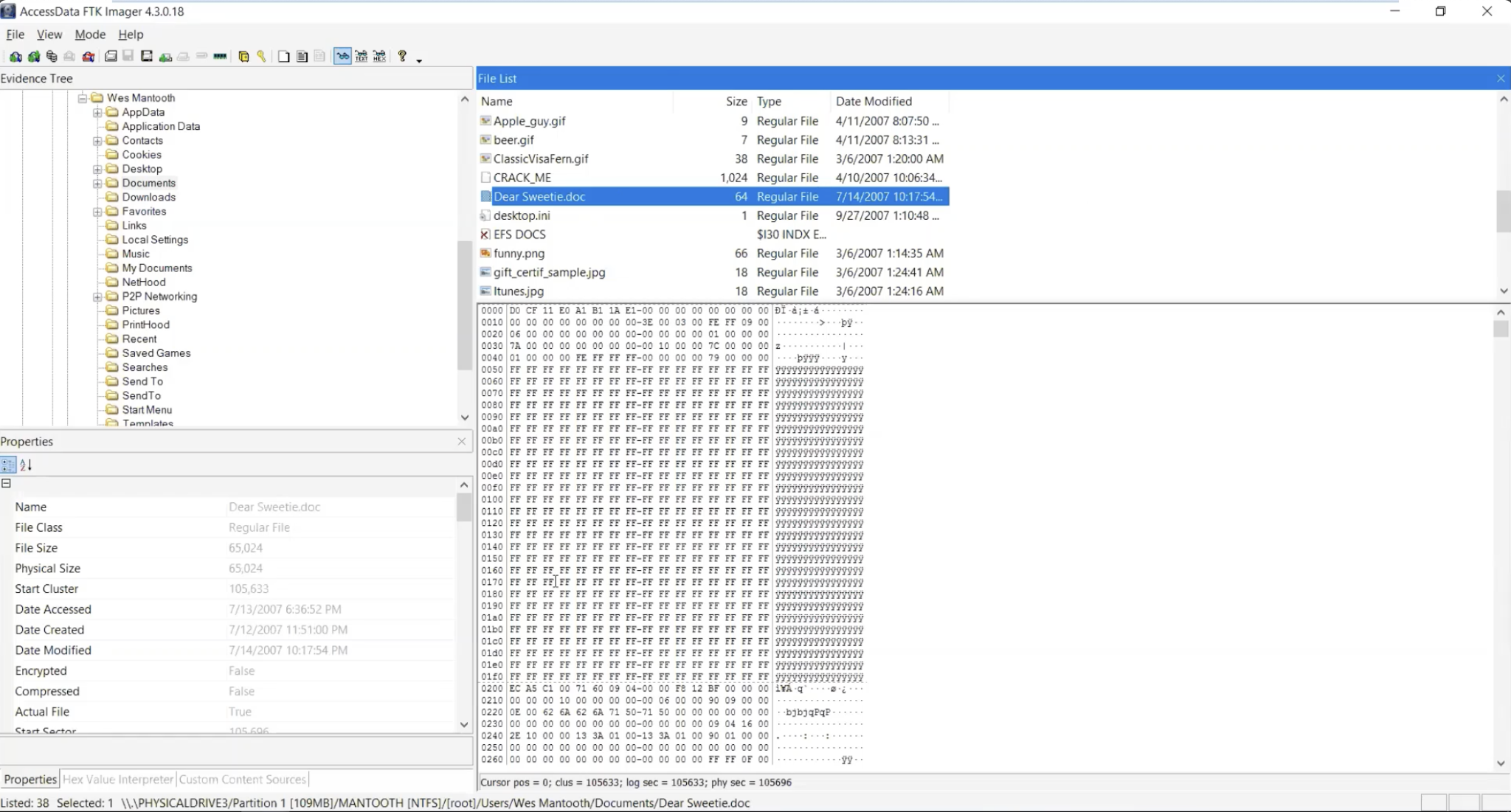
Before any analysis can begin, a forensic professional must create a “forensic image” of the source media (such as a hard drive, USB stick, or mobile device). FTK Imager is a standalone, often free-to-use component of the suite that is legendary in the tech community. It allows investigators to create a bit-for-bit duplicate of a drive without altering the original data.
Crucially, FTK Imager generates “hash values” (MD5 or SHA-1 fingerprints) for the data. If a single bit of the data is changed during the investigation, the hash value will change, alerting the investigator that the evidence has been tampered with. This ensures that the evidence remains “forensically sound” and admissible in a court of law.
Advanced Decryption and Password Recovery
One of the greatest hurdles in digital forensics is encryption. Whether it’s a password-protected ZIP file or a drive encrypted with BitLocker, FTK provides specialized tools to bypass these barriers. The Password Recovery Toolkit (PRTK) is a sophisticated module within FTK that uses dictionary attacks, brute force, and decryption algorithms to unlock protected files.
FTK is particularly adept at identifying encrypted files that a user might be trying to hide. It can scan a system for “known file types” and flag anything that appears suspicious or obfuscated, allowing the investigator to prioritize their efforts on the most likely sources of evidence.
Distributed Processing for Rapid Data Analysis
In the world of big data, a single investigation can involve multiple terabytes of information. Processing this amount of data on a single computer could take weeks. FTK solves this through “Distributed Processing.” This feature allows an investigator to spread the processing workload across multiple computers on a network. By harnessing the power of several CPUs simultaneously, FTK can index and analyze massive datasets in a fraction of the time, providing insights in hours rather than days.
The Investigative Workflow: How FTK Operates
The power of FTK lies not just in its individual features, but in its cohesive workflow. The software is designed to guide an investigator through the complex journey from raw data to a finished report.
Data Processing and Indexing
Once an image is loaded into FTK, the software begins the heavy lifting of “indexing.” This is similar to how a search engine like Google works. FTK reads every single string of text, metadata, and system file, creating a massive index. Once the indexing is complete, searches are instantaneous. An investigator can search for a specific keyword, an email address, or a credit card number across millions of files, and FTK will return the results in seconds.
Beyond simple text, FTK performs “file carving.” This is the process of recovering files based on their headers and footers rather than their entries in the file system. If a user formats a hard drive or deletes a partition, the file system “map” is gone, but the data often remains. FTK “carves” these pieces of data out of the unallocated space, often recovering photos, documents, and chat logs that the user thought were gone forever.
Evidence Visualization and Reporting
Data is only useful if it can be understood. FTK includes advanced visualization tools that help investigators see patterns. For example, a “social graph” can visualize the frequency and timing of communications between different parties, while a “timeline view” can show exactly what happened on a computer in the minutes leading up to a security breach.
Finally, FTK automates the reporting process. It can generate comprehensive, professional reports that summarize the findings, including file paths, timestamps, and MD5 hashes. These reports are designed to be presented to stakeholders, judges, or juries, providing a clear and documented chain of custody and evidence.
FTK vs. The Competition: Why Professionals Choose It
In the niche of digital forensics, FTK’s primary competitor is EnCase. While both are industry standards, FTK is often preferred for specific technical reasons, particularly its stability and its “one-case, one-database” philosophy.
Speed and Scalability
Because FTK uses a centralized database (such as PostgreSQL or Oracle) to store case data, it is significantly less prone to “crashing” when dealing with enormous datasets compared to tools that rely on flat-file structures. For enterprise-level investigations where thousands of endpoints might need to be analyzed, FTK’s ability to scale is a decisive advantage. The integration of distributed processing means that as the data grows, the investigator can simply add more processing “nodes” to maintain speed.
Court-Admissible Reporting
The tech industry values FTK for its transparency. The methodologies used by FTK for hashing, indexing, and carving are well-documented and have been tested in courts globally for decades. When a forensic analyst stands on a witness stand, they can state with confidence that they used FTK to extract the data, knowing that the tool’s reliability is a known quantity in the legal system. This “vetted” status is vital for both criminal prosecutions and high-stakes corporate litigation.
The Future of Digital Forensics and FTK
As technology shifts toward the cloud and artificial intelligence, the Forensic Toolkit is evolving to meet these new challenges. The “Tech” niche is no longer confined to local hard drives; it now encompasses virtual machines, cloud storage buckets, and IoT devices.
Integration with Cloud and AI
Modern versions of FTK are increasingly focused on “Cloud Forensics.” Investigators can now use FTK to ingest data directly from cloud providers like Google Drive, OneDrive, and AWS S3 buckets. This is crucial because more corporate data is stored in the cloud than on physical servers.
Furthermore, AI-driven pattern recognition is being integrated into the suite. FTK can now use machine learning to automatically categorize images (e.g., flagging all images containing weapons or specific logos) and detect “explicit” content without the investigator having to manually view every file. This not only speeds up the investigation but also protects the mental health of investigators who might otherwise be exposed to disturbing material.

Conclusion
FTK (Forensic Toolkit) remains a titan in the world of digital technology and security. By providing the tools necessary to peer into the hidden corners of digital devices, it ensures that truth and accountability remain possible in the digital age. Whether it is being used to stop a cyberattack, solve a financial crime, or protect corporate assets, FTK represents the pinnacle of digital forensic engineering. For any professional entering the field of cybersecurity or digital investigation, mastering FTK is not just an advantage—it is a necessity.
aViewFromTheCave is a participant in the Amazon Services LLC Associates Program, an affiliate advertising program designed to provide a means for sites to earn advertising fees by advertising and linking to Amazon.com. Amazon, the Amazon logo, AmazonSupply, and the AmazonSupply logo are trademarks of Amazon.com, Inc. or its affiliates. As an Amazon Associate we earn affiliate commissions from qualifying purchases.