
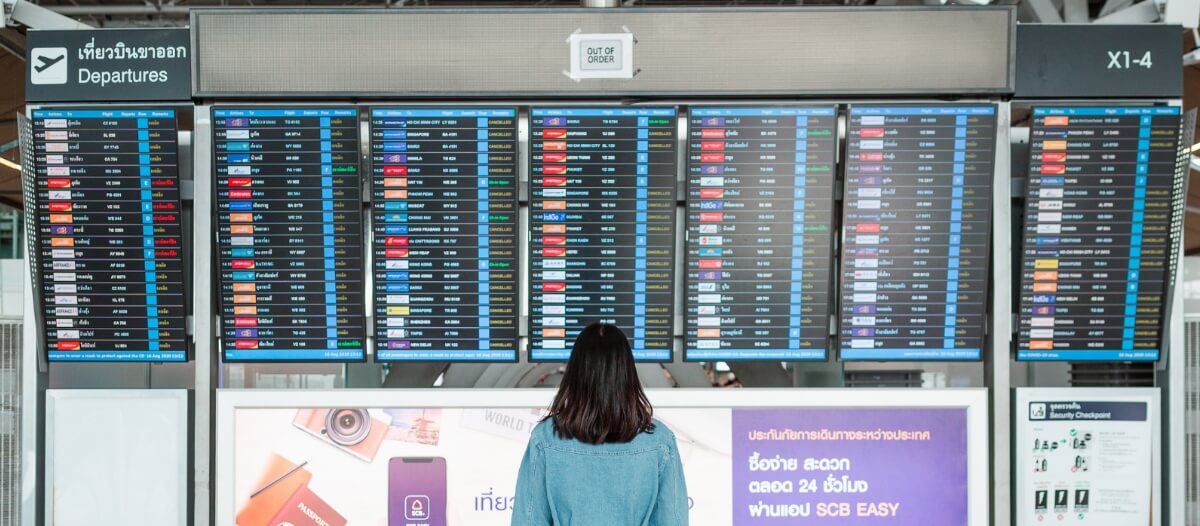
In the sprawling complexity of a modern international airport, thousands of passengers, ground crew, and security personnel rely on a singular source of truth to maintain order: the Flight Information Display System, or FIDS. While the average traveler might perceive these simply as “the big screens with flight times,” from a technological perspective, FIDS represents a sophisticated intersection of real-time data processing, hardware engineering, and networked software solutions.
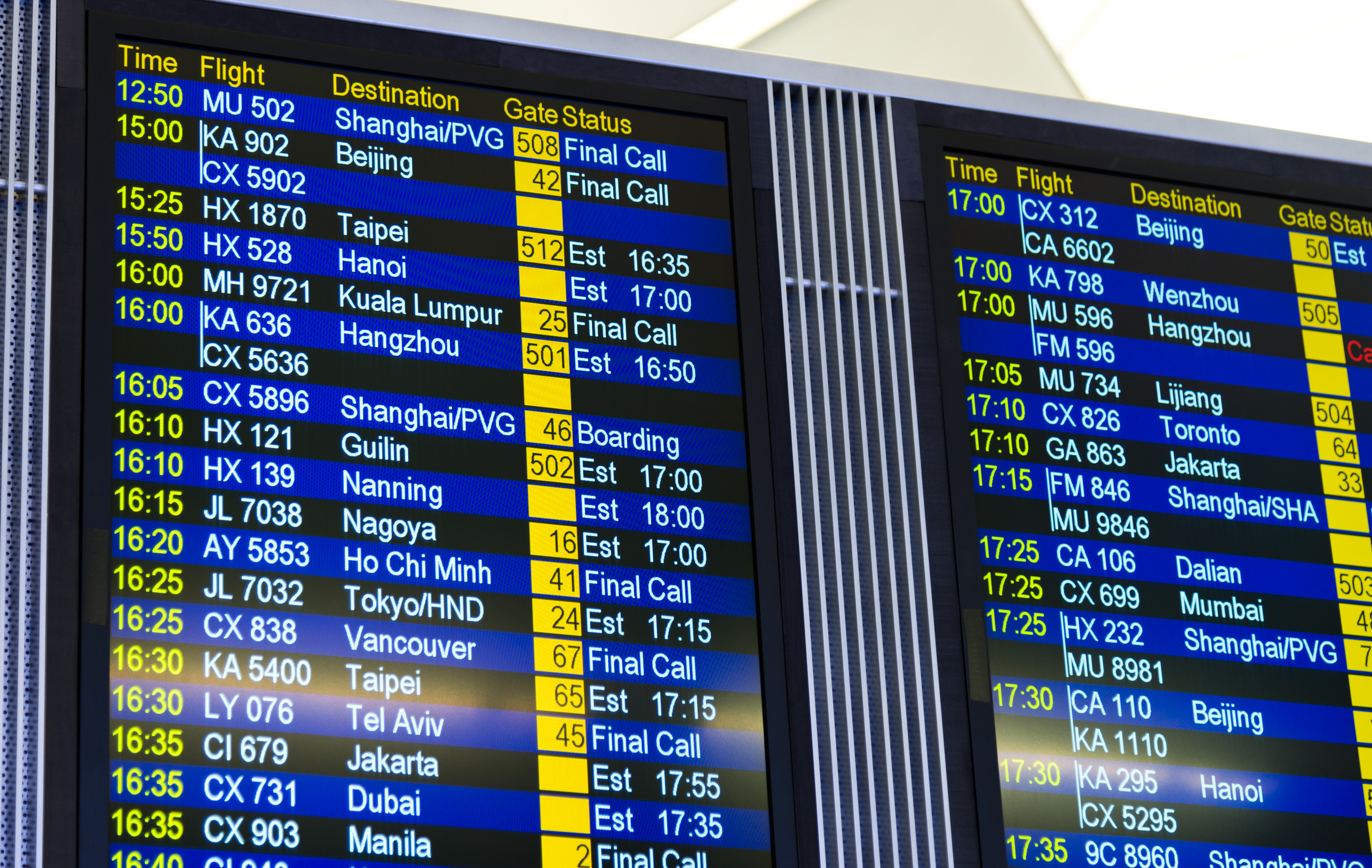
A FIDS is a computer-based system used in airports to display flight information to passengers. This includes arrival and departure times, gate numbers, flight status (such as “Delayed,” “Boarding,” or “Landed”), and baggage carousel assignments. However, as we move further into the era of the “Smart Airport,” FIDS has evolved from static digital signs into dynamic, AI-integrated communication hubs that are central to airport operations and the passenger experience.
The Architecture of Modern FIDS: How Hardware and Software Intersect
The technical backbone of a FIDS is far more complex than a standard television or computer monitor. It is an enterprise-grade ecosystem designed for 24/7 reliability, high visibility, and seamless data integration.
The Backend: Data Integration and Real-Time Processing
At the heart of every FIDS is the Airport Operational Database (AODB). The FIDS software acts as a specialized visualization layer for the AODB. When an airline updates a flight status or a ground controller assigns a new gate, that data is pushed through an Application Programming Interface (API) to the FIDS server.
Modern systems utilize event-driven architecture. Instead of the display “polling” the server every few minutes (which creates lag and network strain), the server “pushes” updates instantly using protocols like WebSockets or MQTT. This ensures that when a flight moves to “Final Call,” the screen updates in milliseconds, preventing passenger confusion and terminal congestion.
The Frontend: Display Technologies and Visual UI/UX
The hardware used in FIDS must meet rigorous industrial standards. Unlike consumer-grade screens, FIDS monitors are built for “High Duty Cycles,” meaning they can run 24 hours a day without “burn-in” or overheating.
From a UI/UX (User Interface/User Experience) perspective, the software must prioritize legibility. This involves high-contrast color coding (e.g., green for “On Time,” red for “Cancelled”) and anti-glare coatings on the physical glass. Advanced FIDS now use 4K and 8K LED panels, allowing for more information to be displayed without cluttering the screen. Furthermore, many systems are now “web-based,” meaning the actual visual content is rendered via HTML5 and CSS, allowing airport IT departments to update layouts and branding instantly across thousands of screens from a single central console.
Core Features and Technical Functionalities
A robust FIDS is defined by its ability to handle massive throughput of data while remaining flexible enough to adapt to various terminal environments.
Multi-Channel Distribution and Cloud Scalability
Traditionally, FIDS were hosted on local on-premise servers. However, the industry is rapidly shifting toward Cloud-based FIDS. This transition offers several technical advantages:
- Scalability: During peak holiday seasons, the system can automatically scale its processing power to handle the increased data load.
- Redundancy: If a local server at the airport fails, the cloud-based system ensures that displays remain operational via an internet connection.
- Remote Management: IT administrators can troubleshoot or update software on screens across multiple terminals—or even different airports—from a single remote dashboard.
This multi-channel approach also allows the “FIDS data” to be distributed beyond physical screens. The same data feed that powers the terminal displays is often exported to the airport’s mobile app, website, and even third-party travel apps like TripIt or Google Flights.
Dynamic Content Management and Automation
Modern FIDS software includes powerful logic engines. For example, if a gate change occurs, the system doesn’t just change a number on a screen; it can trigger a cascade of automated actions. It can update wayfinding signage to point passengers in the new direction, send a push notification to passengers’ phones, and update the “Baggage Information Display System” (BIDS) to reflect where the luggage will eventually arrive.
Furthermore, these systems support “Multi-Lingual Cycling.” In international hubs, the software automatically rotates between English and the local language, or the language of the flight’s destination, ensuring that technology bridges the communication gap for diverse traveler demographics.
The Role of FIDS in Airport Ecosystems and Smart Infrastructure
FIDS does not exist in a vacuum; it is a critical component of the Internet of Things (IoT) infrastructure within a “Smart Airport.” By integrating with other technological sectors, FIDS improves both operational flow and revenue.
Improving Operational Efficiency with IoT
When FIDS is integrated with IoT sensors and passenger flow monitoring systems, it becomes a tool for “queue management.” For instance, if sensors detect a bottleneck at Security Checkpoint A, the FIDS software can automatically display a message directing passengers to Checkpoint B, which has a shorter wait time.
This level of automation reduces the “cognitive load” on airport staff, allowing them to focus on security and service rather than constant crowd control. The integration with the Ground Support Equipment (GSE) also ensures that flight crews and baggage handlers are looking at the same synchronized data as the passengers, minimizing the “information gap” that often leads to delays.
Passenger Experience and Wayfinding Technology
Technological advancement has led to the rise of “Personalized FIDS.” Using Bluetooth Low Energy (BLE) beacons or Wi-Fi RTT (Round Trip Time), some airports are experimenting with displays that change based on who is standing in front of them.
Imagine a passenger walking up to a large screen; the system detects their digital boarding pass via their smartphone and highlights their specific flight in a different color or provides a personalized “walking time to gate” estimate. While still in the early stages of global rollout, this represents the next frontier of FIDS—moving from a one-to-many broadcast system to a one-to-one personalized information service.
Security, Maintenance, and Future Trends
As FIDS becomes more interconnected and reliant on the cloud, the focus on digital security and future-proofing has never been higher.
Cybersecurity in Public Information Displays
Public-facing displays are high-value targets for cyberattacks, including “defacement” (changing screen content) or acting as an entry point into the broader airport network. To combat this, modern FIDS utilize:
- End-to-End Encryption: Ensuring that the data sent from the AODB to the screen cannot be intercepted or altered.
- Device Hardening: Using specialized operating systems (often stripped-down versions of Linux or Windows IoT) that have all non-essential ports and services disabled.
- VLAN Isolation: Keeping the FIDS network entirely separate from the airport’s internal administrative or payment networks to prevent lateral movement by hackers.
The Future: AI, Personalization, and Biometrics
The future of FIDS is inextricably linked to Artificial Intelligence (AI) and Biometrics. Predictive AI is already being used to forecast potential delays before they happen, allowing FIDS to display “Estimated Departure” times that are more accurate than the official airline schedule based on weather patterns and incoming flight data.
Furthermore, the “Silent Airport” movement—which aims to reduce noise pollution by eliminating loud overhead announcements—is pushing FIDS to become even more visual and intuitive. We are seeing the emergence of “Visual Paging,” where names of passengers needed at a gate are displayed on FIDS screens rather than announced over a PA system.
Finally, biometric integration (facial recognition) is poised to revolutionize the “Wayfinding FIDS.” In the near future, a passenger might simply glance at a screen, and the system—having recognized their face as part of the “biometric corridor”—will display their specific gate and boarding status without the passenger ever needing to pull out a phone or paper ticket.

Conclusion
The Flight Information Display System has evolved from a simple mechanical flip-board to a sophisticated, high-tech engine of airport logistics. By leveraging real-time data processing, cloud scalability, and IoT integration, FIDS ensures that the millions of people moving through the global aviation network do so with clarity and efficiency. As we look toward an AI-driven future, the FIDS will remain the essential visual interface of the sky, transforming complex data into the simple, actionable information that keeps the world moving.
aViewFromTheCave is a participant in the Amazon Services LLC Associates Program, an affiliate advertising program designed to provide a means for sites to earn advertising fees by advertising and linking to Amazon.com. Amazon, the Amazon logo, AmazonSupply, and the AmazonSupply logo are trademarks of Amazon.com, Inc. or its affiliates. As an Amazon Associate we earn affiliate commissions from qualifying purchases.