
In the vast expanse of the global marketplace, businesses are often compared to celestial bodies. Some burn with an intensity that reshapes entire industries, while others provide the stable, habitable environments that consumers rely on for their daily needs. Understanding the difference between a “Star” brand and a “Planet” brand is more than a metaphorical exercise; it is a fundamental requirement for strategic positioning, resource allocation, and long-term corporate identity.
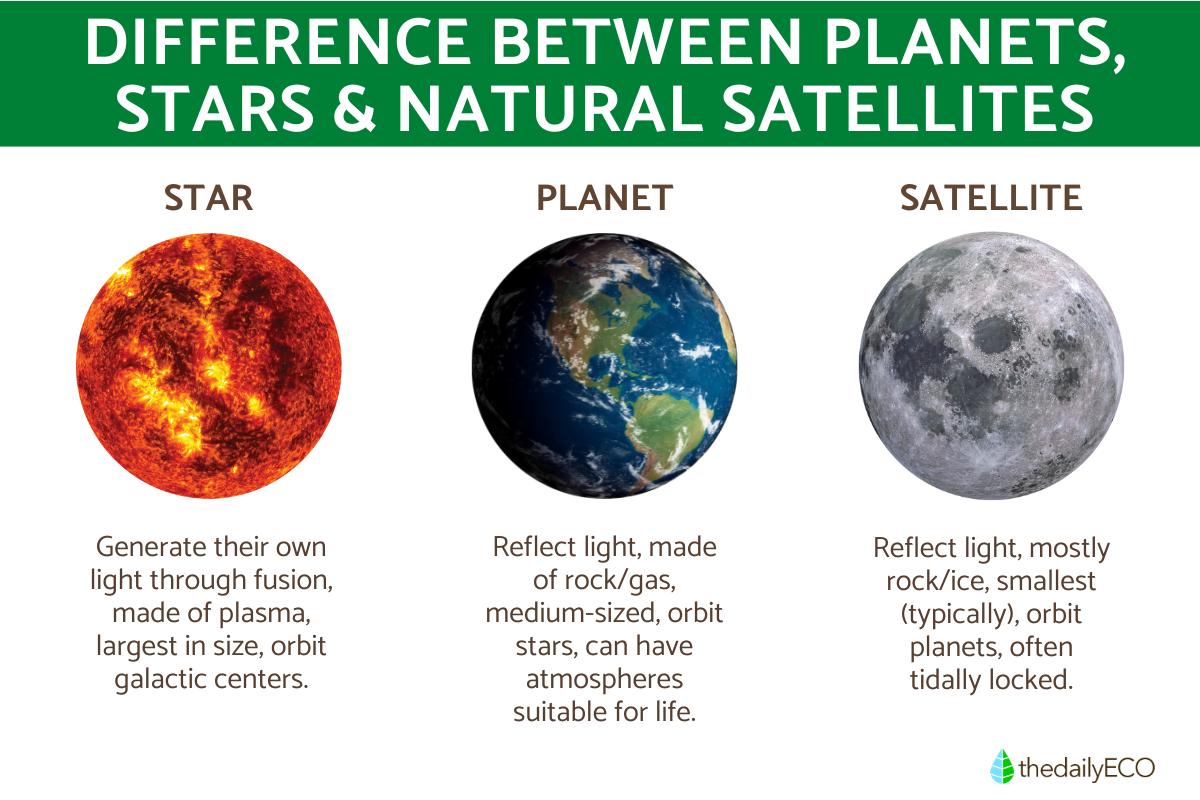
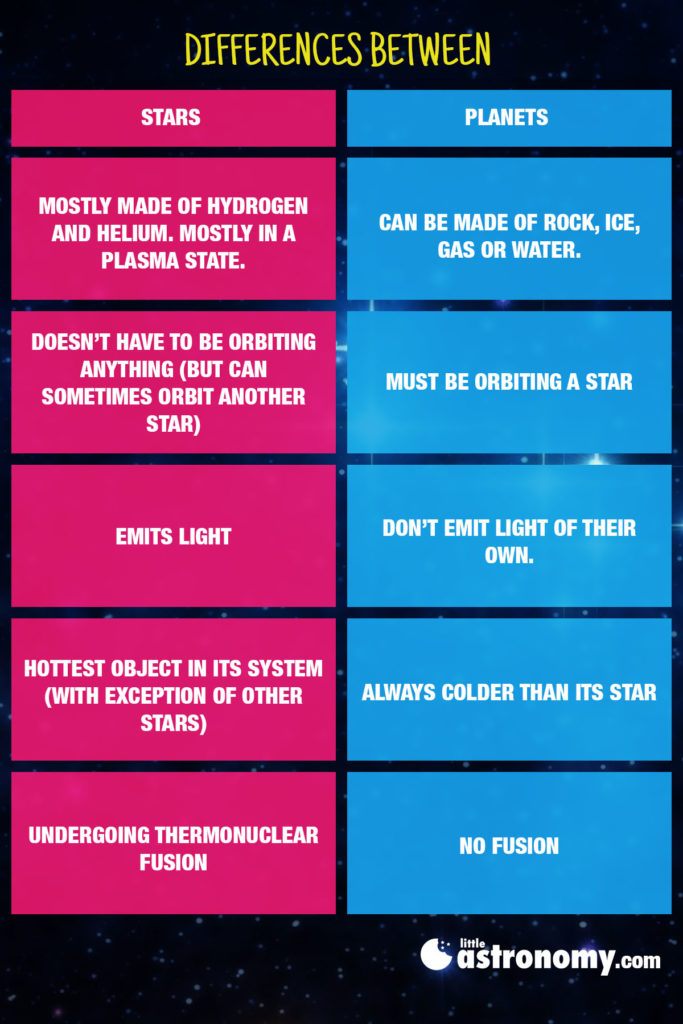
While a star generates its own light through internal fusion, a planet reflects the light of its sun and maintains a complex, life-sustaining ecosystem. In branding, this distinction separates the visionary disruptors from the reliable market pillars. Identifying which category your organization falls into—or which it aspires to join—is the first step in crafting a brand strategy that resonates with the gravity of the modern consumer.
Defining the Luminosity: The Star Brand as an Industry Disruptor
A “Star” brand is characterized by its ability to generate its own “light.” In business terms, this means the brand is the primary source of innovation, trend-setting, and market energy. These brands do not merely respond to market demands; they create them. Like a celestial star, their core is fueled by a high-energy “nuclear fusion” of visionary leadership, radical R&D, and a cultural identity that is impossible to ignore.
The Self-Sustaining Energy of Visionary Leadership
At the heart of every Star brand lies a core of intense energy. This is usually driven by a singular vision or a revolutionary technology that sets the brand apart from every competitor. For a Star brand, the value proposition is not just about a product; it is about an idea that illuminates the path for others to follow.
Consider the impact of companies like Tesla or Apple during their periods of peak disruption. They did not look at existing market data to see what consumers wanted; they generated a new reality. This internal energy allows the brand to remain visible even in a crowded “galaxy” of competitors. However, this luminosity requires constant fuel. To maintain Star status, a brand must continually innovate, as the moment the “fusion” stops, the brand risks collapsing under its own weight or fading into a “dwarf” state.
How “Star” Brands Emit Influence Across the Marketplace
The primary function of a Star brand is to lead. Their influence extends far beyond their immediate customer base, affecting how competitors behave and how regulations are written. This “radiation” of influence is what defines market leadership. When a Star brand makes a move—such as removing a headphone jack or committing to carbon neutrality—the entire industry feels the heat.
From a marketing perspective, Star brands rely on “aspiration.” They are the beacons that consumers look toward for inspiration. The branding strategy here is not about being “habitable” or “easy”; it is about being brilliant. The messaging is often bold, minimalist, and focused on the future. The goal is to create a gravitational pull so strong that other brands (the Planets) are forced to orbit around the Star’s ecosystem.
The Gravity of Stability: Understanding the “Planet” Brand Model
While the Star brand is about heat and light, the “Planet” brand is about gravity and habitability. A Planet brand is often an established player that provides a necessary, stable service or product. They may not be the ones inventing the “sun,” but they are the ones creating a world where consumers can live, work, and thrive. These are the “Blue Chip” brands—reliable, structured, and essential.
Habitable Value Propositions: Building for Longevity
The strength of a Planet brand lies in its atmosphere—the customer experience, the reliability of the supply chain, and the consistency of the product. While a Star might be too hot to touch, a Planet is designed to be lived on. This refers to brands like Procter & Gamble, Coca-Cola, or Microsoft (in its enterprise capacity). Their goal is to build a “habitable” environment where the consumer feels safe and supported.
The strategy for a Planet brand is centered on retention and loyalty rather than raw disruption. They focus on the “ecology” of the customer journey. If the Star brand represents the “Why,” the Planet brand represents the “How.” They excel in logistics, customer service, and incremental improvement. For these organizations, the difference is in the details—the nitrogen-to-oxygen balance of their market share that keeps the “population” (the customer base) from leaving for another world.
The Importance of the Ecosystem and Customer Orbit
Planet brands survive by maintaining a strong gravitational pull. This is achieved through “ecosystem locking.” Whether it is a suite of software tools that work seamlessly together or a loyalty program that makes it inconvenient to shop elsewhere, the Planet brand focuses on the orbit.
In this model, the brand strategy is defensive and nurturing. You aren’t trying to ignite the sky; you are trying to ensure that your “satellites” (subsidiaries and partner brands) stay in a stable rotation. The branding is focused on trust, legacy, and the “human” element of the corporate identity. While a Star brand is viewed from a distance with awe, a Planet brand is experienced on the ground every day.
Navigating the Galaxy: Strategic Differences in Market Positioning
Choosing to be a Star or a Planet dictates every aspect of a company’s financial and operational strategy. The difference between the two is most apparent when looking at how they manage resources and how they perceive their life cycles within the market.
Resource Allocation: Nuclear Fusion vs. Atmospheric Pressure
The “Star” strategy requires a massive investment in “heat.” This means the majority of capital is poured into innovation, high-level marketing, and top-tier talent acquisition. The risk is high; if the “fusion” doesn’t ignite, the company goes dark. The “Star” must constantly burn through resources to remain the center of the system.
In contrast, the “Planet” strategy focuses on “atmospheric pressure”—maintaining the existing structure and ensuring the environment remains stable. Resources are allocated toward efficiency, market expansion, and risk mitigation. A Planet brand doesn’t need to invent a new way to communicate; it needs to ensure that its current communication channels are 100% reliable. The financial model is built on recurring revenue and sustainable growth rather than the explosive “supernova” growth sought by Star startups.
Scalability and Life Cycles of Market Entities
The life cycle of a Star brand is often volatile. They can become “Red Giants”—expanding too fast and becoming inefficient—or they can eventually cool down and solidify into Planets. Many of today’s most stable Planet brands began as high-energy Stars. IBM, for example, was once the “Star” that illuminated the computing world; today, it is a stable “Planet” providing the infrastructure for global enterprise.
Understanding where a brand sits in this life cycle is crucial for brand managers. A common mistake is a “Planet” brand trying to act like a “Star,” leading to erratic marketing that confuses the loyal customer base. Conversely, a “Star” that tries to settle into “Planet” stability too early may find its light eclipsed by a newer, hotter competitor.
The Interstellar Synergies: When Planets Become Stars (and Vice Versa)
The most successful corporate “galaxies” contain both Stars and Planets. A parent company (the Star) might provide the vision and the funding, while its various sub-brands (the Planets) provide the stable revenue streams and consumer touchpoints. This synergy is the pinnacle of brand strategy.
The Pivot: From Niche Ecosystem to Industry Powerhouse
Sometimes, a Planet brand develops enough internal pressure to ignite. This happens when a company that was once a “safe” choice develops a breakthrough technology or a cultural movement that propels it into the center of the industry. This “ignition” is the goal of many mid-market brands. It requires a shift from “reflective” branding (following trends) to “emissive” branding (creating trends).
This transition is dangerous. It requires the brand to shed its “atmosphere”—its old ways of doing things—to embrace the heat of innovation. Brands that successfully make this jump become the new centers of gravity for the next generation of consumers.
Sustaining the Glow: Avoiding the Black Hole of Irrelevance
Every Star and Planet faces the threat of the “Black Hole”—the point where the brand identity becomes so disconnected from reality or so burdened by debt and bureaucracy that it collapses. In branding, this happens when a company loses its core purpose.
To avoid this, Stars must remain humble enough to realize they need Planets (ecosystems) to support their light, and Planets must remain observant enough to know which Star they should be orbiting. The difference between a star and a planet, ultimately, is not just about size or brightness; it is about the role they play in the wider universe of the consumer’s life. By identifying your brand’s celestial type, you can better navigate the complexities of the market, ensuring that your identity remains either a guiding light or a dependable world for years to come.
aViewFromTheCave is a participant in the Amazon Services LLC Associates Program, an affiliate advertising program designed to provide a means for sites to earn advertising fees by advertising and linking to Amazon.com. Amazon, the Amazon logo, AmazonSupply, and the AmazonSupply logo are trademarks of Amazon.com, Inc. or its affiliates. As an Amazon Associate we earn affiliate commissions from qualifying purchases.