
When navigating the complex landscape of personal finance, insurance often stands as one of the most significant yet misunderstood pillars. Among the various types of coverage, dental insurance is frequently viewed as a secondary concern until an emergency arises. However, a crucial component of these policies—the waiting period—can have a profound impact on your wallet and your long-term financial planning. Understanding what a dental insurance waiting period is, why it exists, and how to navigate it is essential for anyone looking to optimize their healthcare spending and protect their financial well-being.
The Financial Mechanics of the Dental Insurance Waiting Period
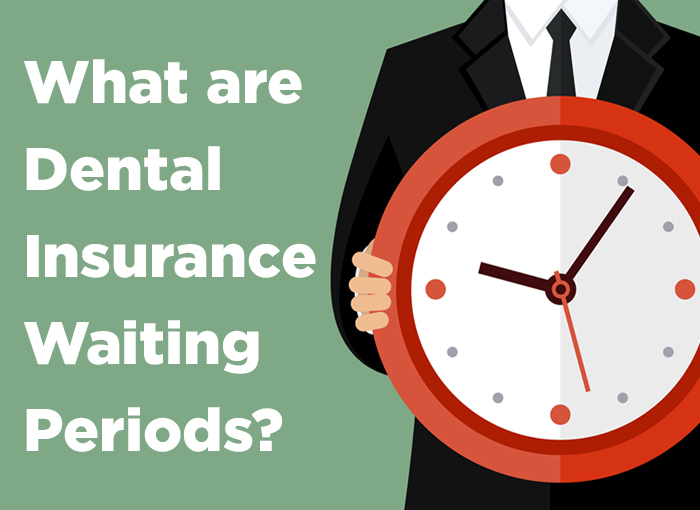
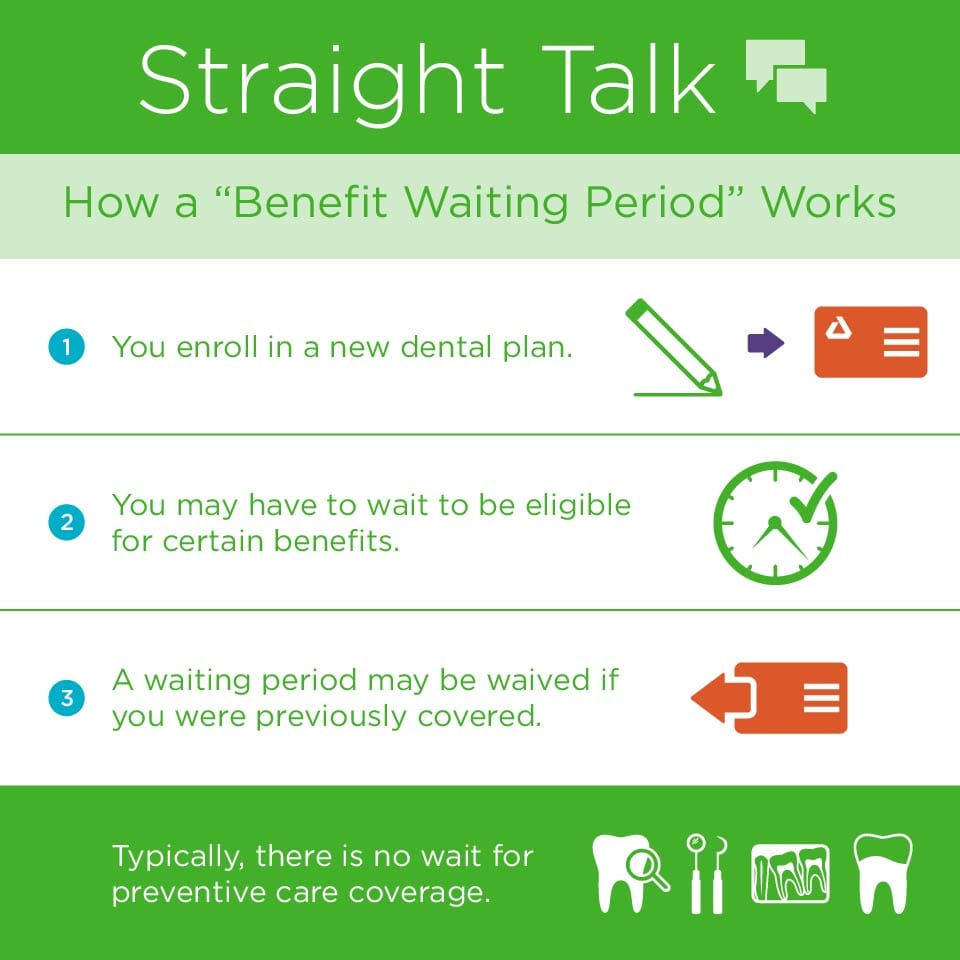
At its core, a dental insurance waiting period is a designated timeframe after your policy begins during which the insurance provider will not pay for specific procedures. While you are still required to pay your monthly premiums during this window, the insurer is not yet obligated to cover the costs of certain treatments. This period can range from a few months to a full year, depending on the complexity of the dental work required.
Why Insurers Implement Waiting Periods
From a business finance perspective, waiting periods are a risk-mitigation strategy designed to prevent “adverse selection.” In the world of insurance, adverse selection occurs when individuals purchase coverage only when they know they have an immediate and expensive need. If a consumer realizes they need a $3,000 root canal and immediately signs up for a $40-a-month insurance plan to cover it, the insurance company would suffer a massive net loss. By enforcing a waiting period, insurers ensure that policyholders contribute to the “risk pool” for a set amount of time before claiming high-cost benefits, which keeps premiums lower for everyone in the long run.
The Tiered Structure of Coverage
Not all dental procedures are treated equally under the waiting period umbrella. Most policies categorize treatments into three tiers, each with its own financial timeline:
- Preventive Care: This typically includes cleanings, X-rays, and routine exams. In most cases, there is zero waiting period for these services, as insurers want to encourage early intervention to avoid more expensive problems later.
- Basic Restorative Services: This category often covers fillings and simple extractions. Waiting periods for these services usually range from three to six months.
- Major Restorative Services: This includes high-ticket items like crowns, bridges, dentures, and oral surgery. These procedures frequently carry the longest waiting periods, often 12 months or more.
Navigating the Financial Impact of Waiting Periods on Personal Budgeting
For the savvy financial planner, the dental insurance waiting period represents a gap in coverage that must be accounted for in an emergency fund or a health savings strategy. If you transition between jobs or choose a new individual policy, failing to account for these gaps can lead to unexpected out-of-pocket expenses that disrupt your monthly budget.
Calculating Out-of-Pocket Risks
When selecting a plan, it is vital to perform a cost-benefit analysis. A plan with a lower monthly premium might seem attractive, but if it carries a 12-month waiting period for major work and you have a history of dental issues, the “cheap” plan could cost you thousands in the first year. Conversely, paying a higher premium for a plan with shorter waiting periods can be seen as a form of financial hedging, protecting you against the high costs of unforeseen dental emergencies.
Employer-Sponsored Plans vs. Individual Policies
One of the most significant distinctions in dental finance is the difference between group and individual plans. Employer-sponsored (group) plans often waive waiting periods entirely because the insurer assumes a diversified risk across the entire workforce. For the employee, this is a major financial perk. However, if you are a freelancer, a small business owner, or a retiree purchasing an individual policy, you are much more likely to encounter strict waiting periods. Understanding this distinction is critical when evaluating a job offer or planning for retirement.
Strategic Ways to Bypass or Minimize Waiting Times
While waiting periods are standard, they are not always set in stone. There are several financial maneuvers and policy types that allow individuals to access care more quickly without waiting out the traditional calendar.
The “Proof of Prior Coverage” Credit
If you are moving from one dental insurance provider to another without a significant gap in coverage (usually less than 31 to 63 days), many insurers will grant you a “waiting period waiver.” From a financial management standpoint, this is essentially a credit for time served. To utilize this, you must provide a Certificate of Credible Coverage from your previous insurer. This ensures that your loyalty to the insurance system is rewarded with immediate access to basic and major services.
Seeking Out “No-Waiting-Period” Plans
In recent years, the competitive landscape of the insurance market has led to the rise of “No-Waiting-Period” dental plans. These are specifically designed for people who need immediate work. However, there is no such thing as a free lunch in finance; these plans often have a “graded benefit” structure. For example, the plan might cover 10% of a crown in the first year, 25% in the second year, and 50% in the third. While you get help immediately, the financial burden remains largely on the policyholder in the short term.
Dental Discount Plans as a Financial Alternative
For those who cannot wait and do not want to deal with insurance complexities, Dental Discount Plans (or dental savings plans) offer an alternative financial model. These are not insurance; rather, they are membership clubs where you pay an annual fee to access a network of dentists who have agreed to lower their rates for members. There are no waiting periods, meaning you can sign up today and save 20-50% on a procedure tomorrow. For a consumer facing an immediate $2,000 bill, the $150 annual membership fee for a discount plan often provides a better immediate return on investment (ROI) than traditional insurance.
Integrating Dental Care into Your Long-Term Investment Strategy
Health is an asset, and dental health is a significant component of that asset’s value. Neglecting dental care due to insurance waiting periods can lead to systemic health issues that are far more expensive to treat later, such as cardiovascular disease or severe infections. Therefore, your dental insurance strategy should be integrated into your broader financial plan.
Utilizing HSAs and FSAs
If you find yourself stuck in a waiting period but need dental work, Health Savings Accounts (HSAs) and Flexible Spending Accounts (FSAs) are your best financial allies. These accounts allow you to pay for dental procedures using pre-tax dollars, effectively giving you a 20-30% discount depending on your tax bracket. Using an HSA to cover costs during an insurance waiting period is a sophisticated way to manage your cash flow while still receiving the care you need.
The ROI of Preventive Maintenance
From a purely economic perspective, the best way to “beat” the waiting period is to never need the services that fall under it. By maximizing the “preventive” tier of your insurance—which usually has no waiting period—you are investing in the maintenance of your physical assets. Bi-annual cleanings and early-stage fillings are significantly cheaper than the major restorative work that requires a 12-month wait. In the world of personal finance, prevention is always the highest-yielding investment.
Conclusion: Making an Informed Financial Choice
The dental insurance waiting period is not merely an administrative hurdle; it is a fundamental aspect of the insurance industry’s financial structure. For the consumer, it represents a period of vulnerability that requires careful planning and strategic decision-making.
When choosing a plan, do not simply look at the monthly premium. Instead, evaluate the “Time-Cost” factor:
- How long will I be paying for this plan before it becomes fully functional?
- Do I have an emergency fund or an HSA to bridge the gap if a tooth fails during the waiting period?
- Is my prior coverage documented well enough to seek a waiver?
By approaching dental insurance through the lens of personal finance and risk management, you can avoid the “waiting period trap.” Whether you choose to wait it out, find a plan that waives the requirement, or utilize a discount plan to mitigate immediate costs, being informed is the best way to protect both your smile and your bank account. In the end, a well-managed dental plan is a testament to a well-managed financial life.
aViewFromTheCave is a participant in the Amazon Services LLC Associates Program, an affiliate advertising program designed to provide a means for sites to earn advertising fees by advertising and linking to Amazon.com. Amazon, the Amazon logo, AmazonSupply, and the AmazonSupply logo are trademarks of Amazon.com, Inc. or its affiliates. As an Amazon Associate we earn affiliate commissions from qualifying purchases.