
In the traditional landscape of marketing, a brand was often viewed as a static entity—a combination of a logo, a color palette, and a catchy slogan. However, as the digital marketplace becomes increasingly saturated and consumers become more discerning, the concept of the “brand persona” has undergone a radical transformation. Today, successful brand strategy mirrors the depth found in literary masterpieces. We no longer talk about simple brand identities; we talk about the “complex character.”
A complex character in branding is a multi-dimensional, nuanced persona that possesses depth, internal motivations, and even relatable contradictions. It is the antithesis of the “one-note” brand that only screams about discounts or features. By developing a complex character, a brand transcends its status as a commodity and becomes a living entity with which consumers can form a genuine emotional psychological bond. This article explores the strategic importance of character complexity in brand building and provides a roadmap for developing a persona that resonates in a crowded market.

The Anatomy of a Complex Brand Character
To understand what a complex character is in the context of brand strategy, we must look at how it differs from a standard brand identity. A standard identity is transactional; a complex character is relational.
Moving Beyond One-Dimensional Archetypes
For decades, marketers have relied on Jungian archetypes—the Hero, the Outlaw, the Sage, the Innocent—to categorize brand personalities. While these serve as excellent starting points, a truly complex character refuses to be confined to a single box. A complex brand might be a “Hero” that occasionally shows vulnerability, or a “Sage” that possesses a sharp, irreverent sense of humor.
This layering of traits creates a more human-like presence. When a brand demonstrates a range of “emotions” or responses to world events, it moves from being a corporate mask to a recognizable personality. Complexity allows a brand to pivot without losing its core identity, as the depth of the character provides a framework for growth.
The Role of Internal Conflict and Brand Values
In literature, a character becomes complex when they face internal conflict. In branding, this translates to the tension between profit and purpose, or tradition and innovation. A brand that openly grapples with its challenges—such as a fashion label admitting the difficulties of achieving 100% sustainability while striving toward it—displays a complex character.
This transparency creates a narrative of “becoming” rather than just “being.” When a brand’s values are tested by market realities, how it responds defines its character. Consumers are drawn to brands that stand for something, even when it is difficult, because that struggle is a hallmark of a genuine, complex personality.
Why Complexity Drives Consumer Loyalty
In an era of “cancel culture” and extreme brand skepticism, the “perfect” brand is often viewed with suspicion. Consumers are looking for authenticity, and authenticity is inherently messy and complex.
Authenticity in the Age of Paradox
Modern consumers are comfortable with paradox. they want luxury that is ethical; they want technology that feels organic; they want global reach with a local soul. A brand with a complex character can navigate these paradoxes effectively. By embracing a multi-faceted identity, a brand can speak to different aspects of a consumer’s life without appearing hypocritical.
Complexity provides the “why” behind the “what.” When a brand’s actions are rooted in a deep, well-defined character, even unconventional moves feel authentic. This depth builds a “trust reservoir” that helps the brand weather crises that would sink a more superficial entity.
Emotional Resonance Through Relatability
We do not fall in love with corporations; we fall in love with stories and the characters within them. A complex character offers more “hooks” for emotional resonance. Some consumers might connect with the brand’s rebellious streak, while others are drawn to its commitment to craftsmanship.
Because a complex character has multiple dimensions, it can build a broader community of followers who are united by different facets of the same personality. This creates a more robust and loyal fan base. The goal is to move the consumer from “I buy this product” to “I identify with this brand.”
Building the Framework: Pillars of a Multi-Faceted Brand Persona

Creating a complex character is not an accidental process; it requires a disciplined strategic framework. It involves looking inward at the company’s DNA and outward at the cultural landscape.
Establishing the Narrative Backstory
Every complex character has an origin story that informs their current behavior. In branding, this is the “Brand Heritage” or the “Founder’s Myth.” However, to make it complex, the backstory must include the obstacles overcome and the lessons learned.
A brand’s history should not just be a timeline of successes; it should be a narrative of evolution. Why was the company started? What did it fail at in the early days? How did those failures shape its current worldview? A brand with a history of resilience is far more compelling than one that claims to have always been at the top.
Voice, Tone, and “Consistent Inconsistency”
A hallmark of a simple brand is a voice that never changes. A complex brand, however, understands “tone of voice” vs. “voice.” While the core voice (the character’s soul) remains the same, the tone shifts depending on the context.
This “consistent inconsistency” allows a brand to be serious when discussing corporate responsibility, yet playful and witty on social media. This range is what makes a character feel real. If a friend acted exactly the same at a funeral as they did at a birthday party, you would find it unsettling. The same logic applies to brands. A complex character knows how to read the room while staying true to its fundamental self.
Case Studies: Brands That Mastered the Complex Character
To see complex character strategy in action, we can look at industry leaders who have moved beyond traditional marketing to create icons that feel like living personalities.
Patagonia: The Profitable Activist
Patagonia is perhaps the gold standard of a complex brand character. They are a multi-million dollar global corporation (The Ruler/Creator), yet they actively tell their customers not to buy their products (The Rebel/Sage). This inherent contradiction—a business that discourages consumerism—is what makes them a complex character. Their “Don’t Buy This Jacket” campaign wasn’t just a gimmick; it was an expression of a deeply held, complex philosophy that balances commerce with radical environmentalism. This depth has earned them a level of loyalty that few brands can match.
Liquid Death: The Heavy Metal Water
On the surface, Liquid Death is just canned water. However, their brand character is incredibly complex. They use the visual language of energy drinks and heavy metal (The Outlaw) to promote the healthiest substance on earth (The Caregiver/Innocent). By “murdering thirst” and using aggressive, irreverent marketing to sell mountain water, they have created a persona that is both hilarious and mission-driven (focused on eliminating plastic). This juxtaposition of “extreme” aesthetics with “pure” intentions creates a character that is memorable, nuanced, and highly effective.
Implementing a Complex Character Strategy
Transitioning from a flat brand to a complex character requires a shift in how a company views its communication and culture.
Auditing Your Current Brand Identity
The first step is a “personality audit.” Is your brand currently predictable? If a customer can guess exactly what your next social media post or advertisement will look like, your character may be too thin.
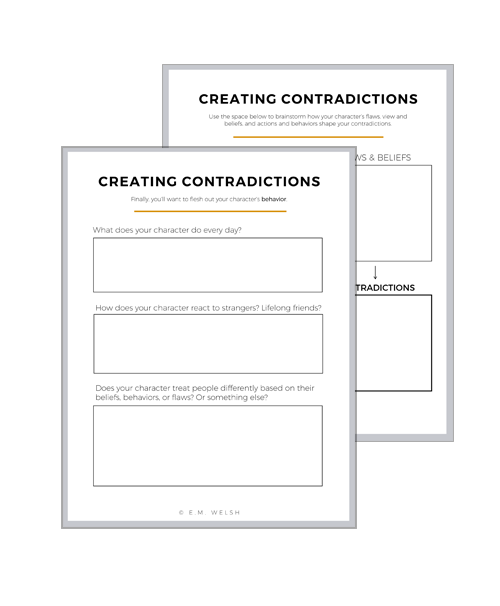
Identify the core tension in your brand. Are you a legacy company trying to be modern? Are you a high-tech firm that values human touch? Lean into these tensions. Instead of trying to smooth over the contradictions in your brand’s mission, use them as the foundation for a more complex narrative.
Scaling the Persona Across Digital Touchpoints
A complex character must be maintained across every touchpoint, from the UI/UX of an app to the fine print in a contract. Inconsistency is not the same as complexity; complexity is a deliberate layering of traits, whereas inconsistency is a failure of execution.
To scale a complex persona, internal teams must understand the “character arc” of the brand. This means training customer service representatives, designers, and copywriters not just on brand guidelines, but on the brand’s worldview. When every employee understands the nuances of the brand’s character, the persona remains cohesive even as it expresses different facets of its personality across various platforms.
In conclusion, a “complex character” is the ultimate competitive advantage in the modern economy. By moving away from two-dimensional marketing and toward a deep, nuanced brand persona, companies can foster a sense of belonging and loyalty that goes far beyond the functional utility of their products. Complexity is not about being complicated; it is about being human.
aViewFromTheCave is a participant in the Amazon Services LLC Associates Program, an affiliate advertising program designed to provide a means for sites to earn advertising fees by advertising and linking to Amazon.com. Amazon, the Amazon logo, AmazonSupply, and the AmazonSupply logo are trademarks of Amazon.com, Inc. or its affiliates. As an Amazon Associate we earn affiliate commissions from qualifying purchases.