
In the modern corporate landscape, the definition of an asset has shifted. While traditional balance sheets focus on liquidity, real estate, and intellectual property, the most volatile and valuable variable remains human capital. When asking “what is an occupational health nurse (OHN)?” from a financial perspective, one must look beyond the clinical mask. An OHN is a specialized healthcare professional who operates at the intersection of medicine and business finance. They are the frontline risk managers dedicated to protecting a company’s most expensive investment: its workforce.
For CFOs and business owners, the OHN is not merely a line item in the HR budget; they are a strategic instrument for cost containment, insurance premium reduction, and productivity optimization. This article explores the role of the occupational health nurse through the lens of fiscal responsibility and bottom-line impact.

1. The Economic Value Proposition of Occupational Health Nursing
To understand the financial weight of an occupational health nurse, one must first quantify the cost of workplace illness and injury. According to various economic studies, the indirect costs of poor employee health—including absenteeism, presenteeism, and turnover—can be up to three times higher than direct medical costs.
The Mitigation of Absenteeism and Presenteeism
Absenteeism is a direct hit to a company’s Profit and Loss (P&L) statement. When an employee is out, the company pays for sick leave while losing the output that the employee would have generated. However, “presenteeism”—where employees are physically present but cognitively impaired due to health issues—is a silent profit killer. An OHN identifies these trends early. By implementing preventative screenings and ergonomic assessments, they ensure that the workforce remains at peak operational capacity, thereby protecting the company’s daily revenue streams.
Human Capital as a Financial Asset
In finance, an asset is expected to provide a future benefit. When an employee becomes injured or chronically ill due to workplace conditions, that asset depreciates rapidly. The OHN acts as a “maintenance engineer” for human capital. By ensuring that the work environment is optimized for health, the OHN extends the “useful life” and productivity of the workforce, ensuring a higher internal rate of return (IRR) on every salary dollar spent.
Data-Driven Health Financials
Modern OHNs utilize health informatics to track patterns in worker health. By analyzing this data, they can predict potential spikes in healthcare spending or identify specific departments with high injury rates. This predictive capability allows businesses to allocate capital more efficiently, shifting from a reactive “repair” model to a proactive “preventative” model that saves millions in long-term liabilities.
2. Strategic Cost Management: Workers’ Compensation and Insurance
One of the most immediate financial benefits of employing an occupational health nurse is the direct reduction in insurance-related expenditures. For many industrial and corporate entities, insurance premiums and workers’ compensation claims are significant overhead burdens that can erode EBITDA (Earnings Before Interest, Taxes, Depreciation, and Amortization).
Reducing Workers’ Compensation Claims
The OHN is an expert in OSHA (Occupational Safety and Health Administration) compliance and injury management. When an injury occurs, the OHN provides immediate triage. In many cases, this prevents a minor incident from escalating into a high-cost emergency room visit or a long-term disability claim. By managing the “Return to Work” (RTW) programs, the OHN ensures that injured employees return to modified duties as soon as safely possible, significantly lowering the indemnity payments and legal fees associated with prolonged claims.
Influencing Insurance Premiums
Insurance underwriters determine premiums based on risk profiles. A company that employs a dedicated OHN signals to the insurance market that it has a robust risk mitigation strategy in place. Over time, the lower frequency and severity of claims—facilitated by the OHN’s oversight—improve the company’s Experience Modification Rate (EMR). A lower EMR leads directly to lower premiums, providing the company with more liquid capital to reinvest in growth or innovation.
Regulatory Compliance and Fine Avoidance
The financial fallout of non-compliance with health and safety regulations can be catastrophic. Fines from regulatory bodies are non-deductible expenses that offer zero return. The OHN ensures that the company stays ahead of regulatory changes, maintaining meticulous records and health surveillance data. This administrative rigort shields the organization from litigation and punitive damages, which are often the most unpredictable threats to a company’s financial stability.

3. The ROI of Wellness: Boosting Productivity and Retention
Return on Investment (ROI) is the ultimate metric for any business decision. When a company invests in an occupational health nurse, it is investing in a comprehensive wellness infrastructure that yields dividends in the form of employee loyalty and operational efficiency.
Lowering Turnover and Recruitment Costs
The cost of replacing a highly skilled employee can range from 50% to 200% of their annual salary. This includes the costs of off-boarding, recruitment, training, and the lost productivity during the ramp-up period. Occupational health nurses improve the “Employer Brand” and employee satisfaction by demonstrating that the company values worker well-being. A healthy, supported workforce is a loyal workforce. By reducing turnover rates, the OHN directly preserves the company’s recruitment budget.
Mental Health and the Bottom Line
In the modern economy, mental health issues are a leading cause of long-term disability. Occupational health nurses are increasingly trained to identify burnout and psychological distress. By intervening early and providing access to Employee Assistance Programs (EAPs), the OHN prevents the “brain drain” associated with mental health-related departures. Financially, this preserves the institutional knowledge that is critical for a company’s competitive advantage.
Optimizing Operational Throughput
In manufacturing or high-output environments, the health of the operator is directly linked to the quality of the product. An OHN’s focus on ergonomics and chronic disease management (such as diabetes or hypertension) ensures that workers are physically capable of maintaining high standards of quality control. Fewer errors mean less waste, fewer product recalls, and higher customer satisfaction—all of which are essential drivers of a company’s market valuation.
4. Scaling for Growth: The OHN as a Business Strategy Partner
As companies scale, their risk profile changes. A startup with ten employees has vastly different health liabilities than a multinational corporation with ten thousand. The occupational health nurse serves as a scalable solution for managing the complexities of a growing workforce.
International Business and Global Health Security
For companies expanding into international markets, the OHN plays a critical role in global health security. They manage travel medicine, vaccinations, and the health protocols required for expatriate assignments. By ensuring that employees are medically prepared for global operations, the company avoids the massive costs associated with medical evacuations or failed international projects.
Crisis Management and Business Continuity
The COVID-19 pandemic highlighted the financial fragility of businesses that lacked a medical perspective in their leadership. Companies with occupational health nurses were able to pivot faster, implementing screening and social distancing protocols that allowed for business continuity. In the context of “Money,” the OHN is the ultimate insurance policy against systemic disruptions. Their ability to manage a health crisis ensures that the wheels of commerce keep turning, even when the external environment is volatile.
Integrating Health into the Corporate ESG Strategy
Environmental, Social, and Governance (ESG) criteria are increasingly used by investors to evaluate a company’s sustainability and ethical impact. The “Social” component of ESG includes how a company treats its employees. By employing an OHN, a company can provide tangible data on worker safety and health outcomes to investors. This transparency can lead to higher investment ratings, lower cost of capital, and increased attractiveness to socially responsible investment funds.
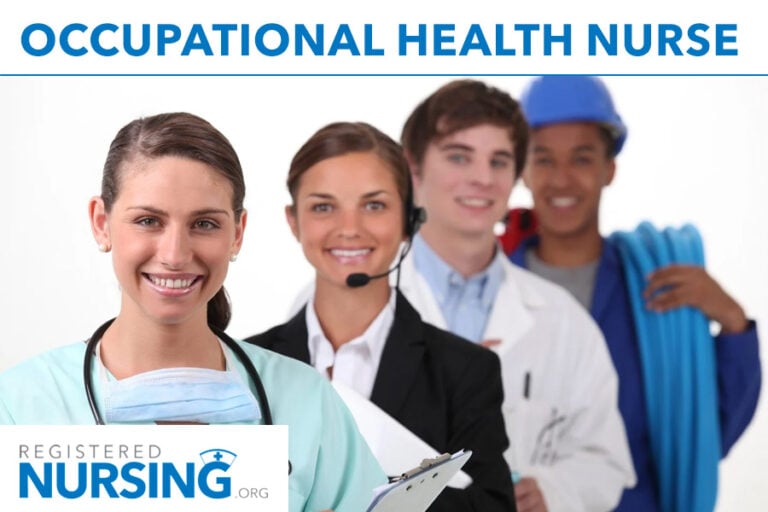
Conclusion: The Fiscal Reality of Health
In the final analysis, “what is an occupational health nurse?” is a question that finds its best answer on a balance sheet. They are the guardians of productivity and the architects of cost-avoidance. While their title suggests a focus on nursing, their impact is purely economic.
By bridging the gap between clinical excellence and financial strategy, the OHN ensures that a company’s growth is not sidelined by preventable health costs. For the modern business leader, the decision to integrate an occupational health nurse into the organizational structure is not just a HR decision—it is a sophisticated financial move designed to hedge against risk and maximize the long-term value of the company’s most vital resource. Investing in an OHN is, quite simply, good business.
aViewFromTheCave is a participant in the Amazon Services LLC Associates Program, an affiliate advertising program designed to provide a means for sites to earn advertising fees by advertising and linking to Amazon.com. Amazon, the Amazon logo, AmazonSupply, and the AmazonSupply logo are trademarks of Amazon.com, Inc. or its affiliates. As an Amazon Associate we earn affiliate commissions from qualifying purchases.