
In an era where we are surrounded by physical objects—from the sleek smartphone in your pocket to the ergonomic chair in your home office—we often take for granted the complex process that brought these items into existence. At the heart of this process is the industrial designer. But what exactly is an industrial designer, and why is their role becoming increasingly vital in a world dominated by rapid technological shifts and hyper-competitive branding?
An industrial designer is a professional who develops the concepts for manufactured products. They combine art, business, and engineering to create products that people use every day. Their focus isn’t just on how a product looks (aesthetics) but how it functions, how it is manufactured, and how it fits into a brand’s larger ecosystem. As we explore this profession through the lenses of technology, branding, and finance, we see that an industrial designer is much more than a “stylist”—they are the strategic architects of our physical reality.
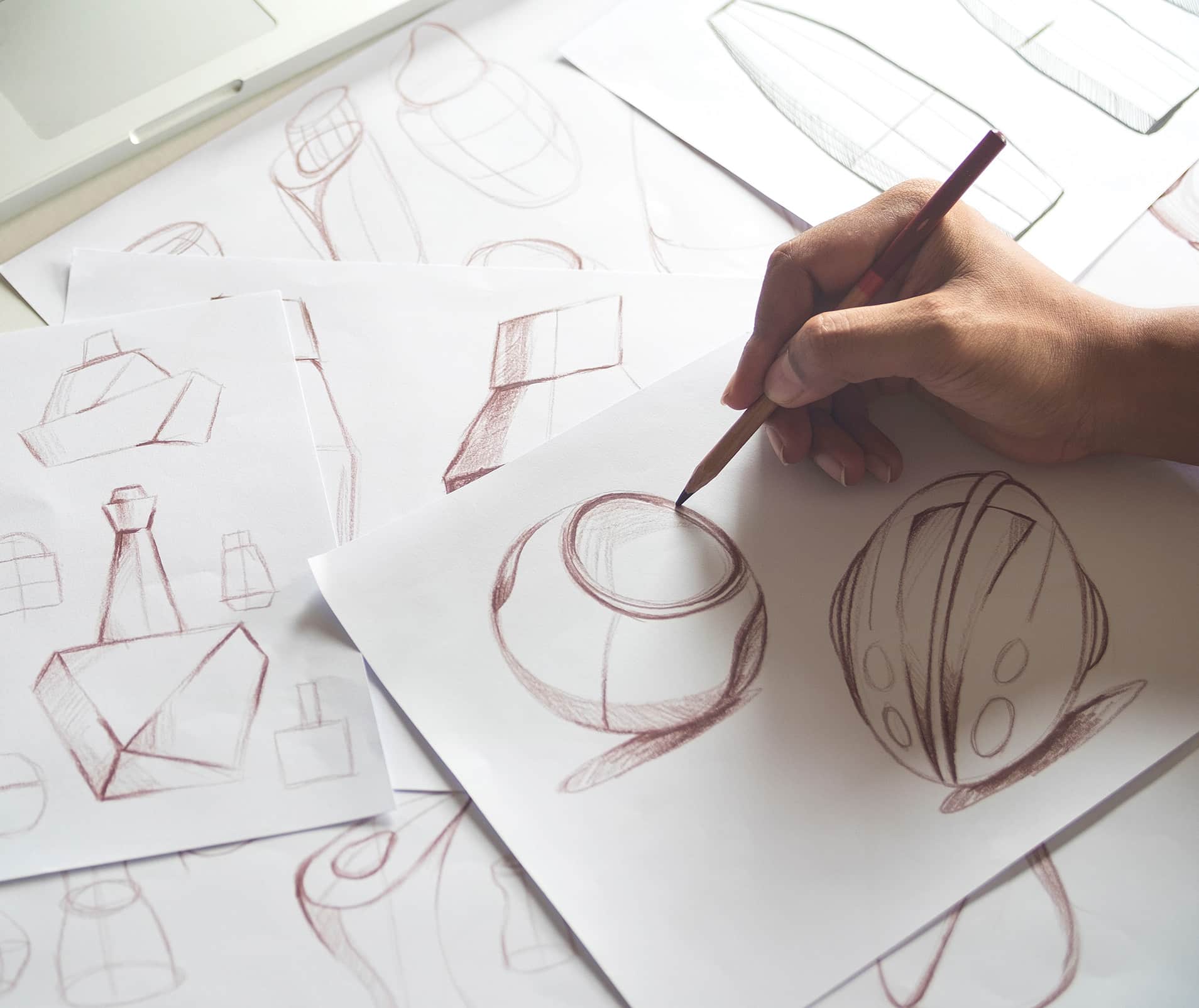
The Digital Evolution: How Technology Defines Modern Industrial Design
The days of drafting tables and manual clay modeling are not entirely gone, but the profession has been revolutionized by digital tools. Today, the “industrial” in industrial design refers as much to the digital manufacturing pipeline as it does to the assembly line.
The Power of CAD and Generative Design
In the modern tech landscape, an industrial designer must be a master of Computer-Aided Design (CAD) software. Tools like SolidWorks, Rhino, and Autodesk Fusion 360 allow designers to create precise 3D models that can be tested for structural integrity and mechanical functionality before a single physical prototype is ever made.
Furthermore, the rise of Generative Design—driven by AI algorithms—is shifting the designer’s role from “creator” to “curator.” By inputting specific parameters such as weight, material constraints, and strength requirements, AI can generate thousands of design iterations that a human might never conceive. The industrial designer then selects and refines the best options, drastically increasing productivity and pushing the boundaries of what is physically possible.
From Prototyping to 3D Printing
Technology has also democratized the prototyping phase. In the past, creating a prototype required expensive tooling and weeks of waiting. Now, industrial designers utilize high-speed 3D printing (additive manufacturing) to iterate in real-time. This “fail fast, fail often” approach allows designers to refine ergonomics and user interfaces (UI) within hours, ensuring that the final product is optimized for the end-user. Whether it is a wearable tech gadget or a new kitchen appliance, the integration of hardware and software is where the industrial designer truly shines.
The Brand Architect: Translating Values into Tangible Form
Beyond the technical specifications, an industrial designer is a key guardian of a company’s brand identity. In the world of marketing and corporate identity, a product is the most direct physical touchpoint a consumer has with a brand.
Visual Brand Language (VBL)
Think about the sleek, minimalist curves of an Apple MacBook or the rugged, high-performance aesthetic of a DeWalt power tool. These aren’t accidental choices. Industrial designers develop a Visual Brand Language (VBL)—a set of design cues (colors, materials, finishes, and shapes) that communicate what the brand stands for.
When a designer works on a product, they are asking: Does this look premium? Does it look reliable? Does it look innovative? By translating abstract brand values into physical forms, they help build brand equity and consumer loyalty. If a product feels “cheap” or is difficult to use, it damages the brand’s reputation far more than a bad social media ad ever could.
User Experience (UX) Beyond the Screen
While we often associate UX with apps and websites, industrial designers are the original practitioners of user experience. In the physical realm, this is often referred to as ergonomics and human factors. An industrial designer studies how a human hand grips a vacuum cleaner handle or how a driver interacts with a car dashboard.
In the modern “Brand” landscape, the “unboxing experience” and the tactile feel of a product are critical marketing tools. Industrial designers work closely with brand strategists to ensure that every interaction—from the moment a customer sees the product on a shelf to the way the buttons click—reinforces the brand’s promise of quality and innovation.
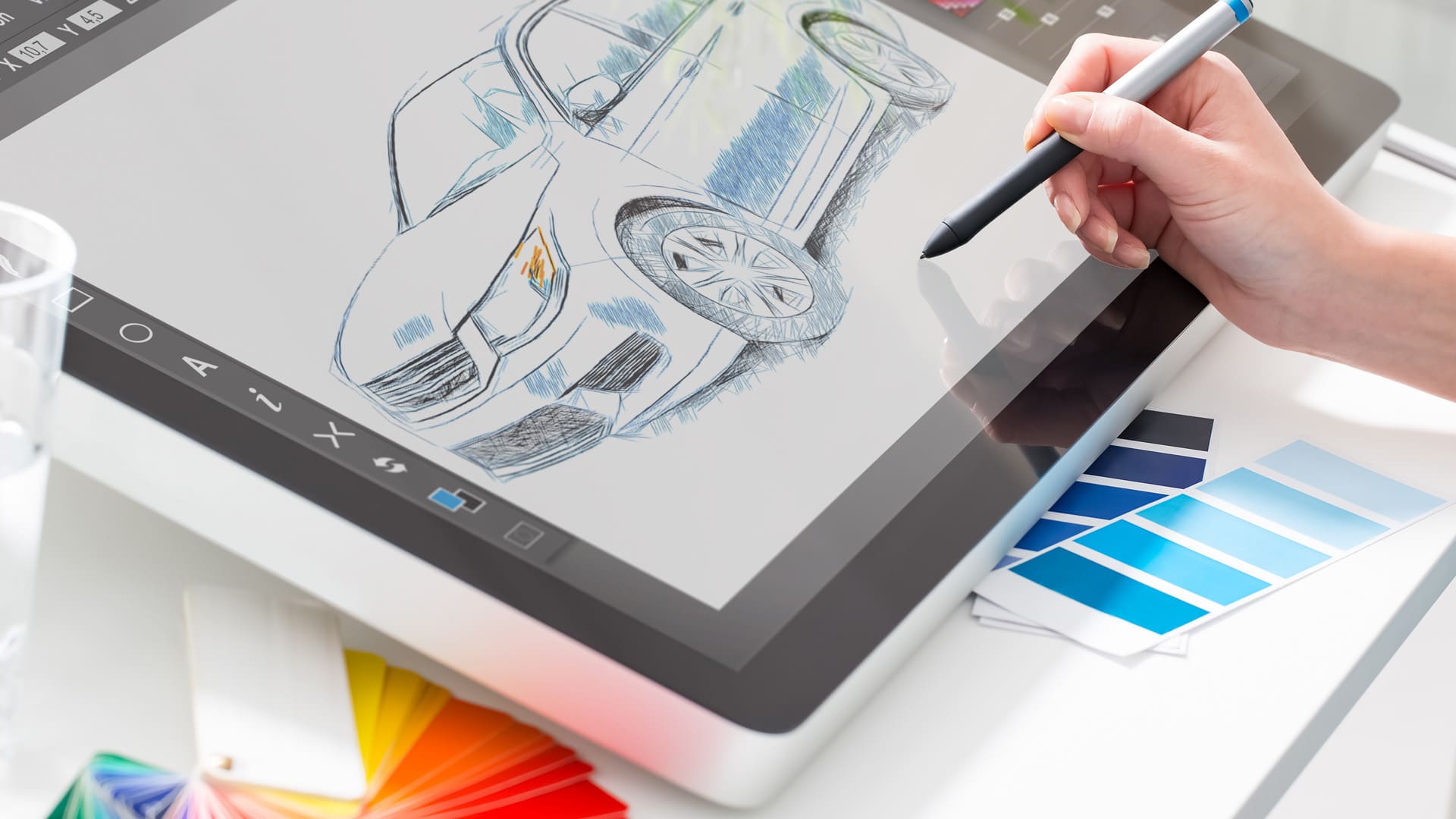
The Business of Design: ROI, Manufacturing, and Career Paths
From a “Money” perspective, industrial design is a high-stakes field. Developing a new physical product requires significant capital investment in research, materials, and manufacturing. The industrial designer serves as the bridge between a visionary idea and a profitable business reality.
The ROI of Good Design
Investing in professional industrial design provides a massive Return on Investment (ROI). A well-designed product can reduce manufacturing costs by simplifying the assembly process or choosing more cost-effective materials without sacrificing quality. Furthermore, “Design Thinking”—a problem-solving methodology used by industrial designers—helps businesses identify market gaps and consumer needs, leading to products that actually sell rather than just sit on shelves.
In the world of personal finance and investing, companies that prioritize design (like Tesla, Dyson, or Nike) often see higher valuations and stronger market positions. For the business owner, an industrial designer isn’t an expense; they are a revenue generator.
Career Outlook and Earning Potential
For those looking at industrial design as a career path, the financial landscape is diverse. Entry-level industrial designers in the tech sector can expect competitive salaries, often starting between $60,000 and $75,000 in the US, while senior designers at major tech hubs or design consultancies can earn well into the six figures.
Beyond traditional employment, many industrial designers leverage their skills for online income and side hustles. With the rise of the “creator economy,” designers are now:
- Selling 3D-printable files online.
- Launching products via crowdfunding platforms like Kickstarter.
- Consulting for startups on “Design for Manufacturing” (DFM).
- Creating digital assets for the metaverse and virtual environments.
The Future of Industrial Design: Sustainability and AI Integration
As we look toward the future, the role of the industrial designer is expanding into the realms of environmental stewardship and advanced digital security.
Circular Economy and Sustainability
One of the most significant trends in “Money” and “Brand” today is sustainability. Modern industrial designers are tasked with moving away from “planned obsolescence” toward a circular economy. This involves designing products that are easy to repair, disassemble, and recycle. Brands that lead in sustainability are seeing increased consumer trust and are better positioned to navigate future environmental regulations. The designer’s choice of a bio-plastic over a traditional polymer is now a strategic business decision as much as an aesthetic one.
Designing for the Smart Home and IoT
As our homes become smarter, industrial designers are at the forefront of the Internet of Things (IoT). They are no longer just designing “dumb” objects; they are designing interfaces for connected devices. This requires a deep understanding of digital security and data privacy. A smart lock or a home security camera must look non-intrusive and friendly (Brand) while being technically sophisticated and secure (Tech).

Conclusion: The Multi-Disciplinary Master
To answer the question “What is an industrial designer?” one must look at the intersection of various disciplines. They are the individuals who take a nebulous idea and turn it into a mass-produced reality that functions flawlessly, looks beautiful, and makes financial sense.
In the context of Tech, they are the masters of CAD and AI-driven innovation. In the context of Brand, they are the visual storytellers who give a company its physical voice. And in the context of Money, they are the efficiency experts who ensure that a product is viable in a global marketplace.
Whether you are an entrepreneur looking to launch the next big gadget, a student considering a career in design, or a consumer curious about the origins of your favorite products, understanding the role of the industrial designer is key to understanding the modern world. They are the silent engineers of our daily lives, shaping the future one product at a time.
aViewFromTheCave is a participant in the Amazon Services LLC Associates Program, an affiliate advertising program designed to provide a means for sites to earn advertising fees by advertising and linking to Amazon.com. Amazon, the Amazon logo, AmazonSupply, and the AmazonSupply logo are trademarks of Amazon.com, Inc. or its affiliates. As an Amazon Associate we earn affiliate commissions from qualifying purchases.