
When we talk about global street food icons, few items carry the weight of tradition and the potential for modern business scaling quite like the huarache. Originating from the bustling streets of Mexico City, the huarache is more than just a meal; it is a masterclass in culinary architecture. However, in today’s hyper-connected world, understanding “what is a huarache” requires looking beyond the plate. It involves examining how technology, brand strategy, and financial models are transforming this humble masa-based dish into a global gastronomic phenomenon.

Understanding the Huarache: A Deep Dive into Culinary Heritage
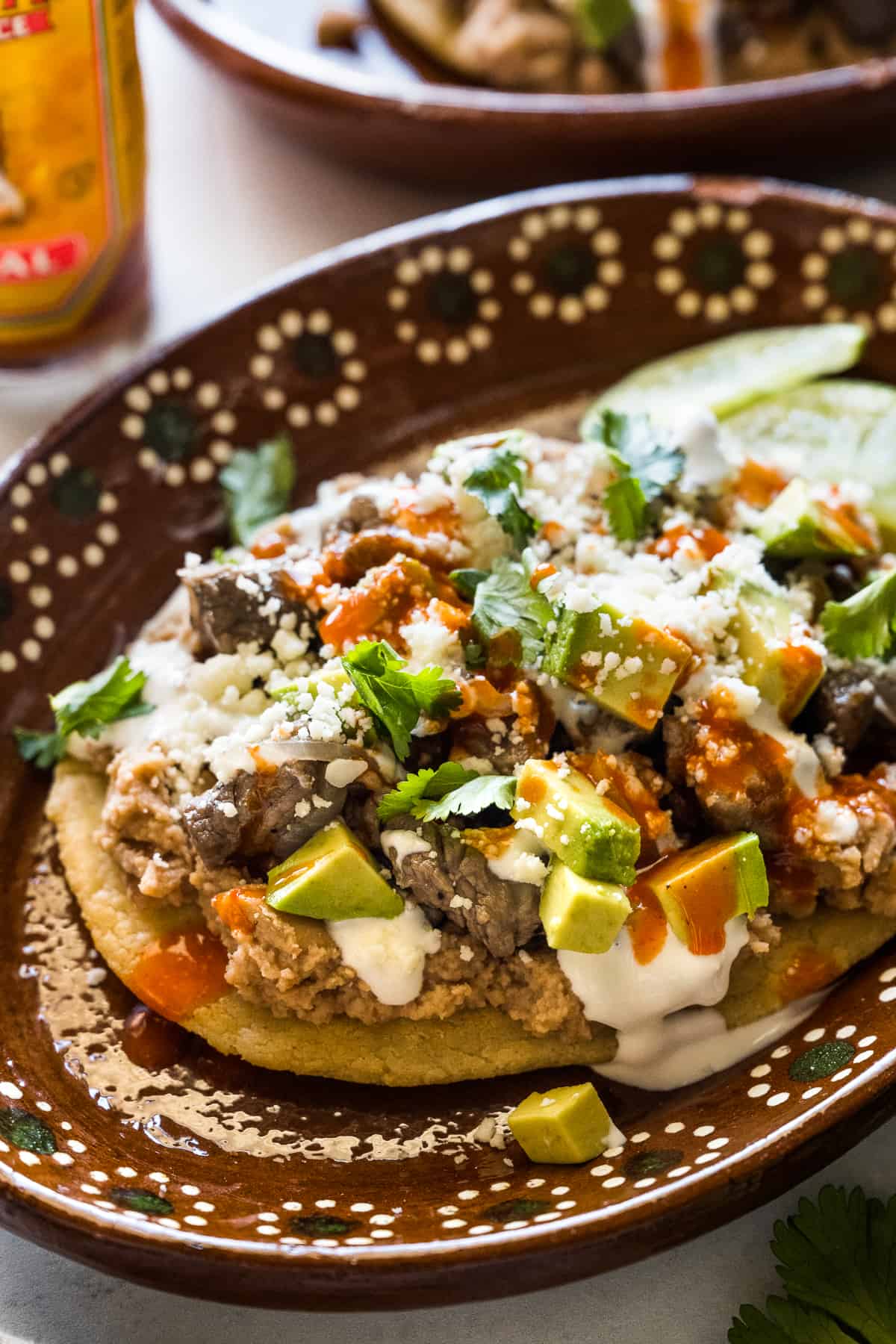
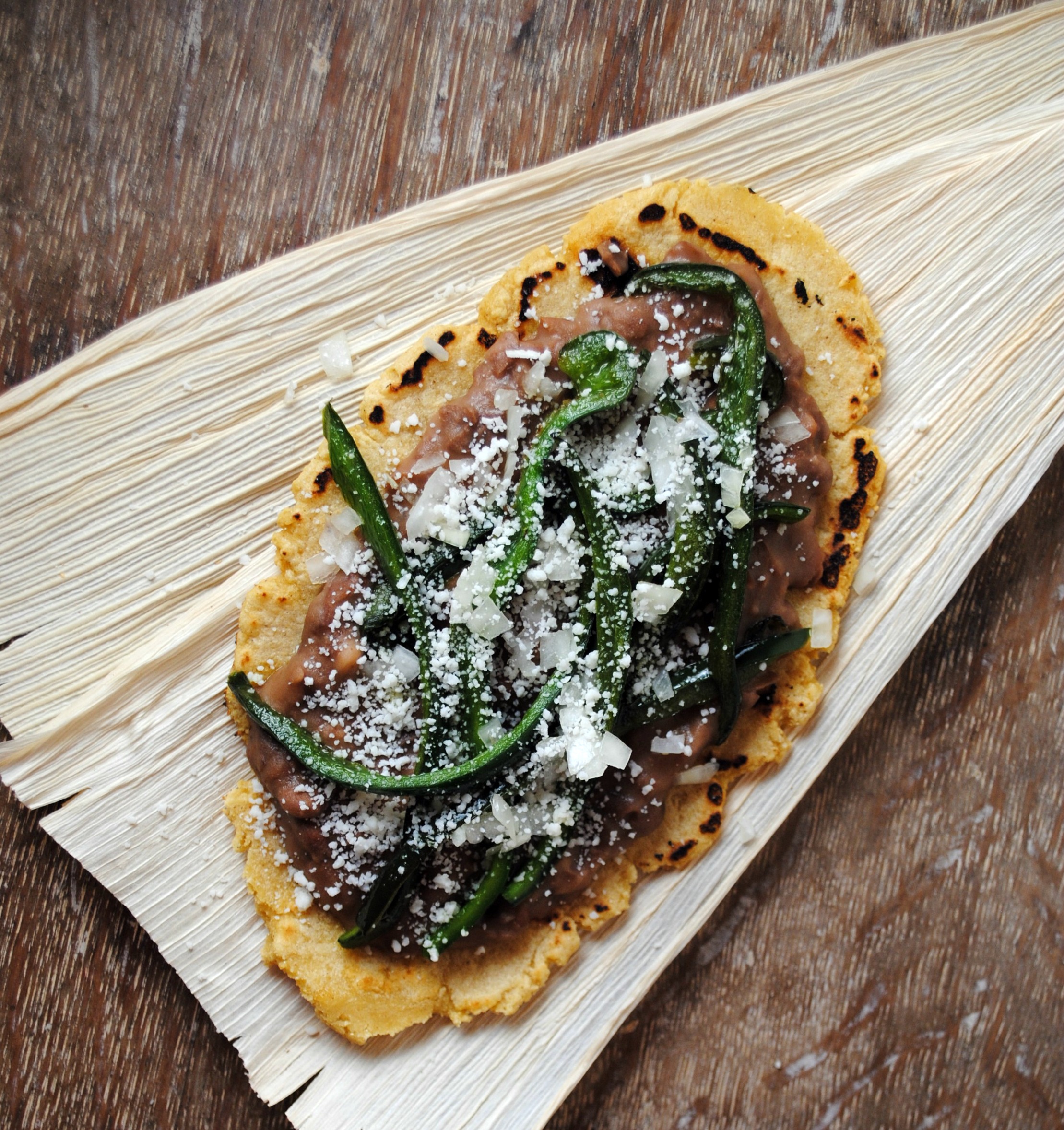
At its core, a huarache is a popular Mexican dish consisting of an oblong, fried masa (corn dough) base. The name “huarache” is derived from the traditional Mexican sandal of the same name, which the shape of the dough closely resembles. Unlike a taco or a tostada, the huarache is characterized by its thickness and its unique filling—usually smashed pinto beans infused directly into the masa before it is flattened and cooked.
The Anatomy of an Authentic Huarache
The construction of a huarache is a precise art. The base is typically grilled on a comal (a flat griddle) or lightly fried. Once the base is crisp on the outside and tender on the inside, it is layered with a variety of toppings. Traditional options include:
- Proteins: Carne asada, al pastor, chorizo, or even more adventurous options like lengua (beef tongue).
- Fresh Produce: Shredded lettuce, diced onions, and cilantro.
- The “Holy Trinity”: Queso fresco, crema (Mexican sour cream), and a signature salsa (roja or verde).
A Brief History of Innovation
The huarache is relatively young compared to ancient staples like the tamale. It was popularized in the 1930s by Mrs. Carmen Gómez Medina at the Canal de la Viga in Mexico City. Her “brand” began as a small stall, but her unique method of stretching the masa into a sandal shape captured the public’s imagination. This early example of “product differentiation” is what initially set the huarache apart from the crowded field of Mexican street foods.
The Branding of Authenticity: How the Huarache Conquered Global Markets
In the modern marketplace, a food item is only as strong as its brand identity. The huarache has successfully transitioned from a local Mexican staple to a global “brand” that represents authenticity and craftsmanship.
Personal Branding for Culinary Entrepreneurs
For many street vendors and “ghost kitchen” operators, the huarache serves as a centerpiece for personal branding. By focusing on a niche, specialized item, chefs can build a reputation for mastery. In the digital age, a vendor’s brand strategy often starts on Instagram or TikTok, where the visual appeal of a foot-long, colorful huarache becomes viral content. This is “organic marketing” at its finest—leveraging the aesthetic of the food to build a corporate identity that feels grassroots and authentic.
Case Studies in Brand Scaling
Consider how high-end Mexican restaurants in New York, London, or Tokyo use the huarache. They don’t just sell food; they sell a “case study” in tradition. By elevating the ingredients—using non-GMO heirloom corn or wagyu beef—they reposition the huarache from “cheap street food” to a “premium brand experience.” This shift in brand strategy allows for higher price points and attracts a demographic interested in “gastronomic tourism.”
The Tech-Enabled Kitchen: Modern Tools Shaping the Future of Mexican Cuisine
While the huarache is traditional, the way it is produced, marketed, and delivered is increasingly driven by technology. The intersection of “FoodTech” and traditional Mexican cuisine is a burgeoning field.
AI and Recipe Personalization
Artificial Intelligence is now being used to analyze flavor profiles and consumer preferences. Software tools can help restaurant owners optimize their menus, suggesting the perfect salsa pairings based on seasonal trends. For example, an AI tool might analyze local data to determine that “smoky chipotle” is trending in a specific zip code, prompting a huarache vendor to adjust their daily specials.
Apps and Productivity in the Kitchen
The modern “huarachero” (huarache maker) uses more than just a comal. Productivity apps help manage inventory, ensuring that fresh masa and perishable toppings never go to waste. Furthermore, delivery apps like UberEats and DoorDash have fundamentally changed the “UX” (User Experience) of eating a huarache. To maintain the quality of a fried masa base during delivery, tech-driven packaging solutions have been developed to manage heat and moisture, ensuring the product arrives “crisp,” not “soggy.”
Digital Security for Small Businesses
As food stalls move toward cashless transactions, digital security has become paramount. Small business owners must now navigate the world of encrypted payment processors and secure Wi-Fi networks to protect customer data. A “digital breach” at a popular taco truck can ruin a brand’s reputation just as quickly as a food safety issue.
The Economics of the Huarache: From Side Hustle to Scalable Business
From a “Money” perspective, the huarache represents a low-barrier-to-entry business model that offers significant ROI (Return on Investment).
The “Side Hustle” Entry Point
For many looking for “online income” or “side hustles,” the food industry offers a unique path. One doesn’t need a full-scale restaurant to start. The “Huarache Business Model” often begins as a weekend pop-up or a specialized catering service. Because the raw ingredients—corn flour, beans, and seasonal vegetables—are relatively inexpensive, the profit margins on a well-marketed huarache can be impressive.
Investing in the Culinary Industry
For those interested in “Investing,” the rise of “fast-casual” Mexican chains proves that there is significant money in scaling traditional dishes. Investors are looking for “Brand Strategy” that combines traditional flavors with modern efficiency. The “Huarache” is a prime candidate for this because it is customizable, filling, and visually distinct, making it an ideal product for a franchise model.
Financial Tools for Food Entrepreneurs
Modern financial tools allow huarache vendors to track their “burn rate” and “customer acquisition cost” with the same precision as a Silicon Valley startup. Using cloud-based accounting software, a vendor can see exactly which toppings provide the best margins, allowing them to pivot their “Business Finance” strategy in real-time.
The Future of the Huarache: A Synthesis of Tradition and Innovation
As we look toward the future, the huarache will continue to evolve at the crossroads of technology, brand, and money. We are already seeing the emergence of:
- Sustainable Tech: Solar-powered food trucks specializing in authentic Mexican cuisine.
- Blockchain in Sourcing: Using digital ledgers to prove the “Brand Story” of the corn used in the masa—tracking it from a specific farm in Oaxaca to the customer’s plate.
- Virtual Reality (VR) Dining: Experiences where customers can “visit” the streets of Mexico City virtually while enjoying a huarache delivered to their home.
The huarache is more than just “food.” It is a vessel for cultural expression, a platform for technological integration, and a viable economic engine for entrepreneurs worldwide. Whether you are a foodie looking for your next favorite meal, a tech enthusiast interested in the latest kitchen gadgets, or a business strategist looking for the next big branding opportunity, the huarache offers a wealth of insights.
In conclusion, when someone asks, “what is a huarache food?” the answer isn’t just “a masa cake with beans.” The real answer is that the huarache is a dynamic intersection of heritage and the modern digital economy. It is a testament to how traditional products can thrive in a world dominated by AI, digital marketing, and complex financial ecosystems, provided they maintain their “Brand Identity” and embrace the tools of the future.
aViewFromTheCave is a participant in the Amazon Services LLC Associates Program, an affiliate advertising program designed to provide a means for sites to earn advertising fees by advertising and linking to Amazon.com. Amazon, the Amazon logo, AmazonSupply, and the AmazonSupply logo are trademarks of Amazon.com, Inc. or its affiliates. As an Amazon Associate we earn affiliate commissions from qualifying purchases.