
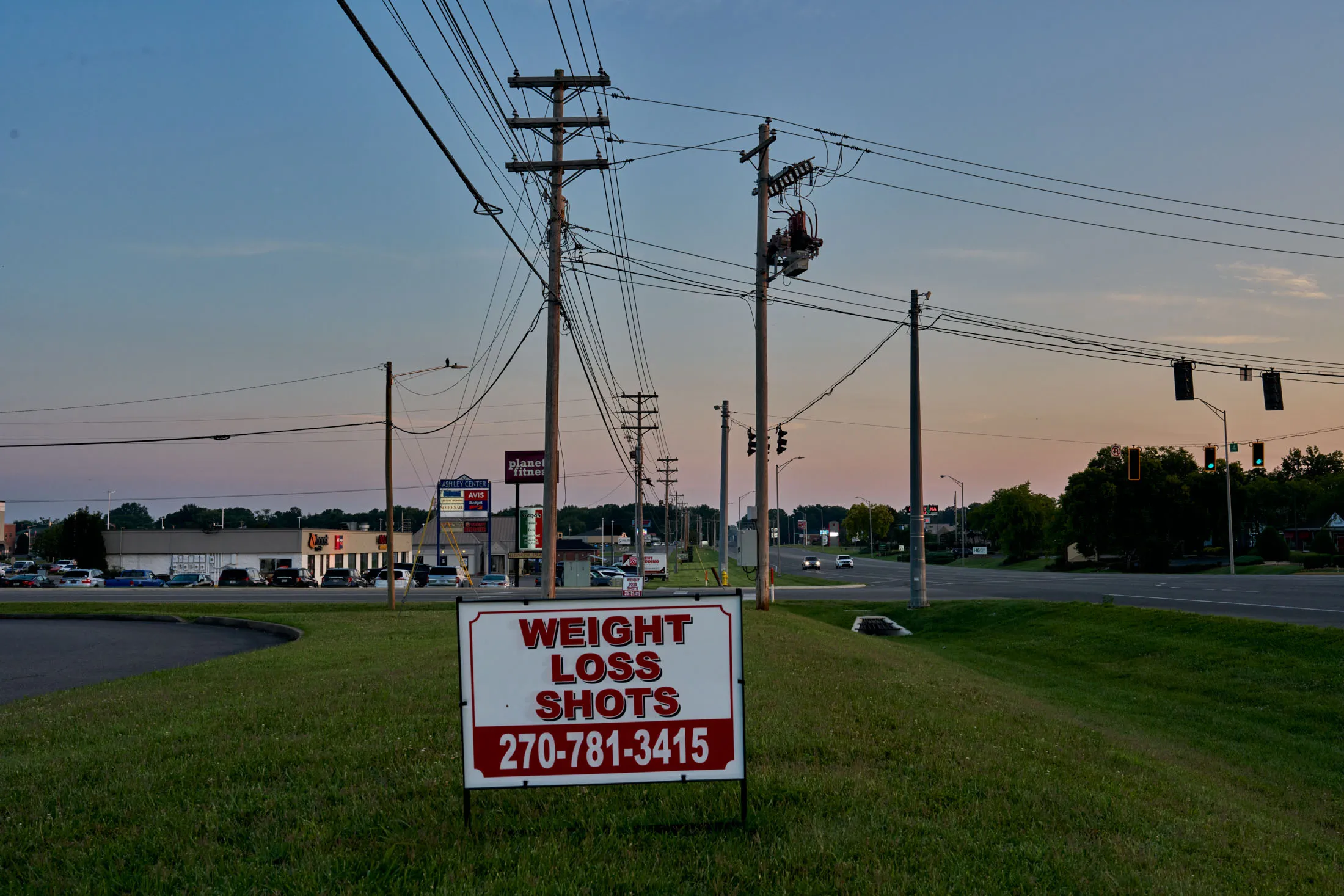
The rise of GLP-1 receptor agonists, most notably Ozempic and Wegovy, is often framed as a medical breakthrough or a cultural phenomenon. However, when these medications “take over a town,” the most profound and lasting impacts are not just physiological—they are fiscal. We are witnessing the birth of a “GLP-1 economy,” a structural shift in how money flows through local businesses, healthcare systems, and personal brokerage accounts.
When a significant percentage of a population suppresses their appetite and alters their consumption habits via semi-glutide injections, the ripple effects move through the supply chain like a seismic wave. From the local grocery aisle to the municipal health budget, the economic landscape of the average town is being rewritten in real-time.
The Local Economy: A Structural Shift in Consumer Spending
The most immediate financial impact of Ozempic taking over a town is felt at the point of sale. Traditional retail and hospitality models are built on the assumption of consistent, often impulse-driven, caloric consumption. When a town’s collective appetite shrinks, the “wallet share” traditionally reserved for food and beverage begins to migrate elsewhere.
The “Ozempic Effect” on Grocery and Retail
For decades, grocery store layouts and inventory management have been optimized for high-margin, calorie-dense products. Sweet snacks, carbonated beverages, and ultra-processed prepared meals drive significant revenue. As Ozempic usage scales, data from analysts like Morgan Stanley suggests a measurable dip in the consumption of high-sugar and high-fat foods.
In a town saturated with GLP-1 users, the local supermarket sees a decline in the “basket size” of snack aisles. Conversely, there is an uptick in the demand for high-quality proteins, nutrient-dense produce, and smaller portion sizes. For the retailer, this is a double-edged sword: while produce offers lower margins and higher spoilage risks than boxed crackers, the premium pricing of “health-focused” products can offset some losses. The financial reality for the town’s retail sector is a forced pivot toward quality over quantity.
The Restaurant and Hospitality Pivot
The business model of the average American restaurant relies heavily on appetizers, desserts, and alcohol—the three categories most frequently abandoned by GLP-1 patients. Alcohol, in particular, is a high-margin lifeline for the hospitality industry. Reports indicate that many Ozempic users experience a reduced desire for booze, leading to a “sober-curious” town culture that hits the bottom line of local bars and bistros.
To survive, local restaurateurs must restructure their pricing. We are seeing the emergence of “nutrient-dense” menus and smaller, high-end “tasting” portions that carry a price tag similar to a full entree. The economic survival of Main Street dining now depends on catering to a customer who eats 30% less but is willing to pay for 100% of the experience.
The Healthcare Cost-Benefit Analysis: Personal and Municipal Finance
While the retail sector faces challenges, the healthcare financial landscape experiences a complex push-and-pull. The cost of these medications is staggering, often exceeding $1,000 per month without insurance. When a town is “taken over” by these drugs, the local healthcare economy must grapple with the tension between immediate high costs and potential long-term savings.
The High Barrier to Entry: Personal Financial Burdens
For the individual resident, Ozempic represents a massive line item in the family budget. In towns where insurance coverage is spotty, we see a “wealth gap” in health. Households may sacrifice other discretionary spending—vacations, new vehicles, or home improvements—to fund their monthly prescriptions. This redirects capital away from the local service economy and toward global pharmaceutical giants.
Furthermore, the rise of “compounding pharmacies” in smaller towns has created a secondary local economy. These businesses offer lower-cost, off-label versions of the drug, keeping more money within the town limits but raising questions about long-term regulatory costs and liability.
Long-term Savings vs. Short-term Budgeting
On a municipal level, the financial outlook is more optimistic but fraught with timing issues. Obesity is linked to a myriad of expensive chronic conditions, including Type 2 diabetes, hypertension, and cardiovascular disease. A town with a healthier, Ozempic-using population could theoretically see a reduction in long-term public health expenditures and lower disability claims.
However, for local government employers and small businesses providing health insurance, the “Ozempic takeover” creates a short-term budgetary crisis. The immediate surge in premium costs to cover these expensive drugs can strain a town’s treasury long before the savings from reduced heart attacks or dialysis treatments are realized. The financial management of this transition period is the greatest challenge facing local CFOs today.

The Rise of the “GLP-1 Economy”: New Business Opportunities
While some sectors shrink, others are exploding. The economic “takeover” of a town by Ozempic creates a vacuum that new entrepreneurs and established businesses are rushing to fill. This is not just about the drug itself; it is about the “wraparound” economy that supports a changing lifestyle.
The Secondary Market and Wellness Services
As residents lose significant weight, the local economy sees a spike in specific service sectors. Plastic surgery and “med-spa” clinics are seeing record revenues as patients seek treatments for skin laxity—the so-called “Ozempic face” or “Ozempic body.” This is a high-revenue, cash-pay business that brings affluent consumers into the town’s commercial districts.
Additionally, the fitness industry is evolving. Traditional “weight loss” gyms are being replaced by “muscle preservation” studios. Because GLP-1 drugs can lead to the loss of lean muscle mass, there is a burgeoning market for high-intensity resistance training and protein-heavy nutritional coaching. This represents a shift from “burning calories” to “building strength,” creating a new niche for specialized trainers and supplement retailers.
Real Estate and the Changing Face of Main Street
The aesthetic of a town changes when its residents’ habits change. We are beginning to see a shift in commercial real estate demand. As large-scale fast-food franchises potentially face declining traffic, there is more room for boutique wellness centers, high-end apparel shops (catering to those needing an entirely new wardrobe), and specialized grocers.
The “Ozempic town” is likely to see a gentrification of its commercial corridors. As the population becomes more health-conscious and potentially more productive (due to fewer chronic ailments), property values in areas with high “walkability” and access to wellness infrastructure may see a premium. The financial value of a zip code is increasingly being tied to the health metrics of its inhabitants.
Corporate Giants and Global Markets: The Dominance of Novo Nordisk and Eli Lilly
To understand what happens when Ozempic takes over your town, one must look at the macro-financial forces at play. The money being spent on these drugs doesn’t just disappear; it fuels some of the most powerful corporate engines in history, which in turn affects the retirement accounts and investment portfolios of the town’s residents.
Market Capitalization and National GDP Impacts
The financial success of Novo Nordisk (the maker of Ozempic and Wegovy) has been so profound that it has single-handedly influenced the GDP of Denmark. On a local level, residents who were early investors in these pharmaceutical giants have seen their personal net worths skyrocket. In many ways, the “Ozempic takeover” is funded by the stock market’s anticipation of its success.
This creates a feedback loop. As more people in a town use the drug, the stock prices of the manufacturers rise, enriching the 401(k)s of the residents, who then have more disposable income to spend on the “wellness economy” mentioned earlier. We are seeing a concentration of wealth within the “Biotech-Healthcare” sector that is reshaping global investment strategies.
The Ripple Effect on Insurance and Corporate Benefits
Finally, the “takeover” forces a total renegotiation of corporate finance. Large employers within a town—factories, school districts, and hospitals—are currently locked in intense negotiations with Pharmacy Benefit Managers (PBMs). The decision to cover or not cover GLP-1s is the most significant financial decision a benefits manager will make this decade.
If a major local employer decides to cover the drug, it effectively injects millions of dollars of pharmaceutical value into the local population, but at the cost of potential wage stagnation as the company absorbs the premium hikes. If they refuse to cover it, the financial burden falls on the individual, potentially leading to increased consumer debt. In either scenario, Ozempic is the primary lever controlling the flow of corporate capital in the community.
Conclusion: The New Fiscal Reality
When Ozempic takes over a town, it does more than change the waistlines of the inhabitants; it recalibrates the local economy. The shift from a consumption-based “calorie economy” to a high-margin “wellness economy” is a structural transformation that will define the next twenty years of business.
While the “Ozempic Effect” poses a threat to traditional snack food giants and fast-food franchises, it opens the door for innovation in healthcare, retail, and fitness. For the town’s financial leaders, the challenge lies in managing the transition—balancing the high upfront cost of these life-changing medications against the long-term economic promise of a healthier, more productive, and more active citizenry. The “town on Ozempic” is a preview of a future where health and finance are more inextricably linked than ever before.
aViewFromTheCave is a participant in the Amazon Services LLC Associates Program, an affiliate advertising program designed to provide a means for sites to earn advertising fees by advertising and linking to Amazon.com. Amazon, the Amazon logo, AmazonSupply, and the AmazonSupply logo are trademarks of Amazon.com, Inc. or its affiliates. As an Amazon Associate we earn affiliate commissions from qualifying purchases.