
The allure of a diamond lies not just in its sparkle, but in its profound symbolism of purity, endurance, and love. Among the famed “4 Cs” of diamond grading – Cut, Color, Carat, and Clarity – clarity often presents the most nuanced discussion. While its impact on a diamond’s visual appeal is undeniable, determining “what is a good clarity for a diamond” is less about a single definitive answer and more about understanding the intricate balance between aesthetic perfection, technological assessment, brand trust, and financial prudence. In an era where digital tools empower consumers and brand narratives shape purchasing decisions, dissecting diamond clarity requires a holistic approach that goes beyond the gemological loupe.

Understanding Diamond Clarity: The Foundation of Purity
At its core, diamond clarity refers to the absence of inclusions (internal characteristics) and blemishes (external characteristics). These natural birthmarks are formed during the diamond’s creation deep within the Earth’s crust, making each stone uniquely identifiable. The fewer and smaller these characteristics, the higher the clarity grade, and generally, the greater the diamond’s value. However, the true beauty of a diamond often lies in what is visible to the naked eye, a concept known as “eye-cleanliness.”
The 4Cs and Clarity’s Role
The 4Cs — Cut, Color, Carat, and Clarity — were developed by the Gemological Institute of America (GIA) as a universal method for assessing the quality of any diamond. While each C contributes significantly to a diamond’s overall beauty and value, clarity plays a crucial role in determining its perceived purity.
- Cut: Often considered the most important C, as it dictates how well a diamond interacts with light, influencing its brilliance, fire, and scintillation. Even a high-clarity diamond will appear dull if its cut is poor.
- Color: Refers to the absence of color in white diamonds, with truly colorless diamonds being the rarest and most valuable. Color can sometimes mask or enhance the visibility of inclusions.
- Carat: The diamond’s weight, not size. Larger diamonds generally cost more, and clarity becomes more critical in larger stones as inclusions can be more apparent.
- Clarity: The focus of our discussion, it measures the absence of inclusions and blemishes. A diamond with fewer internal flaws allows more light to pass through unimpeded, contributing to its sparkle, but more importantly, to its perception of flawless purity.
Understanding the interplay between these Cs is vital. For instance, a larger carat diamond often demands a higher clarity grade to maintain eye-cleanliness, whereas a brilliant cut can sometimes mask minor inclusions.
Decoding the GIA Clarity Scale
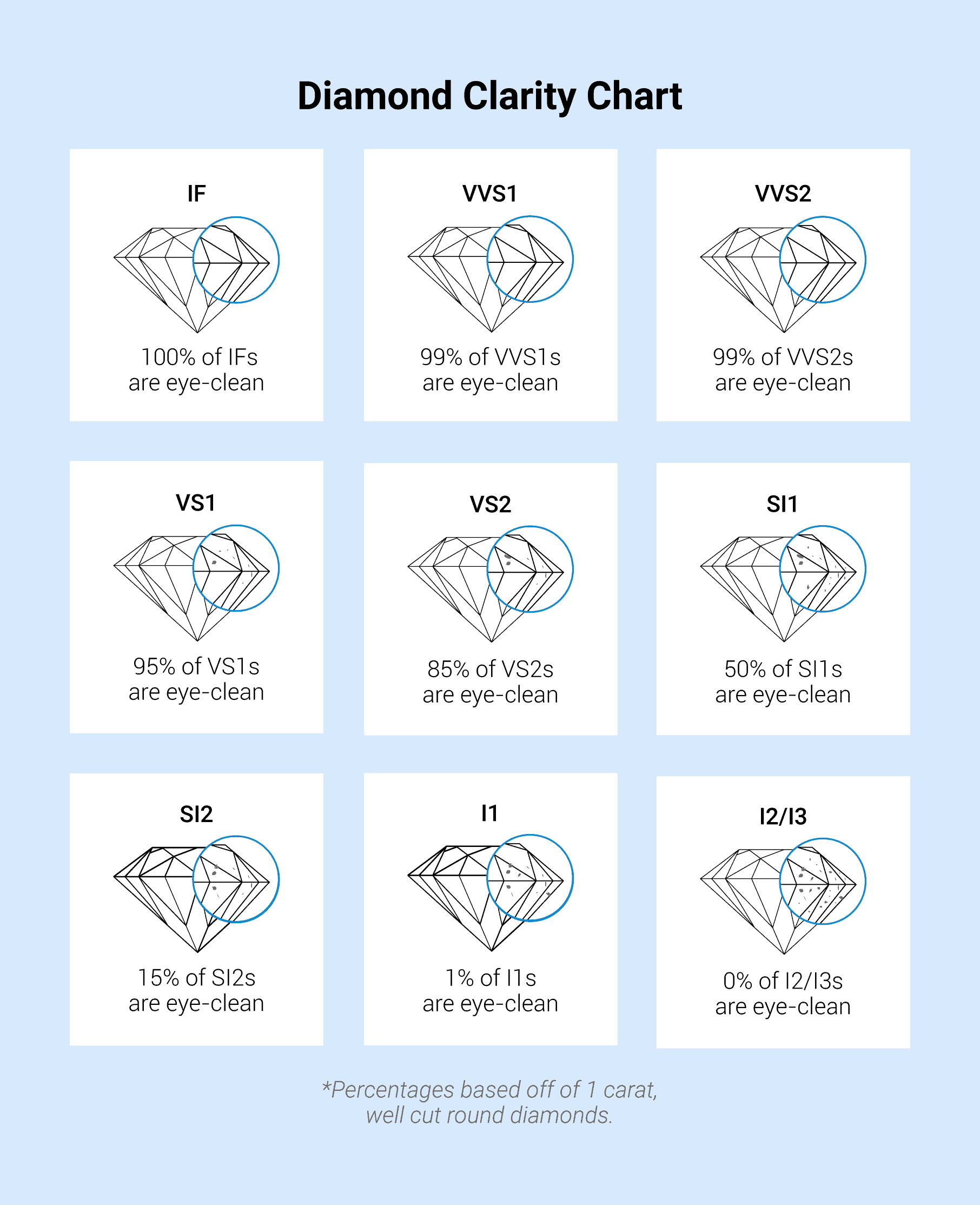
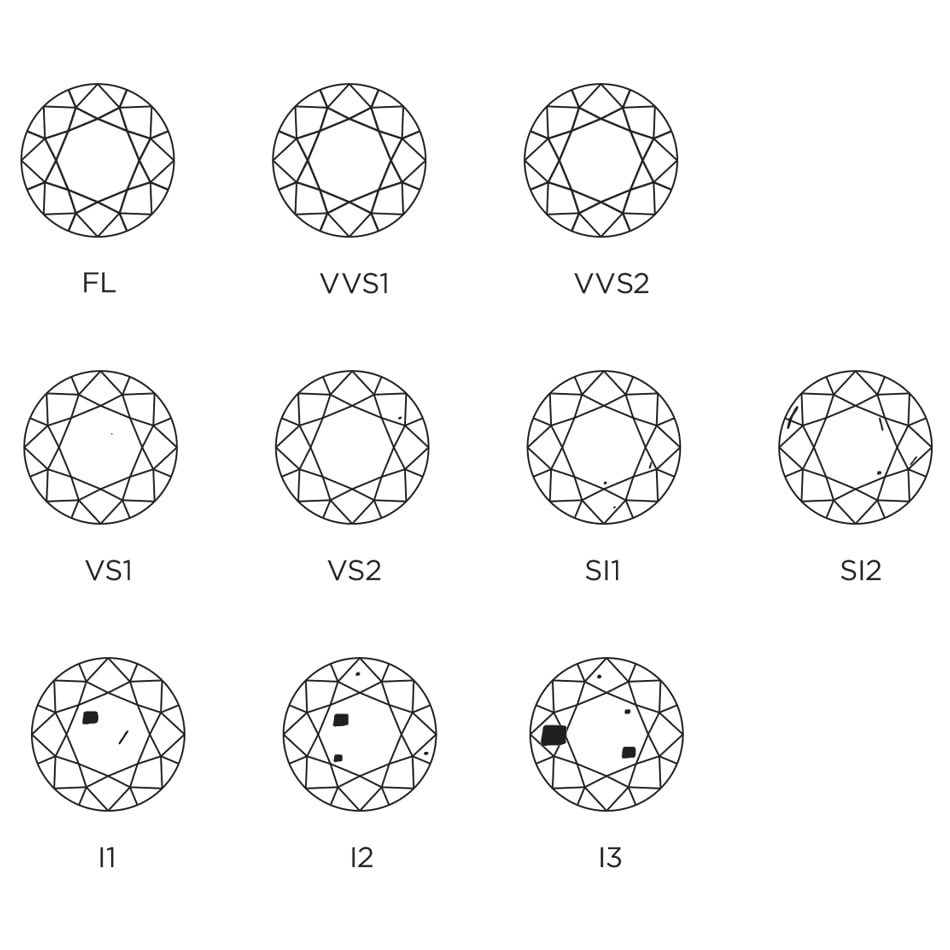
The GIA clarity scale is the most widely accepted standard for grading diamonds. It categorizes diamonds into 11 specific grades, ranging from Flawless (FL) to Included (I3):
- FL (Flawless): No inclusions or blemishes visible under 10x magnification. Extremely rare and highly prized.
- IF (Internally Flawless): No inclusions visible under 10x magnification, only minor blemishes on the surface. Also very rare.
- VVS1, VVS2 (Very, Very Slightly Included): Inclusions are so minute they are extremely difficult for a skilled grader to see under 10x magnification. Often referred to as “eye-clean.”
- VS1, VS2 (Very Slightly Included): Inclusions are minor and range from difficult to somewhat easy to see under 10x magnification. Most VS diamonds are “eye-clean,” especially VS2. This is a very popular range.
- SI1, SI2 (Slightly Included): Inclusions are noticeable under 10x magnification. Many SI1 diamonds are eye-clean, especially those with white or perimeter inclusions. SI2 diamonds often have inclusions visible to the naked eye. This range represents excellent value for money if eye-cleanliness can be confirmed.
- I1, I2, I3 (Included): Inclusions are obvious under 10x magnification and may affect transparency and brilliance, and are usually visible to the naked eye. These are generally not recommended for engagement rings where appearance is paramount.
For most consumers, a “good clarity” diamond typically falls within the VS1 to SI1 range. Diamonds in these grades often appear “eye-clean” to the unaided eye, offering excellent visual appeal without the premium price tag associated with FL or IF grades. The goal is often to find the highest clarity within one’s budget that achieves this crucial eye-clean threshold.
The Intersection of Clarity and Value: A Financial Perspective
Purchasing a diamond is not merely an emotional decision; it’s a significant financial investment. Understanding how clarity influences pricing, budgeting, and potential resale value is crucial, especially when navigating the complex world of personal finance and luxury goods.
Budgeting for Brilliance: Balancing Clarity with Cost
For most buyers, budget is a primary consideration. The exponential increase in price as one moves up the clarity scale, particularly above VS2, means that allocating funds wisely across the 4Cs is paramount. A “good clarity” from a financial standpoint is often the highest clarity grade you can afford that remains eye-clean.
- Strategic Allocation: Instead of fixating on a theoretically perfect FL grade, savvy buyers might opt for a VS2 or SI1 diamond that appears identical to the naked eye, allowing them to reallocate funds towards a larger carat weight, a superior cut, or a more desirable color grade. This approach, often facilitated by robust financial tools and comparison platforms, maximizes the visual impact for a given budget.
- Cost-Benefit Analysis: Every jump in clarity grade, especially at the higher end, comes with a substantial price increase. A diamond in the FL-IF range can cost significantly more than a VS1 diamond, even if both appear eye-clean. Understanding this diminishing return on investment for visual appeal versus cost is key to making a financially sound decision. This is where personal finance wisdom comes into play, guiding consumers to make informed choices that align with their economic goals.
Clarity as an Investment: Resale Value and Market Dynamics
While diamonds are often considered emotional purchases, some consumers do consider their potential as an asset. When evaluating clarity from an investing perspective, several factors come into play:
- Rarity vs. Demand: FL and IF diamonds are rare, and rarity often commands a premium. However, the market for reselling diamonds, particularly loose stones, is highly specialized. The liquidity of such an “investment” needs careful consideration.
- Grading Standards: A reputable grading report (GIA, AGS) is essential for authenticating a diamond’s clarity and value. The market relies heavily on these consistent standards.
- Market Trends: Like any luxury commodity, diamond prices can fluctuate. Understanding current market trends – including the growing popularity of lab-grown diamonds (which inherently have fewer clarity issues and lower costs) – is important for anyone considering a diamond for investment purposes.
- The “Liquidity Trap”: Diamonds, especially smaller or lower-grade ones, can be difficult to liquidate at or above purchase price. The secondary market often applies a significant discount. High-clarity, large, and well-cut diamonds from reputable sources tend to hold their value better, but even then, they are not typically considered liquid investments like stocks or bonds. For those interested in online income or side hustles related to luxury goods, understanding this market nuance is critical.
From a business finance perspective, jewelers must carefully manage their inventory, balancing high-clarity, high-cost stones with more accessible eye-clean options to meet diverse customer demands and profit margins.
Tech-Driven Precision: Modernizing Diamond Clarity Assessment and Purchase
Technology has revolutionized how diamonds are graded, bought, and sold, bringing unprecedented levels of precision, transparency, and accessibility to the clarity assessment process. From advanced imaging to AI-powered insights, Tech trends are fundamentally reshaping the diamond industry.
AI, Advanced Imaging, and the Future of Grading
Traditionally, diamond clarity grading has been a highly skilled, subjective art performed by trained gemologists using a 10x loupe. While human expertise remains invaluable, technology is increasingly augmenting and standardizing this process:
- Automated Clarity Grading Systems: Companies are developing sophisticated scanners and AI tools that can map a diamond’s internal structure in 3D, identify inclusions, and even suggest clarity grades. These systems use algorithms trained on vast datasets of graded diamonds, offering potentially higher consistency and objectivity, reducing human error, and speeding up the grading process.
- High-Resolution Digital Imaging: Modern online retailers provide customers with extremely high-resolution images and 360-degree videos of diamonds. These “super-loupes” allow buyers to zoom in far beyond what a physical 10x loupe offers, making even tiny inclusions visible. This software provides unprecedented transparency, enabling consumers to precisely verify eye-cleanliness and the specific nature of inclusions before purchase.
- Spectroscopy and Advanced Analytics: Beyond visual assessment, technologies like spectroscopy can identify the types of inclusions at a molecular level, providing deeper insights into a diamond’s formation and authenticity. Data analytics helps identify patterns in inclusion types and their impact on value, further refining grading criteria and market understanding. These advancements move diamond grading into the realm of precise scientific measurement.
Navigating the Digital Marketplace: E-commerce, Apps, and Security
The rise of e-commerce platforms has democratized diamond buying, offering a vast selection at competitive prices. However, purchasing a high-value item online, where you can’t physically inspect the stone, demands new levels of trust and digital security.
- Virtual Viewing and AR/VR: Many online retailers offer advanced viewing experiences, including apps that allow users to virtually “try on” rings using Augmented Reality (AR) or explore diamonds in a detailed 3D environment using Virtual Reality (VR). These tools help consumers visualize the diamond’s clarity and overall appearance on their hand or within different settings.
- Blockchain for Provenance: The diamond industry is exploring blockchain technology to create an immutable ledger for a diamond’s journey from mine to market. This enhances transparency regarding ethical sourcing and authenticity, including the diamond’s clarity grade, reducing the risk of fraud and increasing consumer confidence. This is a critical development for digital security and trust in high-value transactions.
- Online Reviews and Tutorials: A plethora of online resources, reviews, and tutorials educate consumers on how to interpret clarity grades, what to look for in 360-degree videos, and how to verify eye-cleanliness. These resources empower buyers to make informed decisions without needing to be gemology experts themselves, fostering a more knowledgeable consumer base.
Branding Brilliance: How Clarity Shapes Perception and Trust
In a luxury market like diamonds, brand strategy and reputation are as crucial as the product itself. For clarity, this means relying on the authority of grading labs, the narrative of jewelry brands, and how these elements build consumer trust and influence purchasing decisions.
The Authority of Grading Labs: Building Brand Trust
The integrity of a diamond’s clarity grade hinges entirely on the reputation of the certifying laboratory. GIA and AGS (American Gem Society) are widely considered the gold standard, their names synonymous with impartiality and consistency:
- Standardization and Consistency: These labs have meticulously developed and maintained grading scales and methodologies over decades. Their commitment to scientific rigor and ethical practices has established their corporate identity as trusted arbiters in the diamond world. When a diamond comes with a GIA or AGS certificate, consumers trust the clarity grade provided.
- Consumer Confidence: The brand reputation of these labs directly translates into consumer confidence. Buyers are often willing to pay a premium for a GIA-certified diamond because they trust the clarity grade, knowing it wasn’t biased by the seller. This trust is fundamental in the high-stakes purchase of a diamond.
- Combating Fraud: In an industry prone to misrepresentation, the independent, third-party assessment by a reputable lab protects consumers from fraudulent claims about a diamond’s clarity, reinforcing the importance of their brand in maintaining market integrity.
Crafting a Brand Story: Marketing Clarity to Consumers
Jewelry brands leverage clarity grades in their marketing and design strategies, crafting narratives that resonate with consumer aspirations for perfection and value.
- Luxury Positioning: High-end brands might emphasize their selection of FL, IF, or VVS clarity diamonds to position themselves at the pinnacle of luxury and exclusivity. Their brand strategy communicates an uncompromising commitment to rarity and flawlessness.
- Value Proposition: Other brands might focus on offering “eye-clean” VS or SI diamonds, highlighting their ability to provide exceptional beauty and perceived purity at a more accessible price point. Their marketing emphasizes smart buying and maximizing value without sacrificing visual appeal.
- Emotional Connection: Beyond technical specifications, brands weave clarity into the emotional narrative of diamond ownership – purity of love, clarity of commitment. They use aspirational imagery and evocative language to link the diamond’s physical purity to the emotional purity it represents. This contributes to personal branding for the buyer, who chooses a diamond that reflects their values.
- Design Considerations: The clarity grade can also influence the jewelry design. For example, a setting designed to protect the diamond might also be chosen to subtly mask a minor inclusion near the girdle, a clever interplay of design and clarity characteristics. Jewelers might even utilize clarity in case studies to showcase how they help clients select the perfect stone within their means.
Making Your Choice: Finding Your “Good Clarity”
Ultimately, defining “what is a good clarity for a diamond” is a personal decision, heavily influenced by individual preferences, budget, and the overarching purpose of the purchase. It requires an informed approach that synthesizes gemological understanding with financial acumen, technological insights, and an appreciation for brand integrity.
Personal Preference vs. Objective Standards
While objective grading standards like the GIA scale provide a universal language for clarity, personal preference plays a significant role in the subjective assessment of beauty.
- The Eye-Clean Test: For most consumers, the most practical definition of “good clarity” is “eye-clean” – meaning no inclusions are visible to the naked eye under normal viewing conditions. This often means a VS2 or SI1 grade, where the inclusions are typically too small or too strategically placed to be seen without magnification.
- Compromise and Prioritization: If budget is a constraint, a slight compromise on clarity (e.g., opting for a well-chosen SI1 instead of a VS1) can free up funds for a larger carat size or a superior cut, which might have a more noticeable impact on the diamond’s overall brilliance. This is a pragmatic approach to productivity in diamond shopping – maximizing output (beauty) for input (cost).
- The Emotional Connection: Some individuals might prioritize absolute perfection, even if the difference between IF and VVS1 is undetectable without magnification. For them, knowing they own a virtually flawless diamond carries significant emotional weight.
Practical Tips for Savvy Diamond Shopping
To navigate the complexities and find your ideal clarity, consider these tips:
- Prioritize Eye-Cleanliness: Always aim for an eye-clean diamond within your budget. Utilize high-resolution images and 360-degree videos provided by online retailers to scrutinize the diamond. Don’t be afraid to ask for additional photos or videos.
- Consult Grading Reports: Insist on a GIA or AGS grading report. These provide unbiased, detailed information about the diamond’s clarity characteristics, giving you confidence in your purchase and protecting your financial security.
- Balance the 4Cs: Understand how clarity interacts with cut, color, and carat weight. A superior cut can sometimes mask minor inclusions, while a larger diamond may require a higher clarity grade to appear eye-clean.
- Leverage Technology: Use apps and online comparison tools to research prices, read reviews, and compare options. Take advantage of AR features to visualize diamonds.
- Seek Expert Advice: If uncertain, consult a reputable jeweler or gemologist. Their expertise can help you interpret grading reports and visually assess inclusions.
- Consider Lab-Grown Diamonds: For those prioritizing brilliance and clarity at a lower cost, lab-grown diamonds offer an increasingly popular alternative. They possess the same physical, chemical, and optical properties as natural diamonds but typically come with fewer inclusions and a significantly lower price point, presenting a compelling choice for personal finance.
In conclusion, “a good clarity for a diamond” is a multifaceted concept. While the technical definition points to the absence of imperfections, the practical definition often leans towards eye-cleanliness. By leveraging technological advancements, understanding the financial implications, trusting reputable brands, and aligning your choice with personal preferences, you can confidently select a diamond whose clarity truly resonates with its ultimate purpose: to brilliantly symbolize your most precious moments.
aViewFromTheCave is a participant in the Amazon Services LLC Associates Program, an affiliate advertising program designed to provide a means for sites to earn advertising fees by advertising and linking to Amazon.com. Amazon, the Amazon logo, AmazonSupply, and the AmazonSupply logo are trademarks of Amazon.com, Inc. or its affiliates. As an Amazon Associate we earn affiliate commissions from qualifying purchases.