
The landscape of maternal healthcare is undergoing a radical shift. Gone are the days when a first prenatal appointment consisted solely of a physical examination and a stack of paper pamphlets. Today, the intersection of healthcare and technology—often referred to as “FemTech”—has redefined the patient experience from the moment a pregnancy is confirmed. When you step into a modern clinic for your first prenatal appointment, you are participating in a sophisticated data-gathering ecosystem designed to optimize maternal and fetal outcomes through advanced software, AI-driven diagnostics, and seamless digital integration.
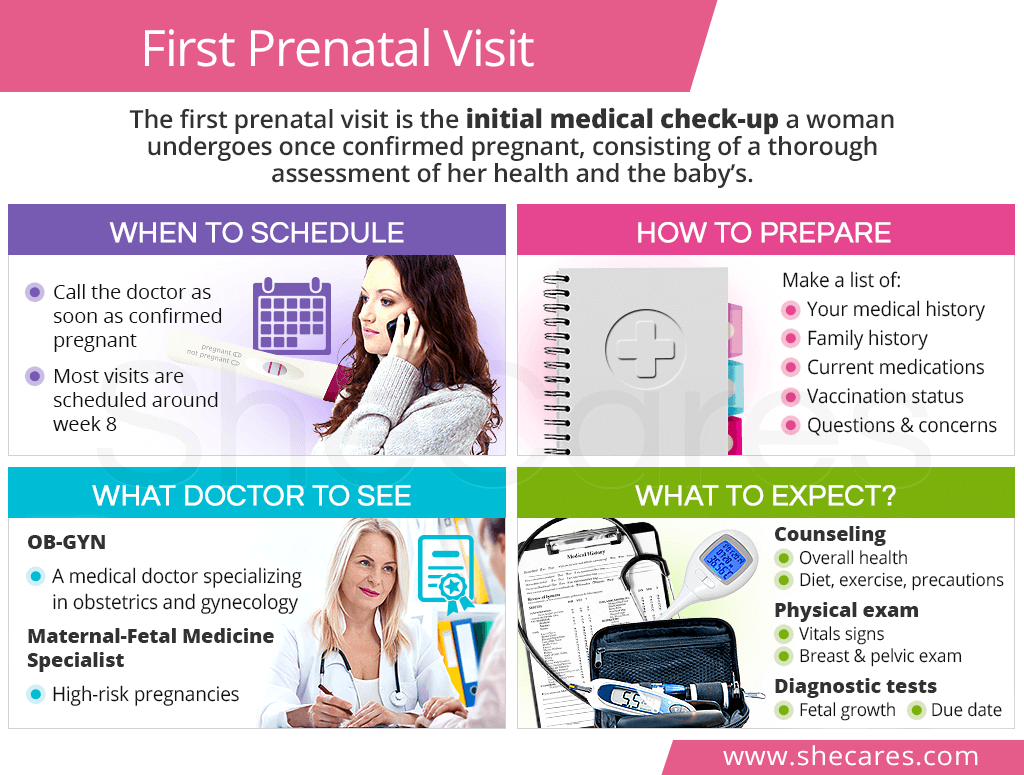
This article explores the technological architecture of the modern first prenatal visit, detailing how emerging tools are moving the needle from reactive care to predictive, personalized medicine.
The Shift to Telehealth and Digital Intake Systems
The first prenatal appointment technically begins long before you enter the examination room. The administrative burden of traditional healthcare is being replaced by intelligent patient portals and cloud-based onboarding systems that streamline the “intake” phase.
Streamlining Onboarding with Intelligent Patient Portals
Modern practices utilize sophisticated Software-as-a-Service (SaaS) platforms like Epic’s MyChart or specialized maternity portals. These systems allow patients to upload their medical history, insurance details, and previous laboratory results securely. By the time you arrive at your first appointment, your provider has already utilized data visualization tools to identify potential risk factors. This digital-first approach ensures that the face-to-face time with the clinician is spent discussing insights rather than filling out repetitive forms. These portals also serve as the central hub for “interoperability,” allowing the obstetrician to pull data from your primary care physician or fertility specialist instantly, creating a 360-degree view of your health profile.
AI-Driven Risk Assessment Algorithms
During the initial consultation, many clinics now employ clinical decision support (CDS) software. As your vitals and history are entered into the system, AI algorithms scan the data for patterns that might escape the human eye. These tools use machine learning models trained on millions of pregnancies to flag risks such as preeclampsia or gestational diabetes early in the first trimester. This isn’t just about data entry; it’s about predictive analytics. The technology allows your care team to categorize your pregnancy as “low” or “high” risk with unprecedented accuracy, tailoring your future appointment schedule and testing frequency based on a digital risk score.
Advanced Diagnostic Imaging and AI Analytics
The centerpiece of the first prenatal appointment is often the initial ultrasound, frequently referred to as the “dating scan.” While the core technology of sonography remains based on sound waves, the software interpreting those waves has evolved into a high-performance computing task.
Beyond 2D: The Role of 3D/4D Ultrasound and Image Enhancement
Standard 2D imaging is being augmented by 3D and 4D rendering software that provides much higher resolution and spatial awareness. During your first visit, these high-definition systems allow for more precise measurements of the gestational sac and the embryo’s crown-rump length (CRL). Modern ultrasound machines, such as those developed by GE Healthcare or Philips, now incorporate “automated measurement” features. Instead of a technician manually plotting points on a screen—which is subject to human error—AI software automatically identifies fetal structures and calculates measurements with sub-millimeter precision, providing a more accurate estimated due date (EDD).
Machine Learning in Early Chromosomal Screening
Technological advancement has also transformed how we screen for chromosomal abnormalities during the first trimester. While blood work is standard, the “Nuchal Translucency” (NT) scan at the end of the first trimester uses AI-assisted image analysis to detect markers for conditions like Down syndrome. Software tools like ViewPoint or Astraia assist clinicians by comparing the ultrasound images against vast databases of fetal benchmarks. This reduces the “false positive” rate, preventing unnecessary invasive procedures and providing parents with clearer data-driven insights earlier than ever before.

The Rise of Remote Monitoring and Wearable Tech Integration
One of the most significant changes in the first prenatal visit is the transition from a “point-in-time” checkup to a “continuous monitoring” model. Your first appointment now serves as the “setup phase” for a suite of Internet of Things (IoT) devices.
Real-Time Physiological Tracking for Early Detection
At your first visit, many tech-forward practices now prescribe or recommend medical-grade wearables. Devices like the Bloomlife contraction monitor or smart blood pressure cuffs allow patients to track their vitals from home. The first appointment is where the “baseline” is established. The physician calibrates these devices to your specific physiological norms. This shift means that instead of waiting four weeks for your next checkup, your data—heart rate variability, sleep patterns, and blood pressure—is continuously streamed to the clinic’s monitoring dashboard. If the software detects a spike in blood pressure or a concerning trend in weight gain, an alert is triggered, allowing for intervention long before a physical symptom manifests.
Syncing IoT Devices with Electronic Health Records (EHR)
The integration of these gadgets into the Electronic Health Record (EHR) is a feat of modern software engineering. Using APIs (Application Programming Interfaces), the data from your Apple Watch or smart scale is funneled directly into your medical file. During the first visit, the staff often assists in the “digital pairing” process. This connectivity transforms the patient from a passive recipient of care into an active data contributor. It also enables “asynchronous care,” where your doctor can review your weekly stats and send a secure message or adjust a prescription via an app, potentially reducing the need for in-person office visits.
Personalized Genomics and Data Privacy in Maternal Tech
The first prenatal appointment is also the gateway to the world of genomics. As genetic testing becomes more affordable and accessible, the software used to analyze genetic code has become a critical component of the prenatal experience.
Non-Invasive Prenatal Testing (NIPT) and Data Processing
During the first visit, you will likely be offered NIPT—a simple blood draw that screens fetal DNA circulating in the mother’s blood. The technology behind this is “Next-Generation Sequencing” (NGS). Laboratories use massive computing power to sequence millions of DNA fragments, and bioinformatic algorithms then sort through this data to detect fetal trisomies or sex chromosome aneuploidies. The first appointment is where the clinician explains the “algorithm-based probability” of these tests. This is a far cry from the binary “yes/no” tests of the past; it is a sophisticated statistical analysis of genetic markers.
Safeguarding Genetic Data in the Age of Cybersecurity
As prenatal care becomes increasingly digital, the first appointment also involves a discussion (often through digital consent forms) about data privacy and cybersecurity. With the sensitive nature of genetic data and health records, clinics must employ robust encryption and HIPAA-compliant cloud storage. Tech-savvy patients are now asking about where their genetic data is stored and whether it will be used for third-party research. The first visit is the time when the “digital contract” between the patient and the healthcare provider is established, ensuring that while technology is used to protect the pregnancy, it also protects the patient’s digital identity.

Conclusion: The Future of the Prenatal Experience
The first prenatal appointment is no longer just a medical milestone; it is a high-tech onboarding process into a sophisticated care network. From the AI that flags early risk factors to the wearables that monitor your heart rate while you sleep, technology is providing a safety net that was unimaginable a generation ago.
As we look toward the future, we can expect even greater integration of Virtual Reality (VR) for patient education during that first visit, and perhaps even more localized “point-of-care” testing where lab results are processed by a small desktop device in the room in minutes rather than days. By embracing these technological trends, the healthcare industry is making the first prenatal appointment more efficient, more accurate, and ultimately, more empowering for the expectant parent. The “first visit” is now a masterclass in how data, software, and hardware can come together to support the beginning of a new life.
aViewFromTheCave is a participant in the Amazon Services LLC Associates Program, an affiliate advertising program designed to provide a means for sites to earn advertising fees by advertising and linking to Amazon.com. Amazon, the Amazon logo, AmazonSupply, and the AmazonSupply logo are trademarks of Amazon.com, Inc. or its affiliates. As an Amazon Associate we earn affiliate commissions from qualifying purchases.