
The intersection of rock history and corporate strategy often reveals profound lessons in how brands are built, sustained, and occasionally fractured. Few case studies are as illustrative as the rise, peak, and eventual separation of Steve Perry and Journey. While music historians focus on the melodies, brand strategists look at the “Voice of a Generation” as a primary brand asset—a Unique Selling Proposition (USP) so powerful that its eventual removal forced a total re-evaluation of the Journey corporate identity.
What happened between Steve Perry and Journey was not merely a disagreement between musicians; it was a high-stakes conflict between a personal brand and a collective corporate entity. This article examines the strategic nuances of that separation, the impact on brand equity, and the lessons modern businesses can learn from one of the most significant “rebrandings” in entertainment history.

The Core Asset: Steve Perry as the Brand’s Visual and Auditory Identity
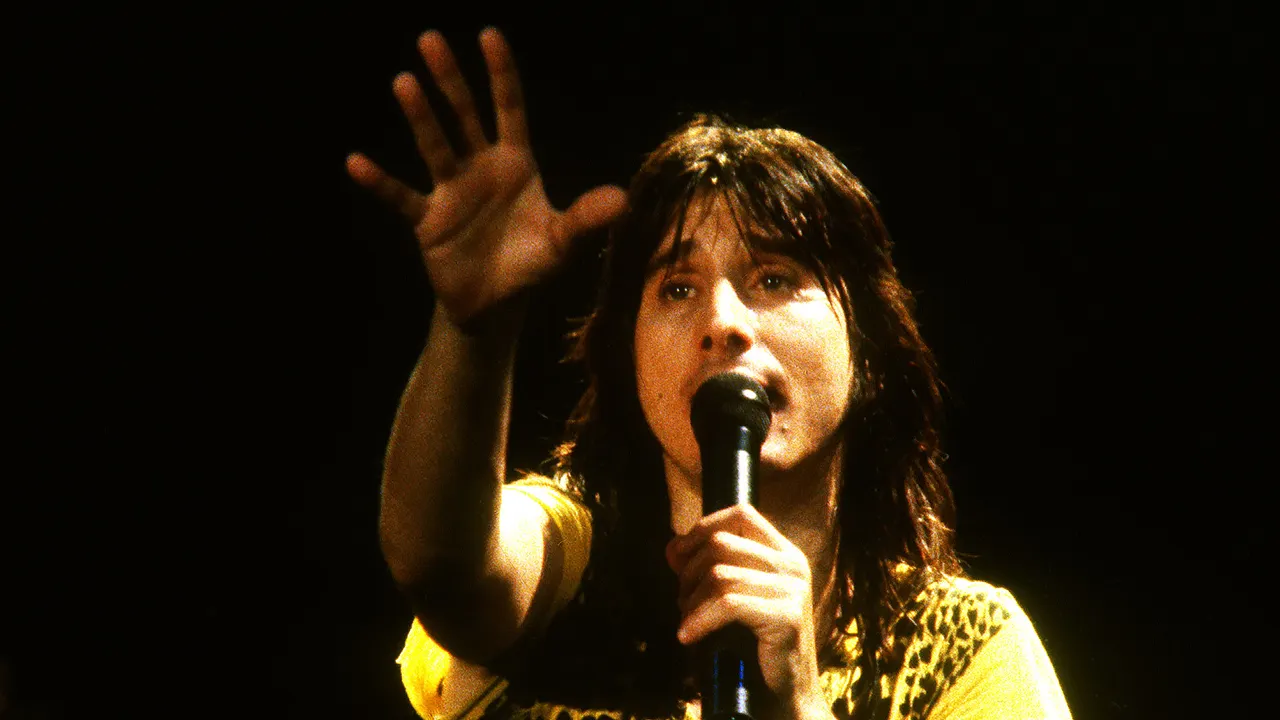
In the world of branding, consistency is the bedrock of trust. From the late 1970s through the mid-1980s, Journey established a brand identity that was synonymous with soaring vocals and anthemic compositions. Steve Perry was more than a lead singer; he was the brand’s “Sonic Logo.”
The Sonic Logo and Consumer Recognition
Just as a consumer recognizes the Intel bong or the Netflix “ta-dum,” music fans recognized a Journey song within three seconds of Perry opening his mouth. His vocal range and emotive delivery became the primary differentiator in a crowded marketplace of arena rock bands. From a branding perspective, Perry represented the “face” and “voice” that converted a generic rock product into a premium, recognizable commodity. This level of brand association is incredibly valuable but equally dangerous, as it creates a single point of failure.
The Synergy of Personal and Corporate Branding
During the “Frontiers” and “Escape” eras, the personal brand of Steve Perry and the corporate brand of Journey were inextricably linked. This synergy allowed for massive market penetration. Perry’s solo success with “Oh Sherrie” actually served as “co-branding,” bringing more eyes back to the main Journey entity. However, this blurred line meant that the public could not conceive of the Journey brand without Perry’s involvement—a classic case of a sub-brand (the singer) eclipsing the parent brand (the band).
The Friction of Brand Misalignment: Burnout and Strategic Drift
By the mid-1980s, the Journey brand was suffering from the “Success Paradox.” The more successful the brand became, the more the operational demands threatened to destroy the very assets that created that success. Steve Perry, the brand’s primary asset, was experiencing significant burnout.
Operational Burnout vs. Brand Consistency
In any service-based brand, the health of the provider is paramount. The rigorous touring schedule required to maintain Journey’s market share took a toll on Perry’s physical and mental well-being. From a brand management standpoint, the band was over-leveraging its primary asset. When Perry retreated after the “Raised on Radio” tour, the brand entered a period of dormancy. In corporate terms, the “product” was pulled from the shelves because the manufacturer could no longer guarantee the quality of the core component.
The 1996 Reunion: A Failed Product Relaunch
After a decade-long hiatus, the 1996 album “Trial by Fire” represented an attempt to relaunch the classic brand. The market response was enthusiastic, proving that the brand equity remained high. However, the relaunch hit a critical roadblock: a physical injury. Perry’s hip ailment prevented him from touring, creating a fundamental misalignment between the brand’s promise (the “live experience”) and its ability to deliver. The band members—the “Board of Directors” of Journey—faced a choice: wait indefinitely for the primary asset to recover or pivot the brand strategy.
The Strategic Split: Protecting the Corporate Identity

In 1998, the official “divorce” occurred. The band decided to move forward without Perry. This was a pivotal moment in brand architecture. The question was: Is “Journey” a collection of specific individuals, or is it a “Legacy Brand” that can survive the replacement of its most recognizable feature?
The Trial of the Replacement Strategy
The initial years following Perry’s departure were a struggle for the Journey brand. Replacements like Steve Augeri and Jeff Scott Soto were talented, but the “Brand Authenticity” was questioned by the loyal customer base. In marketing, this is known as “The New Coke Problem.” If you change the formula of a beloved product too drastically, you risk alienating the core demographic. The brand was seen as a “tribute act” to its former self, illustrating how difficult it is to separate a corporate identity from a legendary founder-figure.
Arnel Pineda and the Global Scaling of a Legacy Brand
The turning point came with the discovery of Arnel Pineda. From a brand strategy perspective, Pineda was a “Functional Equivalent.” He possessed the vocal DNA that matched the original brand promise. By hiring Pineda, Journey wasn’t trying to change their sound; they were “restoring” the original brand experience. This allowed the brand to scale globally once again. It proved that if a brand’s “essence” (the specific sound) is maintained, the “delivery vehicle” (the person) can be swapped, provided the quality remains high.
Lessons for Modern Brand Managers and Personalities
The saga of Steve Perry and Journey offers several high-level takeaways for anyone managing a brand, whether it’s a multinational corporation or a personal brand on social media.
1. Diversifying Brand Equity
The biggest risk Journey faced was having all their brand equity tied to one person’s vocal cords. For businesses, this is a warning against “Key Person Risk.” If your brand is entirely dependent on a single CEO, influencer, or visionary, the brand is inherently fragile. Modern brands should strive to build equity in the “system,” the “values,” and the “experience” rather than just one individual.
2. Managing the Transition of “The Face”
When a brand must transition away from its founder or lead figure, transparency and quality are the two most important factors. Journey eventually succeeded because they refused to compromise on the vocal standard. They understood that the customer didn’t just want “a singer”; they wanted the “Journey Experience.” When replacing a key component of your brand, you must ensure the replacement meets or exceeds the “minimum viable brand promise” established by the predecessor.
3. The Power of Nostalgia as a Brand Extension
Today, Steve Perry and Journey exist as two distinct but related brands. Perry’s brand is one of “The Reclusive Legend,” built on scarcity and a pristine legacy. Journey’s brand is one of “The Relentless Performer,” built on accessibility and the live experience. Interestingly, both brands benefit from the other. Every time a Journey song is played at a stadium, Perry’s personal brand (and royalty stream) is reinforced. This is a perfect example of “residual brand equity,” where the work done decades ago continues to provide dividends for all stakeholders, despite the operational split.
Conclusion: The Endurance of the Brand Promise
What happened with Steve Perry and Journey was the inevitable evolution of a high-growth brand facing the reality of human limitations. The split was a strategic necessity for the band members who wanted to continue the “business” of Journey, and it was a personal necessity for Steve Perry to protect his “personal brand” and health.
Ultimately, the Journey brand proved to be “Anti-Fragile.” By surviving the departure of its most famous member, the brand transcended being just a group of people and became a permanent fixture of global culture. For Steve Perry, his legacy remains untarnished, his voice frozen in time as the gold standard of the genre.
In the world of branding, the story of Steve Perry and Journey is a reminder that while people may leave, a well-defined brand promise—if managed with care and strategic foresight—can truly go on “anyway you want it.” Whether you are an entrepreneur building a company or a creative building a platform, understanding the balance between the individual and the entity is the key to creating a legacy that lasts far beyond the first act.
aViewFromTheCave is a participant in the Amazon Services LLC Associates Program, an affiliate advertising program designed to provide a means for sites to earn advertising fees by advertising and linking to Amazon.com. Amazon, the Amazon logo, AmazonSupply, and the AmazonSupply logo are trademarks of Amazon.com, Inc. or its affiliates. As an Amazon Associate we earn affiliate commissions from qualifying purchases.