
The digital landscape of peer-to-peer (P2P) file sharing has always been a game of cat and mouse, characterized by sudden disappearances, resilient returns, and the constant evolution of server infrastructure. Recently, the community was sent into a frenzy when TorrentGalaxy (TGx), one of the most prominent hubs for BitTorrent enthusiasts, seemingly vanished from the internet. As a site that rose to fill the void left by giants like Rarbg and KickassTorrents, its stability is often viewed as a barometer for the health of the P2P ecosystem.
Understanding what happened to TorrentGalaxy requires a deep dive into the technical challenges of maintaining a high-traffic indexer in an era of aggressive automated takedowns and evolving cybersecurity threats. This article explores the technological architecture of TorrentGalaxy, the nature of its recent outages, and the broader tech trends defining the future of decentralized data sharing.
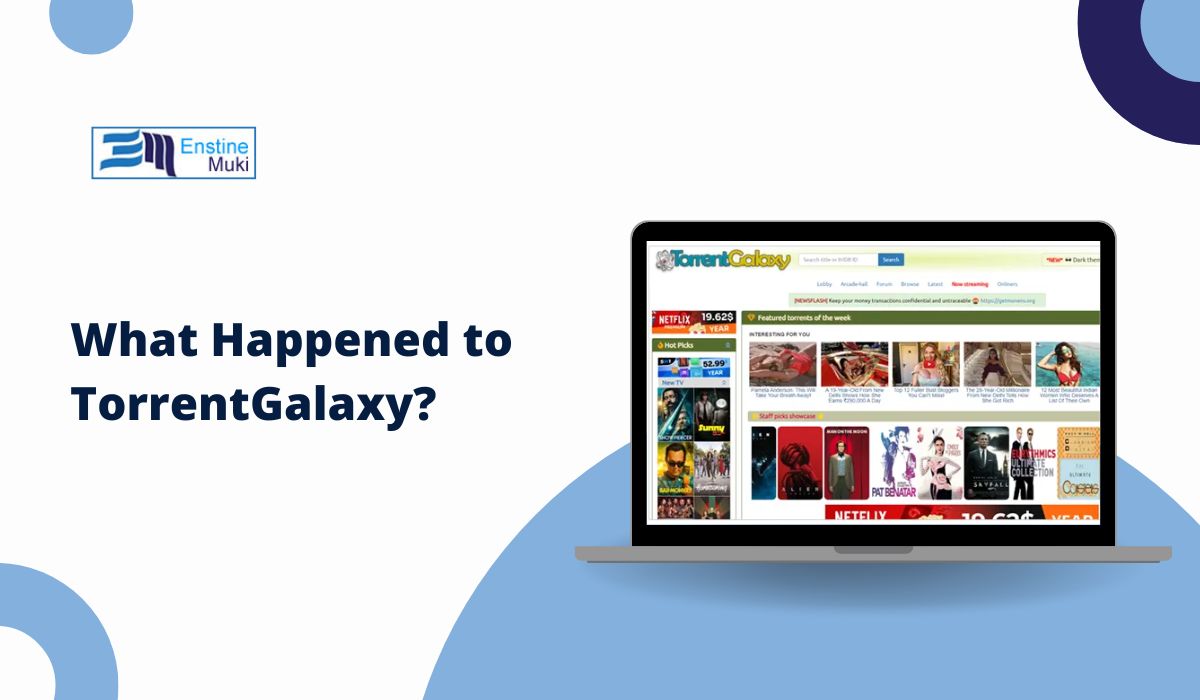
The Evolution of TorrentGalaxy in the File-Sharing Ecosystem
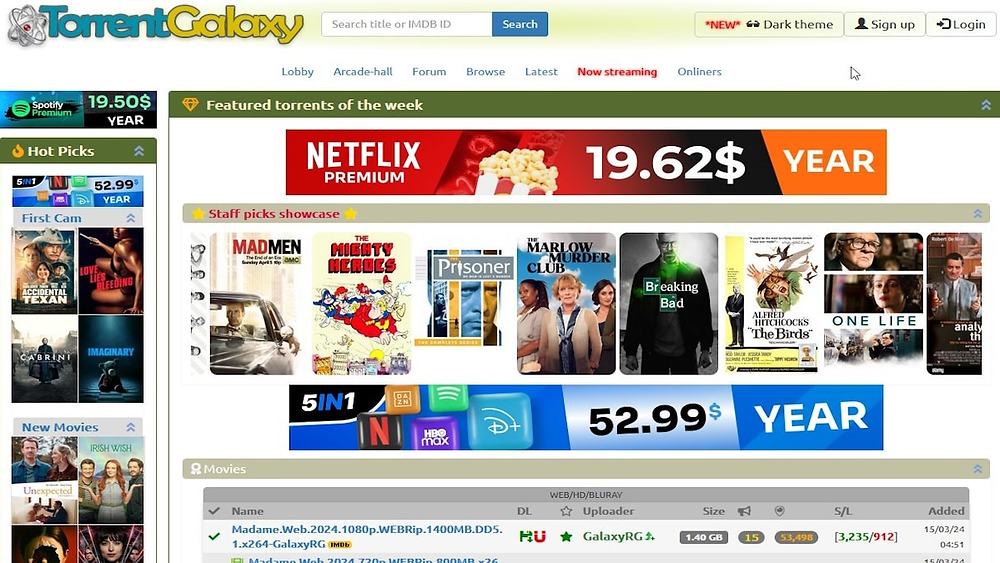
TorrentGalaxy emerged not just as a repository for files, but as a sophisticated community platform. Unlike the Spartan interfaces of early torrent sites, TGx integrated social features, internal encoding groups, and a high degree of automation in its content aggregation.
From Community Newcomer to P2P Heavyweight
When Rarbg unexpectedly shut its doors in 2023, the sudden migration of millions of users put an immense strain on existing infrastructures. TorrentGalaxy was one of the few platforms capable of absorbing this traffic. The site’s backend was built to handle massive concurrent queries, utilizing a refined database structure that allowed for rapid indexing of “scenelist” releases. Its rise was a testament to robust server scaling and a resilient content delivery network (CDN) that prioritized uptime despite the inherent risks of the niche.
The Technological Architecture of TGx
At its core, TorrentGalaxy functions as a massive relational database linked to a frontend that must be both lightweight and highly responsive. The site utilizes a combination of custom PHP frameworks and optimized SQL databases to manage millions of torrent entries. However, the true “tech” behind its survival lies in its distribution layer. By utilizing various proxy layers and “proxy-protection” services, the site hides its actual origin server IP addresses, making it difficult for third parties to target the physical hardware hosting the data.
Decoding the Recent Outages: Technical Glitch or Legal Pressure?
In mid-2024, the “What happened to TorrentGalaxy?” question became a trending topic across tech forums like Reddit and X (formerly Twitter). The site displayed a cryptic message or, in some cases, failed to resolve altogether. To a technical observer, this downtime signaled one of three things: a massive DDoS (Distributed Denial of Service) attack, a fundamental DNS overhaul, or a strategic “hibernation.”
The DNS Vanishing Act
One of the most common reasons for a site like TorrentGalaxy to “disappear” is a DNS (Domain Name System) sinkhole or a registrar suspension. When a domain registrar receives a court order or a credible threat of legal action, they may pull the plug on the domain’s ability to point to an IP address. During its recent downtime, TGx experienced what appeared to be a suspension of its primary .to and .mx domains.
The technical response to this is “Domain Hopping.” This involves quickly migrating the frontend to a new TLD (Top-Level Domain) while keeping the backend database intact. For the user, the site appears “back,” but behind the scenes, a complex migration of records and SSL certificates has taken place to ensure the new domain is secure and recognized by global ISP caches.
The Proxy and Mirror Network Strategy
To combat these outages, TorrentGalaxy has invested heavily in a “mirror” infrastructure. A mirror is not just a copy of the site; it is a live synchronization of the database hosted on different hardware in different jurisdictions. When the main “galaxy” goes dark, these mirrors—often managed by third-party community members but verified by the core team—provide a decentralized way to access the same magnet links. This redundancy is a classic example of “high availability” (HA) architecture used in enterprise IT, repurposed for the volatile world of P2P.
The Cybersecurity Perimeter: Protecting the P2P User Base
Maintaining a site like TorrentGalaxy is a constant battle against malicious actors. Because these sites operate in a “grey” area of the web, they are frequent targets for hackers looking to inject malware or launch DDoS attacks to extort the administrators.
Mitigating DDoS Attacks and Malicious Traffic
The recent outages were partially attributed by some analysts to massive DDoS campaigns. In the tech world, a DDoS attack overwhelms a server’s bandwidth or CPU resources by flooding it with junk traffic. To counter this, TGx utilizes advanced web application firewalls (WAF). These systems analyze incoming traffic patterns in real-time, using machine learning to distinguish between a legitimate user looking for a movie and a botnet attempting to crash the server. When the site went down, it was likely that these filters were being tuned to handle a new, more sophisticated wave of attacks.
Security Protocols for Decentralized Downloads
The tech behind TorrentGalaxy isn’t just about the website; it’s about the safety of the BitTorrent protocol itself. Modern torrenting relies on Magnet Links rather than .torrent files. From a technical standpoint, a Magnet Link is a cryptographic hash of the file’s content. It doesn’t require a central server to function; instead, it uses DHT (Distributed Hash Table) and PEX (Peer Exchange) to find other users.
TorrentGalaxy’s role is to act as the “tracker” and “indexer” that facilitates these initial handshakes. During periods of site instability, the “tech-savvy” community relies on the fact that once a magnet link is retrieved, the actual file transfer occurs through a decentralized network of peers, making the content itself nearly impossible to “shut down” even if the website is offline.
The Future of BitTorrent Technology and TorrentGalaxy’s Role
The saga of TorrentGalaxy is a microcosm of the larger shift in how information is shared globally. As traditional streaming services become more fragmented and expensive, the pressure on P2P infrastructure grows, leading to more advanced technological innovations to stay online.
The Shift Toward Decentralization and Web3
The ultimate solution to the “What happened to…” cycle is total decentralization. We are seeing a move toward IPFS (InterPlanetary File System) and blockchain-based indexing. If TorrentGalaxy were to migrate its database to a decentralized ledger, there would be no central server to seize and no single point of failure. While the technology is currently too slow for the high-frequency demands of TGx’s user base, the “hibernations” and outages the site faces today are the catalysts driving developers to experiment with these “uncensorable” web technologies.

Conclusion: Resilience in a Digital Arms Race
So, what happened to TorrentGalaxy? It became a victim of its own success, facing the inevitable technical hurdles of high-volume traffic, domain instability, and cybersecurity threats. However, its return—often with a more robust backend and a new array of mirror sites—demonstrates the resilience of modern P2P software.
The “disappearance” of TGx was not an end, but a recalibration. In the world of technology, downtime is often the precursor to an upgrade. As long as the BitTorrent protocol remains the most efficient way to distribute large amounts of data across the globe, platforms like TorrentGalaxy will continue to evolve, utilizing proxies, encrypted databases, and decentralized networks to survive in an increasingly regulated digital frontier. For the tech-minded user, the story of TGx is a fascinating case study in system administration under pressure, proving that in the digital age, data is difficult to contain and even harder to delete.
aViewFromTheCave is a participant in the Amazon Services LLC Associates Program, an affiliate advertising program designed to provide a means for sites to earn advertising fees by advertising and linking to Amazon.com. Amazon, the Amazon logo, AmazonSupply, and the AmazonSupply logo are trademarks of Amazon.com, Inc. or its affiliates. As an Amazon Associate we earn affiliate commissions from qualifying purchases.