
The trajectory of a professional athlete’s career is often viewed through the lens of statistics, highlight reels, and championship rings. However, for those looking at the sports world through a financial and business lens, the story of Hassan Whiteside offers one of the most compelling case studies in capital acquisition, market timing, and the volatile nature of professional earnings. Whiteside’s journey—from a second-round pick playing for sub-$1 million salaries to securing a near-$100 million maximum contract, and eventually transitioning into the “veteran minimum” phase of his career—reflects the broader economic shifts within the National Basketball Association (NBA).
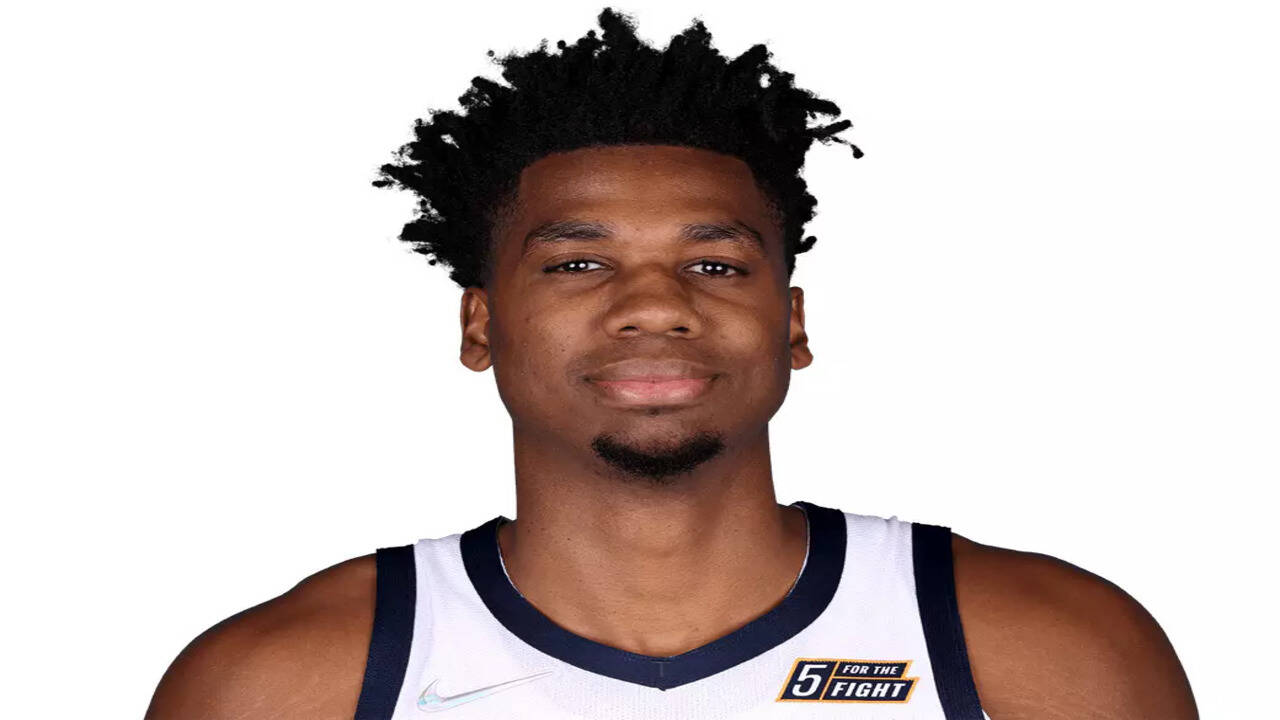
Understanding “what happened” to Hassan Whiteside requires an analysis of his financial lifecycle. It is a story of how an individual capitalized on a massive market shift, navigated the complexities of professional wealth management, and faced the inevitable market correction that affects high-earning assets in a specialized industry.
The Vertical Leap of an Income Bracket: From Minimum to Maximum
In the world of personal finance and career development, Whiteside’s early years represent the “struggle phase” of a startup. After being drafted 33rd overall in 2010, his initial earnings were modest by professional standards. Following his stint with the Sacramento Kings, he found himself out of the league entirely, playing in Lebanon and China. This period was crucial from a financial perspective; it required a high level of personal “bootstrapping,” where the cost of remaining professional—training, travel, and agent fees—often outweighed the immediate liquid returns.
The G-League and Overseas Grind: The Cost of Persistence
When Whiteside was playing in the NBA Development League (now G-League) and overseas, he was essentially an undervalued asset. During this time, his income was a fraction of the NBA minimum salary. Financially, this is the most dangerous time for an athlete. Without the structured financial literacy programs provided by the NBA, many players in this bracket exhaust their savings trying to make it back to the “Big Board.” Whiteside’s ability to maintain his physical capital while earning lower-tier wages allowed him to stay positioned for a market opening.
The 2016 NBA Salary Cap Spike: Timing the Market
Every successful financial story involves a degree of timing, and Whiteside’s timing was impeccable. In 2016, the NBA saw an unprecedented spike in the salary cap due to a new $24 billion television deal with ESPN and Turner Sports. The cap jumped from $70 million to $94 million in a single season.
Whiteside hit free agency exactly when the market was flooded with liquidity. Teams had “dry powder” and were forced to spend it to meet the salary floor. After a breakout performance with the Miami Heat on a league-minimum “prove-it” deal, Whiteside was positioned as the premier defensive asset in a market with infinite cash. This led to his four-year, $98 million maximum contract—a 10,000% increase from his previous earnings.
Analyzing the $98 Million Contract: Value vs. ROI
From a business finance perspective, a “Max Contract” is a high-risk, high-reward investment for a franchise. For the player, it represents the “liquidity event” of a lifetime. However, the $98 million figure often reported in headlines does not reflect the actual take-home pay or the long-term Return on Investment (ROI) for the player’s personal brand and estate.
The Economics of Rim Protection: Why the Heat Paid Premium
In 2016, the NBA’s “market logic” still placed a high premium on traditional rim protection. Whiteside led the league in blocks, making him a blue-chip defensive asset. The Heat’s investment was based on the projection that his production would remain steady as the cornerstone of their defense. In business terms, they were buying a “moat”—a player who could prevent the opposition from scoring in the most efficient area of the court.
Gross vs. Net: The Reality of High-Earner Taxation
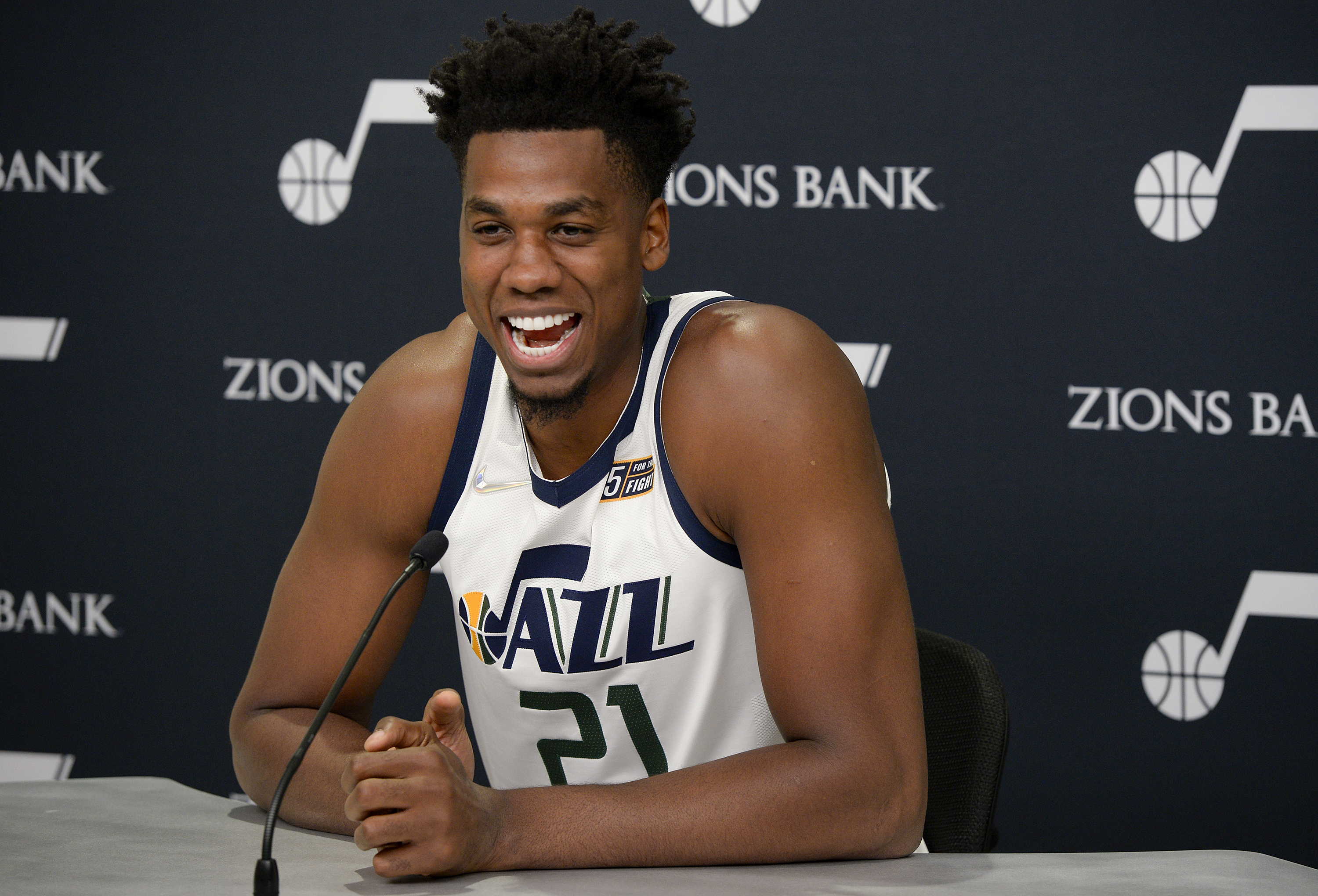
While the $98 million contract was life-changing, the financial management of such a sum is complex. After federal taxes, California or Florida state taxes (Whiteside benefited from Florida’s lack of state income tax during his Heat years), agent fees (typically 3-4%), and the NBA’s 10% escrow holdback, the net liquidity is significantly lower. For a player like Whiteside, this period required a shift from “wealth accumulation” to “wealth preservation.” Managing a $20+ million annual inflow requires a sophisticated family office structure to ensure that the capital outlives the playing career.
Market Correction: When Skillsets Outprice the Market
As Whiteside’s massive contract progressed, the underlying “industry” of the NBA changed. The league moved toward “Small Ball,” prioritizing three-point shooting and perimeter mobility over traditional shot-blocking centers. This was a classic case of technological or tactical disruption.
Diminishing Returns and the Shift in NBA Financial Value
By the late 2010s, the “traditional center” became a depreciating asset. Teams began to realize that paying $25 million a year for a player who could be played off the floor in the playoffs by smaller, faster lineups was a poor allocation of capital. Whiteside’s statistical output remained high, but his “market value” began to decouple from his “contract value.” When his $98 million deal ended, he faced a harsh market correction. He went from earning $27 million a year to signing a veteran minimum contract with the Sacramento Kings for roughly $2.3 million.
The Pivot to the “Veteran Minimum” Model
Whiteside’s transition to the veteran minimum represents a common phase in the financial lifecycle of an aging professional. In this stage, the player is no longer the primary investment; they are a “supplemental asset.” From a personal finance standpoint, this requires a massive ego check and a lifestyle adjustment. While $2.3 million is a staggering sum for the average worker, it represents a 90% pay cut for someone accustomed to “Max” earnings. The key to financial survival in this phase is the ability to maintain the “principal” of previous earnings while living off the “interest” of new, smaller contracts.
Life After the NBA: Diversifying the Portfolio
What happened to Hassan Whiteside recently is a transition toward the “post-active” income phase. After his last NBA stints with the Utah Jazz and a brief foray into international play (such as in Puerto Rico with Piratas de Quebradillas), Whiteside has moved into the realm of the retired athlete-investor.
Transitioning from Active Income to Passive Wealth
For a player who earned over $100 million in career wages, the goal of “retirement” is to transition from active labor to passive income. This involves diversifying into real estate, private equity, and perhaps the burgeoning world of sports ownership or media. Whiteside’s social media presence and “big personality” also provide opportunities for personal branding income, though his primary wealth likely stems from the prudent management of his 2016 windfall.
The NBA’s pension plan and 401k matching programs are some of the best in the corporate world. For a player with Whiteside’s years of service, these benefits provide a “floor” that ensures financial security long after the dunks and blocks have stopped.

The Legacy of the “Whiteside” Financial Model
Hassan Whiteside’s career is a blueprint for the “Middle-Class to Mega-Rich” transition in the NBA. He serves as a reminder that:
- Market Timing is Everything: Being a free agent in a cap-spike year can change a family’s generational wealth overnight.
- Specialization has Risks: If your “product” (in this case, traditional rim protection) is disrupted by a shift in industry trends, your market value will drop regardless of your individual performance.
- Capital Preservation is King: The transition from $27 million to $2 million is only manageable if the $27 million was invested rather than spent.
Whiteside did not “disappear”; he simply completed the standard economic cycle of a high-tier professional athlete. He maximized his earnings during a peak market window and transitioned into a more sustainable, less visible phase of wealth management. For observers of business and finance, his story is less about basketball and more about the art of the deal, the impact of market volatility, and the ultimate goal of any high-earner: turning a temporary talent into permanent capital.
aViewFromTheCave is a participant in the Amazon Services LLC Associates Program, an affiliate advertising program designed to provide a means for sites to earn advertising fees by advertising and linking to Amazon.com. Amazon, the Amazon logo, AmazonSupply, and the AmazonSupply logo are trademarks of Amazon.com, Inc. or its affiliates. As an Amazon Associate we earn affiliate commissions from qualifying purchases.