
For nearly a century, the phrase “Gold Toe” was more than just a product description; it was a hallmark of American manufacturing prestige. If you walked into a high-end department store or a professional’s dressing room between 1940 and 2000, the presence of the iconic gold-thread reinforcement was a silent signal of quality, durability, and middle-class stability.
However, in recent years, consumers have begun to ask: What happened to Gold Toe socks? The question isn’t whether the socks still exist—they do—but rather what happened to the brand’s cultural dominance and its “premium” aura. This article examines Gold Toe through the lens of brand strategy, exploring how a functional differentiator became a visual trademark, and how the brand has navigated the treacherous waters of acquisition, retail shifts, and the “commodity trap.”

1. The Architecture of a Visual Differentiator
In the world of branding, a “Unique Selling Proposition” (USP) is often intangible—a feeling or a promise. Gold Toe, however, built its empire on a physical, visual USP that was impossible to ignore.
The Origin of the Gold Thread
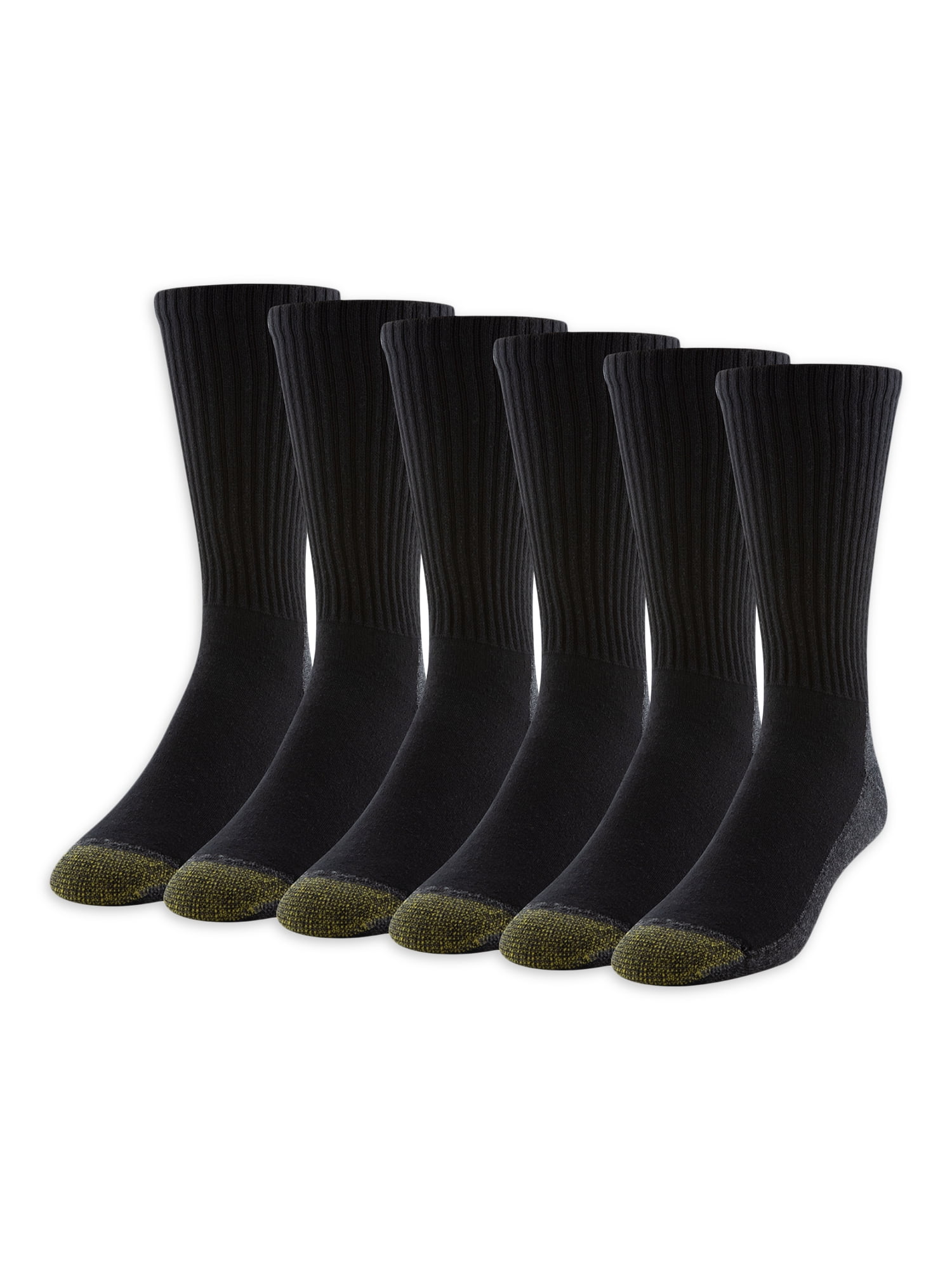
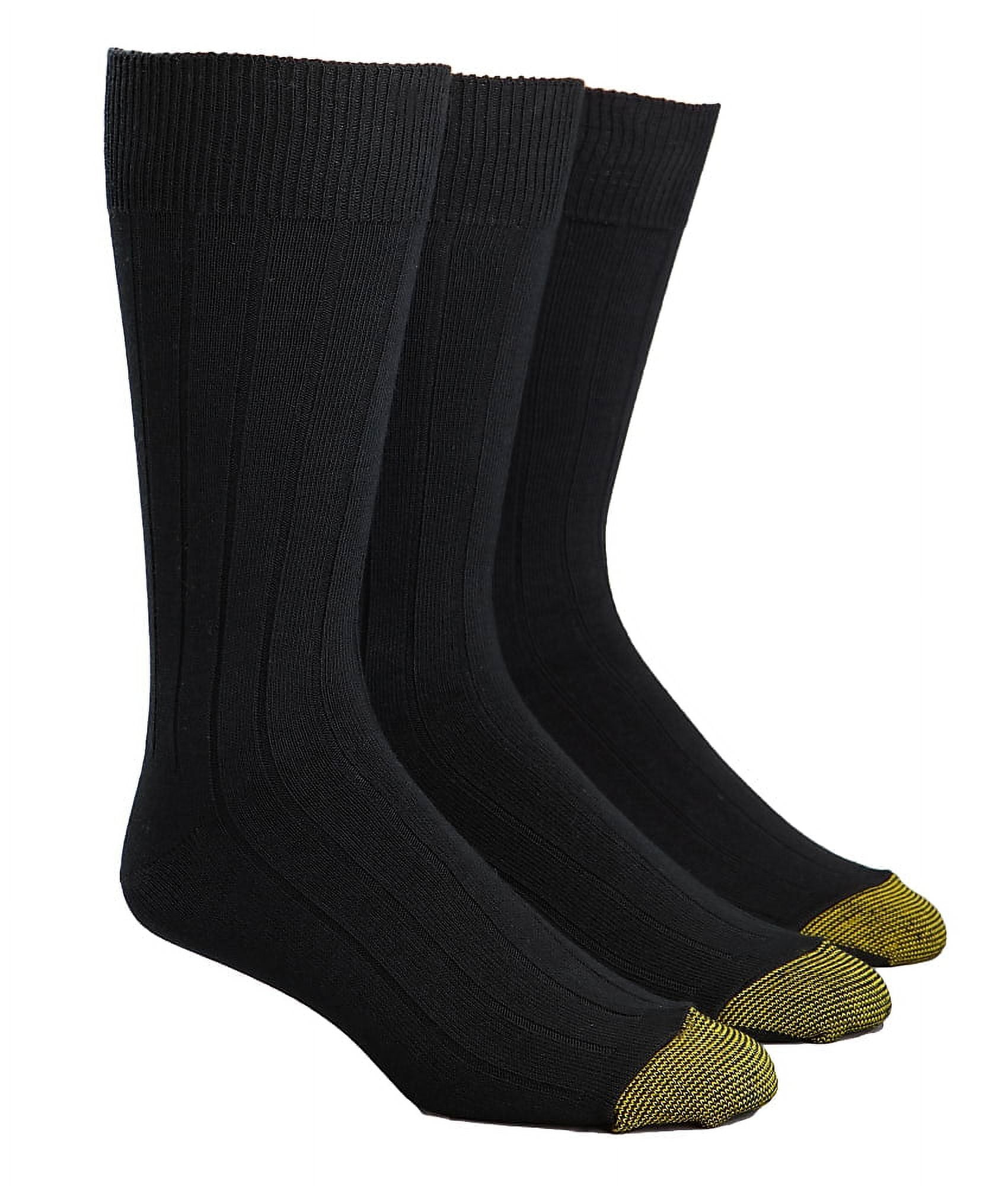
Founded in 1934 during the height of the Great Depression, Gold Toe (originally under the Great American Knitting Mills) understood a fundamental consumer truth: in times of scarcity, durability is king. By reinforcing the toe of the sock—the area most prone to wear—with high-quality linen and eventually gold-colored thread, the company created a literal “gold standard.”
Building Brand Equity through Functional Design
The gold toe wasn’t just a manufacturing choice; it was a marketing masterstroke. It solved a problem (holes in socks) while providing a “reveal” moment for the consumer. Every time a customer put on their socks, they were reminded of the brand’s promise. This created a level of brand recall that competitors like Hanes or Fruit of the Loom could only dream of. For decades, Gold Toe owned the “bridge” market—the space between cheap bulk socks and luxury European imports.
The “Status Symbol” of the Everyman
During the 1980s and 90s, Gold Toe successfully positioned itself as the professional’s choice. It was the brand of the “Man in the Gray Flannel Suit.” It represented a specific type of brand identity: reliable, conservative, and sensible. In a branding context, Gold Toe was a “Sage” archetype—knowledgeable and dependable.
2. The Gildan Acquisition and the Shift in Brand Positioning
A turning point in the Gold Toe narrative occurred in 2011, when the brand was acquired by the apparel giant Gildan Activewear for approximately $350 million. This move marked a transition from a specialized knitting mill identity to a component of a massive corporate portfolio.
From Specialty to Mass Market
Under Gildan, the strategic focus shifted toward scale and distribution efficiency. While this increased the brand’s availability, it also led to a perceived dilution of prestige. Gold Toe began appearing more frequently in big-box retailers like Walmart and Target. In brand strategy, there is a delicate balance between “accessibility” and “exclusivity.” By moving into the mass market, Gold Toe risked becoming a commodity rather than a premium choice.
The Manufacturing Paradox
With mass-market expansion often comes the pressure to optimize costs. Many long-time loyalists began to report changes in fabric weight and elasticity. Whether these changes were real or perceived, the brand perception shifted. When a brand built on “durability” is perceived to have lowered its quality to meet a lower price point, it loses its primary reason for existence. This is the “Commodity Trap”: competing on price usually leads to a race to the bottom where brand loyalty evaporates.
The Loss of the Department Store Anchor
Historically, Gold Toe’s brand identity was tied to the department store experience—Macy’s, Lord & Taylor, and Dillards. As these institutions declined in the face of e-commerce, Gold Toe lost its physical “temples” of commerce. The transition to a digital-first or discount-store-first environment required a brand refresh that Gold Toe struggled to execute with the same vigor as newer competitors.
3. The Disruptor Effect: Facing the DTC Revolution
While Gold Toe was navigating its corporate transition, the entire landscape of the hosiery industry was being upended by Direct-to-Consumer (DTC) brands that understood modern branding better than the legacy players.
The Rise of Purpose-Driven Branding (Bombas)
Perhaps no brand impacted Gold Toe’s market share more than Bombas. Bombas didn’t just sell socks; they sold a mission (the one-for-one donation model) and technical innovation (honeycomb arch support). While Gold Toe’s branding was rooted in 20th-century “durability,” Bombas focused on 21st-century “social impact” and “comfort tech.” Gold Toe’s gold thread began to look like a relic of the past compared to the vibrant, mission-led marketing of DTC newcomers.
The “Athleisure” and Casualization Movement
The “What happened to Gold Toe” question is also a question of what happened to the dress code. The decline of the business suit in favor of “Silicon Valley Casual” meant that the demand for the classic Gold Toe dress sock plummeted. Brands like Stance capitalized on this by turning socks into a canvas for self-expression, featuring wild patterns and pop-culture collaborations. Gold Toe, tethered to its identity as a conservative dress sock, was slow to pivot to the “expressive” sock market.
Reclaiming the Narrative in a Digital Age
Modern branding requires a heavy investment in storytelling and digital community building. Legacy brands often struggle with this, as their historical success was built on wholesale relationships rather than direct consumer engagement. Gold Toe’s social media presence and digital marketing efforts have historically been conservative, leaving a vacuum that more agile, “Instagram-friendly” brands were happy to fill.
4. Brand Resilience: Why Gold Toe Still Matters
Despite the challenges, it would be a mistake to say Gold Toe has failed. In fact, the brand remains a powerhouse in terms of volume and remains one of the most recognized names in the apparel industry.
The Power of Heritage and “Vintage” Appeal
In a world of fast fashion, there is a growing counter-movement toward “Heritage Brands.” Consumers are increasingly looking for names that have survived the test of time. Gold Toe has a unique opportunity to lean into its 1934 origins. By highlighting its “Made in the USA” history (where applicable) and its classic designs, it can appeal to a younger demographic that values “Grandpa Core” aesthetics and authentic legacy brands.
Product Diversification and Modernization
In recent years, Gold Toe has attempted to modernize its lineup, introducing “Ultra Soft” collections and performance-oriented athletic socks. By diversifying away from just the “Dress Black” sock, the brand is attempting to follow the consumer into more casual environments. The challenge remains ensuring that the “Gold Toe” icon carries the same weight of quality in a polyester-blend athletic sock as it did in a mercerized cotton dress sock.
The Enduring Value of Retail Presence
While DTC brands struggle with the high costs of customer acquisition (CAC) on social media, Gold Toe’s established presence in physical retail remains a massive asset. For the millions of consumers who do not want to wait for a subscription box and simply need a reliable pack of socks from a local Kohl’s or Amazon, Gold Toe is the “safe” and “trusted” choice. In marketing, “availability” is often just as important as “affinity.”
5. Conclusion: The Lesson for Legacy Brands
The story of what happened to Gold Toe is a cautionary tale and a blueprint for brand survival. It illustrates that even the strongest visual trademark—the gold thread—cannot fully insulate a brand from shifts in cultural habits and retail logic.
Gold Toe transitioned from a premium status symbol to a functional utility brand. While this move increased its volume and accessibility, it cost the brand its “cool factor” and its position as a market innovator. To thrive in the next decade, Gold Toe must decide whether it wants to remain a “value” brand in the aisles of discount retailers or if it will attempt to reclaim its status as a heritage icon through more aggressive, storytelling-focused branding.
For other brands, the Gold Toe legacy proves that a physical differentiator is a powerful tool for building a multi-decade empire. However, the brand’s current struggle proves that once the world changes—once suits are traded for joggers and department stores for apps—even a gold-plated reputation requires a strategic reinvention to stay relevant. Gold Toe isn’t gone; it’s simply waiting for its next great “rebranding” chapter to begin.
aViewFromTheCave is a participant in the Amazon Services LLC Associates Program, an affiliate advertising program designed to provide a means for sites to earn advertising fees by advertising and linking to Amazon.com. Amazon, the Amazon logo, AmazonSupply, and the AmazonSupply logo are trademarks of Amazon.com, Inc. or its affiliates. As an Amazon Associate we earn affiliate commissions from qualifying purchases.