
In the high-stakes world of global entertainment, a frontman’s voice is more than just a musical instrument; it is the primary brand asset of a multi-million-dollar corporate entity. For Guns N’ Roses, that asset is the distinctive, multi-octave rasp of Axl Rose. Over the decades, fans and critics alike have asked, “What happened to Axl Rose’s voice?” From a brand strategy perspective, the answer is less about biology and more about the evolution, maintenance, and strategic pivot of a legendary personal brand.
When a brand is built on a specific, high-intensity “product” (in this case, the Appetite for Destruction vocal style), any deviation from that standard creates a ripple effect throughout the entire organization’s market value. This article examines the trajectory of Axl Rose’s vocal identity through the lens of brand management, exploring how he navigated the challenges of aging, public perception, and legacy preservation.

The Sonic Signature: The Voice as the Core Brand Asset
In the late 1980s, Axl Rose introduced a vocal style that redefined rock and roll. To understand the brand impact of his vocal changes, we must first understand the “Brand Equity” established during his prime. His voice was not just a sound; it was a market differentiator that separated Guns N’ Roses from the hair metal acts of the era.
The “Banshee” Sound and Market Differentiation
In branding, “differentiation” is the key to survival. Axl’s ability to move from a low, baritone growl to a piercing, high-frequency “banshee” scream provided a unique sonic palette. This wasn’t just artistry; it was the creation of a “Sonic Logo.” Much like the Intel chime or the Netflix “ta-dum,” the first few seconds of “Welcome to the Jungle” or “Sweet Child O’ Mine” are instantly recognizable due to Axl’s specific timbre. This uniqueness allowed the GNR brand to command premium ticket prices and achieve massive record sales, as the “product” could not be replicated by any other competitor in the market.
Building Global Recognition Through Vocal Uniqueness
The global expansion of the GNR brand was predicated on the reliability of this vocal product. Whether in Tokyo, London, or Rio de Janeiro, the brand promise was clear: high-octane, aggressive, and emotionally raw vocals. This consistency built immense brand loyalty. However, because the brand was so tightly coupled with a physical human attribute—the vocal cords—it faced a level of “Key Man Risk” that few corporate brands experience. If the voice changed, the brand’s core value proposition was threatened.
The Challenges of Brand Maintenance in a High-Stakes Industry
Every product has a lifecycle, and in the “Brand of Axl Rose,” the physical toll of a three-decade career represents a classic case of product depreciation. The “what happened” in the title refers to a natural physiological decline, but for a global brand, it represents a crisis in quality control.
The Physicality of the Product: Aging and Vocal Strain
From a brand strategy viewpoint, Axl Rose’s vocal style was “unsustainable.” The high-larynx, grit-heavy technique used during the 1980s and 90s is the vocal equivalent of running a luxury engine at redline for thousands of miles without an oil change. As Axl aged, the elasticity of the vocal folds changed. In branding terms, the “manufacturing process” became more difficult. By the mid-2000s, the “Mickey Mouse” voice—a thinner, more head-voice-dominant sound—began to emerge. This was an internal attempt to preserve the brand’s ability to perform long shows without total “product failure” (vocal loss).
Live Performance and the Brand Promise
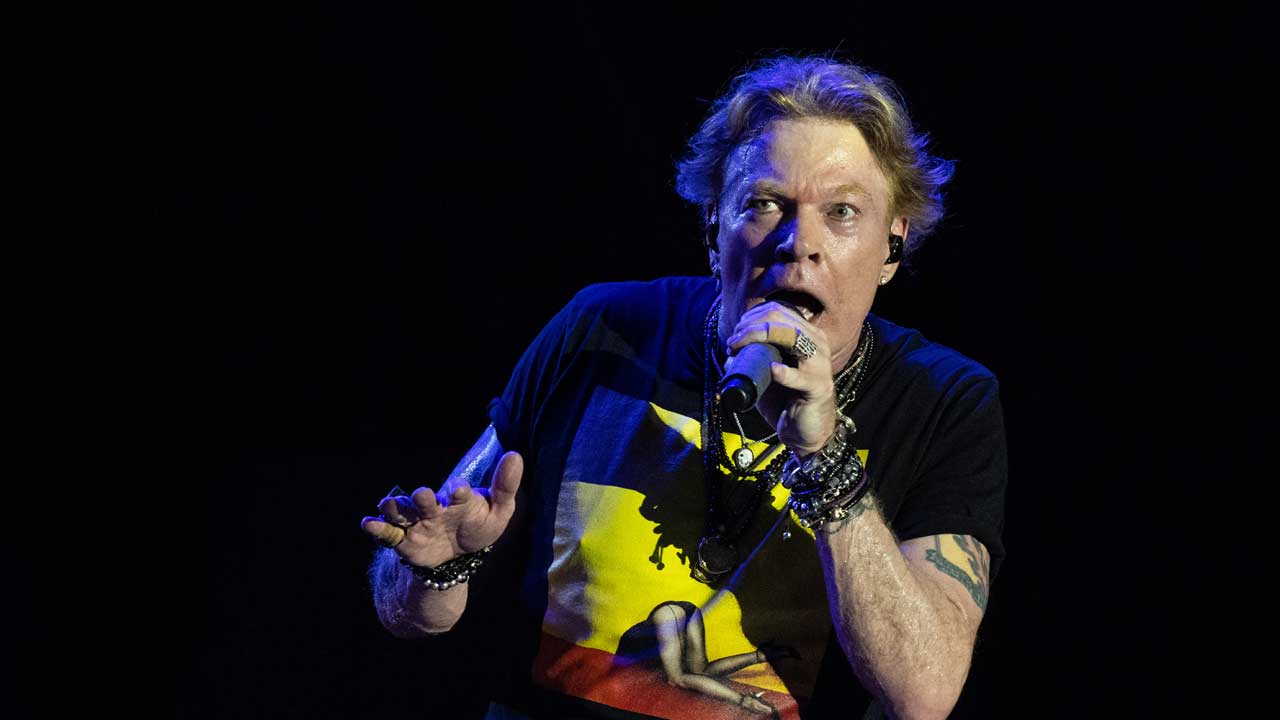
The live concert industry is built on the “Brand Promise.” When fans pay $200 for a stadium seat, they are purchasing an experience based on a historical standard. When Axl’s voice struggled during the Chinese Democracy era and early 2010s, the brand suffered from “Negative Brand Sentiment.” The disparity between the recorded legacy and the live delivery led to a period of brand instability. Reviewers and fans questioned if the “Axl Rose” brand was still a “Premium” offering or if it had moved into the “Legacy/Nostalgia” category where lower standards are accepted.
Brand Adaptation and Strategic Rejuvenation
Great brands do not die when their original product changes; they adapt. Axl Rose’s vocal journey is a masterclass in “Brand Rejuvenation.” Rather than retiring when his 1987 voice became difficult to maintain, Rose engaged in several strategic pivots that stabilized his brand’s market position.
From “Classic Axl” to the “Mickey Mouse” Era: Managing Fan Perception
The period between 2011 and 2014 was perhaps the most challenging for the brand. Axl’s voice often lacked the “weight” fans expected. However, the brand managed this by leaning into the “Spectacle.” By touring with high-end production and a revolving door of talented musicians, the focus was shifted from a purely vocal product to a holistic “GNR Experience.” This is a common tactic in corporate branding—when the core product faces a temporary dip in quality, the brand enhances the “customer service” and “packaging” surrounding it.
The 2016 AC/DC Pivot: A Case Study in Brand Resilience
The most significant moment in the modern history of the Axl Rose brand was his 2016 stint as the guest vocalist for AC/DC. This was a brilliant strategic move. By stepping into the shoes of Brian Johnson, Axl was forced to undergo rigorous vocal coaching and discipline. The result was a “Brand Refresh.” Fans saw a version of Axl that was punctual, professional, and vocally powerful. This “Co-Branding” exercise with AC/DC helped restore his reputation and set the stage for the highly lucrative “Not in This Lifetime” reunion tour with Slash and Duff McKagan. It proved that the brand could still deliver at an elite level, even if the “vocal tuning” had changed.
Lessons in Personal Branding for the Modern Era
The story of “what happened” to Axl Rose’s voice offers profound insights for anyone managing a personal or corporate brand. It highlights the tension between authenticity and the inevitable march of time.
Authenticity vs. Perfection in Brand Longevity
One of the reasons the Axl Rose brand remains powerful despite vocal fluctuations is “Authenticity.” Fans have watched him struggle, adapt, and succeed in real-time. In modern marketing, “Vulnerability” is a brand asset. By not relying on lip-syncing or heavy backing tracks (unlike many of his peers), Axl maintained a “Brand Integrity” that resonates with his audience. The “cracks” in the voice became a sign of a “Handcrafted Product” rather than a synthesized one. This authenticity allows the brand to survive “product defects” that would sink a more manufactured pop star.
Scaling the Legacy Beyond Physical Limitations
As of the 2020s, the GNR brand has successfully transitioned into a “Legacy Powerhouse.” The brand is no longer just about Axl’s ability to hit a high B-flat; it is about the “Catalog Equity.” The songs themselves—”Civil War,” “November Rain,” “Estranged”—have become independent assets. Axl Rose, as the brand manager, has successfully pivoted from being a “Performance-Based Brand” to a “Legacy-Based Brand.”
This transition is similar to how a tech company might pivot from “Hardware” (the physical voice) to “Software/Services” (the songs and the live experience). While the hardware might age and require more maintenance, the software continues to provide value to the end-user (the fan).
Conclusion: The Resilient Identity of a Rock Legend
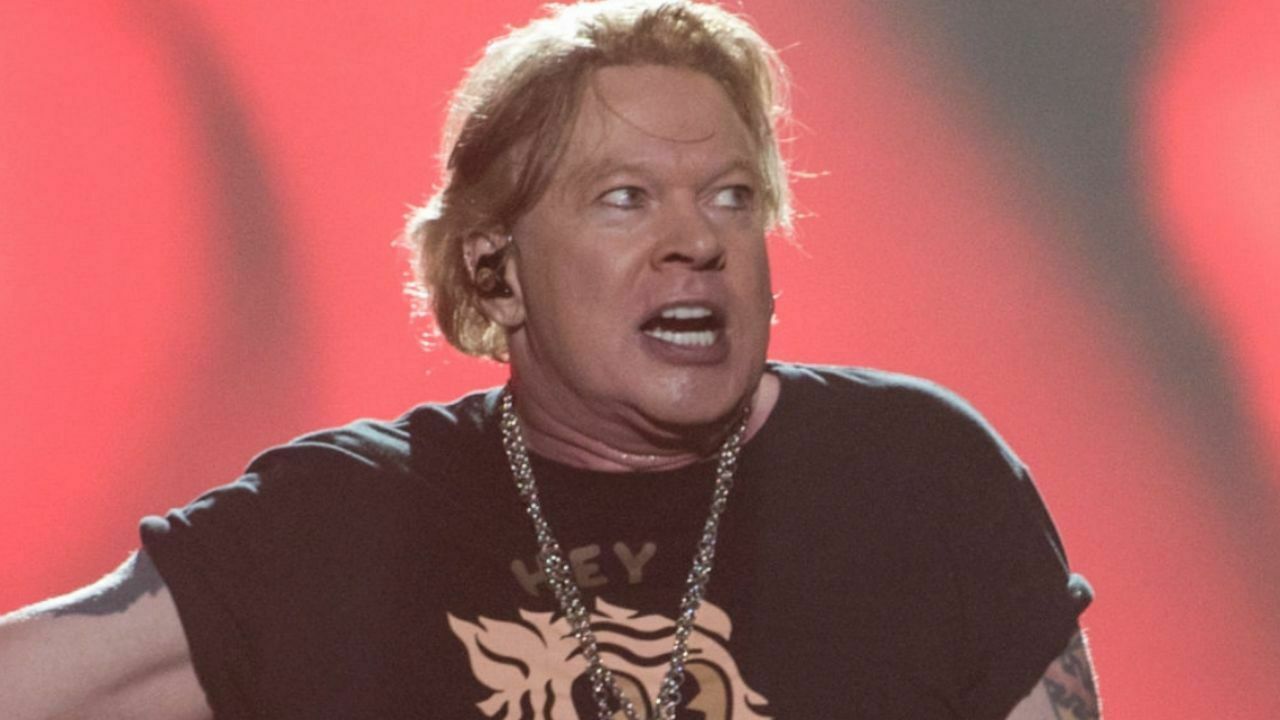
What happened to Axl Rose’s voice is not a tragedy of decline, but a narrative of brand survival. Through physiological changes, aging, and the immense pressure of global expectations, the Axl Rose brand has remained a dominant force in the music industry. By embracing strategic pivots, maintaining a core sense of authenticity, and leveraging co-branding opportunities, Rose has ensured that his personal brand remains “Too Big to Fail.”
In the end, the “Brand of Axl” is defined not by perfection, but by persistence. Whether he is singing with the raspy snarl of 1987 or the more controlled, mature tone of the 2020s, the brand remains consistent in its delivery of rebellion, emotion, and rock-and-roll grandiosity. For any business or individual, the lesson is clear: your core assets will change over time, but with the right brand strategy, your legacy can remain immortal.
aViewFromTheCave is a participant in the Amazon Services LLC Associates Program, an affiliate advertising program designed to provide a means for sites to earn advertising fees by advertising and linking to Amazon.com. Amazon, the Amazon logo, AmazonSupply, and the AmazonSupply logo are trademarks of Amazon.com, Inc. or its affiliates. As an Amazon Associate we earn affiliate commissions from qualifying purchases.