
In the hyper-competitive landscape of the global beauty and personal care industry—currently valued at over $500 billion—the success of a product often has less to do with its chemical formulation and more to do with its brand positioning. The specific consumer inquiry, “what does mousse do for straight hair,” serves as a quintessential case study in market segmentation and strategic communication. Traditionally, hair mousse was branded exclusively for the curly-haired demographic, marketed as a tool for “scrunching” and definition. However, modern brand strategy has pivoted, identifying the untapped potential of the straight-haired market to drive growth.
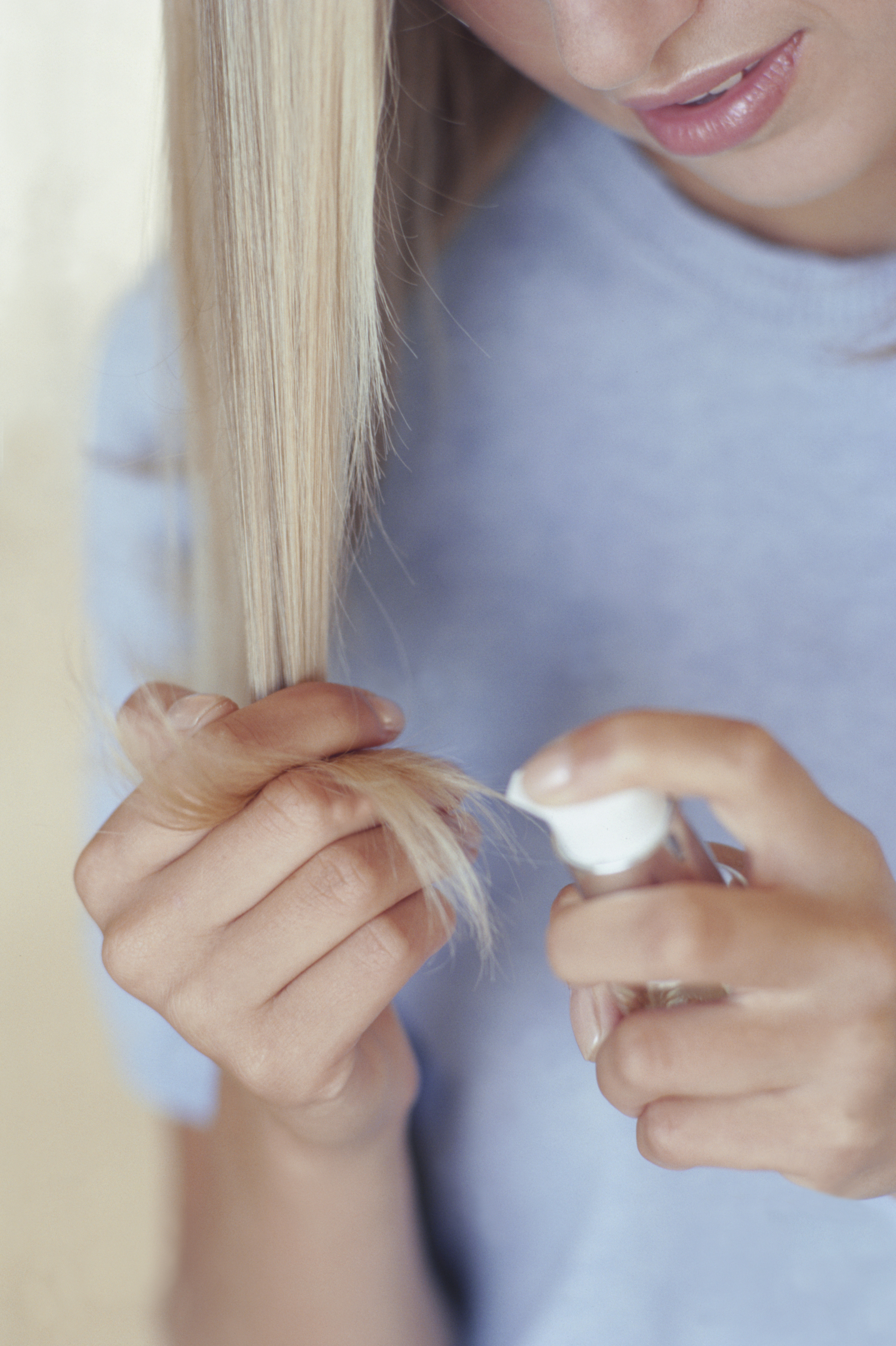
This article explores how hair care brands leverage specific product benefits to capture new demographics, the role of educational marketing in building brand equity, and the strategic differentiation required to turn a legacy product into a modern necessity for a previously ignored audience.
The Psychology of Product Positioning: Creating New Needs
Market positioning is the process of establishing an image or identity for a product so that consumers perceive it in a certain way. When a brand asks, “What can mousse do for straight hair?” they are not just answering a styling question; they are identifying a “pain point” in the straight-haired demographic—flatness, lack of grip, and styling longevity—and positioning an old product as the modern solution.
Redefining Utility: From Volume to Texture
For decades, mousse was positioned as a high-hold product for 80s-style curls. In contemporary branding, the narrative has shifted toward “weightless volume” and “lived-in texture.” Brands like Oribe and Living Proof have mastered the art of repositioning mousse not as a stiffening agent, but as a primer for straight hair. By changing the narrative from “control” to “foundation,” brands successfully expanded their Total Addressable Market (TAM). This strategic shift allows a brand to enter the bathroom cabinets of consumers who previously thought the product “wasn’t for them.”
Bridging the Gap Between Professional and Consumer Needs
Effective brand strategy often involves “trickle-down” education. Professional stylists have long used mousse on straight hair to provide the “grip” necessary for updos and blowouts. Strategic brands bridge the gap between professional backstage secrets and the everyday consumer. By articulating that mousse provides the structural integrity straight hair lacks, brands transform the product from a niche styling aid into a foundational necessity. This moves the product from the “discretionary” category to the “essential” category in the consumer’s mind.
Narrative Building in the Beauty Industry: Marketing the Benefit
A brand is no longer just a logo; it is a story. To successfully market mousse to the straight-haired consumer, brands must build a narrative that emphasizes transformation. The query “what does mousse do for straight hair” is a signal of high intent, and brands that answer this through cohesive storytelling capture the most value.
Educational Content as a Brand Trust Pillar
In the digital age, content marketing is the engine of brand strategy. Brands that produce high-quality, long-form content explaining the “why” and “how” of mousse for straight hair build significant brand equity. When a brand explains that mousse coats the hair shaft with polymers to provide lift at the root without the weight of heavy oils, they are using “authority marketing.” This builds trust. The consumer isn’t just buying a can of foam; they are buying the expertise of a brand that understands their specific hair struggles.
The Role of Influencer Marketing in Validating Niche Use Cases
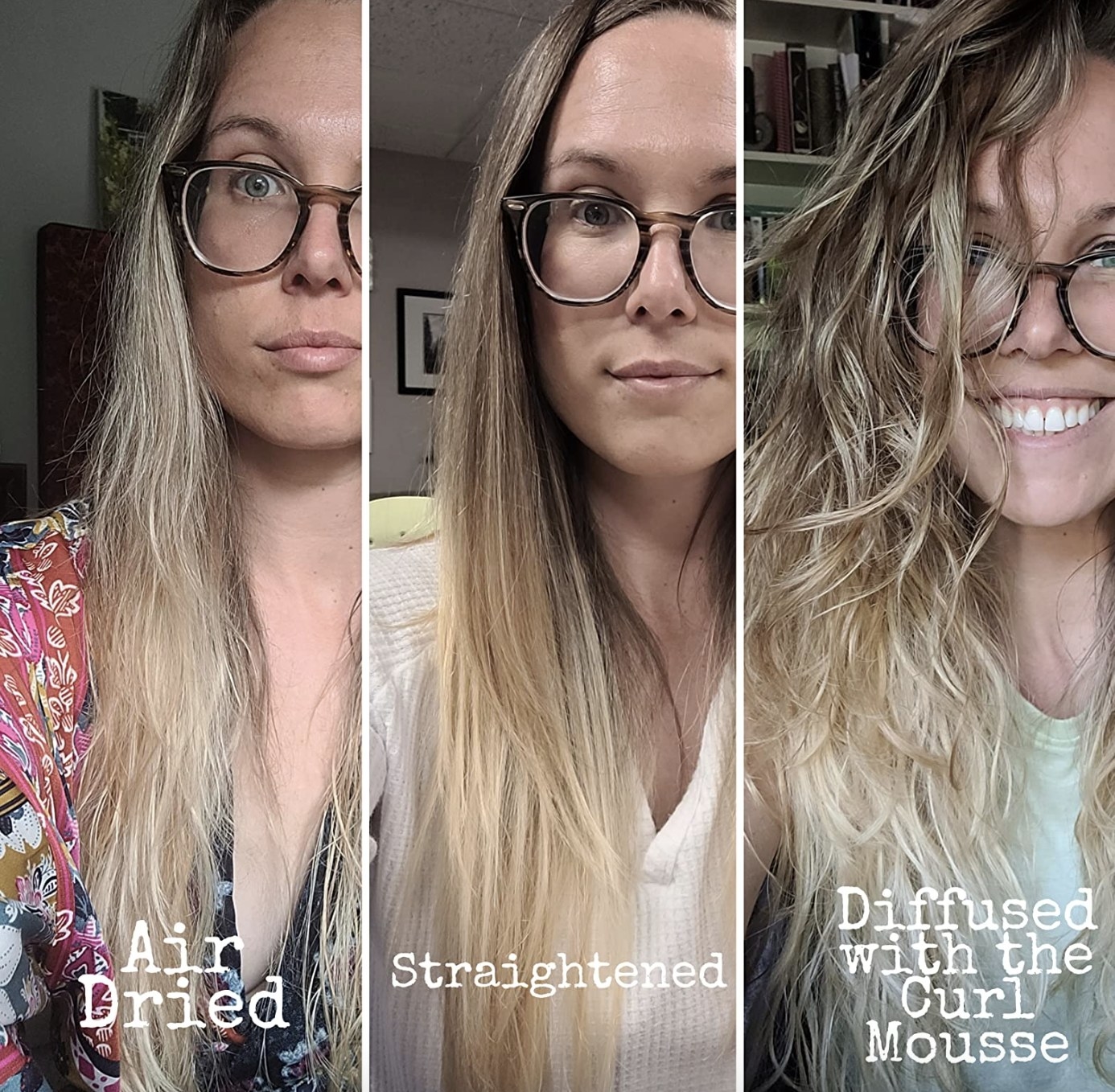
Brand validation often requires social proof. Strategic brands partner with influencers who possess “Type 1” (straight) hair to demonstrate the product’s efficacy. This visual storytelling is crucial. When a consumer sees a relatable figure achieve a “voluminous 90s blowout” on pin-straight hair using mousse, the brand’s value proposition is instantly validated. This is a move away from broad-spectrum advertising toward “micro-segmentation,” where the marketing feels personalized and hyper-relevant to the individual’s specific concerns.
Strategic Differentiation: How Brands Compete in a Crowded Market
The beauty market is saturated, making differentiation the primary goal of any corporate strategy. If every brand claims their mousse is good for straight hair, the brand that wins is the one that differentiates through ingredient transparency, visual identity, and emotional resonance.

Ingredient Transparency as a Competitive Edge
Modern consumers, particularly Gen Z and Millennials, are “skintellectuals.” They look at ingredient lists with a critical eye. Brands that differentiate by highlighting “clean” formulations—excluding alcohols that dry out straight hair or adding heat protectants—gain a competitive advantage. By positioning the mousse as a “treatment-styling hybrid,” brands can justify a premium price point. This strategy moves the product away from the “commodity” pricing of drugstore brands and into the “prestige” category.
Packaging and Visual Identity for Specific Hair Types
Design is a silent brand ambassador. Brands targeting the straight-haired demographic often use minimalist, sleek packaging that mirrors the desired outcome of the product: clean, polished, and sophisticated. The visual language of the brand—from the matte finish of the bottle to the typography used on the label—communicates who the product is for. A brand that uses clinical, minimalist aesthetics often appeals to the straight-haired consumer looking for “efficiency” and “science-backed results,” whereas a more vibrant, “maximalist” design might appeal to the curly-haired market looking for “expression” and “vitality.”
Revenue Growth Through Targeted Messaging
At its core, brand strategy is about driving sustainable revenue. By answering the specific needs of the straight-haired consumer, brands open up new channels for cross-selling and increasing the Customer Lifetime Value (CLV).
Cross-Selling and Upselling via Educational Funnels
Once a brand has convinced a straight-haired consumer that they need mousse, they can strategically introduce complementary products. This is often done through “regimen-based branding.” For example, a brand might market a “Volume Trifecta” consisting of a clarifying shampoo, a lightweight mousse, and a dry texture spray. By positioning the mousse as the middle step in a specialized routine, the brand increases the average order value (AOV) and ensures the consumer is fully immersed in the brand’s ecosystem.
Measuring Brand Equity Through Niche Search Intent
Data-driven brands monitor search trends like “what does mousse do for straight hair” to pivot their R&D and marketing spend. High search volume for niche use cases indicates a market gap. Brands that are agile enough to create dedicated landing pages, “How-To” videos, and targeted social ads around these specific queries can capture traffic at a much lower Customer Acquisition Cost (CAC) than those bidding on broad terms like “hair products.” This precision in marketing is what separates market leaders from laggards.
Future-Proofing the Hair Care Brand
As the market evolves, brands must look beyond immediate sales to long-term sustainability and technological integration. The way mousse is branded for straight hair today will likely be influenced by AI and ethical consumerism tomorrow.
Sustainability and Ethical Branding
The “mousse” category has historically struggled with its environmental footprint due to aerosol propellants. To future-proof the brand, companies are pivoting to non-aerosol foamers and sustainable packaging. For the straight-haired consumer, who often values “purity” and “lightness,” an eco-friendly brand story resonates deeply. Ethical branding—highlighting B-Corp certification or plastic-neutral footprints—creates an emotional bond with the consumer that transcends the functional benefits of the product.
AI-Driven Personalization in Beauty Branding
We are entering an era of “hyper-personalization.” Future brand strategies will involve AI tools that analyze a consumer’s hair type via a photo and recommend the exact amount of mousse needed for their specific hair density and length. By integrating technology into the brand experience, companies move from being “product sellers” to “consultants.” For the person wondering what mousse can do for their straight hair, an AI-driven brand provides a personalized answer that practically guarantees a successful result, thereby ensuring brand loyalty in an era of infinite choice.
Conclusion: The Strategic Power of the Specific
The question of what mousse does for straight hair is a reminder that in the world of branding, specificity is a superpower. By taking a universal product and narrowing the focus to a specific demographic’s needs—volume, grip, and texture for straight hair—brands can rejuvenate stagnant product lines and capture new market share.
Successful brand strategy in this niche requires a blend of psychological positioning, educational storytelling, and technological adaptation. When a brand successfully explains that mousse is the “secret weapon” for straight hair, they aren’t just selling a product; they are selling a transformation, a confidence boost, and a new standard of beauty. In the end, the brands that thrive are those that realize every search query is an opportunity to redefine their identity and deepen their connection with the consumer.
aViewFromTheCave is a participant in the Amazon Services LLC Associates Program, an affiliate advertising program designed to provide a means for sites to earn advertising fees by advertising and linking to Amazon.com. Amazon, the Amazon logo, AmazonSupply, and the AmazonSupply logo are trademarks of Amazon.com, Inc. or its affiliates. As an Amazon Associate we earn affiliate commissions from qualifying purchases.