
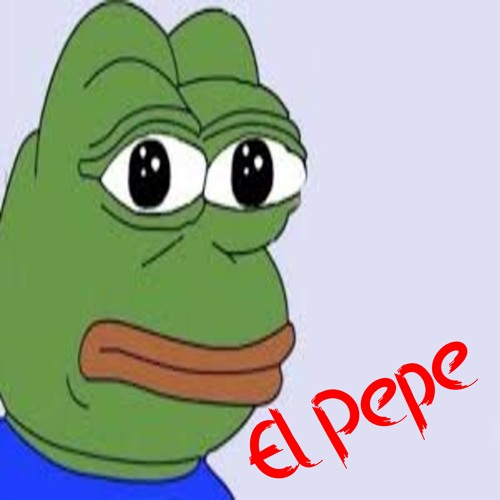
In the contemporary digital landscape, a two-syllable phrase can traverse the globe in milliseconds, evolving from a localized inside joke into a global linguistic staple. “El Pepe” is one such phenomenon. While at its surface it appears to be a simple reference to a person’s nickname, its trajectory provides a masterclass in the technological infrastructure of the 21st century. To understand what “El Pepe” means is to understand the intersection of algorithmic distribution, social media architecture, and the rapid evolution of digital communication.
The Digital Genesis: How Algorithms Defined the El Pepe Phenomenon
The phrase “El Pepe” originated from a relatively simple video of a young man being called by his nickname. However, its transformation into a global meme was not an accident of humor alone; it was a product of the sophisticated recommendation engines that power modern social media platforms.

The Role of TikTok’s Recommendation Engine
At the heart of the “El Pepe” surge is the TikTok “For You” Page (FYP). Unlike older social media models that relied heavily on a user’s social graph (who they follow), TikTok’s algorithm utilizes a content-graph model. This technology prioritizes engagement metrics—such as watch time, re-watch rate, and shares—over existing follower counts. When the “El Pepe” audio began to trigger high retention rates, the algorithm’s neural networks identified it as high-value content, aggressively pushing it to diverse demographic clusters across the globe.
Sound-First Content: The Architecture of Viral Audio
Unlike platforms that prioritize visual aesthetics, the rise of “El Pepe” highlights the “sound-first” architecture of modern tech. In the TikTok and Instagram Reel ecosystem, audio is a trackable metadata tag. When a user clicks on the “El Pepe” audio, they are directed to a repository of every video using that sound. This creates a feedback loop where the technology encourages “Remix Culture.” The software makes it friction-less for a user to “use this sound,” thereby lowering the barrier to entry for content creation and accelerating the meme’s lifecycle.
The Technological Infrastructure of Modern Memetics
The meaning of “El Pepe” has been shaped by the tools used to create and distribute it. We are no longer in an era of static images; we are in an era of dynamic, high-definition, and AI-enhanced video production that is accessible to anyone with a smartphone.
Remix Culture and Video Editing Software
The proliferation of “El Pepe” was fueled by the accessibility of mobile video editing suites like CapCut and InShot. These applications allow users to apply filters, synchronize transitions to audio beats, and layer multiple tracks of media. The “El Pepe” meme often appeared in “mashup” formats, paired with other viral icons like “Ete Sech.” This technical ability to layer and remix digital assets allows for a “meme-stacking” effect, where the technological ease of combining disparate media files leads to new, compounded cultural meanings.
From Text to Speech: The Digitization of Human Expression
A significant part of the “El Pepe” legacy involves the use of Text-to-Speech (TTS) technology. As the meme evolved, creators used AI-driven voice synthesis to have various characters say the phrase. This highlights a shift in digital communication where human expression is increasingly mediated through synthetic voices. The “meaning” of the phrase becomes secondary to its acoustic signature—a digital “ping” that signals belonging to a specific online subculture, processed by the platform’s audio-recognition APIs.
Data Analytics and the Lifecycle of a Digital Trend
From a technical perspective, “El Pepe” is a data point. For developers and digital strategists, the lifespan of such a meme provides critical insights into how information decays and mutates in a high-speed digital environment.
Real-Time Monitoring and Trend Prediction Tools
The rise and eventual plateau of “El Pepe” can be tracked through tools like Google Trends, social listening APIs, and specialized dashboard software such as Brandwatch or Meltwater. These technologies allow tech companies to visualize the “velocity” of a trend. By analyzing the “El Pepe” data set, developers can refine sentiment analysis algorithms, learning to distinguish between ironic usage and genuine engagement. This data helps in fine-tuning advertisement placement software, ensuring that brands do not insert themselves into a trend after it has reached its “cringe” threshold.
The Saturation Point: When the Algorithm Moves On
The lifecycle of a digital trend is governed by the law of diminishing returns. As the “El Pepe” metadata became over-saturated, platform algorithms began to de-prioritize it to prevent user fatigue—a technical safeguard known as “content diversity filtering.” This ensures that a user’s feed does not become a monolithic block of repetitive content. The transition of “El Pepe” from a viral sensation to a digital artifact is a testament to the automated curation systems that manage our attention economy.
The Intersection of AI and Meme Culture
As we look toward the future, the “El Pepe” phenomenon serves as a precursor to a new era of AI-generated humor and digital identity. The way we interact with these snippets of culture is being fundamentally rewritten by artificial intelligence.
Generative AI and the Future of Viral Content
We are entering a phase where memes like “El Pepe” will not only be remixed by humans but generated from scratch by AI. Large Language Models (LLMs) and diffusion models can now analyze what made “El Pepe” successful—its brevity, its phonetic punchiness, its relatability—and suggest or create similar content. The “meaning” of a meme in this context is a set of optimized parameters designed to trigger a dopamine response, calculated by an AI that understands human humor through the lens of data patterns.
Deepfakes and the Ethics of Digital Likeness
The “El Pepe” meme also touches upon the technical and ethical challenges of digital likeness. As the meme spread, the original subject’s face and voice were replicated across millions of screens, often without context. In the age of Deepfakes, the technology exists to place the “El Pepe” persona into entirely fabricated scenarios. This raises significant questions for digital security and software developers regarding the “Right to be Forgotten” and the implementation of watermarking technologies in user-generated content platforms.

Conclusion: The Technical Legacy of a Simple Phrase
So, what does “El Pepe” mean? In the world of technology, it means more than just a name. It represents a successful execution of algorithmic virality. It is a testament to the power of sound-based metadata and the efficiency of modern content delivery networks (CDNs) that can serve the same video to millions of users simultaneously without latency.
“El Pepe” is a symptom of a highly connected, software-driven world where the distance between a local joke and a global trend is narrowed to a single swipe. It illustrates how the tools we use—from the recommendation engines of TikTok to the AI voices of our editing software—shape the way we communicate and what we find significant. As we move further into the decade, the lessons learned from the “El Pepe” trend will continue to inform how developers build the next generation of social platforms, ensuring that the next “Pepe” is just an algorithm away.
aViewFromTheCave is a participant in the Amazon Services LLC Associates Program, an affiliate advertising program designed to provide a means for sites to earn advertising fees by advertising and linking to Amazon.com. Amazon, the Amazon logo, AmazonSupply, and the AmazonSupply logo are trademarks of Amazon.com, Inc. or its affiliates. As an Amazon Associate we earn affiliate commissions from qualifying purchases.