
The term “classic film” evokes images of black-and-white romances, sweeping epics, and unforgettable characters that have transcended generations. Yet, defining precisely what constitutes a classic film is a far more nuanced endeavor than simply pointing to an old movie. It’s a designation imbued with cultural significance, artistic merit, and a lasting impact that resists the ephemeral nature of popular trends. A classic film is not merely a product of its time; it is a work that speaks across eras, influencing subsequent art, shaping cultural narratives, and continuing to resonate with new audiences long after its initial release. Its status is often solidified through a complex interplay of initial critical and commercial reception, sustained academic discourse, ongoing public appreciation, and crucially, its capacity to adapt and remain relevant in an ever-evolving media landscape, propelled by advancements in technology, strategic branding, and intricate financial ecosystems.

At its core, a classic film is an enduring masterpiece that has demonstrated significant artistic and cinematic achievement. It possesses qualities that allow it to be rewatched, reinterpreted, and rediscovered, offering new insights with each viewing. But beyond the subjective appreciation of art, the designation of “classic” is a dynamic process, influenced by a multitude of factors that extend into the realms of technological preservation, brand building, and economic valuation. Understanding what makes a film a classic requires a holistic perspective, one that acknowledges both its intrinsic creative brilliance and the external forces that elevate it from mere entertainment to cultural touchstone.
The Enduring Artistry: Foundations of Classic Status
Before we delve into the external forces shaping a classic’s legacy, it’s essential to acknowledge the bedrock of its initial claim to fame: its inherent artistic and cinematic quality. A film cannot become a classic without first demonstrating a profound level of mastery in storytelling, direction, performance, and technical execution. These are the fundamental elements that captivate audiences, impress critics, and lay the groundwork for a film’s journey towards timelessness.
Beyond Box Office: The Intangibles of Storytelling and Direction
While initial box office success can provide a platform, it is rarely the sole determinant of a classic film. Many groundbreaking films were not immediate commercial blockbusters but gained recognition over time through critical re-evaluation and public rediscovery. What truly elevates a film is its narrative depth, thematic resonance, and the distinct vision of its creators. Classic films often explore universal human experiences—love, loss, ambition, morality, and the search for identity—in ways that feel both specific to their context and universally relatable. Think of the complex moral ambiguities in Casablanca, the existential dread of Blade Runner, or the profound humanity in To Kill a Mockingbird. These films tell stories that transcend simple plots, inviting viewers to ponder deeper meanings and confront enduring questions.
Direction plays a pivotal role, with visionaries like Alfred Hitchcock, Stanley Kubrick, Akira Kurosawa, and Agnès Varda crafting distinctive visual languages and narrative structures that push the boundaries of cinematic expression. Their innovative techniques, daring choices, and meticulous attention to detail forge a unique aesthetic signature that becomes synonymous with their work. Similarly, iconic performances, where actors inhabit characters so completely that they become indelible parts of our collective consciousness, contribute immensely. Humphrey Bogart’s Rick Blaine, Marlon Brando’s Vito Corleone, or Meryl Streep’s Sophie Zawistowski are not just roles; they are cultural archetypes that define cinematic eras and embody the power of human emotion on screen. The synergy of these elements—a compelling script, masterful direction, and unforgettable performances—creates an immersive and emotionally resonant experience that sets a film apart from the ephemeral entertainment of its peers.
Cultivating Cultural Resonance: From Niche to Mainstream
The journey from a noteworthy film to a full-fledged classic involves a crucial phase of cultivating cultural resonance. This is where a film transcends its original release and embeds itself into the broader cultural consciousness, influencing subsequent generations of artists, thinkers, and ordinary viewers. A classic film doesn’t just entertain; it shapes perceptions, inspires new forms of expression, and provides a shared lexicon for understanding human experience. Its impact reverberates across various cultural domains, from academic discourse to popular slang.
This cultural osmosis can manifest in myriad ways. Iconic lines of dialogue—”Here’s looking at you, kid,” “May the Force be with you,” “I’m king of the world!”—become common parlance, quoted and referenced even by those who haven’t seen the film. Visual motifs, character archetypes, and narrative tropes originating in classic films are frequently reinterpreted, parodied, or paid homage to in later works across film, television, literature, and even fashion. A classic film might inspire academic treatises, film festival retrospectives, or even dedicated fan conventions decades after its debut. It sparks ongoing conversations, ignites debates about its meaning and relevance, and continues to be taught in film schools as a masterclass in cinematic craft. This sustained engagement, born out of its initial artistic impact, transforms a film from a commercial product into a living cultural artifact, constantly re-evaluated and celebrated by successive audiences, ensuring its continued relevance and cementing its “classic” status.
Technology’s Unseen Hand: Preserving and Propelling Legacies
While the artistic integrity of a film is paramount, its ability to become and remain a classic in the modern era is profoundly intertwined with technological advancements. Technology plays a dual role: it not only facilitates the creation of groundbreaking cinematic works but also, crucially, ensures their survival and accessibility for future generations. In an age of rapid digital transformation, the tools and techniques used for preservation, restoration, and distribution are as vital as the original creative vision itself.
From Celluloid to Silicon: The Evolution of Film Preservation
The fragile nature of early film stock meant that countless cinematic treasures were lost to decay, neglect, or the ravages of time. The nitrate film used in the silent era and into the mid-20th century was highly flammable and prone to decomposition, leading to the irreversible loss of a significant portion of early film history. The advent of safety film helped, but the chemical processes and physical wear of celluloid prints still posed a constant threat to a film’s longevity. This is where technology steps in as the ultimate custodian of cinematic heritage.
Modern film preservation is a highly specialized and technologically intensive field. It involves meticulous chemical treatments to stabilize aging film prints, frame-by-frame cleaning and repair, and, most importantly, high-resolution digital scanning. Digitization is a game-changer, transforming delicate physical reels into robust digital files that can be stored, copied, and accessed without further damage to the original material. Advanced digital restoration techniques can meticulously remove scratches, dust, flicker, and color fading, breathing new life into films that once seemed irrevocably degraded. Audio restoration technology can similarly clean up crackly soundtracks, clarify dialogue, and enhance musical scores, restoring a film to something closer to its original splendor. Archives and film institutes around the world, equipped with cutting-edge scanners, massive digital storage facilities, and powerful computing resources, are at the forefront of this effort, safeguarding the world’s cinematic patrimony. Without these technological interventions, many films now considered classics would simply cease to exist, their artistic legacies lost to entropy.
Accessibility and Innovation: Classic Films in the Digital Age
Beyond mere preservation, technology dramatically influences how classic films are discovered, consumed, and experienced by contemporary audiences. The shift from physical media to digital platforms has revolutionized access, making films that were once confined to niche screenings or expensive DVD box sets readily available to a global viewership. Streaming services, video-on-demand platforms, and digital rental marketplaces have democratized access, allowing new generations to discover cinematic masterpieces with unprecedented ease.
Moreover, technological innovations continue to enhance the viewing experience itself. High-definition Blu-ray and 4K UHD releases offer visual and audio fidelity far superior to original theatrical prints, often accompanied by extensive bonus features, director commentaries, and documentaries that deepen appreciation and understanding. The proliferation of advanced home theater systems allows for a cinematic experience that rivals, and in some cases surpasses, traditional moviegoing. Artificial intelligence (AI) is beginning to play a role too, not just in restoration, but potentially in cataloging, recommending, and even analyzing classic films. AI algorithms could, for instance, identify recurring stylistic patterns, thematic links, or narrative structures across vast film libraries, offering new insights into what makes a film “classic.” Furthermore, AI-powered upscaling and frame interpolation technologies are being developed to enhance the visual quality of older films, making them more palatable to audiences accustomed to contemporary production values. These technological advancements ensure that classic films are not just preserved as static relics but remain dynamic, accessible, and vibrant parts of our cultural conversation, continually re-engaging with new technological paradigms.

The Branding of Brilliance: How Films Become Cultural Icons
In the crowded landscape of media and entertainment, simply being a good film isn’t enough to secure lasting classic status. A classic film, whether intentionally or organically, develops a powerful “brand identity” that transcends its initial release. This brand encompasses its reputation, its cultural influence, and the way it is perceived and remembered by the public. Understanding this branding aspect is crucial, as it speaks to how a film’s legacy is cultivated and sustained over decades, often becoming more potent with time.
Crafting Cinematic Identities: Directors, Stars, and Studios as Brands
Much like consumer products, films and their creators can develop distinct brand identities that contribute significantly to their enduring appeal. Directors, in particular, often forge personal brands built on consistent stylistic choices, thematic preoccupations, or a recognizable artistic signature. Alfred Hitchcock, with his mastery of suspense and psychological thrillers, became a brand unto himself. Stanley Kubrick’s meticulous perfectionism and thematic ambition are hallmarks of his cinematic brand. Quentin Tarantino’s distinctive dialogue and non-linear narratives define his. When a film is associated with such a strong directorial brand, it lends an immediate weight of expectation and quality that can contribute to its classic status, even before it’s seen.
Similarly, iconic actors and actresses develop potent personal brands. Figures like Marilyn Monroe, James Dean, Audrey Hepburn, or Sidney Poitier were not just performers; they were cultural symbols, embodying certain ideals or challenging prevailing norms. Their presence in a film elevated its profile and contributed to its mythic quality. Beyond individuals, the major Hollywood studios of the “Golden Age” also operated with powerful corporate identities. MGM was synonymous with glamorous musicals, Warner Bros. with gritty gangster films and social dramas, and Universal with horror. These studio brands created expectations and associations that, over time, helped cement the “classic” designation for many of their productions, often reinforcing a specific cinematic style or genre that became emblematic of an era. The synergy between these personal and corporate brands builds a halo effect around certain films, making them stand out and be remembered.
Marketing Mythology: The Long Tail of a Film’s Reputation
The journey of a film to classic status is not a passive one; it is actively shaped by an ongoing process of reputation management and cultural discourse that can be seen as a form of long-tail marketing. While initial marketing campaigns are designed to attract audiences, the marketing of mythology that surrounds a classic film unfolds over decades, fueled by various cultural gatekeepers and community engagement.
Critical reception plays a monumental role. Over time, a consensus of critical opinion, often revisited and re-evaluated by subsequent generations of film critics and academics, can elevate a film’s standing. Academic studies and scholarly articles dissecting a film’s themes, techniques, and historical context lend intellectual weight, establishing its importance within film history. Film festivals and retrospective screenings reintroduce older films to new audiences, often with fresh analyses and interpretations. Fan communities, online forums, and social media discussions contribute to the film’s ongoing cultural relevance, keeping its narrative alive and its imagery circulating. Even merchandise, spin-offs, and remakes, while sometimes controversial, serve to extend a film’s brand reach and remind new generations of its existence and influence. This sustained and multifaceted engagement across various platforms effectively “brands” a film as significant, etching its presence into the collective cultural memory and ensuring that its legacy is not only preserved but actively celebrated and re-propagated through new channels and contexts.
The Economic Engine: Valuing the Timeless Masterpiece
While often viewed through an artistic lens, the journey of a classic film is also deeply entwined with financial considerations. From the initial investment in its production to the long-term revenue streams it generates, and the significant costs associated with its preservation, money plays an undeniable role in defining and sustaining a classic’s legacy. A truly classic film isn’t just a cultural asset; it’s an economic asset that continues to yield value long after its initial theatrical run.
Return on Investment: Financial Success and Lasting Value
The notion of a film as an “investment” might seem antithetical to artistic creation, but the reality is that filmmaking is an industry. While artistic merit is key, a film’s initial financial performance can often determine its reach and potential for longevity. A film that performs well at the box office secures funding for future projects, solidifies a studio’s reputation, and gains more extensive distribution, all of which contribute to its visibility and ability to be seen by enough people to spark a cultural phenomenon.
However, the “return on investment” for a classic film extends far beyond its initial theatrical run. A classic continues to generate revenue through a multitude of channels decades after its release. This includes licensing for streaming platforms, cable television broadcasts, and syndication; sales of physical media (DVDs, Blu-rays, 4K UHD); merchandise sales (posters, apparel, collectibles); and even licensing for adaptations, sequels, and remakes. Think of the consistent revenue generated by franchises born from classic films like Star Wars or the ongoing licensing deals for images and themes from The Wizard of Oz. Furthermore, a film’s classic status can elevate the perceived value of its associated assets, such as original props, costumes, and scripts, which become highly sought-after collector’s items. The financial viability derived from these long-tail revenue streams directly supports the ongoing maintenance of its legacy, funding everything from new restoration efforts to promotional events, thus perpetuating its presence in the market and ensuring its enduring economic as well as cultural value.
The Asset of Artistry: Investment in Preservation and Legacy
Paradoxically, while classic films can be powerful revenue generators, their very existence as cultural assets often requires significant and ongoing financial investment. The preservation and restoration efforts discussed earlier, while technologically advanced, are also incredibly expensive. Digitizing and restoring a single film can cost hundreds of thousands, if not millions, of dollars, involving specialized equipment, highly skilled technicians, and vast digital storage infrastructure. These costs are often borne by film archives, cultural institutions, and sometimes by the studios themselves, recognizing the long-term value of their cinematic heritage.
This investment in preservation is not merely a philanthropic endeavor; it’s an acknowledgment that classic films represent irreplaceable cultural capital. They are historical documents, artistic achievements, and often significant revenue-generating assets that require careful stewardship. Governments and private foundations often contribute funding, recognizing the public good derived from preserving these works. The continued availability of classic films for academic study, public exhibition, and commercial licensing hinges on this sustained financial commitment. Moreover, the economic impact of classic films extends to cultural tourism, educational programs, and the creation of related industries, all of which contribute to the broader economy. Therefore, viewing a classic film solely as an artistic creation misses a crucial dimension; it is also a valuable asset whose longevity is secured through continuous financial investment, underpinning its artistic and cultural immortality.
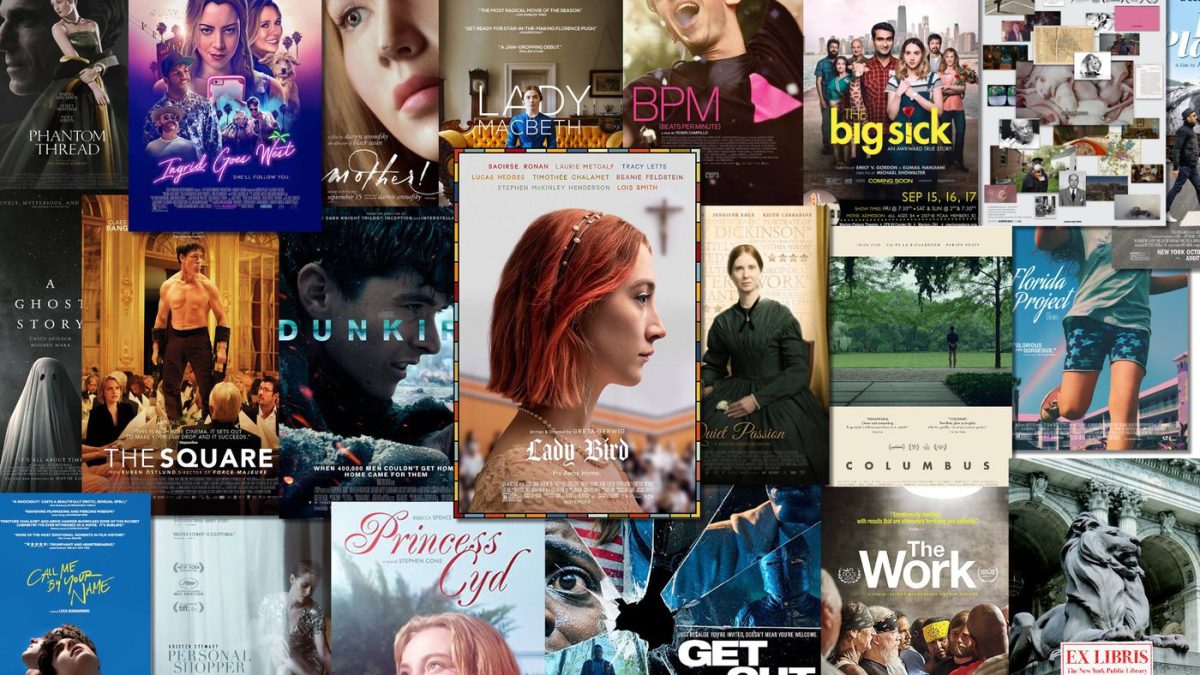
The Multifaceted Legacy of a Classic Film
Ultimately, what is a classic film? It is a masterpiece forged in the crucible of artistic genius, then tempered and refined by the relentless march of technological innovation, the strategic cultivation of its brand, and the sustained economic investment required to ensure its longevity. It is more than just an old movie; it is a cultural touchstone that has transcended its original context to become a permanent fixture in the collective consciousness.
A classic film speaks to us across generations, not just because its story or characters are timeless, but because technology has allowed us to see and hear it with renewed clarity. Its creators and narratives have been branded into our minds through decades of critical discourse, academic study, and popular culture osmosis. Its continued presence and accessibility are often underwritten by a complex financial ecosystem that recognizes its enduring value, both artistic and monetary.
The definition of a classic film is therefore a dynamic, evolving concept, shaped by an intricate interplay of intrinsic artistic merit and extrinsic forces. It is a testament to human creativity, preserved and propelled into the future by our constant advancements in technology, our innate desire to create and cherish cultural brands, and our understanding of the profound economic and cultural value embedded within these timeless cinematic treasures. A classic film is not just remembered; it is actively sustained, revered, and rediscovered, an eternal flickering light in the vast history of storytelling.
aViewFromTheCave is a participant in the Amazon Services LLC Associates Program, an affiliate advertising program designed to provide a means for sites to earn advertising fees by advertising and linking to Amazon.com. Amazon, the Amazon logo, AmazonSupply, and the AmazonSupply logo are trademarks of Amazon.com, Inc. or its affiliates. As an Amazon Associate we earn affiliate commissions from qualifying purchases.