
In the contemporary business landscape, the definition of leadership has shifted from the traditional “command and control” hierarchy to a more nuanced, influence-based model. When we ask, “What does being a leader mean?” through the lens of branding, we discover that leadership is no longer just a position on an organizational chart—it is the ultimate expression of a brand’s promise. Whether it is an individual building a personal brand or a multi-national corporation establishing market dominance, being a leader means curating an identity that inspires trust, commands authority, and drives a specific narrative in the marketplace.
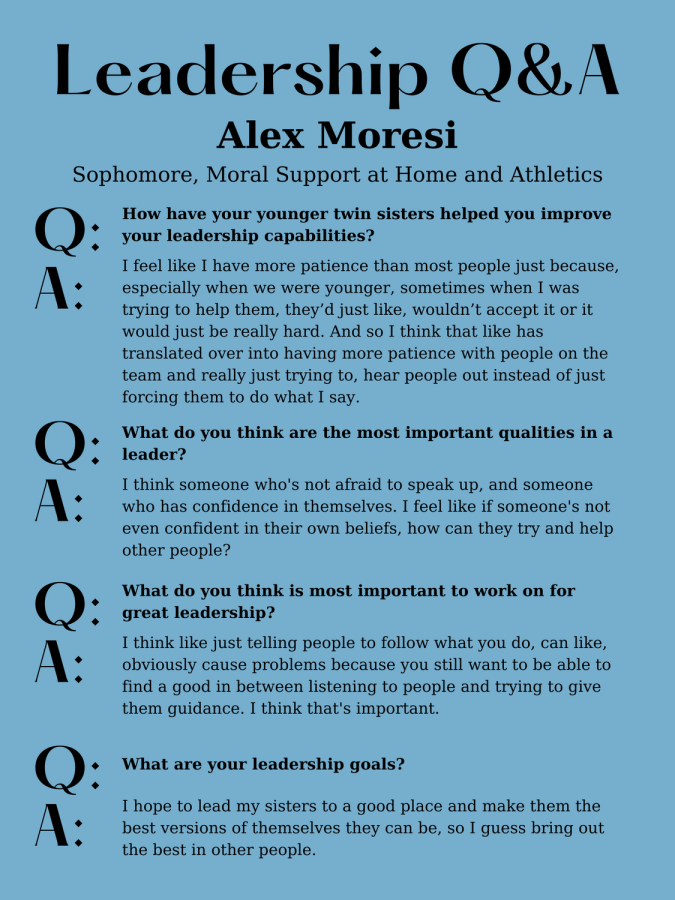
Leadership is the strategic engine of brand equity. It is the ability to project a vision so clearly that it becomes a lighthouse for customers, employees, and stakeholders alike. In this article, we will explore the intersection of leadership and branding, examining how modern leaders leverage their identity to build legacies that transcend products and services.
Leadership as the Core of Brand Identity
At its heart, leadership is the DNA of a brand. Without a clear leadership philosophy, a brand is merely a collection of logos and slogans. For a brand to resonate, it must stand for something, and that “something” is defined by the leaders at the helm.
Defining Values: The Compass of a Leader
The first step in understanding what leadership means within a branding context is the identification of core values. A leader’s primary responsibility is to act as the guardian of the brand’s moral and ethical compass. In a world where consumers are increasingly “belief-driven,” leaders must ensure that their brand’s identity is rooted in authentic values.
Being a leader means making difficult choices that align with these values, even when they conflict with short-term profits. When a brand leader takes a stand on a social issue or doubles down on sustainability, they are defining what the brand stands for. This clarity creates a “tribal” connection with the audience, where customers don’t just buy a product; they buy into a worldview.
Consistency: The Bridge Between Vision and Perception
Leadership also means maintaining absolute consistency across all touchpoints. A brand is a promise made, and leadership is the discipline required to keep that promise. In brand strategy, inconsistency is the fastest way to erode trust.
A leader ensures that the corporate identity—from the visual design to the tone of voice in marketing materials—reflects the same core message. This level of oversight requires a deep understanding of the brand’s narrative. To lead is to be the “Chief Storyteller,” ensuring that every department is singing from the same metaphorical hymnal, thereby creating a cohesive and reliable brand experience for the consumer.
The Evolution of Thought Leadership
In the digital age, “what being a leader means” has expanded to include the concept of thought leadership. This is a strategic branding move where an individual or organization is recognized as an authority in a specific niche. Thought leadership is not about selling; it is about providing value through insights, education, and perspective.
From Expertise to Influence
Traditional expertise is static, but thought leadership is dynamic. Being a leader in this space means moving beyond simply “knowing” a subject to “shaping” the conversation around it. This involves a commitment to content creation—white papers, keynote speeches, and insightful social media commentary—that challenges the status quo.
For a brand, thought leadership is a powerful tool for differentiation. When a company’s leaders are seen as the smartest people in the room, the company itself gains a competitive advantage. It moves the brand from being a vendor to being a partner. Influence, in this context, is the currency of leadership. By sharing proprietary insights and predicting industry trends, a leader builds a brand that others naturally want to follow.
Building Trust Through Radical Transparency
Modern leadership branding requires a level of transparency that was unheard of twenty years ago. To lead today is to be vulnerable. This means admitting mistakes, sharing the “behind-the-scenes” struggles of the business, and being honest about the brand’s journey.
Radical transparency builds a unique kind of brand equity: authenticity. When leaders speak openly about their challenges, they humanize the brand. This human connection is the foundation of modern loyalty. In a marketplace saturated with polished, corporate-speak advertisements, the leader who speaks with a human voice stands out. Leadership, therefore, is the act of removing the corporate mask to reveal the purpose-driven face of the brand.
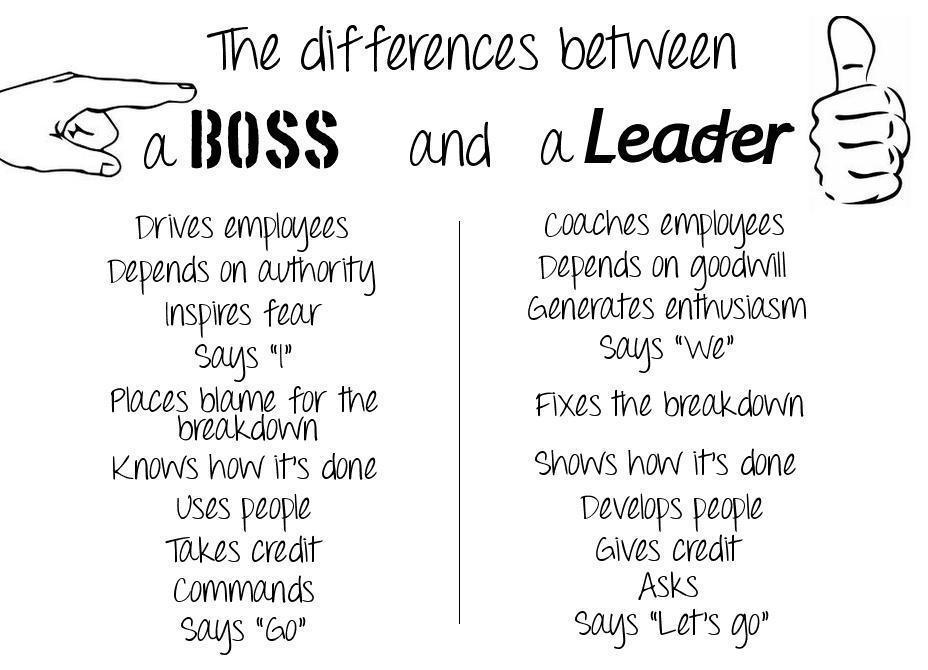
Leading the Market: Beyond Market Share to Mindshare
When we look at brand strategy on a corporate level, being a leader means achieving “Mindshare.” This is the psychological real estate a brand occupies in the consumer’s brain. To be a market leader is to be the first name that comes to mind when a specific need arises.
Innovation as a Leadership Strategy
You cannot lead a market by following the competition. Therefore, being a leader means fostering a culture of relentless innovation. This isn’t just about R&D; it’s about “Brand Innovation”—finding new ways to communicate, new ways to serve, and new ways to solve problems.
Leaders must be willing to cannibalize their own successful products to make room for the next big thing. This proactive stance prevents the brand from becoming stagnant. In the world of branding, if you aren’t leading the change, you are being changed by it. Market leadership requires the courage to be first, the resilience to fail publicly, and the vision to see where the market is going before the data even suggests it.
Emotional Connection: The Leader’s Secret Weapon
Market leaders understand that branding is not a rational process; it is an emotional one. Being a leader means mastering the art of emotional resonance. This involves sophisticated design, storytelling, and experiential marketing that triggers a specific feeling in the consumer.
Think of the world’s leading brands. They don’t just sell phones or cars; they sell status, freedom, or creativity. The leader’s role is to identify the emotional “hook” that connects the brand’s identity to the consumer’s aspirations. By leading with emotion, a brand moves past the commodity stage and into the realm of lifestyle integration, where it becomes an indispensable part of the user’s identity.
Personal Branding: Every Individual is a Leader
In the modern professional world, the concept of leadership is no longer reserved for C-suite executives. Every professional is, in essence, the CEO of their own personal brand. In this niche, “what being a leader means” is the intentional management of one’s professional reputation.
Curating a Narrative of Authority
Personal branding is the process of leading yourself. It involves a strategic assessment of your strengths, your unique value proposition, and the way you wish to be perceived by your industry. To lead your own brand, you must be disciplined about your public image.
This includes everything from your LinkedIn profile to the way you conduct yourself in meetings. Being a leader means curating a narrative of authority. It involves choosing a niche, mastering it, and then communicating that mastery consistently. When you lead your personal brand effectively, opportunities come to you because your reputation precedes you. You become a “magnet” for success rather than a seeker of it.
Networking as Leadership Outreach
True leadership is never a solitary endeavor. In the context of personal branding, being a leader means being a connector. It is about building a network of influence where you provide as much value as you receive.
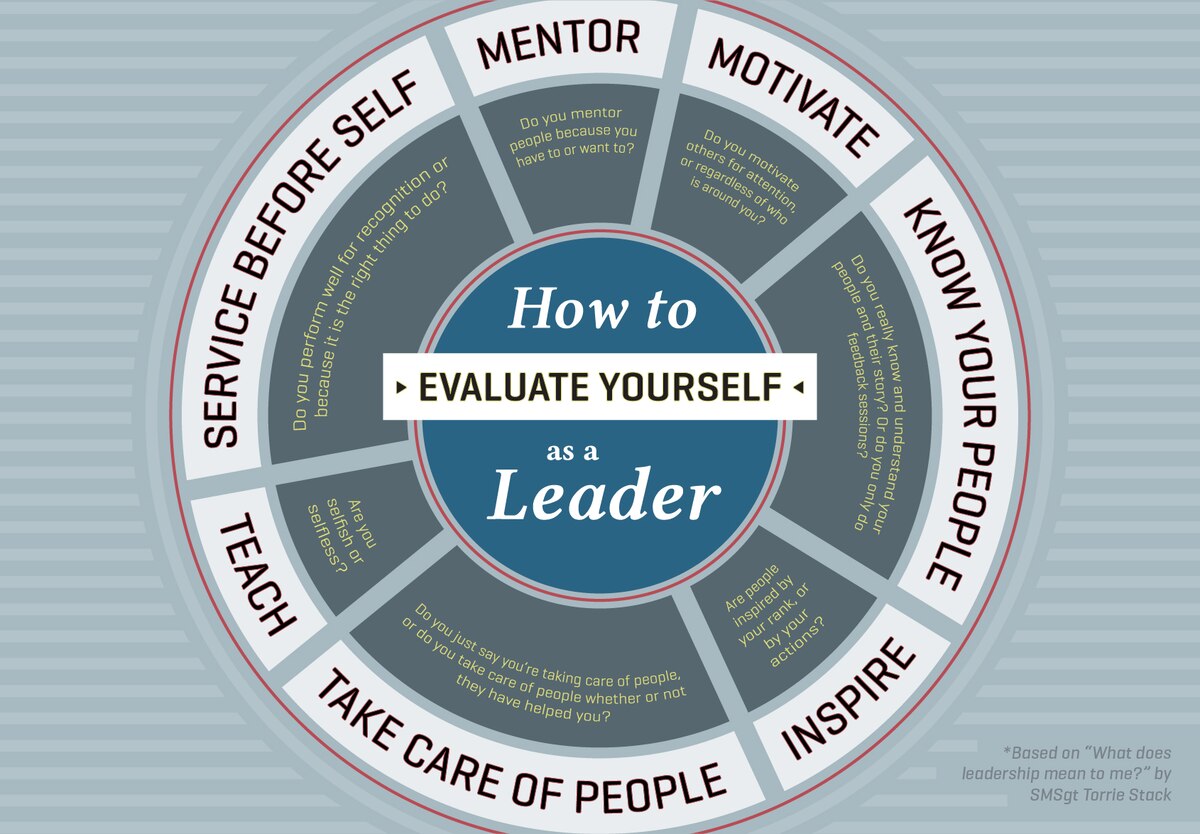
Leadership outreach involves mentoring others, collaborating on projects, and contributing to the professional community. This elevates your brand from “self-serving” to “service-oriented.” A leader is someone who raises the tide for all boats. By helping others build their brands, you solidify your own position as a leader within your network. Your brand becomes synonymous with growth, generosity, and professional excellence.
Conclusion: The New Definition of Leadership
So, what does being a leader mean? In the world of branding and strategy, it means being the architect of perception. It is the ability to fuse vision with action, creating an identity that is both aspirational and authentic.
Whether you are steering a global corporation or refining your personal professional identity, leadership is about taking ownership of the narrative. It is about moving beyond the “what” and the “how” to focus on the “why.” Leaders are those who define the purpose of their brand and then have the courage to live that purpose out loud. In doing so, they don’t just win customers; they inspire a movement. Leadership, ultimately, is the highest form of branding—it is the art of making yourself, or your company, impossible to ignore and even harder to forget.
aViewFromTheCave is a participant in the Amazon Services LLC Associates Program, an affiliate advertising program designed to provide a means for sites to earn advertising fees by advertising and linking to Amazon.com. Amazon, the Amazon logo, AmazonSupply, and the AmazonSupply logo are trademarks of Amazon.com, Inc. or its affiliates. As an Amazon Associate we earn affiliate commissions from qualifying purchases.