
In the traditional medical landscape, a clinician’s ear was the primary tool for diagnosing respiratory distress. For decades, parents and doctors have asked, “What does an RSV cough sound like?” attempting to distinguish the wet, rattling cough of Respiratory Syncytial Virus (RSV) from the brassy bark of croup or the dry hack of a common cold. However, in the era of digital transformation, this subjective auditory assessment is being replaced by high-precision technology. Today, identifying an RSV cough is less about human intuition and more about bio-acoustic signal processing, machine learning algorithms, and the burgeoning field of “acoustic epidemiology.”

As we move deeper into the 2020s, the intersection of healthcare and technology has birthed a new niche: sound-based diagnostics. By leveraging the sensors already present in our smartphones and the processing power of artificial intelligence (AI), the tech industry is turning the “sound” of a cough into a quantifiable data point, revolutionizing how we monitor and manage pediatric respiratory health.
The Digital Signature: Audio Processing in Modern Healthcare
To a computer, a cough is not just a noise; it is a complex sequence of acoustic events. When a patient suffers from RSV, the inflammation of the small airways (bronchiolitis) creates specific fluid dynamics that produce unique sound frequencies. Tech developers are now utilizing advanced audio processing to map these “digital signatures.”
Spectrogram Analysis and Frequency Mapping
The first step in identifying an RSV cough through technology involves converting sound waves into visual representations known as spectrograms. These graphs display the frequency, intensity, and duration of a cough. RSV typically manifests in the lower respiratory tract, producing a distinctive “wet” sound caused by mucus accumulation.
Digital signal processing (DSP) algorithms can isolate these low-frequency rumbles from ambient noise. By stripping away background sounds—such as a television or a crying infant—software can focus exclusively on the glottal closure and expiratory phase of the cough. This level of granular analysis allows tech tools to identify “crackles” and “wheezes” that might be too subtle for the human ear to detect consistently.
Differentiating RSV via Machine Learning Algorithms
The true power of this technology lies in machine learning (ML). By feeding thousands of recorded cough samples into neural networks—labeled as RSV, asthma, pneumonia, or COVID-19—the software learns to identify patterns.
Unlike a human practitioner who may be influenced by seasonal trends or cognitive bias, an AI model evaluates the “attack,” “steady-state,” and “decay” phases of a cough with mathematical objectivity. For RSV, the algorithm looks for specific signatures of bronchiolar constriction. These ML models are becoming so sophisticated that they can distinguish between an upper respiratory infection and the deep-seated congestion characteristic of RSV with accuracy rates that rival clinical PCR testing in preliminary studies.
AI-Powered Diagnostic Apps: Bringing the Lab to the Smartphone
The ubiquity of the smartphone has turned the device in your pocket into a potential diagnostic powerhouse. Software developers are capitalizing on this by creating apps designed to triage respiratory symptoms before a patient even enters a clinic.
Machine Learning Models Trained on Pediatric Data
Several tech startups are leading the charge in developing “cough-based” diagnostic software. These tools are often built on deep learning architectures like Convolutional Neural Networks (CNNs). Because RSV primarily affects infants and toddlers, these models are trained specifically on pediatric respiratory data.
The tech works by prompting a parent to hold the phone near the child during a coughing episode. The app records the audio, uploads it to a cloud-based server (or processes it locally using on-device AI), and provides a risk assessment. This is not merely “sound recording”; it is an active diagnostic interface that utilizes the smartphone’s high-fidelity microphone to capture data points across the 20Hz to 20kHz spectrum.
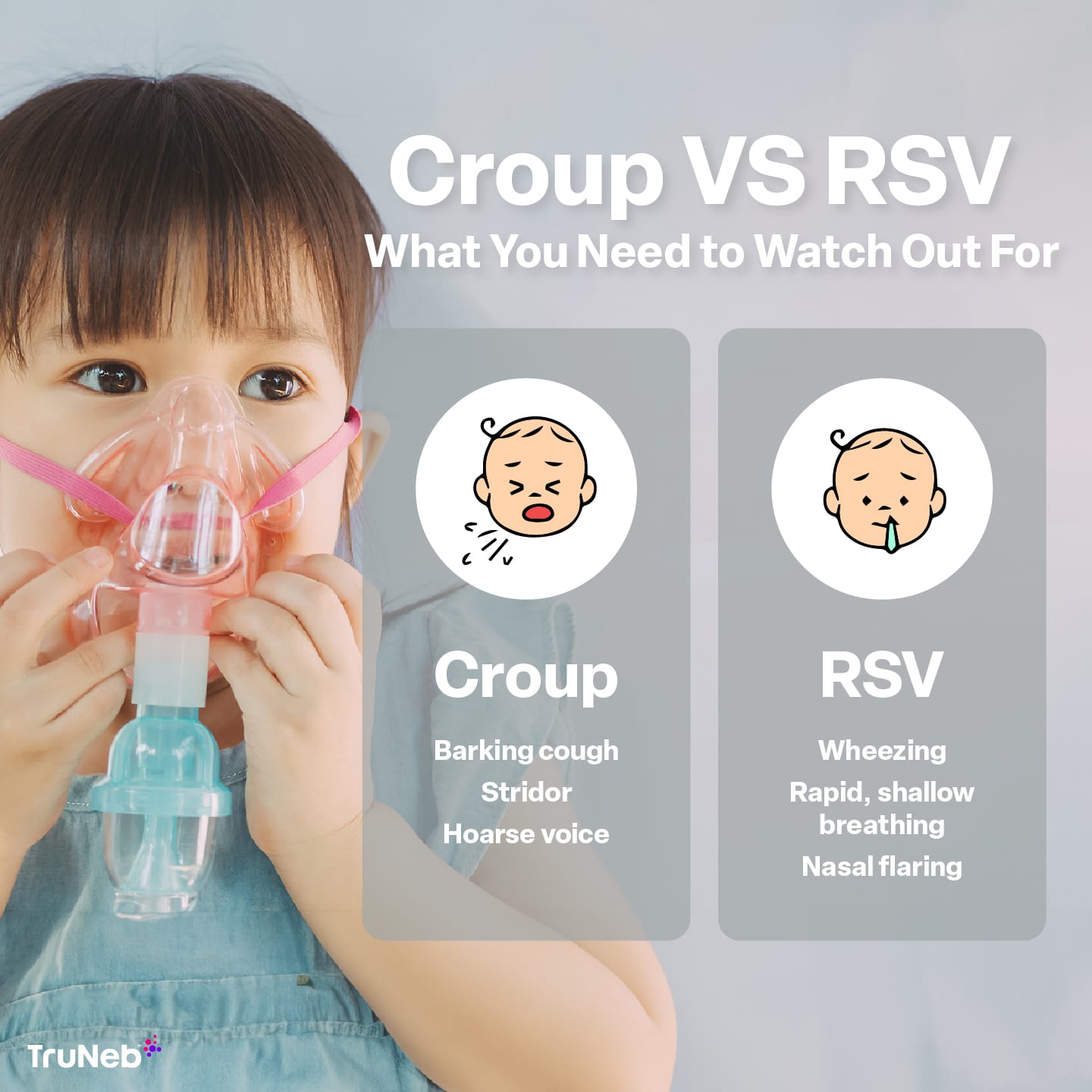
The Role of Edge Computing in Real-Time Monitoring
One of the most significant technological hurdles in sound-based diagnostics is latency—the delay between recording and analysis. To solve this, developers are turning to “edge computing.” By running the AI models directly on the smartphone’s hardware (the “edge” of the network) rather than a distant server, the analysis happens in real-time.
This is particularly crucial for RSV, where symptoms can escalate rapidly. If the software detects a high probability of respiratory distress or a “whooping” sound indicative of severe obstruction, it can provide immediate feedback, suggesting the user seek emergency care. This use of “Edge AI” ensures that diagnostic tools remain functional even in areas with poor internet connectivity, democratizing access to advanced respiratory screening.
Wearable Tech and Remote Patient Monitoring (RPM)
Beyond reactive apps, the tech industry is moving toward proactive, continuous monitoring through wearables. For high-risk infants—such as those born prematurely—continuous audio monitoring can be a lifesaver during RSV season.
Smart Sensors and Continuous Audio Stream Analysis
The next generation of “smart nurseries” involves IoT (Internet of Things) devices equipped with acoustic sensors. These are not standard baby monitors; they are specialized devices integrated with bio-acoustic AI. These sensors monitor the environment 24/7, using “keyword spotting” technology—similar to how a smart speaker listens for “Hey Siri”—to listen specifically for the sound of a cough or labored breathing (stridor).
When the sensor identifies an RSV-like cough pattern, it begins logging the frequency and severity of the episodes. This data is then compiled into a digital report for healthcare providers, offering a far more accurate picture of the disease progression than a parent’s subjective memory of “how often” the child was coughing.
Improving Outcomes through Automated Alerts
Remote Patient Monitoring (RPM) platforms are now integrating this acoustic data into broader telehealth ecosystems. By syncing a wearable acoustic sensor with a hospital’s Electronic Health Record (EHR), the tech can automatically alert a pediatrician if a child’s respiratory health metrics decline.
For instance, if the AI detects a transition from a dry cough to a productive, RSV-specific “rattling” cough, the system can trigger an automated alert. This allows for early intervention, potentially preventing the need for hospitalization or mechanical ventilation. The tech transforms the “sound” of the cough into a predictive metric for patient acuity.
Challenges and Future Trends in Acoustic Health Technology
While the ability to identify an RSV cough through AI is a landmark achievement, the technology faces significant hurdles regarding data ethics and universal application.
Data Privacy and the Ethics of Bio-Acoustic Surveillance
Recording audio in the home, especially of children, raises substantial privacy concerns. Tech companies must navigate the complexities of HIPAA (Health Insurance Portability and Accountability Act) and GDPR compliance. The challenge lies in “de-identifying” the audio data—ensuring that the software extracts the cough features without recording private conversations.
The industry is moving toward “on-device” processing where the raw audio is deleted immediately after the acoustic features are extracted. This “Privacy by Design” approach is essential for gaining public trust in bio-acoustic surveillance tools.

Toward a Universal Respiratory Diagnostic Tool
The ultimate goal for tech developers is to create a “digital stethoscope” that can identify any respiratory ailment based on sound alone. As datasets grow, the accuracy of RSV detection will improve, and the tech will likely expand to include “multi-modal” diagnostics—combining cough sound analysis with oxygen saturation data from smartwatches and temperature readings from smart thermometers.
The future of healthcare is one where the question “What does an RSV cough sound like?” is answered by an algorithm with 99% precision. By leveraging AI, audio signal processing, and IoT connectivity, the tech industry is not just analyzing a symptom; it is building a preventive shield that listens for the first signs of illness, ensuring that the most vulnerable patients receive care exactly when they need it. This shift from manual listening to algorithmic analysis represents the next frontier in the digitization of human health.
aViewFromTheCave is a participant in the Amazon Services LLC Associates Program, an affiliate advertising program designed to provide a means for sites to earn advertising fees by advertising and linking to Amazon.com. Amazon, the Amazon logo, AmazonSupply, and the AmazonSupply logo are trademarks of Amazon.com, Inc. or its affiliates. As an Amazon Associate we earn affiliate commissions from qualifying purchases.