
The healthcare sector has long been recognized as a cornerstone of the global economy, offering both stability and significant growth potential for professionals. Among the various roles within this industry, the Nurse Practitioner (NP) has emerged as one of the most financially rewarding and strategically sound career paths. As the demand for primary care and specialized medical services continues to outpace the supply of physicians, the economic value of the NP role has surged.
Understanding “what nurse practitioners make” involves more than just looking at a base salary figure. For the financially savvy professional, it requires a deep dive into regional market fluctuations, the high-return-on-investment (ROI) of specialization, and the total compensation packages that contribute to long-term wealth. This guide provides a detailed analysis of the financial landscape for Nurse Practitioners, offering insights into how these professionals can maximize their earning power and build a robust financial future.
National Averages and the Impact of Geographic Arbitrage
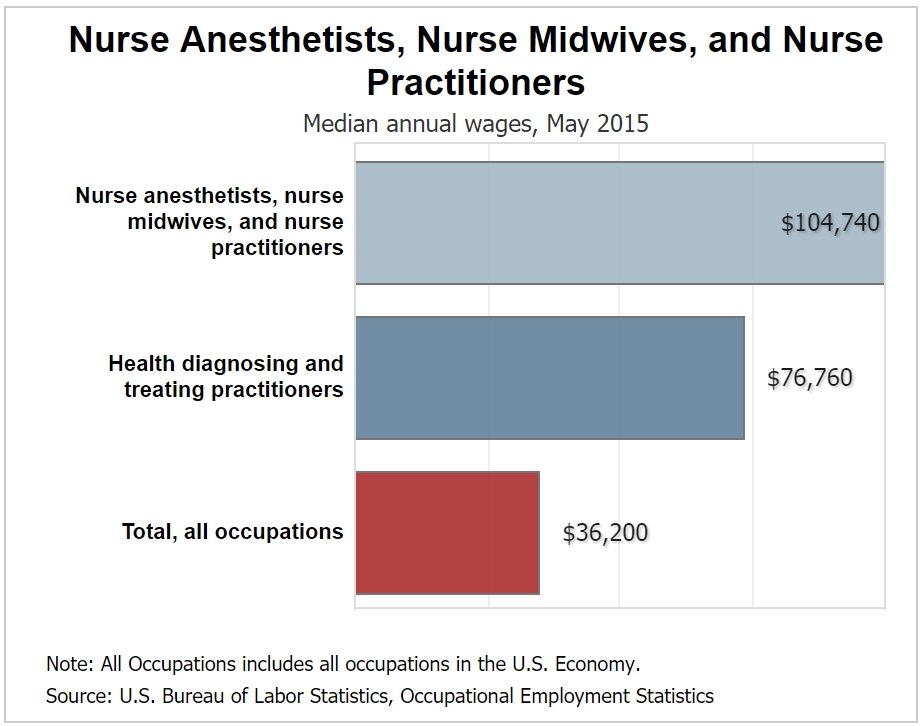
The baseline for Nurse Practitioner earnings in the United States is impressively high compared to the national average for all occupations. According to data from the Bureau of Labor Statistics, the median annual wage for NPs consistently trends well above the six-figure mark. However, a “national average” is often a poor metric for individual financial planning because it masks the massive disparities created by geography.
The Influence of Geographic Location on Gross Income
Where an NP chooses to practice is perhaps the single most significant factor in their annual gross income. States with high costs of living and rigorous legislative support for “Full Practice Authority” typically offer the highest salaries. For example, NPs in California, New Jersey, and Massachusetts often command salaries significantly higher than the national median, frequently exceeding $150,000. These regions face acute provider shortages and have a high demand for healthcare services, driving up the market rate for qualified professionals.
Geographic Arbitrage and Cost of Living Adjustments
From a personal finance perspective, a high salary is only one side of the equation. The concept of “geographic arbitrage”—earning a high-tier salary while living in a region with a lower cost of living—is a powerful tool for NPs. An NP earning $125,000 in a low-tax, low-cost state like Texas or Florida may actually have a higher “real” income and greater disposable cash flow than an NP earning $160,000 in San Francisco or New York City. When evaluating potential offers, professionals must calculate the “after-tax, after-rent” remainder to truly understand what they are making.
Specialization: The Path to Premium Earning Power
In the world of finance and business, niche expertise almost always commands a premium price. The same logic applies to the NP profession. While Family Nurse Practitioners (FNPs) form the backbone of primary care, those who specialize in high-acuity or high-demand sub-fields often see a significant boost in their lifetime earnings.
High-Demand Specialties and Their Market Value
Certain specialties consistently rank at the top of the pay scale. Psychiatric Mental Health Nurse Practitioners (PMHNPs) currently see some of the highest demand in the market, often out-earning their primary care counterparts by 20% to 30%. The scarcity of mental health providers, combined with the increasing integration of behavioral health into standard care models, has created a “seller’s market” for these specialists. Similarly, Adult-Gerontology Acute Care NPs and Neonatal NPs operate in high-stress, high-stakes environments that require advanced technical skills, which are reflected in their premium compensation packages.
The Return on Investment of Advanced Certification
For an NP looking to increase their income, the ROI of obtaining an additional certification is often superior to almost any other financial investment. The cost of a post-graduate certificate program can frequently be recouped within the first year of practicing in a new specialty. When analyzing “what NPs make,” it is essential to view these certifications as capital assets that increase the individual’s market value and provide a hedge against economic downturns in specific sectors of the healthcare market.
Total Compensation: Evaluating the Full Financial Package
Focusing solely on the hourly rate or the annual base salary is a common mistake in financial planning. For Nurse Practitioners, the total compensation package often includes “hidden” financial benefits that can add tens of thousands of dollars to their net worth each year.
Bonuses, Profit Sharing, and Production Models
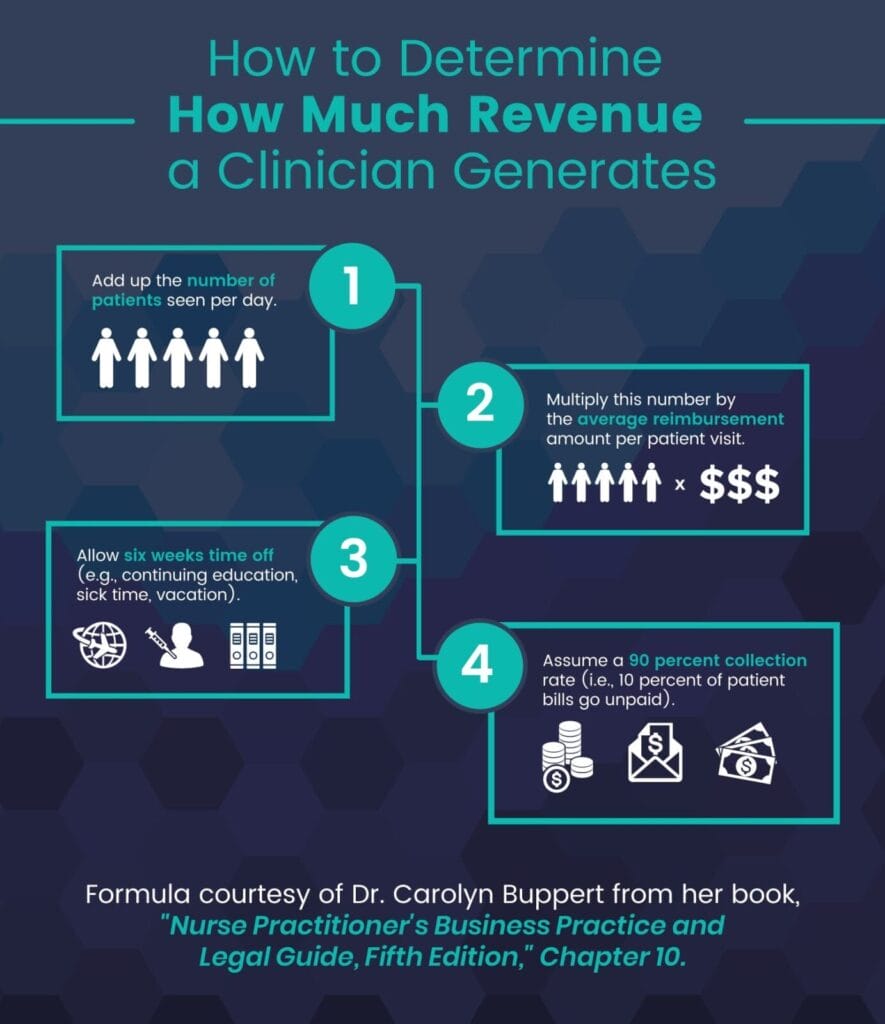
Many private practices and specialty clinics have moved toward production-based compensation models, often referred to as RVU (Relative Value Unit) models. Under these arrangements, an NP’s earnings are tied directly to the revenue they generate for the practice. For a high-efficiency provider, this can lead to bonuses that push their total income far beyond the standard salary. Additionally, some practices offer profit-sharing or “equity-like” bonuses, allowing the NP to share in the business’s overall success.
Benefits as Wealth-Building Tools
A robust benefits package is a vital component of a professional’s financial health. Employer-sponsored retirement plans with high matching contributions are essentially “free money” that compounds over time. Furthermore, comprehensive health insurance, malpractice coverage (including “tail” coverage), and Health Savings Account (HSA) contributions reduce the NP’s out-of-pocket expenses. One of the most significant financial perks for many NPs—especially those in the public or non-profit sectors—is student loan repayment programs. Programs like the Public Service Loan Forgiveness (PSLF) or NHSC loan repayment can be worth $50,000 to $100,000 or more in tax-free financial value.
Strategies for Maximizing and Managing NP Wealth
Once an NP has established a strong base income, the focus shifts from “earning” to “optimizing.” Professional NPs should view themselves as a business entity, managing their career with the same rigor a CEO manages a company.
Negotiation Tactics for Increased Revenue
Negotiation is the fastest way to increase an NP’s income. Many healthcare providers leave money on the table by accepting the first offer or failing to negotiate for non-salary items. Effective negotiation involves researching market data, quantifying the value you bring to the practice (such as patient satisfaction scores or procedural expertise), and being prepared to walk away from undervalued contracts. Even a 5% increase in a starting salary can result in hundreds of thousands of dollars in cumulative earnings over a 20-year career due to the “ratchet effect” of percentage-based raises.
Diversifying Income Streams through Locum Tenens and Side Hustles
The flexibility of the NP role allows for significant “side hustle” potential. Locum tenens work—short-term contract assignments—often pays significantly higher hourly rates than permanent positions and can be used to aggressively pay down debt or fund investment accounts. Additionally, NPs are increasingly entering the digital space as consultants, legal nurse consultants, or health tech advisors. These secondary income streams not only increase total annual pay but also provide a financial safety net and professional diversification.
Long-Term Financial Planning: From Income to Net Worth
Earning a high income does not automatically result in wealth. For Nurse Practitioners, who often enter the workforce with significant student loan debt, the transition from a “high earner” to a “wealthy individual” requires disciplined financial management.
Debt Management vs. Strategic Investment
A primary financial dilemma for many NPs is whether to aggressively pay off student loans or invest in the market. With the current interest rates on federal and private loans, the decision must be calculated based on the expected rate of return in the stock market versus the guaranteed “return” of avoiding interest on debt. Using tools like the “Debt Avalanche” or “Debt Snowball” methods, combined with maximizing tax-advantaged accounts like 401(k)s and IRAs, is crucial for long-term financial independence.

Building a Resilient Portfolio
Because the healthcare industry is relatively recession-resistant, NPs have a unique advantage: income stability. This stability allows them to take slightly more calculated risks in their investment portfolios. Diversifying into real estate, index funds, or even private equity can help an NP move beyond a “paycheck-to-paycheck” mentality—even at a high income level—toward true financial freedom where their assets eventually generate more income than their labor.
In conclusion, the question of “what nurse practitioners make” is answered by a dynamic range of factors. While the starting point is a strong, upper-middle-class salary, the ceiling is much higher for those who strategically choose their location, specialize in high-demand fields, and master the art of contract negotiation. By treating their career as a financial asset and managing their income with a focus on long-term wealth building, Nurse Practitioners can enjoy not only a fulfilling professional life but also extraordinary financial security.
aViewFromTheCave is a participant in the Amazon Services LLC Associates Program, an affiliate advertising program designed to provide a means for sites to earn advertising fees by advertising and linking to Amazon.com. Amazon, the Amazon logo, AmazonSupply, and the AmazonSupply logo are trademarks of Amazon.com, Inc. or its affiliates. As an Amazon Associate we earn affiliate commissions from qualifying purchases.