
In the realm of high-stakes legal warfare and political maneuvering, few names evoke as much polarized intensity as Roy Cohn. While history remembers him as the aggressive counsel to Senator Joseph McCarthy and a mentor to a young Donald Trump, brand strategists view Cohn through a different lens: he was one of the 20th century’s most effective—and most ruthless—architects of personal branding. The question “What did Roy Cohn die of?” is not merely a medical inquiry; it is the final chapter in a lifelong masterclass on brand management, narrative control, and the desperate struggle to maintain a public persona even as reality crumbles.
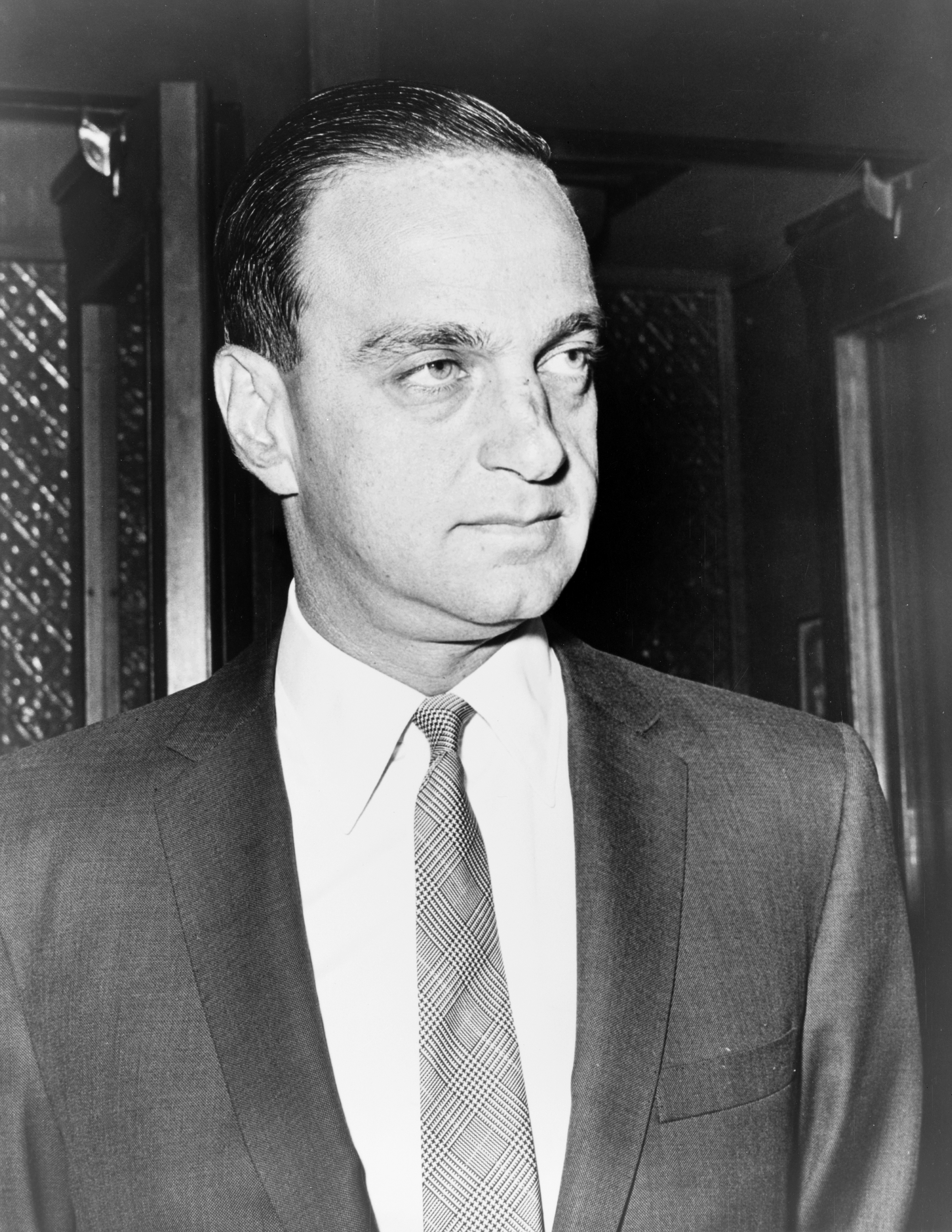
Roy Cohn died on August 2, 1986. Officially, the cause was complications from AIDS, though until his final breath, Cohn vehemently insisted he was suffering from liver cancer. This discrepancy serves as a foundational case study in brand identity vs. brand reality.
The Architecture of an Ironclad Personal Brand
To understand why Roy Cohn’s cause of death became such a pivotal moment in his brand story, one must first understand the brand he spent forty years building. The “Roy Cohn Brand” was built on three pillars: invincibility, aggression, and proximity to power.
Never Admit Defeat: The “Attack” Strategy
In brand strategy, we often discuss the “Unique Selling Proposition” (USP). Cohn’s USP was a refusal to ever play defense. His personal branding playbook was simple: if someone attacks you, attack them ten times harder. If you lose, claim you won. This strategy created a brand of “ultimate competence” that attracted high-profile clients from the Mafia to the Upper East Side elite. His brand was a shield for his clients, but it was also a prison for himself. To admit to having AIDS in the mid-1980s was, in Cohn’s calculated brand logic, an admission of vulnerability and a specific lifestyle that contradicted his carefully curated image of a conservative, “tough-guy” power broker.
Strategic Association: Building a Brand Through Proximity
Cohn understood that a brand is defined by the company it keeps. By positioning himself at the intersection of the judiciary, the media (specifically through his relationship with gossip columnists like Liz Smith and publishers like Rupert Murdoch), and the political elite, he made his personal brand synonymous with the American Power Structure. This proximity allowed him to manipulate the narrative of his own life, ensuring that his brand remained untarnished by scandal for decades, despite constant legal and ethical investigations.
The Branding of a Secret: Managing the Narrative of Illness
When Cohn was diagnosed with AIDS in the mid-1980s, he faced a crisis that no amount of litigation could solve. This period represents a fascinating, albeit dark, look at “Crisis Brand Management.”
The Leveraged Lie: Using Media Influence to Control Perception
Cohn did not just hide his diagnosis; he proactively rebranded it. By telling the world he had liver cancer, he chose an ailment that was perceived as “noble” or at least “neutral” within his professional circles. He leveraged his vast network of media contacts to plant stories that emphasized his continued vigor and legal brilliance. From a brand strategy perspective, this was an attempt at “repositioning.” He was no longer the aging lawyer; he was the “brave fighter” battling a traditional disease. This allowed him to maintain his client base and his social standing even as his physical condition deteriorated.
The “Liver Cancer” Myth: Why Brand Consistency Trumped Truth
Consistency is the hallmark of any successful brand. Cohn’s brand was built on the rejection of liberal causes and a hardline stance on traditional values (despite his private life). Admitting to AIDS would have caused a “brand fracture”—a disconnect between what the brand promises and what it actually is. To Cohn, the truth was irrelevant; only the perception mattered. By maintaining the liver cancer narrative, he protected the “Roy Cohn” trademark from the stigma associated with the AIDS epidemic of the 80s, ensuring that his professional legacy would not be immediately overshadowed by his private reality.
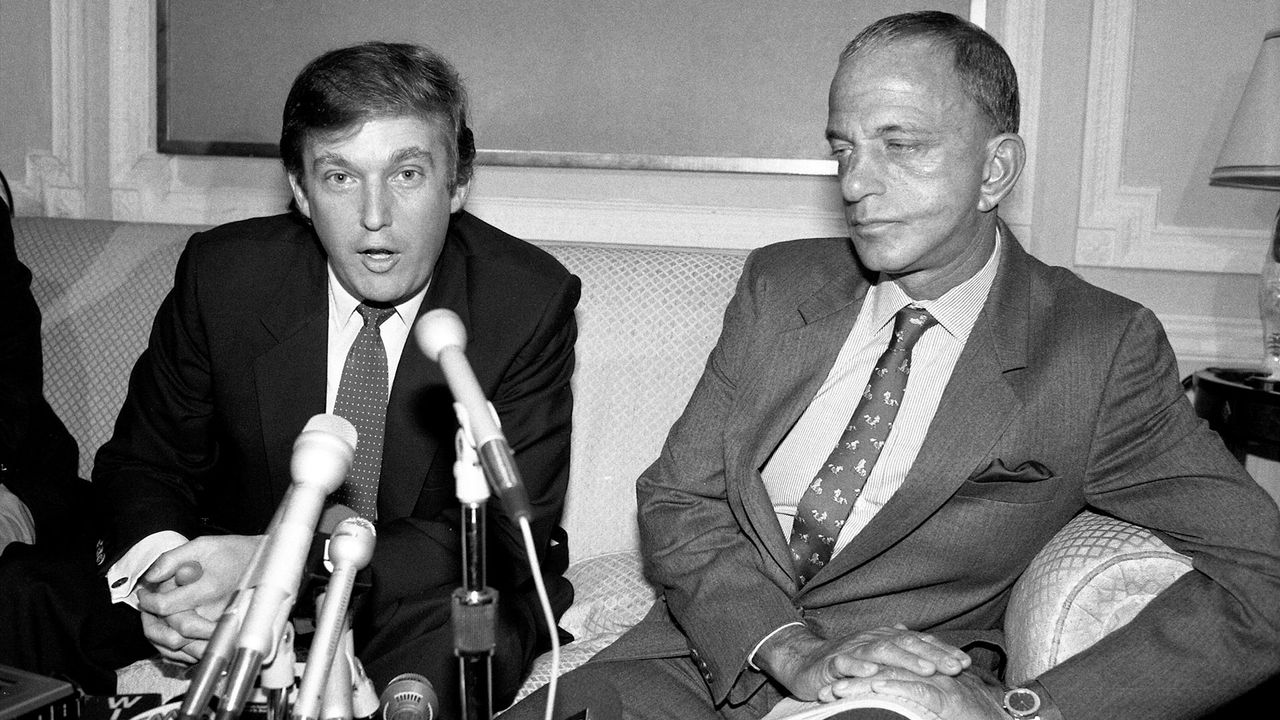
The Dark Side of Personal Branding: When the Mask Becomes the Brand
The tragedy of Roy Cohn’s death illustrates a critical lesson for modern marketers and public figures: the “Inauthenticity Tax.” When a brand is built entirely on a manufactured persona, the cost of maintaining that persona can become fatal to the brand’s long-term credibility.
The Cost of Inauthenticity in the Modern Market
In today’s brand economy, “authenticity” is a high-value currency. Cohn operated in an era of gatekept information where a few phone calls to newspaper editors could bury a story. In the digital age, a brand like Cohn’s would likely collapse within weeks. The modern consumer—and client—demands a level of transparency that Cohn’s brand was never designed to provide. His death from AIDS, while publicly denied, was an open secret in many circles, creating a “hollow brand” that appeared solid on the outside but was devoid of integrity on the inside.
Brand Erosion and Posthumous Reputation
A brand does not end at death; it transitions into a legacy. Because Cohn’s brand was built on deception and the aggressive suppression of truth, his posthumous reputation has suffered significantly. Rather than being remembered solely as a brilliant legal mind or a political kingmaker, his name is now inextricably linked to the irony of his death. In branding terms, this is a “legacy failure.” The very thing he tried to hide—his cause of death—has become the defining feature of his historical narrative.
Lessons for Modern Brand Strategists
Roy Cohn’s life and death provide a cautionary tale for anyone building a personal or corporate brand. While his tactics were effective in the short term, they failed the test of time.
Resilience vs. Rigidity
There is a fine line between a resilient brand and a rigid one. A resilient brand can adapt to new truths and evolve. Cohn’s brand was rigid; it could not accommodate the reality of his illness without shattering. Modern brands must learn to be “anti-fragile”—growing stronger through transparency and the ability to navigate crises without resorting to systemic falsehoods. When a brand identifies a flaw or a crisis, the most effective strategy is often “radical honesty” rather than the “aggressive denial” pioneered by Cohn.
The Ethics of Identity in Branding
Finally, the Roy Cohn story forces us to confront the ethics of identity. When we help a client build a personal brand, are we helping them amplify their true self, or are we helping them construct a facade? Cohn’s brand was a masterpiece of construction, but it lacked a foundation of truth. For long-term brand equity, the public-facing identity must align with the internal reality. If the gap between the “Brand Promise” and the “Brand Reality” becomes too wide, the brand will eventually collapse under the weight of its own contradictions.

Conclusion: The Final Verdict on the Roy Cohn Brand
What did Roy Cohn die of? Medically, it was AIDS. But from a strategic perspective, Roy Cohn died of a brand contradiction. He spent his life constructing a persona of invulnerability and “normalcy” that could not survive the ultimate vulnerability of a terminal illness.
His death serves as a stark reminder that in the world of branding, you can control the narrative for a long time, but you cannot control it forever. The Roy Cohn brand remains a fascinating study in power, media manipulation, and the high cost of maintaining a mask. For modern strategists, the lesson is clear: build your brand on truths that can withstand the light, because the shadow of a lie is a heavy burden for any legacy to carry. Roy Cohn’s ultimate legacy is not his legal victories or his political influence, but the realization that the most powerful brand in the world is one that doesn’t have to hide from the truth of its own existence.
aViewFromTheCave is a participant in the Amazon Services LLC Associates Program, an affiliate advertising program designed to provide a means for sites to earn advertising fees by advertising and linking to Amazon.com. Amazon, the Amazon logo, AmazonSupply, and the AmazonSupply logo are trademarks of Amazon.com, Inc. or its affiliates. As an Amazon Associate we earn affiliate commissions from qualifying purchases.