
In the world of global finance and macro-investing, demographic data is often the most reliable predictor of long-term economic shifts. While most investors focus on GDP growth rates, interest rate hikes, or tech adoption, a more nuanced indicator is frequently overlooked: the gender ratio. When we ask “what country has the most women,” we are not merely engaging in a sociological exercise; we are identifying unique market environments where the “She-Economy” is the primary driver of fiscal policy and consumer behavior.
From the Baltic states like Latvia and Lithuania to South Asian nations like Nepal, countries with high female-to-male ratios offer a specific set of investment challenges and opportunities. Understanding these dynamics is essential for any modern investor looking to capitalize on demographic dividends and the evolving landscape of global wealth.
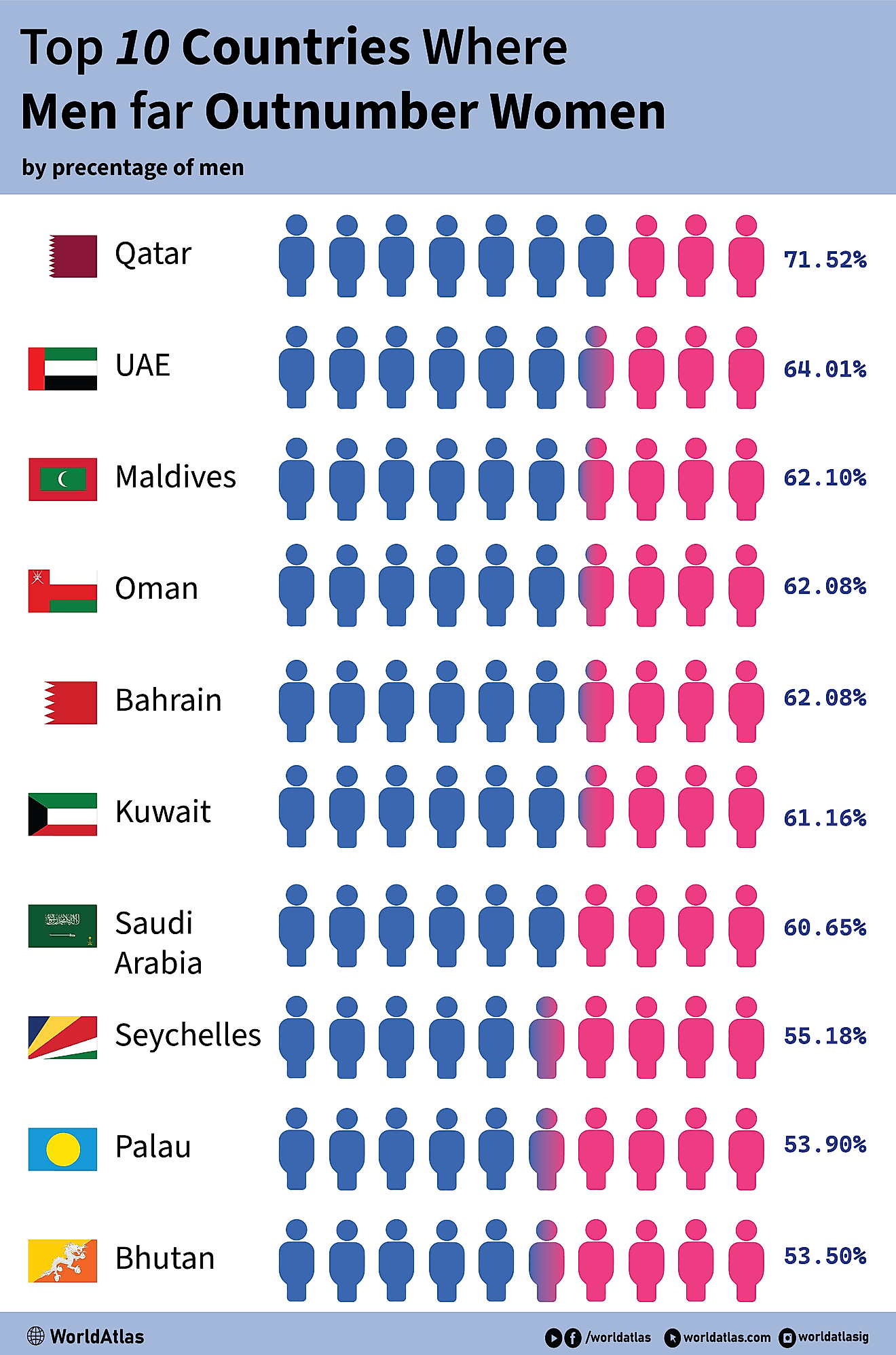
Understanding Demographic Shifts: Where the Women Are and Why It Matters for Your Portfolio
Demographic imbalances are rarely accidental. They are the result of historical events, migration patterns, and varying life expectancy rates. For an investor, these imbalances signal shifts in labor supply, consumption habits, and government spending priorities.
Analyzing the Gender Ratio: Data from Eastern Europe and Beyond
Statistically, countries like Armenia, Belarus, Latvia, and Lithuania consistently top the charts for the highest percentage of women. In many of these nations, the ratio is influenced by a significant gap in male versus female life expectancy and historical migration patterns. For instance, in Latvia, women make up roughly 54% of the population.
From a “Money” perspective, this creates a specific labor market. A higher concentration of women often leads to a more stable, service-oriented workforce. Investors looking at these regions must evaluate how a female-majority population influences the sustainability of pension funds and the demand for long-term financial planning products.
The Correlation Between Female Demographics and Economic Stability
Research from the International Monetary Fund (IMF) suggests that increasing female labor force participation is a massive catalyst for GDP growth. In countries where women outnumber men, the economic imperative to integrate women into high-value sectors is not just a social goal—it is a financial necessity.
Nations with high female populations often show greater resilience in the face of economic volatility. This is frequently attributed to the “risk-aware” nature of female-led households and businesses, which tend to carry lower debt-to-income ratios. For the value investor, these countries represent a “low-beta” opportunity—markets that may not see explosive, volatile growth but offer consistent, long-term appreciation.
Market Opportunities in High-Female-Ratio Nations
The “She-Economy” describes the trillion-dollar economic power wielded by women as consumers, savers, and entrepreneurs. In nations where women are the demographic majority, this power is magnified, dictating the success of entire industries.
Consumer Goods and the Rise of the “Female Dollar”
In countries such as Nepal or Curacao, where female populations are significantly higher, the retail sector must pivot. Women are globally responsible for approximately 70-80% of all consumer purchasing decisions. In a female-majority country, this percentage climbs even higher.
For the strategic investor, this means prioritizing sectors such as healthcare, education, and wellness. These are “recession-proof” industries that see disproportionate investment from female consumers. If you are looking at international equities or ADRs (American Depositary Receipts), companies that have mastered localized marketing to women in these specific regions often outperform their peers.
Real Estate Trends in Matriarchal-Leaning Economies
One of the most profound financial shifts in countries with more women is seen in the real estate market. Data suggests that single women are becoming a dominant force in property acquisition globally. In Eastern Europe, where the gender gap is pronounced, the demand for urban, secure, and multi-functional housing is high.
Investing in REITs (Real Estate Investment Trusts) that focus on these demographics can be highly lucrative. The demand is shifting away from traditional family-suburban models toward high-density, service-rich urban living that caters to independent professional women. This shift directly impacts property valuations and rental yields, making it a critical factor for international real estate portfolios.
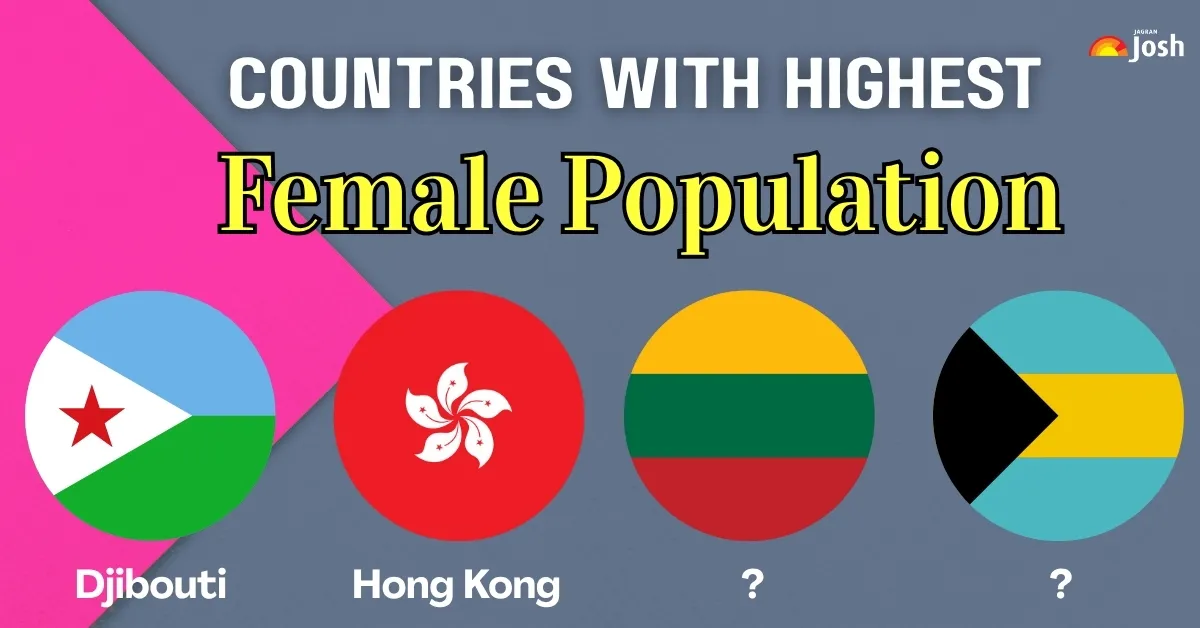
The Labor Force Dynamics: Female Participation as a Growth Engine
A country’s greatest asset is its human capital. When a nation has a high female population, its economic trajectory is tethered to how effectively it utilizes its female workforce.
Closing the Gender Pay Gap as a Macroeconomic Catalyst
In many nations with high female populations, there is a concerted governmental push to close the gender pay gap to maximize tax revenue and consumer spending. As pay parity improves, the discretionary income within these countries rises exponentially.
This creates a “wealth effect.” As women earn more, they invest more. Financial services firms that provide investment platforms tailored to women—focusing on long-term goals rather than short-term speculation—are seeing massive growth in these regions. For an investor, the “Money” play here is in fintech and banking sectors that are capitalizing on this newly liquid demographic.
Venture Capital and Female-Led Startups in Emerging Markets
Emerging markets with high female ratios are becoming hotbeds for female-led entrepreneurship. Statistics show that female-led startups often generate more revenue per dollar of invested capital than their male-led counterparts.
In countries like Ukraine or Lithuania, the tech and service sectors are increasingly populated by female founders. Venture capital firms that apply a “gender lens” to their portfolios are finding undervalued gems in these markets. By identifying countries with the most women, savvy investors can find untapped pools of entrepreneurial talent that traditional male-centric VC firms might overlook.
Financial Tools and Strategies for Navigating Demographic Investing
To profit from these demographic insights, investors need the right tools and a framework for evaluating “Gender-Lens Investing” (GLI).
ESG Investing and Gender Diversity Metrics
Environmental, Social, and Governance (ESG) criteria have become a standard for institutional investors. Within the “Social” pillar, gender diversity is a key metric. Countries with more women naturally provide a larger pool for diverse boardrooms and executive leadership.
When evaluating a multinational corporation for your portfolio, look at their operations in female-majority countries. Are they promoting women to leadership roles in those regions? Companies that align their internal demographics with the local population’s demographics often see higher brand loyalty and better operational efficiency, leading to stronger quarterly earnings.
Risk Assessment: Political and Social Nuances of Gender Imbalances
Every investment carries risk. In countries where the gender imbalance is extreme, there can be social and political repercussions. A significant lack of men can lead to “brain drain” if the remaining population migrates for marriage or work, or it can lead to an aging population crisis more quickly than in balanced nations.
Investors must use sophisticated financial modeling to account for these long-term risks. Tools like demographic heat maps and actuarial tables are essential. If a country has a high female population but lacks a robust pension system or healthcare infrastructure, the long-term fiscal burden on the state could lead to currency devaluation or higher corporate taxes.
Conclusion: The Strategic Value of Demographic Data
The question of “what country has the most women” is the starting point for a deep dive into some of the most stable and promising markets in the global economy. For the professional investor, these nations represent more than just a statistical outlier; they represent the frontier of the She-Economy.
By focusing on the financial implications of female-majority populations—from the rise of the female consumer to the efficiency of female-led startups—investors can diversify their portfolios with assets that are geared for long-term, sustainable growth. In the modern financial landscape, the most successful strategies are those that recognize that “demographics are destiny.” As women continue to gain control over a larger share of global wealth, the countries where they are most numerous will inevitably become the focal points for smart capital.
Whether you are looking at international real estate, emerging market ETFs, or specific fintech innovations, keeping an eye on gender ratios is no longer optional—it is a fundamental component of a sophisticated investment strategy.
aViewFromTheCave is a participant in the Amazon Services LLC Associates Program, an affiliate advertising program designed to provide a means for sites to earn advertising fees by advertising and linking to Amazon.com. Amazon, the Amazon logo, AmazonSupply, and the AmazonSupply logo are trademarks of Amazon.com, Inc. or its affiliates. As an Amazon Associate we earn affiliate commissions from qualifying purchases.