
When an individual decides to customize a vehicle, the primary motivation is usually self-expression or brand alignment. However, from a strictly financial perspective, the color of a car is far more than a visual preference; it is a variable that influences insurance premiums, resale liquidity, and potential legal liabilities. While the question “what color is illegal to paint a car” may seem straightforward, the answer lies in a complex intersection of traffic safety regulations and the economic consequences of non-compliance. In the world of personal and business finance, choosing the wrong hue can lead to significant fiscal drain through fines, decreased asset value, and elevated risk profiles.
The Cost of Non-Compliance: When Customization Leads to Legal Penalties
In most jurisdictions, there is no specific law that forbids a private citizen from painting a car purple, neon green, or gold. However, “illegality” in automotive paint typically arises when a color or finish interferes with public safety or mimics protected entities. For a car owner, the financial repercussions of these choices manifest as immediate fines and the long-term cost of reversing the modification.
Emergency Mimicry and the Price of Impersonation
The most strictly regulated “illegal” colors are those that mimic emergency services. In many regions, painting a car in the specific patterns and color schemes of local police, fire departments, or medical responders is a punishable offense. Financially, this is a high-risk move. Beyond the initial cost of a professional paint job—which can range from $3,000 to $10,000—the owner may face heavy fines for “impersonating an officer” or “unauthorized use of emergency markings.” If the vehicle is impounded, the daily storage fees and the mandatory cost of repainting the vehicle before it can be released represent a total loss of the original investment.
Reflective Finishes and Liability Risks
Recent trends in “chrome” or “mirror” wraps have pushed the boundaries of automotive legality. While a chrome car is visually striking, many transport authorities classify highly reflective finishes as a road hazard due to their potential to blind other drivers under direct sunlight. From a financial standpoint, a driver operating a “distracting” vehicle may be found at a higher percentage of fault in the event of a collision. Insurance companies often view these modifications as “un-disclosed risks,” and if a claim is filed, the insurer may deny coverage, leaving the owner personally liable for thousands of dollars in property damage and medical expenses.
Resale Value and the Depreciative Power of Color
A vehicle is often the second-largest purchase a person makes, and maintaining its value as a liquid asset is crucial for long-term financial health. The color you choose to paint your car acts as a direct lever on its depreciation rate. While “illegal” or extreme colors might satisfy a personal whim, they are often a “sunk cost” that can never be recovered at the point of sale.
The “Safe” Bet: Neutral Tones and Market Liquidity
In the global automotive market, white, black, gray, and silver consistently hold the highest resale value. These colors are considered “liquid” because they appeal to the broadest possible demographic of buyers. When a car is painted in a non-standard or “illegal-adjacent” color—such as high-intensity “day-glow” colors—the pool of potential buyers shrinks by up to 90%. For an investor or a cost-conscious consumer, this lack of demand forces a price reduction. Data suggests that vehicles in polarizing colors can sell for 10% to 15% less than their neutral counterparts, representing a loss of thousands of dollars purely based on aesthetics.
Custom Paint as a Financial Liability
Many enthusiasts believe that a high-end custom paint job adds value to a vehicle. In reality, the opposite is usually true for standard consumer vehicles. From a business finance perspective, a custom paint job is a “non-recoverable expense.” If you spend $5,000 on a custom pearlescent finish that borders on the line of being “too distracting” for certain state laws, you cannot add that $5,000 to the car’s blue book value. In many cases, dealerships will actually deduct the cost of a “return-to-factory” paint job from your trade-in offer, effectively charging you twice for your color choice.
Insurance Premiums and the Myth of “Red Car” Pricing
There is a long-standing myth in personal finance circles that red cars are more expensive to insure because they are “more likely to be pulled over.” While the color itself does not directly dictate the base rate of an insurance premium, the financial reality of certain colors is more nuanced than the myth suggests.
Modification Disclosures and Premium Spikes
Insurance companies calculate premiums based on risk and the cost of repair. If you paint your car an exotic, high-end color that requires a specialized multi-stage process to repair, your insurance company may increase your premium to account for the higher “Total Loss” threshold. If you fail to disclose a custom paint job—especially one that might be considered borderline illegal due to its reflectivity or intensity—the insurer may refuse to pay for the paint repair in the event of an accident. They will only cover the cost of the original factory color, leaving the owner to foot the bill for the difference.
Visibility and Accident Statistics
From a risk management perspective, color does play a role in safety. Statistically, black and dark blue cars are more likely to be involved in accidents during dawn, dusk, and nighttime hours because they blend into the environment. While insurance companies don’t typically charge more for a black car, the financial burden of the deductible and the potential for increased premiums following an at-fault accident are indirect costs of choosing a low-visibility color. Conversely, “safer” colors like white and yellow often correlate with lower accident rates, which preserves the owner’s “no-claims” discounts over the long term.
The High Cost of “Vantablack” and Advanced Light Absorption
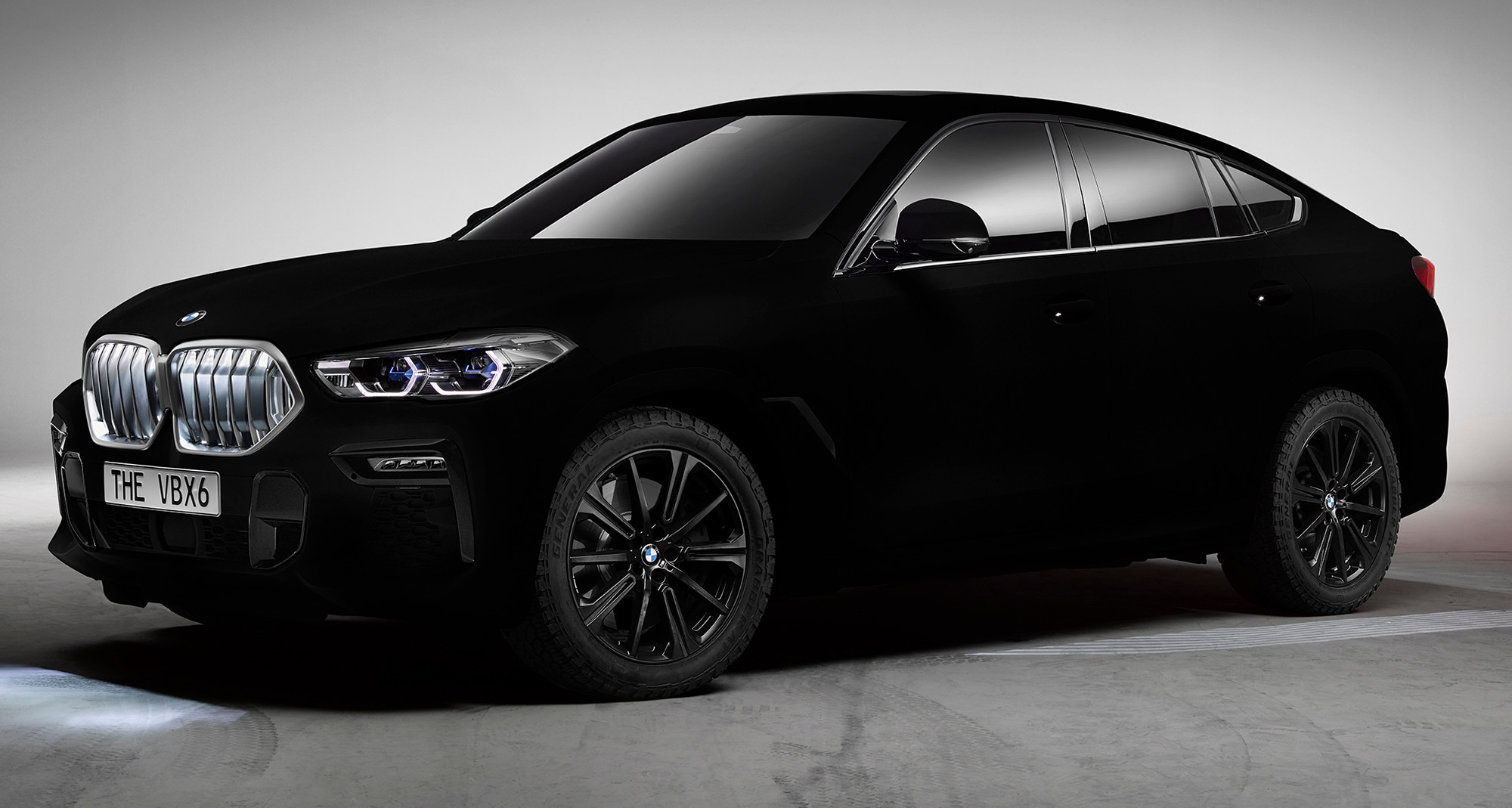
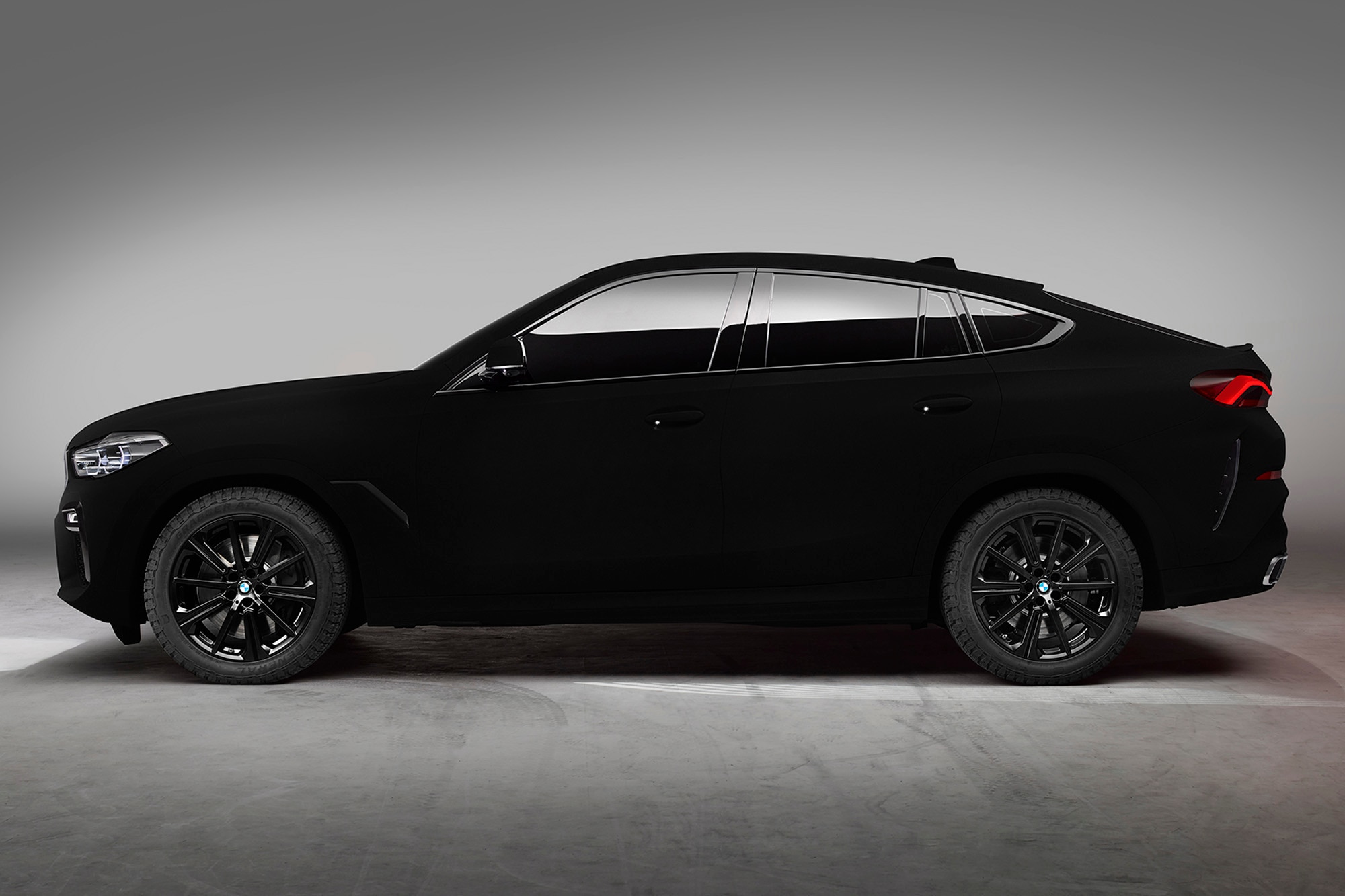
The cutting edge of automotive technology has introduced colors that are technically legal but financially and practically prohibitive. The most notable example is Vantablack, a substance that absorbs 99.96% of visible light, making a 3D object appear as a 2D void.
Regulatory Hurdles for Light-Absorbing Finishes
Painting a car in a “true black” or light-absorbing finish presents a unique legal challenge that could soon lead to outright bans. Because these vehicles are nearly invisible at night, they pose a significant threat to public safety. For the wealthy car collector, the financial risk here isn’t just the astronomical cost of the coating—which can run into the hundreds of thousands of dollars—but the risk of the vehicle being declared “non-road-legal” by regulatory bodies like the NHTSA or the European Commission. An asset that cannot be driven on public roads is an asset with severely limited utility and market value.
Maintenance as an Ongoing Financial Drain
Ultra-custom finishes, whether they are matte, chrome, or light-absorbing, require specialized maintenance that standard automotive finishes do not. They cannot be taken through a traditional car wash; doing so would destroy the finish and require a total repaint. The ongoing cost of professional detailing and specialized cleaning products represents a significant “ownership tax” on the vehicle. Over a five-year period, the maintenance of a high-risk color can exceed the cost of the vehicle’s annual insurance and fuel combined, making it a poor financial decision for anyone focused on wealth preservation.

Conclusion: Strategic Color Selection as a Financial Tool
While the “illegal” nature of certain car colors is often a matter of degree rather than a binary “yes or no,” the financial consequences of pushy aesthetics are very real. Whether it is the direct cost of a fine for mimicking a police cruiser, the indirect cost of a reflective finish causing a liability nightmare, or the massive depreciation associated with “loud” colors, your choice of paint is a financial decision.
For the savvy vehicle owner, the goal should be to balance personal expression with asset protection. Choosing a color that is globally recognized as “safe” and “neutral” ensures that the vehicle remains a liquid asset with a predictable cost of ownership. In the world of automotive finance, the most “illegal” color is ultimately the one that drains your bank account through fines, insurance hikes, and diminished resale value. By adhering to standard color palettes and avoiding the legal grey areas of reflective or mimicry paints, you protect both your vehicle and your bottom line.
aViewFromTheCave is a participant in the Amazon Services LLC Associates Program, an affiliate advertising program designed to provide a means for sites to earn advertising fees by advertising and linking to Amazon.com. Amazon, the Amazon logo, AmazonSupply, and the AmazonSupply logo are trademarks of Amazon.com, Inc. or its affiliates. As an Amazon Associate we earn affiliate commissions from qualifying purchases.