
The enduring popularity of the US version of The Office transcends simple television entertainment. Years after its finale, the mockumentary remains a cultural touchstone, largely because its characters represent a diverse spectrum of professional archetypes. When someone asks, “What character am I from The Office?”, they are rarely asking about their physical appearance or their favorite hobbies. Instead, they are engaging in a subconscious exercise in personal branding. They are seeking to understand how their professional persona—their work ethic, communication style, and leadership approach—is perceived by the world.
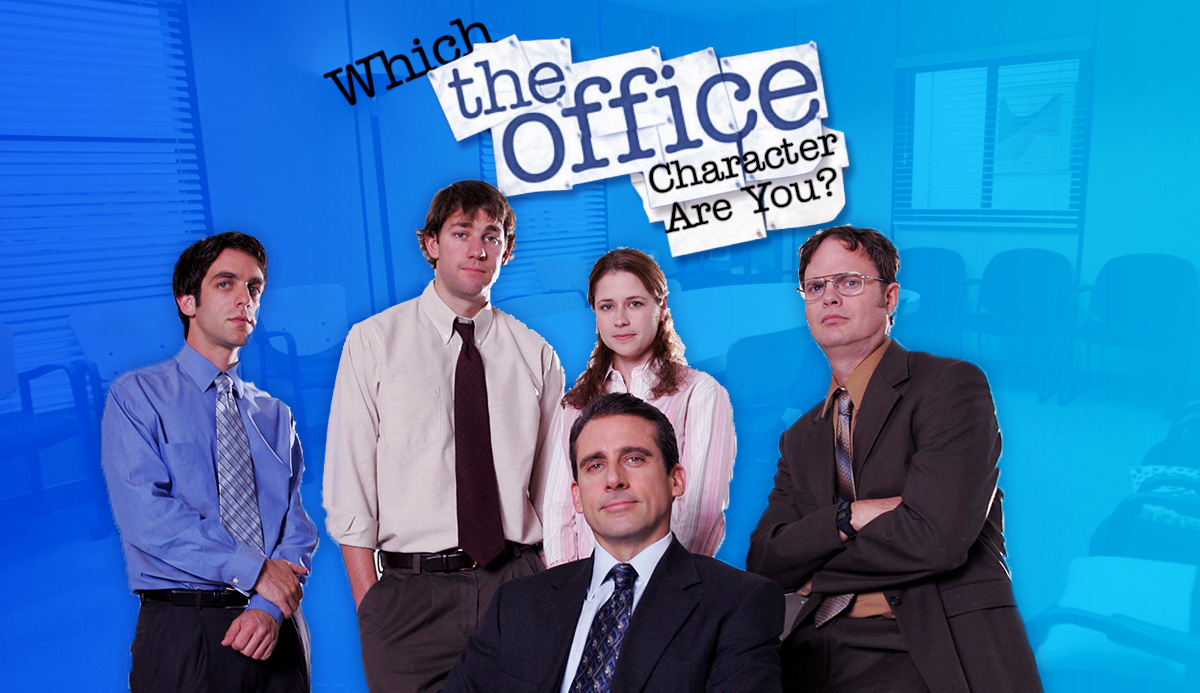
In the world of brand strategy, the characters of Dunder Mifflin serve as masterclasses in identity. Whether it is the chaotic visionary, the grounded pragmatist, or the hyper-focused specialist, each character occupies a specific “brand space.” By identifying which character aligns with your professional style, you can better understand your own brand equity and learn how to leverage your unique traits for career advancement.
The Power of Character Archetypes in Brand Strategy
Every successful brand, whether corporate or personal, relies on a clear archetype. Archetypes provide a roadmap for how a brand communicates, interacts with its audience, and handles conflict. In The Office, the writers meticulously crafted characters that mirror the Jungian archetypes often used by marketing agencies to build global brands.
Why We Relate to the Dunder Mifflin Ensemble
From a brand perspective, the relatability of the show stems from its “human-centric” design. In marketing, the most successful brands are those that exhibit human flaws alongside their strengths. Jim Halpert isn’t just a salesman; he is the “Everyman” archetype—approachable, relatable, and skeptical of corporate absurdity. Dwight Schrute represents the “Ruler” or “Guardian,” obsessed with order, hierarchy, and legacy.
When we ask which character we are, we are looking for a mirror. We want to see our professional values reflected in a narrative. For a brand strategist, this is the “North Star.” If a brand can identify its core character archetype, it can maintain consistency across all marketing channels, ensuring that its message resonates deeply with a specific target audience.
Jungian Archetypes in the Modern Workplace
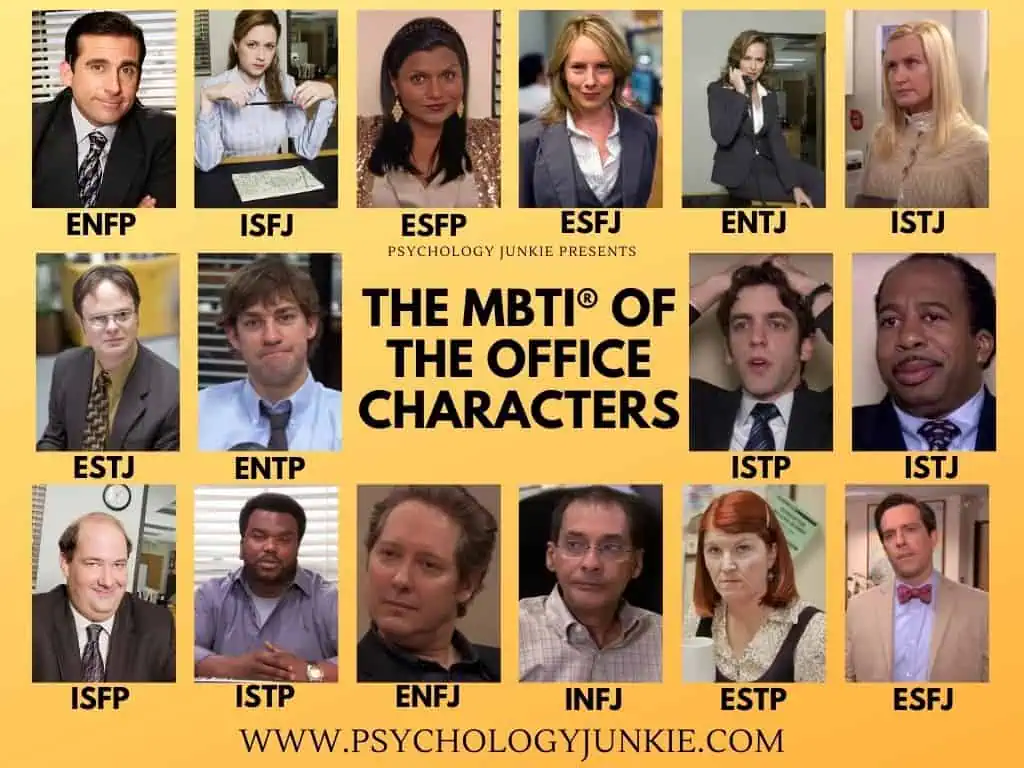
In professional branding, identifying as a “Pam Beesly” suggests a brand built on evolution and the “Creator” archetype. Her journey from a soft-spoken receptionist to a confident office administrator and artist is a narrative of brand growth. Conversely, Michael Scott represents a distorted version of the “Jester” and the “Caregiver.” He wants to be loved and to make people laugh, often at the expense of his professional standing.
Understanding these archetypes allows professionals to conduct a “brand audit” of themselves. Are you the visionary who lacks execution? Are you the executor who lacks visibility? By mapping your traits onto these well-known characters, you can identify “brand gaps” and work toward a more balanced professional identity.
Michael Scott vs. Robert California: Leadership Branding Styles
Leadership is perhaps the most visible aspect of a personal brand. In The Office, the contrast between Michael Scott’s and Robert California’s leadership styles provides a fascinating study in brand positioning and perceived authority.
The Enthusiastic Visionary (The “Michael” Approach)
Michael Scott’s brand is built on emotional intelligence—or at least, the desperate desire for it. His leadership style is “People First, Paper Second.” While often criticized for being unproductive, Michael’s brand is remarkably resilient. He fosters a culture of loyalty that, despite its dysfunction, results in the highest-performing branch in the company.
In branding, this is known as the “Emotional Connection Strategy.” Michael doesn’t sell paper; he sells the idea of a family. For professionals who identify with Michael, their brand strength lies in empathy, team cohesion, and high-energy motivation. However, the risk of this brand is a lack of professional boundaries and a tendency to prioritize popularity over performance. To refine this brand, one must learn to balance the “human” element with strategic discipline.
The Enigmatic Authority (The “Robert” Approach)
Robert California, the enigmatic CEO of Sabre, represents the “Sage” or “Magician” archetype. His brand is built on mystery, intellectual intimidation, and a perceived deep understanding of the human psyche. He doesn’t need to shout to be the most powerful person in the room; his brand is his presence.
This is a “Prestige Branding” approach. It relies on the scarcity of information and the weight of words. Professionals who align with Robert California often possess high levels of strategic thinking and a “disruptor” mindset. The challenge for this brand is accessibility. If a brand is too aloof or intimidating, it can alienate stakeholders. Identifying with this character suggests your brand is one of high-level expertise, but it may require more “humanization” to build long-term trust in a collaborative environment.
Identifying Your Internal Brand Persona
While leadership styles are external, your internal brand persona is defined by how you handle your daily responsibilities and how you interact with your peers. This is the “Product Quality” of your personal brand.
The Reliable Anchor (Pam and Jim)
Jim and Pam represent the “Core Brand.” They are the stability within the chaos. Jim’s brand is characterized by high competence paired with a low-effort aesthetic—the “Cool Professional.” Pam’s brand is one of quiet resilience and incremental growth.
For many, identifying with Jim or Pam is a sign of a “Service-Oriented” brand. These are the individuals who keep the wheels turning, provide emotional stability to the team, and possess high levels of social capital. In terms of brand strategy, these personas are highly marketable because they are “low-risk, high-reward.” They are the backbone of any organization. However, the pitfall of the “Anchor” brand is the “invisible contributor” syndrome. To grow this brand, one must learn to step into the spotlight and claim credit for their foundational work.
The Disciplined Specialist (Dwight)
Dwight Schrute is perhaps the most defined brand in the series. His brand pillars are: Loyalty, Efficiency, Tradition, and Intensity. He is the “Specialist” who knows his product (paper) and his domain (the office) better than anyone else.
A Dwight-style brand is incredibly powerful in niche markets. It is a brand of “Extreme Competence.” If you identify with Dwight, your professional value lies in your reliability and your uncompromising standards. You are the “Hard Goods” of the professional world. The strategic advice for a “Dwight” brand is to develop “Soft Skills.” A brand that is all function and no form can be difficult for others to consume. By softening the edges of a specialist brand, you make your expertise more palatable to a broader audience.
Applying “The Office” Archetypes to Your Corporate Identity
Beyond the individual, these character archetypes can be applied to entire corporate brands. When a company determines its “character,” it can more effectively communicate with its target demographic.
Humanizing the Brand Through Relatability
In a world of sterile corporate jargon, brands that adopt a “Pam” or “Jim” persona—honest, slightly self-deprecating, and highly human—often see much higher engagement. This is why many social media brands today use a conversational, witty tone. They are moving away from the “Corporate Man” (Toby Flenderson) and toward the “Relatable Colleague” (Jim Halpert).
By analyzing The Office, companies can see the dangers of the “Michael Scott” corporate brand: a brand that tries too hard to be “cool” and loses sight of its core mission. Successful brand strategy involves taking the authenticity of these characters and stripping away the comedic exaggerations to find a professional middle ground.
Consistency and the “Salesman” Mentality
Stanley Hudson represents a brand of “Boundaries and Consistency.” He does his job, he hits his numbers, and he leaves at 5:00 PM. While this may seem uninspired, in the world of branding, consistency is king. A brand that delivers exactly what it promises, without fluff or distraction, builds immense “Brand Trust.”
Companies can learn from the “Stanley” approach by focusing on their core competency. In an era where every brand feels the need to take a stance on every social issue or jump on every trend, there is immense value in the “Quietly Competent” brand. It identifies its target (the crossword puzzle), ignores the noise (Michael’s antics), and delivers the results (the sales figures).
Conclusion: Leveraging Personality for Professional Success
“What character am I from The Office?” is more than a fun distraction for a Friday afternoon. It is a diagnostic tool for your personal brand. Whether you are the visionary Michael, the specialist Dwight, the relatable Jim, or the evolving Pam, your character tells a story about your professional value.
In the modern marketplace, where your personal brand is often your most valuable asset, understanding these archetypes allows you to navigate your career with greater intentionality. By identifying your “Office” counterpart, you can lean into your natural strengths, mitigate your weaknesses, and build a professional identity that is as memorable and enduring as the residents of Dunder Mifflin, Scranton. The key to a successful brand, much like a successful TV show, lies in authenticity. Once you know which character you are, you can stop playing a role and start building a legacy.
aViewFromTheCave is a participant in the Amazon Services LLC Associates Program, an affiliate advertising program designed to provide a means for sites to earn advertising fees by advertising and linking to Amazon.com. Amazon, the Amazon logo, AmazonSupply, and the AmazonSupply logo are trademarks of Amazon.com, Inc. or its affiliates. As an Amazon Associate we earn affiliate commissions from qualifying purchases.