
In the lexicon of automotive engineering, the components colloquially known as “side mirrors” are more formally referred to as side-view mirrors, wing mirrors, or door mirrors. While the terminology seems straightforward, the technology housed within these exterior appendages has undergone a radical transformation. What was once a simple piece of reflective glass encased in plastic has evolved into a sophisticated technological hub, integrated into the vehicle’s Advanced Driver Assistance Systems (ADAS) and aerodynamic architecture.
To understand what these mirrors are called is only the first step; to understand the technology they represent is to witness the convergence of optics, electronics, and digital innovation.
The Taxonomy and Engineering of Modern Mirror Systems
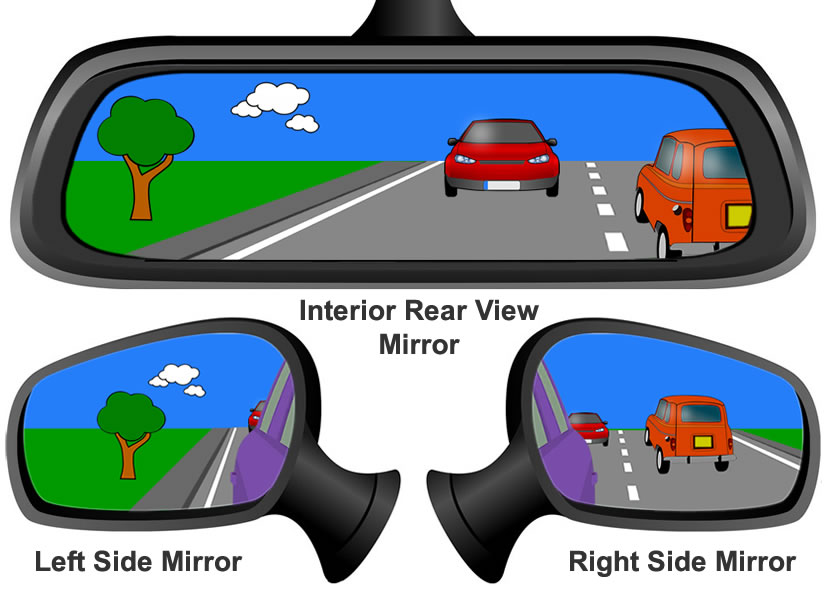
The names used to describe these components often depend on regional dialects and specific vehicle designs. In North America, “side-view mirror” is the standard nomenclature, whereas “wing mirror” is the preferred term in the United Kingdom and much of the Commonwealth—a vestige of the era when mirrors were mounted further forward on the front wings (fenders) of the car. In contemporary manufacturing, “door mirror” is technically accurate, as the majority of modern units are mounted directly to the door’s A-pillar or the door skin itself.
The Anatomy of a Modern Side Mirror Assembly
Far from being a static piece of hardware, a modern side-view mirror is an intricate assembly of mechatronics. At its core is the glass substrate, but beneath that surface lies a complex array of actuators. These high-precision motors allow for the multi-axis adjustment of the mirror angle, often linked to the vehicle’s memory system. In luxury and high-tech segments, these motors are integrated with the vehicle’s software to provide “tilt-in-reverse” functionality, automatically adjusting the mirror downward to assist with curb-side parking.
Material Science and Mirror Optics
The “glass” itself is a marvel of optical engineering. Most driver-side mirrors are flat to provide an accurate representation of distance, while passenger-side mirrors are typically convex. This curvature is a deliberate optical choice to provide a wider field of view, though it necessitates the ubiquitous warning: “Objects in mirror are closer than they appear.” The tech behind the glass also includes integrated heating elements—thin resistive films that clear frost and condensation—ensuring that the digital sensors and human eyes alike have a clear line of sight in adverse weather.
The Digital Revolution: Transitioning from Reflection to Refraction
The most significant technological shift in the history of the side mirror is currently underway: the transition from analog glass to Camera Monitor Systems (CMS). In this paradigm, the “side mirror” is no longer a mirror at all, but a high-definition optical sensor.
Camera Monitor Systems (CMS) and Aerodynamics
Companies like Audi, Lexus, and Tesla have pioneered the replacement of traditional mirrors with slim, stalk-mounted cameras. These sensors stream real-time, high-resolution video to internal displays located on the dashboard or the interior door panels. The primary driver for this tech is aerodynamics. A traditional side mirror creates significant wind resistance and aero-acoustic noise. By replacing a bulky mirror housing with a streamlined camera pod, manufacturers can significantly reduce the vehicle’s drag coefficient, which is critical for extending the range of Electric Vehicles (EVs).
Low-Light Enhancement and Image Processing
Digital mirrors offer tech-driven advantages that glass cannot match. High-Dynamic Range (HDR) sensors allow these “mirrors” to compensate for glare from following vehicles’ high beams or the blinding light of a setting sun. Through sophisticated image signal processing (ISP), the system can brighten dark environments, providing the driver with a clearer view of their surroundings at night than a traditional reflective surface could ever offer. Furthermore, these digital systems can overlay graphic markers to help drivers judge distances more accurately during lane changes.
Smart Integration and ADAS Connectivity
In the current landscape of vehicle technology, the side mirror serves as a primary mounting point for a suite of sensors that feed data into the car’s central processing unit. They are the “ears and eyes” of the vehicle’s safety network.

Blind Spot Information Systems (BLIS)
The most common tech integrated into side mirrors is the Blind Spot Information System (BLIS). Using either ultrasonic sensors or rear-facing radar modules often housed within or near the mirror assembly, the car monitors zones that the driver cannot see. When a vehicle enters these zones, the mirror’s tech communicates this via haptic feedback or, most commonly, a visual LED indicator embedded directly into the mirror glass. This is a seamless marriage of hardware and software, turning a passive safety device into an active one.
360-Degree “Bird’s Eye” Vision
Modern side mirrors are essential for the 360-degree camera systems found in many new SUVs and sedans. Downward-facing cameras located in the base of the mirror housing capture the area immediately surrounding the vehicle’s flanks. The vehicle’s onboard computer then stitches these images together with data from front and rear cameras to create a simulated top-down view. This level of spatial awareness is powered by complex algorithms and high-speed data buses that transfer gigabytes of visual data per second, showcasing the mirror’s role as a critical node in the vehicle’s digital ecosystem.
Advanced Glass Tech: Self-Dimming and Hydrophobic Coatings
Even in vehicles that retain traditional glass mirrors, the technology is anything but basic. The integration of chemical and electrical engineering has solved many of the historical limitations of side-view mirrors.
Electrochromic Technology
One of the most impressive “invisible” technologies in modern mirrors is the electrochromic feature, also known as auto-dimming. This involves a sandwich of conductive coatings and an electrochromic gel between two layers of glass. When light sensors (usually located in the rearview mirror) detect excessive glare from behind, a low-voltage electrical current is sent to the side mirrors. This current triggers a chemical reaction in the gel, causing it to darken and reduce the intensity of the reflected light. This tech drastically reduces driver fatigue and prevents temporary “flash blindness” during night driving.
Hydrophobic and Photo-catalytic Coatings
To ensure tech remains functional in the rain, many manufacturers apply hydrophobic coatings to the mirror glass. This nanotechnology-based surface treatment lowers the surface energy of the glass, causing water to bead and roll off instantly rather than forming a vision-obscuring film. Some high-end Japanese manufacturers have even experimented with photo-catalytic coatings that use UV light to break down organic dirt and grime, effectively creating a “self-cleaning” mirror that maintains its optical clarity without human intervention.
The Future of Vision: Augmented Reality and AI Integration
Looking forward, the side mirror (or its digital successor) is set to become even more integrated with Artificial Intelligence. We are moving toward a future where the mirror does not just show what is there, but interprets what it sees.
Augmented Reality (AR) Overlays
As vehicles move toward higher levels of autonomy, the “mirror” displays will likely incorporate Augmented Reality. Imagine a digital side-view display that highlights a cyclist in red or draws a projected path for a car approaching at high speed in the adjacent lane. This AI-driven interpretation of visual data will turn the side mirror into a predictive tool, alerting drivers to potential hazards before they are consciously perceived.
Connectivity and V2X Communication
In the context of the Internet of Things (IoT), the sensors located in side mirrors could eventually contribute to Vehicle-to-Everything (V2X) communication. A side mirror’s camera might detect a patch of black ice or a road hazard and instantly upload that data to the cloud, warning other connected vehicles in the vicinity. In this scenario, the side mirror ceases to be an isolated component; it becomes a data-gathering probe for a global network of intelligent transport.
Conclusion: A Component Reimagined
What are the side mirrors on a car called? While we may call them side-view, wing, or door mirrors, their technical identity is rapidly shifting toward “optical sensor nodes” and “digital vision systems.” The journey from the first hand-held mirrors used by early racing pioneers to the 4K-resolution, AI-enhanced camera systems of today represents the broader trajectory of the automotive industry: a move away from mechanical simplicity toward integrated, software-defined complexity.
Whether it is through the use of electrochromic chemicals to manage light, or the use of high-speed cameras to eliminate wind resistance, the side mirror remains one of the most vital pieces of technology on a vehicle. It is a testament to how even the most basic components can be reinvented through the lens of modern tech to improve safety, efficiency, and the overall driving experience.
aViewFromTheCave is a participant in the Amazon Services LLC Associates Program, an affiliate advertising program designed to provide a means for sites to earn advertising fees by advertising and linking to Amazon.com. Amazon, the Amazon logo, AmazonSupply, and the AmazonSupply logo are trademarks of Amazon.com, Inc. or its affiliates. As an Amazon Associate we earn affiliate commissions from qualifying purchases.