
In the modern marketplace, the relationship between a brand and its consumer has evolved far beyond the traditional transactional model. No longer is it sufficient to simply provide a functional product or a reasonably priced service. Today, the most successful companies are those that foster a deep, emotional connection—a form of “brand love”—that transcends logic and price sensitivity. Just as individuals use specific “love languages” to communicate affection and build intimacy, brands must master a diverse set of communication and experiential strategies to resonate with their audience.
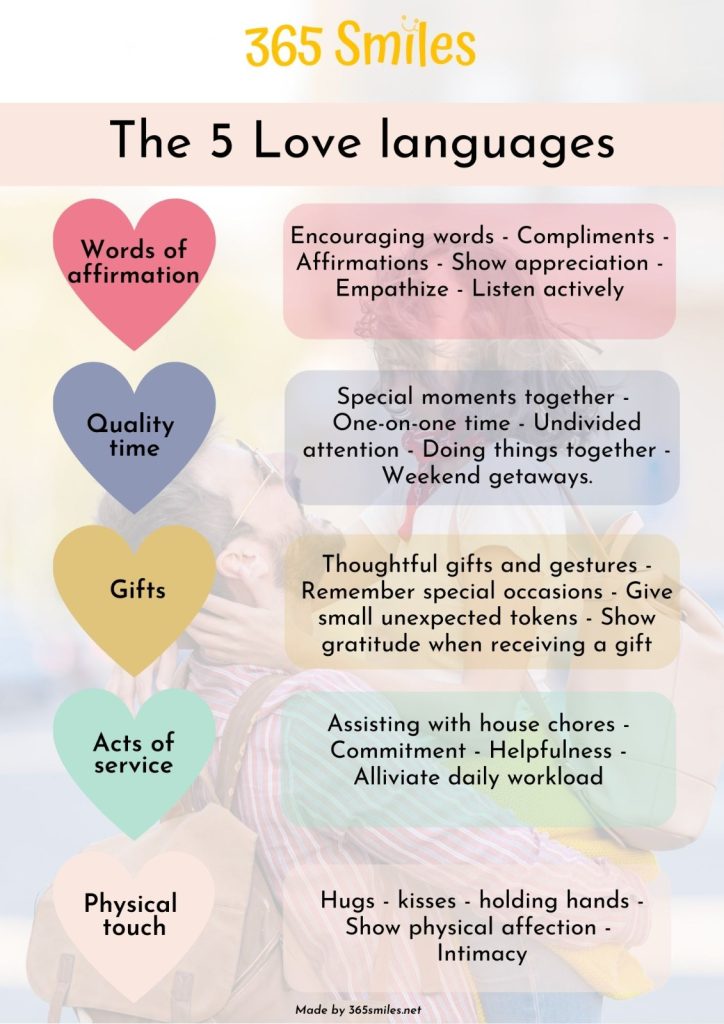
Understanding the “10 languages of love” in a branding context allows organizations to move from being a mere choice to becoming an essential part of a consumer’s identity. This article explores these ten distinct strategic pillars, detailing how brand strategy, corporate identity, and marketing design can be leveraged to build enduring loyalty.
The Foundation of Brand Love: Beyond Transactional Relationships
Before diving into the specific languages, it is crucial to understand why emotional resonance is the new gold standard in branding. In an era of infinite choice and digital noise, consumers are increasingly seeking brands that align with their values and make them feel seen, heard, and appreciated.
Shifting from Sales to Connection
The traditional marketing funnel focused heavily on awareness and conversion. However, the modern brand ecosystem focuses on “the loop”—a continuous cycle of engagement where the sale is merely a milestone, not the destination. When a brand speaks the right language, it shifts the consumer’s perception from “What can I buy?” to “How does this brand represent me?” This shift is the hallmark of brand affinity. It requires a move away from aggressive, high-pressure sales tactics toward a more nuanced, empathetic approach to customer psychology.
The Psychology of Consumer Devotion
Brand love is rooted in social identity theory. Humans have an innate desire to belong to groups that reflect their ideal selves. When a brand effectively communicates its identity through consistent design, tone, and action, it becomes a badge of honor for the consumer. Whether it is the sleek minimalism of a tech giant or the rugged authenticity of an outdoor apparel company, the “love” stems from a shared narrative. By mastering the 10 languages, a brand can tap into these psychological drivers, ensuring that every touchpoint reinforces a positive emotional bond.
The Core 10 Languages of Brand Love
To build a brand that people truly love, organizations must diversify their “vocabulary.” Relying on just one method of engagement is rarely enough. Instead, the most resilient brands utilize a combination of the following ten languages.
1. Radical Transparency (Words of Affirmation)
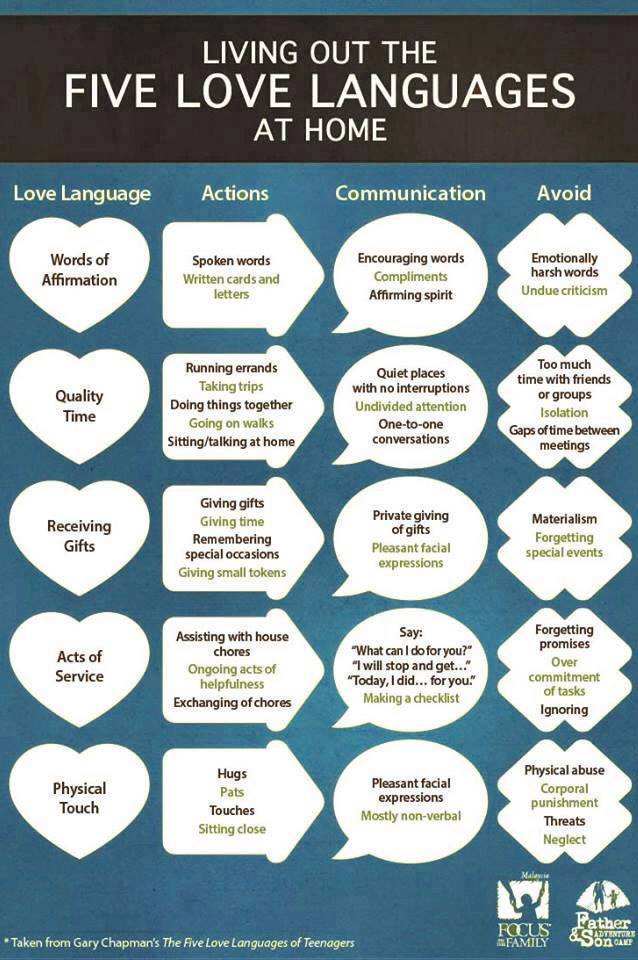
In the corporate world, “words of affirmation” translate to radical transparency. This language is spoken when a brand is honest about its sourcing, its failures, and its pricing structures. When a company admits to a mistake or shares the “why” behind a price increase, it builds trust. This honesty acts as a verbal commitment to the relationship, reassuring the consumer that the brand values the truth over a quick profit.
2. Seamless User Experience (Acts of Service)
In branding, an “act of service” is a frictionless user experience (UX). If a brand’s website is intuitive, its checkout process is effortless, and its customer support is proactive, it is telling the customer, “I value your time.” This language is about removing pain points. A brand that anticipates a customer’s needs through smart design and thoughtful service proves its devotion by making the customer’s life easier.
3. Personalized Rewards (Receiving Gifts)
This is not about generic discounts; it is about personalized value. The language of “receiving gifts” in branding involves data-driven rewards that feel bespoke. Whether it is a surprise “anniversary” discount, a free sample based on previous purchases, or early access to a new collection, these gestures make the consumer feel like an individual rather than a data point in a CRM system.
4. Immersive Community Engagement (Quality Time)
Brands that prioritize “quality time” invest heavily in community building. This could be through high-value content, interactive webinars, or physical brand activations and events. When a brand creates a space for its customers to gather and share their passions, it is no longer just selling a product; it is hosting a culture. This dedicated time fosters a sense of belonging that is difficult for competitors to disrupt.

5. Haptic Design and Sensory Branding (Physical Touch)
While “physical touch” might seem literal, in branding, it refers to the sensory experience of the product and packaging. The weight of a luxury watch, the “thud” of a car door, or the texture of a high-end recycled paper box all communicate quality and care. Sensory branding creates a physical anchor for the emotional connection, making the brand feel tangible and real in a digital-first world.
6. Ethical Integrity and Value Alignment
This language is spoken through corporate social responsibility (CSR) and ESG (Environmental, Social, and Governance) initiatives. Modern consumers “love” brands that stand for something. When a brand’s actions—such as committing to carbon neutrality or supporting social justice—align with the consumer’s personal ethics, it creates a deep, values-based bond. This is perhaps the most powerful language for Gen Z and Millennial demographics.
7. Proactive Problem Solving
Love is often tested during times of conflict. A brand speaks this language when its customer service goes beyond the script to resolve an issue before the customer even asks. It is about “over-delivering” on a promise. When a brand handles a return or a complaint with grace and generosity, it often turns a dissatisfied customer into a lifelong advocate.
8. Exclusive Access and Inner-Circle Status
Exclusivity creates a “special” feeling. By offering “members-only” tiers, “behind-the-scenes” content, or “inner-circle” feedback loops, a brand makes its most loyal customers feel like partners. This language leverages the human desire for status and belonging, transforming a standard customer into a brand stakeholder.
9. Consistent Narrative and Storytelling
A brand without a story is a brand without a soul. Consistent storytelling across all platforms—from Instagram to the annual report—creates a coherent identity that consumers can fall in love with. This language involves using a consistent “voice” and visual language to tell a story that the consumer can see themselves in. It is about the “mythology” of the brand.
10. Empowerment and Co-Creation
The final language of love is empowerment. Brands that allow their customers to have a say in product development or marketing campaigns (co-creation) are showing the ultimate form of respect. When a brand empowers its audience to be creative or to solve their own problems using the brand’s tools, it fosters a sense of pride and ownership in the consumer.
Implementing the Languages: A Strategy for Corporate Identity
Integrating these ten languages requires more than just a marketing campaign; it requires a fundamental shift in corporate identity. Every department, from product development to HR, must understand which languages the brand is trying to speak.
Auditing Your Brand’s Current Vocabulary
The first step in a brand strategy overhaul is to audit current touchpoints. Are you relying too heavily on “gifts” (discounts) while neglecting “acts of service” (UX)? A balanced brand profile usually focuses on 2–3 “primary” languages that define its core identity, while supporting the others to ensure a holistic experience. For instance, a luxury brand may prioritize Sensory Branding and Exclusivity, while a tech startup might focus on Transparency and UX.
Measuring Sentiment and Emotional ROI
While traditional KPIs like Conversion Rate and Customer Acquisition Cost (CAC) are important, “brand love” requires measuring emotional ROI. This is done through Net Promoter Scores (NPS), sentiment analysis on social media, and Customer Lifetime Value (CLV). Brands that speak these ten languages effectively will see a significant decrease in churn and an increase in organic, word-of-mouth referrals, which are the highest indicators of a successful brand relationship.
The Future of Brand Relationships in a Digital Age
As we move further into an era dominated by Artificial Intelligence and automated interactions, the need for “human” brand languages becomes even more critical. Paradoxically, the more we automate, the more consumers crave authentic connection.
AI and the Personalization Paradox
Artificial Intelligence allows brands to speak the language of “Personalized Rewards” and “Proactive Problem Solving” at a massive scale. However, the risk is that these interactions can feel hollow or “uncanny.” The challenge for future brand strategy is to use AI to handle the data while ensuring the “heart” of the communication remains human. The most successful brands will be those that use technology to enhance their ability to speak the 10 languages, rather than using it as a shield to avoid genuine engagement.
Sustaining Long-Term Brand Advocacy
Ultimately, the goal of mastering the 10 languages of love is to create “brand evangelists.” These are customers who do not just buy your product, but actively defend and promote it. By consistently speaking these languages, a brand builds a “loyalty bank” that can sustain it through market fluctuations and competitive pressures. In the end, brand strategy is not about tricking someone into a purchase; it is about building a relationship so strong that the consumer couldn’t imagine their life without the brand. That is the power of brand love.
aViewFromTheCave is a participant in the Amazon Services LLC Associates Program, an affiliate advertising program designed to provide a means for sites to earn advertising fees by advertising and linking to Amazon.com. Amazon, the Amazon logo, AmazonSupply, and the AmazonSupply logo are trademarks of Amazon.com, Inc. or its affiliates. As an Amazon Associate we earn affiliate commissions from qualifying purchases.