
In the world of marketing, the most effective tools are often those that integrate seamlessly into the daily lives of consumers. While digital ads are frequently blocked and billboards are driven past at sixty miles per hour, the humble “koozie”—a sleeve designed to keep beverages cold and hands dry—remains one of the most resilient and high-impact assets in a brand’s physical marketing arsenal.
To the casual observer, a koozie is simply a piece of foam or neoprene. However, to a brand strategist, it represents a high-frequency touchpoint, a mobile advertisement, and a tangible piece of brand identity that carries significant psychological weight. Understanding what koozies are and how they function within a broader marketing framework is essential for any business looking to increase its brand equity through promotional products.

The Evolution of the Koozie: From Utility Tool to Branding Staple
At its core, a koozie (often referred to generically as a “can cooler” or “beverage insulator”) is a sleeve made of thermally insulating material. Its primary function is twofold: it keeps a chilled beverage cold by reducing the rate of heat transfer through conduction and radiation, and it prevents condensation from forming on the outside of the container.
Origins and Functionality
The concept of beverage insulation dates back decades, with various patents emerging in the early 1980s. The term “Koozie” itself was originally a trademarked brand name that became so ubiquitous that it entered the lexicon as a generic term—a phenomenon known in branding as “proprietary eponyms,” similar to Kleenex or Xerox.
From a brand perspective, this transition from a specific product name to a general category speaks to the item’s cultural saturation. When a product is so integrated into the social fabric—appearing at backyard barbecues, sporting events, and corporate retreats—it becomes a high-value canvas for corporate identity.
Why the Term “Koozie” Transcends the Product
In branding, the name of an object carries emotional resonance. Using a “koozie” implies a social setting—relaxation, celebration, or community. When a brand places its logo on such an item, it isn’t just advertising; it is associating its corporate identity with the positive emotional states of the user. This is a foundational principle of brand strategy: aligning your visual markers with the lifestyle and values of your target demographic.
The Psychology of Promotional Products: Why Koozies Work for Brands
The effectiveness of a koozie in a marketing campaign is backed by the psychology of promotional products. Unlike a television commercial that interrupts an experience, a promotional koozie enhances it. This shift from “interruption” to “utility” is where brand loyalty begins.
Creating Tangible Brand Touchpoints
In a digital-first economy, tangible brand touchpoints are becoming increasingly rare and, therefore, more valuable. A koozie provides a tactile experience. When a consumer holds a drink wrapped in a branded sleeve, they are engaging with the brand through touch, sight, and the sensory satisfaction of a cold drink.
This multi-sensory engagement creates a stronger memory pathway than a digital banner. In marketing terms, this is referred to as “sensory branding.” By providing a physical solution to a common problem—wet hands or warm soda—the brand establishes itself as helpful and practical in the mind of the consumer.
The Longevity of Low-Cost Marketing
One of the most compelling arguments for including koozies in a brand strategy is their “cost-per-impression” (CPI). A single koozie often costs less than a dollar to produce in bulk but can remain in a consumer’s cupboard for years.
According to research by the Advertising Specialty Institute (ASI), promotional products are kept for an average of seven months, but items with high utility, like koozies, often survive for several years. Every time that item is used—whether at a family gathering or a public park—the brand is viewed not only by the owner but also by everyone in their immediate vicinity. This “passive advertising” generates thousands of impressions over the product’s lifecycle, offering an ROI that few digital channels can match.
Integrating Koozies into Your Corporate Identity and Event Marketing

For a brand to successfully utilize koozies, they must be more than an afterthought. They should be a deliberate extension of the brand’s visual language and marketing objectives.
Trade Shows and Large-Scale Brand Awareness
At trade shows and industry conferences, the competition for attention is fierce. “Swag” is the standard, but the goal is to provide something that won’t be thrown away at the hotel. Koozies are ideal for this because they are lightweight, packable for the attendee, and immediately useful if there is a networking mixer or beverage station nearby.
When a brand distributes high-quality koozies at an event, they are effectively turning every attendee into a walking billboard. In a sea of lanyard-wearing professionals, a bright, well-designed can cooler stands out, sparking conversations and increasing brand visibility across the event floor.
Internal Branding and Corporate Culture
Brand strategy isn’t just about external customers; it’s also about internal culture. Using koozies as part of a “new hire kit” or as gifts during company retreats helps solidify corporate identity among employees. It fosters a sense of belonging and pride. When employees use branded merchandise in their personal lives, they become brand ambassadors, signaling to their social circles that they are part of a cohesive and thoughtful organization.
Designing for Impact: Material Selection and Visual Consistency
The difference between a “cheap giveaway” and a “premium brand asset” lies in the design and material choice. If a brand wants to be perceived as premium, its promotional materials must reflect that quality.
Choosing the Right Materials: Foam vs. Neoprene
There are two primary materials used in koozie production: open-cell foam and neoprene.
- Foam: This is the budget-friendly option. It is lightweight and collapsible, making it excellent for mass distribution. From a brand perspective, foam koozies are perfect for high-volume events where the goal is maximum reach.
- Neoprene: This is the same material used in wetsuits. It is more durable, provides better insulation, and feels more substantial in the hand. For a brand focusing on high-end corporate identity or luxury positioning, neoprene is the superior choice. It signals that the brand does not cut corners and values quality over quantity.
Maximizing ROI Through Strategic Design
A koozie offers a 360-degree wrap-around canvas. Brands should utilize this space strategically. While putting a logo on the front is standard, the “back” or “bottom” can be used for:
- QR Codes: Bridging the gap between physical and digital marketing by leading users to a landing page or a social media profile.
- Taglines: Strengthening brand messaging through concise, memorable copy.
- Creative Visuals: Using bold colors or unique patterns that align with the brand’s seasonal campaigns.
A well-designed koozie should be aesthetically pleasing enough that the consumer wants to use it, even if they aren’t consciously thinking about the brand.
Measuring the Success of Physical Branding in a Digital World
In modern brand management, data is king. A common critique of promotional products like koozies is that they are difficult to track compared to a Facebook ad. However, strategic marketers find ways to measure their impact.
Trackability and Modern Marketing Integration
By incorporating unique identifiers, brands can turn a koozie into a trackable asset. For example, a koozie distributed at a specific music festival might feature a unique discount code or a QR code that tracks “offline-to-online” conversions. This allows the brand to see exactly how many people engaged with the physical product and transitioned into the digital sales funnel.
Furthermore, the “social amplification” of koozies is measurable. In the age of Instagram and TikTok, lifestyle products often end up in the background (or foreground) of user-generated content. Monitoring social media for brand mentions or sightings of promotional gear provides qualitative data on how the brand is being integrated into the lives of its audience.
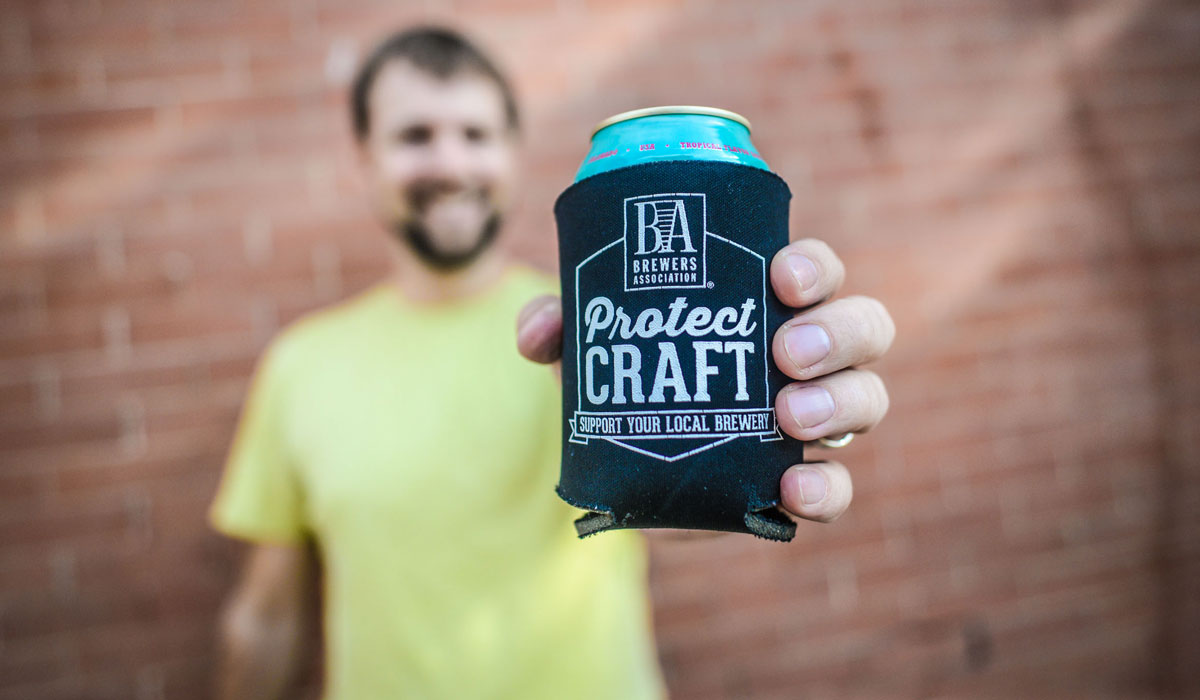
The Long-Term Play
Ultimately, the koozie is a tool for brand salience—the degree to which a brand is thought of or noticed when a customer is in a buying situation. By consistently appearing in relaxed, social, and positive environments, the brand builds a reservoir of goodwill. When the time comes for the consumer to make a purchasing decision, the brand that has been “holding their drink” for the last six months is likely to be the one that feels the most familiar and trustworthy.
In conclusion, koozies are far more than mere beverage accessories. They are sophisticated marketing tools that, when executed within a clear brand strategy, provide high visibility, long-term utility, and a tangible connection between a company and its audience. By focusing on quality materials, thoughtful design, and strategic distribution, a brand can turn a simple can cooler into a powerful engine for corporate identity and consumer loyalty.
aViewFromTheCave is a participant in the Amazon Services LLC Associates Program, an affiliate advertising program designed to provide a means for sites to earn advertising fees by advertising and linking to Amazon.com. Amazon, the Amazon logo, AmazonSupply, and the AmazonSupply logo are trademarks of Amazon.com, Inc. or its affiliates. As an Amazon Associate we earn affiliate commissions from qualifying purchases.