
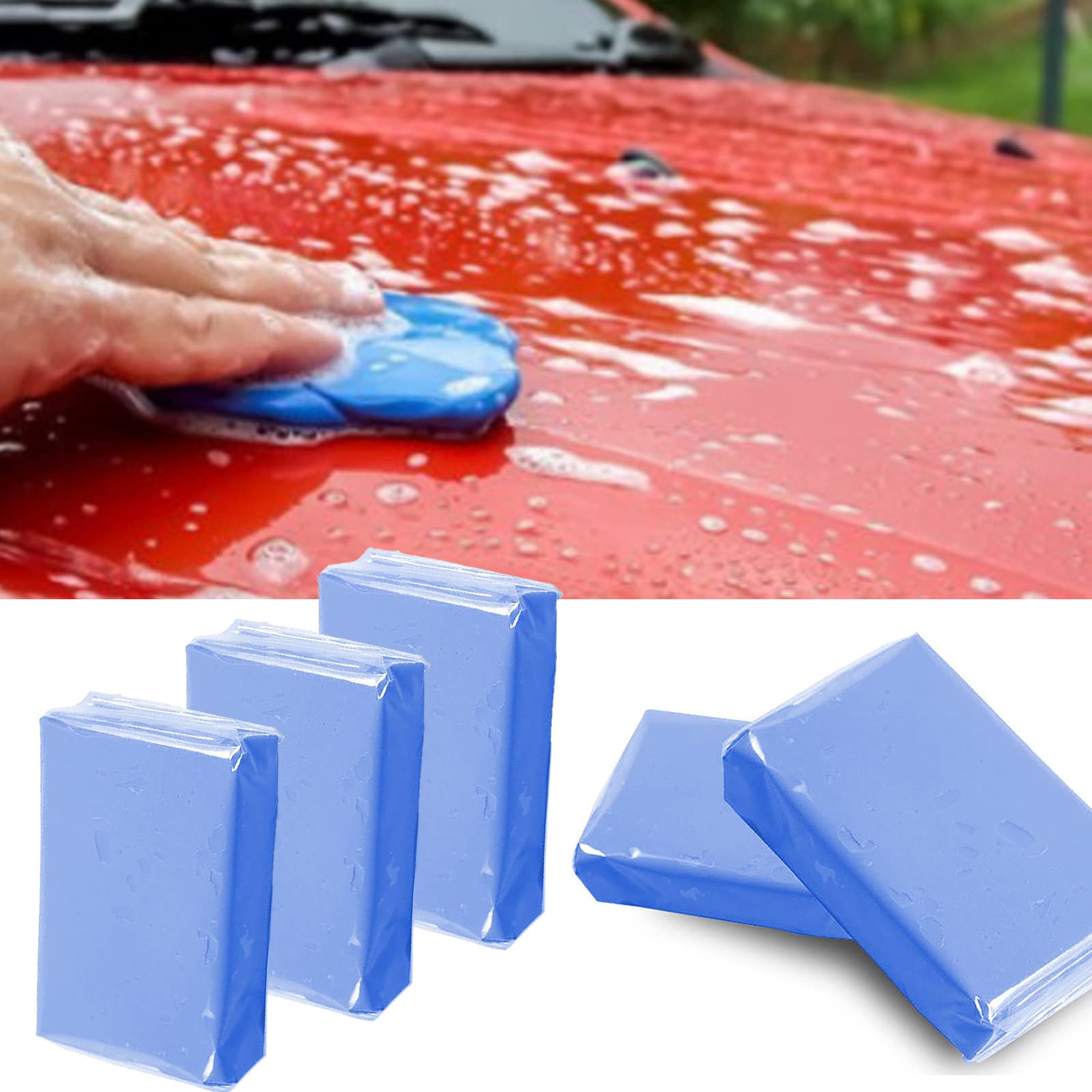
In the rapidly evolving landscape of automotive care and industrial maintenance, the “clay bar” has transitioned from a niche secret used by high-end detailers to a cornerstone of modern surface engineering technology. While it may appear to be a simple piece of pliable resin, the clay bar is a sophisticated material science solution designed to solve a problem that traditional chemical cleaning cannot: the removal of bonded surface contaminants.
This article explores the technical nuances of clay bar technology, the physics behind molecular shearing, and how this “analog” tool integrates into a modern, tech-driven approach to asset preservation.
The Evolution of Decontamination Technology: From Natural Clays to Synthetic Polymers
The history of the clay bar is a fascinating study in material adaptation. Originally developed in Japan in the late 1980s, early versions utilized natural clay compounds. However, as the demands of modern clear coats and aerospace-grade finishes evolved, so too did the technology behind these tools.
The Shift to Synthetic Elastic Resins
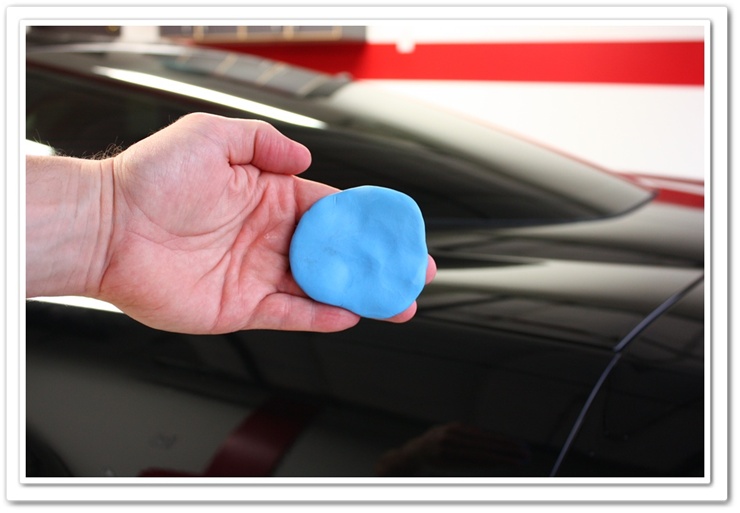
Today’s high-performance clay bars are rarely “clay” in the geological sense. They are primarily composed of synthetic plastic resins (polybutene) and contain varying grades of specialized abrasives, such as calcium carbonate or silica. The move toward synthetic polymers was driven by the need for consistency. Natural clay is prone to breaking down when exposed to certain chemicals, whereas synthetic resins can be engineered to withstand modern lubricants and varying temperature ranges.
Grading Systems: Precision Engineering for Surface Sensitivity
Technology in the clay bar sector is categorized by the “aggressiveness” of the abrasive particles suspended within the resin.
- Fine/Ultra-Fine Grade: Engineered with microscopic abrasives designed for routine maintenance and soft clear coats.
- Medium Grade: Developed for vehicles exposed to high-pollution environments, utilizing larger abrasive particles to shear off stubborn fallout.
- Heavy Grade: Often reserved for industrial applications or severe overspray removal, where the tech focus is on maximum shearing force rather than surface finishing.
The Rise of Synthetic Clay Substitutes (The “Clay 2.0” Trend)
In the last decade, technology has birthed “synthetic clay” in the form of polymerized rubber coatings applied to microfiber towels, mitts, and foam pads. This advancement utilizes high-tech surface geometry to trap contaminants in the channels of the rubber, allowing the tool to be rinsed and reused—a significant technological leap over traditional clay, which must be discarded if dropped.
The Mechanics of the Clean: How Molecular Shearing Works
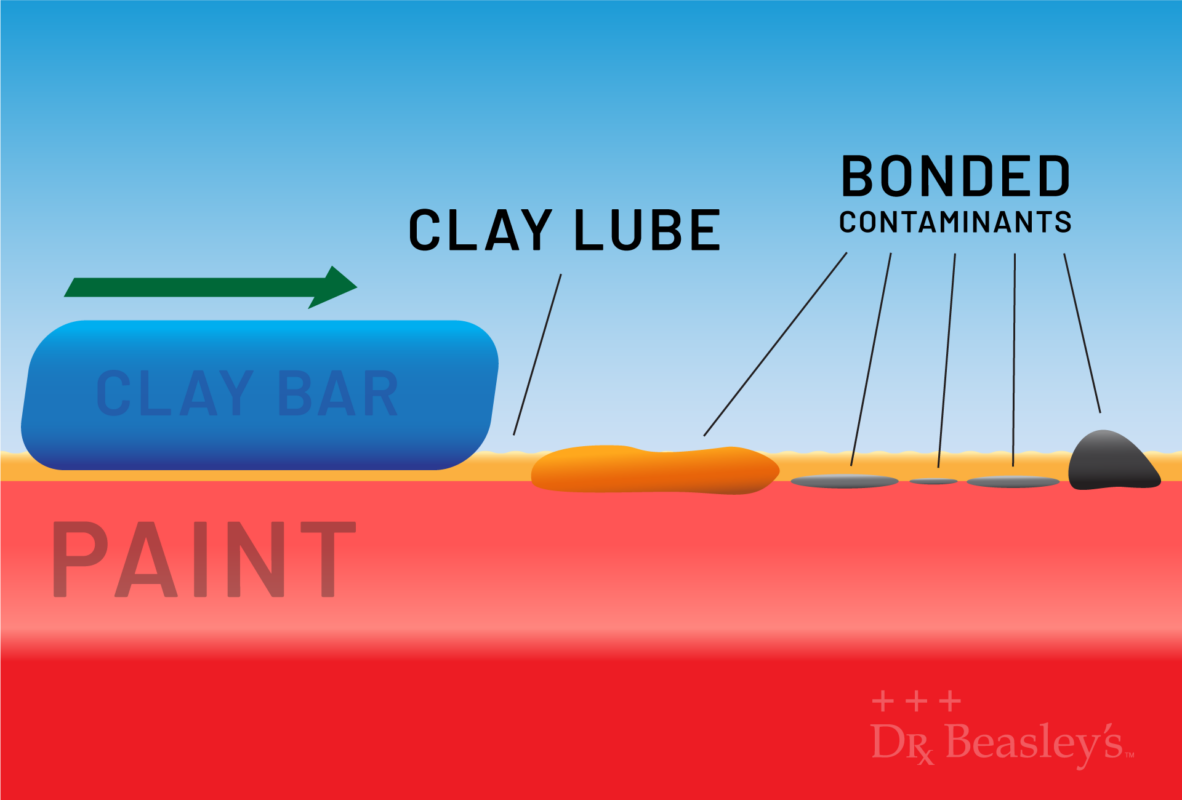
To understand the tech behind a clay bar, one must understand the physics of “bonded contaminants.” When a vehicle or aerospace component travels at high speeds, it is bombarded by industrial fallout, brake dust (metallic particles), and environmental proteins. These do not merely sit on the surface; they undergo a process of thermal bonding, essentially embedding themselves into the microscopic pores of the clear coat.
The Role of Lubrication Dynamics
The clay bar does not function in isolation; it is part of a two-component technological system involving a surfactant-based lubricant. The lubricant’s role is to create a hydrodynamic barrier between the clay and the paint. This allows the clay to glide over the surface while only interacting with the protrusions (the contaminants). Without this precise balance of surface tension and lubricity, the clay would cause “marring” or micro-abrasion.
The Shearing Process
As the clay bar passes over a bonded particle, the tacky nature of the synthetic resin “grabs” the contaminant. Because the resin is denser and more cohesive than the bond holding the particle to the paint, the lateral motion creates a shearing force. The particle is literally pulled out of the paint’s pores and encapsulated within the clay’s matrix. This is a form of mechanical decontamination that no pH-neutral soap or chemical solvent can replicate without damaging the substrate.
Surface Tension and Visual Refraction
The technological goal of using a clay bar is to restore the “optical clarity” of a surface. Contaminants create a “micro-peaked” surface that scatters light. By removing these peaks through claying, the surface becomes perfectly flat at a molecular level. This increases the Specular Reflection (the mirror-like quality of light) and allows for better adhesion of high-tech ceramic coatings or graphene sealants.
High-Tech Alternatives and the Future of Surface Care
While the manual clay bar remains the gold standard for precision, the industry is moving toward automated and digitally assisted decontamination. We are seeing a convergence of traditional detailing and advanced hardware.
Ultrasonic and Chemical Synergies
New trends in tech involve “iron removers”—chemical solutions that use thioglycolic acid to induce a site-specific chemical reaction with iron particles. When used in conjunction with a clay bar, this creates a dual-action decontamination process. The chemical softens the bond, and the clay performs the mechanical extraction. This “hybrid tech” approach reduces the risk of scratching and increases efficiency by up to 50%.
Digital Surface Assessment Tools
How do we know if a surface is truly clean? In the past, detailers used the “baggy test” (sliding a hand inside a plastic bag over the paint). Today, tech-forward professionals use Gloss Meters and Electronic Paint Depth Gauges. These gadgets measure the thickness of the clear coat in microns. Advanced shops are now employing high-resolution surface scanners that can detect “Rz” and “Ra” (surface roughness) values to determine if claying is necessary, moving the process from subjective guesswork to data-driven maintenance.
The Move Toward Eco-Friendly Synthetic Resins
As digital security and ESG (Environmental, Social, and Governance) standards become more prevalent in the tech world, the manufacturing of clay bars is shifting. New biodegradable synthetic resins are being developed to reduce the environmental impact of the “disposable” nature of traditional claying, ensuring that the technology remains sustainable in a greener economy.
Integrating Tech: Software and AI in Professional Surface Assessment
The future of clay bars isn’t just about the physical resin; it’s about how we integrate this tool into a broader technological workflow.
AI-Driven Detailing Diagnostics
We are seeing the emergence of AI-powered mobile apps that can analyze photos of a vehicle’s surface to identify the type of contamination present. By analyzing light diffraction patterns, these tools can suggest whether a “Fine” or “Medium” grade clay bar is required. This democratizes the technical expertise previously held only by master detailers, allowing tech-savvy consumers to achieve professional results.
Inventory Management and IoT
In large-scale automotive manufacturing and high-end detailing franchises, the usage of consumables like clay bars is being tracked via IoT (Internet of Things) sensors. These systems monitor the frequency of use and surface area covered, automatically triggering reorders when the “cleaning capacity” of the resin is estimated to be reached. This prevents the over-use of saturated clay, which could otherwise damage expensive assets.
Why Material Precision Matters: The Technical ROI of Maintenance
Investing in clay bar technology is not merely a cosmetic choice; it is a technical necessity for asset longevity. Whether it is a carbon fiber panel on a high-tech EV or the aluminum skin of a private jet, surface integrity is paramount.
Adhesion Science and Protective Coatings
The “Tech” of claying is most critical when preparing for the application of Ceramic Coatings (Si02) or Paint Protection Film (PPF). These protective layers require a chemically pure surface to bond correctly. If a technician applies a $1,500 ceramic coating over un-clayed paint, the bond will be weak, and the coating will fail prematurely. From a technical standpoint, the clay bar is the “interface layer” that ensures the success of multi-year protective technologies.
Preventing Sub-Surface Corrosion
Small metallic particles (industrial fallout) are often corrosive. If left embedded in a surface, they can undergo oxidation, expanding and creating “pitting” in the paint. By utilizing clay bar technology to remove these particles, we are essentially performing “preventative hardware maintenance” on the vehicle’s exterior, stopping oxidation before it reaches the metal substrate.
Conclusion: The Sophistication of Simplicity
The clay bar represents a perfect synergy between simple tactile feedback and advanced material science. In an era dominated by software and AI, it remains one of the most effective “analog” gadgets in the technical toolkit. By understanding the grade of the resin, the physics of the shearing force, and the digital tools available for surface assessment, users can leverage this technology to maintain surfaces at a level of precision that was once thought impossible.
As we look forward, the integration of synthetic polymers, chemical catalysts, and digital diagnostics will continue to refine the “claying” process, ensuring that our high-tech machines remain as pristine as the code that runs them.
aViewFromTheCave is a participant in the Amazon Services LLC Associates Program, an affiliate advertising program designed to provide a means for sites to earn advertising fees by advertising and linking to Amazon.com. Amazon, the Amazon logo, AmazonSupply, and the AmazonSupply logo are trademarks of Amazon.com, Inc. or its affiliates. As an Amazon Associate we earn affiliate commissions from qualifying purchases.