
To the uninitiated, cheese cultures might sound like a relic of traditional farmhouse craftsmanship—a simple biological byproduct of milk left to sour. However, in the modern industrial landscape, cheese cultures have evolved into a sophisticated sector of biotechnology. Today, these microbial “starters” are the focus of intense research and development, representing a multi-billion-dollar intersection of synthetic biology, data science, and advanced manufacturing. Understanding what cheese cultures are through a technological lens requires us to look past the wooden aging shelves and into the high-tech laboratories where the future of food is being coded.
The Bio-Tech Backbone: Engineering the Perfect Microbial Starter
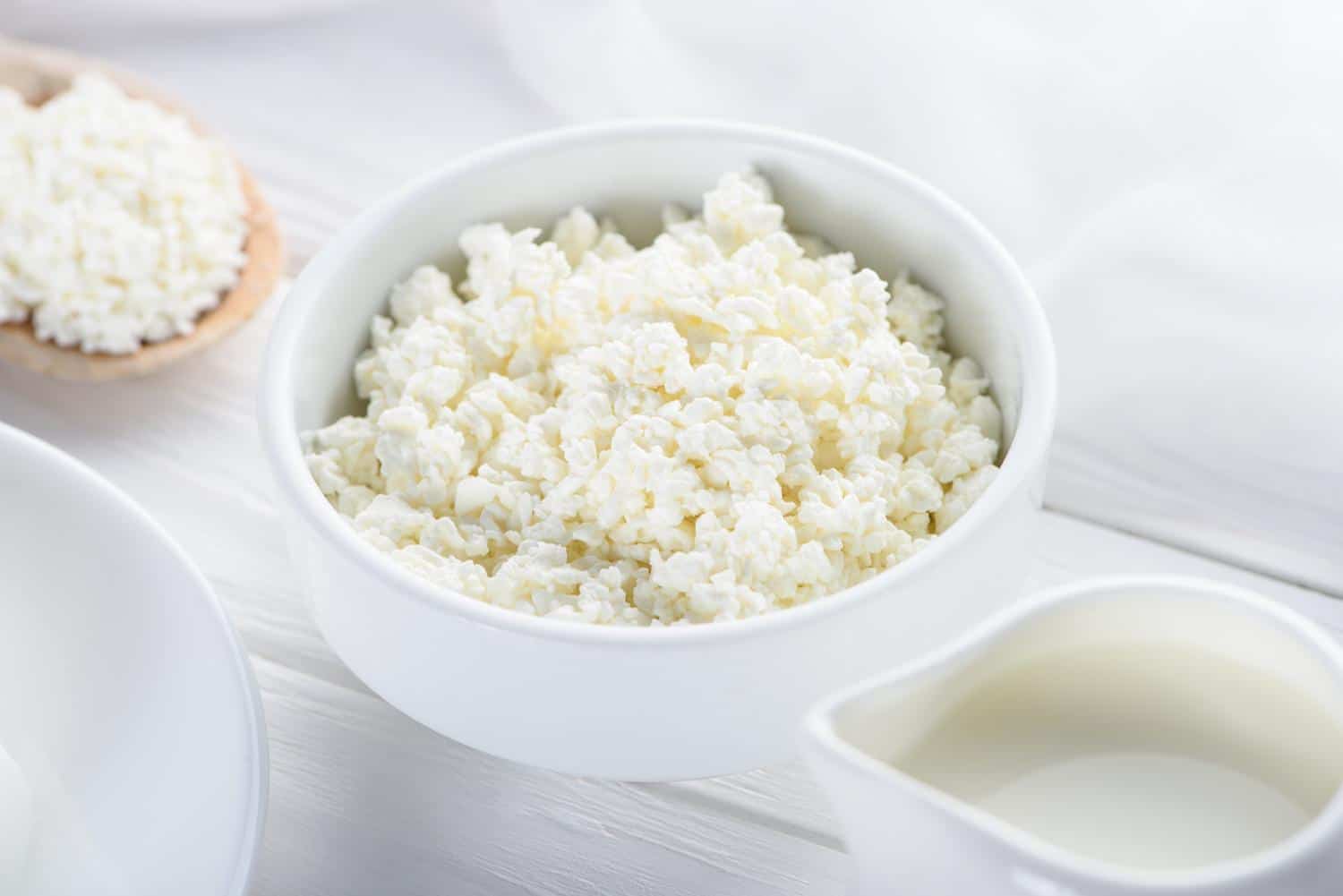
At their core, cheese cultures are groups of specific bacteria—primarily lactic acid bacteria (LAB)—responsible for fermenting lactose into lactic acid. While traditional cheesemaking relied on “wild” cultures present in the environment or the milk itself, the modern tech sector has transformed these organisms into high-performance biological tools.
The Evolution of Starter Cultures: From Discovery to Design
Historically, the dairy industry relied on “back-slopping,” the practice of using a portion of yesterday’s whey to start today’s batch. This was biologically inconsistent and prone to failure. The technological leap occurred when scientists began isolating specific strains, such as Lactococcus lactis and Streptococcus thermophilus. Today, these aren’t just isolated; they are genetically mapped. Using full-genome sequencing, biotech firms can identify the exact genetic markers responsible for acidification rates, flavor production, and even resistance to bacteriophages—the viruses that can destroy a cheese batch.
Precision Fermentation: Building Bacteria from the Ground Up
We are moving beyond merely selecting existing bacteria. Precision fermentation and CRISPR-based gene editing allow biotechnologists to optimize cheese cultures for specific industrial outcomes. For instance, tech companies are now “programming” cultures to produce specific proteolytic enzymes that accelerate the ripening process. In a commercial setting, reducing the aging time of a sharp cheddar from twelve months to nine months represents a massive increase in capital efficiency. This is no longer just food science; it is biological engineering designed for maximum throughput.
AI and Data Analytics: Predicting Flavor and Texture through Algorithms
One of the most significant shifts in the world of cheese cultures is the integration of Artificial Intelligence (AI) and Machine Learning (ML). Creating a new cheese variety used to involve years of trial and error. Today, digital twins and predictive modeling are shortening the R&D cycle from years to weeks.
Predicting Sensory Outcomes via Machine Learning
Flavor development in cheese is a result of complex metabolic pathways. When a culture breaks down proteins and fats, it creates volatile organic compounds (VOCs). Tech-forward dairy companies now use AI to analyze the “volatilome”—the complete set of volatile chemical compounds—produced by different culture combinations. By feeding historical data into ML models, researchers can predict the exact flavor profile of a cheese before a single drop of milk is fermented. This allows for the creation of “designer” cheeses tailored to specific regional preferences or market gaps.
Optimization of Fermentation Cycles through IoT
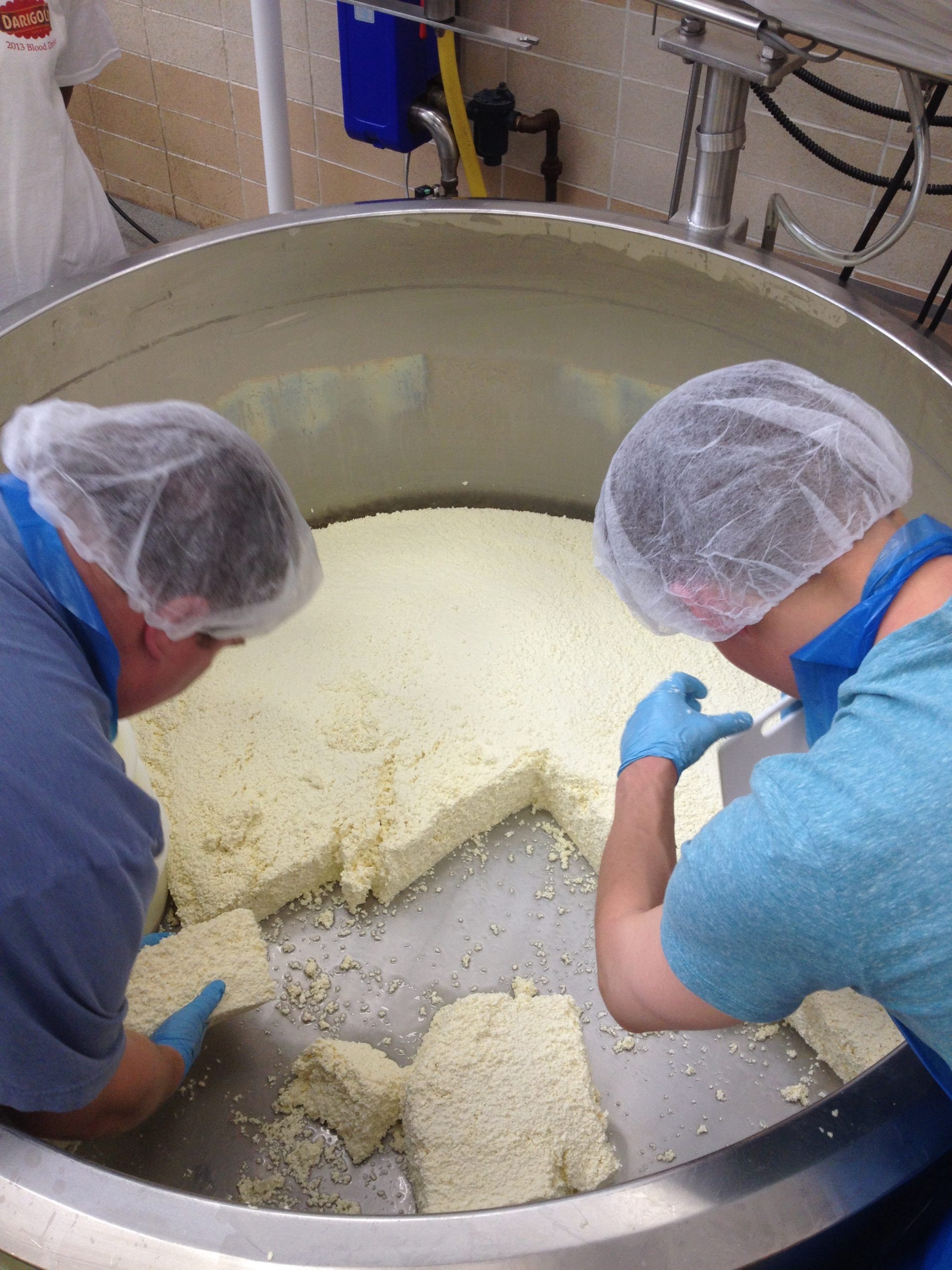
The application of the Internet of Things (IoT) in the fermentation vat has turned the “art” of cheesemaking into a data-driven science. Sensors embedded in industrial vats monitor pH levels, conductivity, and temperature in real-time. This data is fed into a centralized cloud platform where algorithms adjust the environment to suit the specific metabolic needs of the culture. If the bacteria are sluggish, the system can autonomously adjust the heat or nutrient profile. This level of granular control ensures that every batch of cheese culture performs at its theoretical peak, minimizing waste and maximizing consistency.
The Digital Transformation of Traceability and Quality Control
In the tech world, “garbage in, garbage out” is a standard mantra. This applies equally to cheese cultures. If the starter culture is contaminated or loses its potency, the entire production line fails. Consequently, the industry has turned to digital security and tracking technologies to safeguard microbial integrity.
Modeling Microbial Behavior in Real-Time
Using sophisticated software, manufacturers can now create “digital twins” of the fermentation process. A digital twin is a virtual representation that serves as the real-time digital counterpart of a physical object or process. By simulating how a specific culture will react to different milk compositions (which vary by season and cow diet), tech platforms allow producers to “test run” a batch virtually. This predictive maintenance of the biological process reduces the risk of “dead vats,” where the culture fails to take hold, saving companies millions in lost product.
Blockchain and Traceability in Culture Quality
As the global supply chain for cheese cultures becomes more complex, maintaining the “chain of custody” for high-value microbial strains is essential. Blockchain technology is being implemented to track the provenance of proprietary cultures. From the moment a strain is harvested in a lab in Denmark to its application in a creamery in Wisconsin, every step is recorded on an immutable ledger. This ensures that the genetic purity of the culture is maintained and provides a layer of digital security against industrial espionage or the unauthorized use of patented microbial technology.
Future Frontiers: The Rise of Cell-Based and Animal-Free Cultures
Perhaps the most disruptive tech trend involving cheese cultures is the move toward animal-free dairy. As the demand for sustainable food systems grows, technology is finding ways to create the essence of cheese without the cow, relying entirely on the power of the culture.
Non-Animal Rennet and Vegan Cultures
While cultures provide the flavor and acid, rennet (the enzyme used to curdle milk) was traditionally animal-derived. The first great “tech win” in dairy was the development of FPC (Fermentation-Produced Chymosin), a bioengineered rennet. Now, the focus has shifted to the cultures themselves. Startups are using “cellular agriculture” to program yeast and fungi to produce milk proteins like casein and whey. These proteins are then combined with engineered cheese cultures to produce a product that is molecularly identical to dairy cheese but entirely vegan. This “lab-to-table” pipeline is one of the most heavily invested areas in current food-tech.
Scale-Up Challenges and the Tech Stack of Tomorrow
The final hurdle for the cheese culture tech sector is “scalability.” Moving a proprietary culture from a 5-liter lab bioreactor to a 50,000-liter industrial vat is a massive engineering challenge. This requires a robust tech stack involving advanced fluid dynamics software, automated nutrient delivery systems, and sophisticated gas-exchange monitors. As we look toward the 2030s, the “cheesemaker” of the future may spend less time in a white apron and more time managing a dashboard of biological data, overseeing a fleet of bioreactors that produce the world’s protein.
The Biological Software of the Food Industry
When we ask “what are cheese cultures,” the answer depends entirely on the era. In the past, they were a mystery of nature. Today, they are the software of the dairy industry. They are proprietary codes, refined by AI, monitored by IoT, and protected by blockchain.
The technological sophistication of these microbes is a testament to how deeply innovation has penetrated even the most ancient of human traditions. As we continue to refine the genetic and digital frameworks of these bacteria, cheese cultures will remain at the forefront of the biotech revolution, proving that some of the world’s most advanced technology isn’t made of silicon—it’s made of life. Through the lens of tech, cheese is no longer just food; it is a platform for biological innovation, offering a sustainable, efficient, and data-driven future for global nutrition.
aViewFromTheCave is a participant in the Amazon Services LLC Associates Program, an affiliate advertising program designed to provide a means for sites to earn advertising fees by advertising and linking to Amazon.com. Amazon, the Amazon logo, AmazonSupply, and the AmazonSupply logo are trademarks of Amazon.com, Inc. or its affiliates. As an Amazon Associate we earn affiliate commissions from qualifying purchases.