
For centuries, the biological world has served as a masterclass in engineering, offering solutions to complex problems that human inventors are only beginning to solve. When we ask the question, “What are bird beaks made of?” we are not merely inquiring about ornithology. From a technological perspective, we are investigating one of nature’s most sophisticated composite materials. The bird beak is a marvel of structural integrity, lightweight design, and multifunctional utility—qualities that are currently at the forefront of material science, aerospace engineering, and robotics.
By deconstructing the chemical and physical makeup of the beak, tech innovators are discovering new ways to build everything from impact-resistant helmets to ultra-efficient drones. This article explores the high-tech materials inspired by the avian beak and how “nature’s multi-tool” is shaping the next generation of industrial technology.

The Composite Architecture: Keratin, Bone, and the Physics of Strength
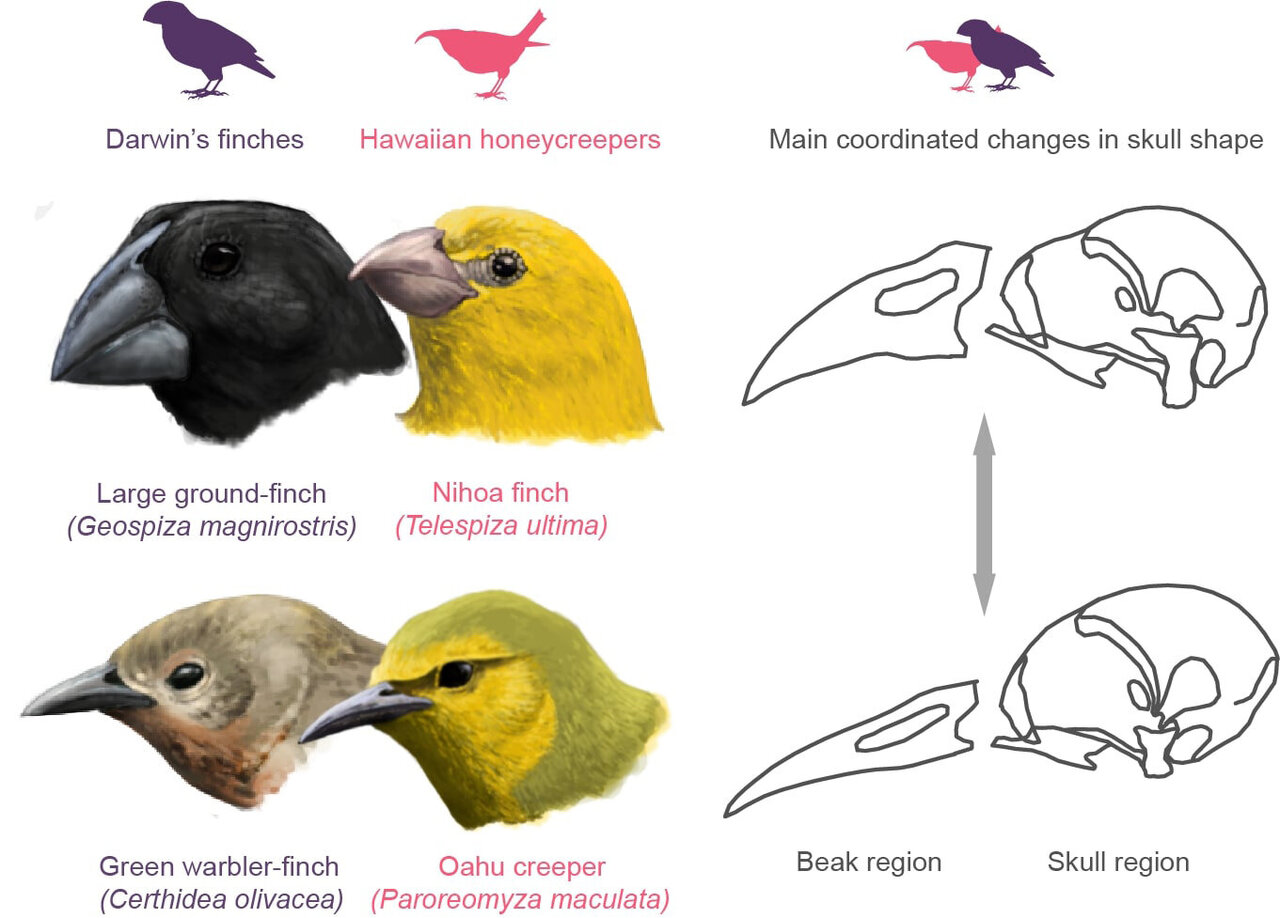
To understand the technological potential of a beak, we must first look at its constituent parts. A bird’s beak is not a solid, uniform block of material. Instead, it is a complex, hierarchical composite structure consisting of an inner core of vascularized bone (the premaxilla and mandible) covered by a thin, tough outer layer called the rhamphotheca.
The Sandwich Structure: Lightweight Durability
The rhamphotheca is primarily composed of keratin—the same fibrous structural protein found in human hair and nails, but organized in a significantly more advanced way. In the beak, keratin is arranged in overlapping “shingles” or scales, bonded together by a specialized protein glue.
In tech circles, this is known as a “sandwich structure.” By placing a dense, hard exterior over a porous, lightweight interior, nature has created a tool that is incredibly strong yet light enough for flight. Modern aerospace engineering uses a similar logic, employing carbon fiber skins over aluminum honeycomb cores to reduce weight without sacrificing the structural safety of the aircraft.
Energy Absorption and Impact Resistance
One of the most impressive feats of the beak’s material composition is its ability to absorb energy. Woodpeckers, for example, strike tree trunks with a deceleration of 1,200g, thousands of times a day, without suffering brain damage or beak fractures. This is due to the “foam-like” bony structure of the inner beak, which acts as a shock absorber.
Materials scientists are now using 3D printing and generative design to replicate this micro-porous architecture. By mimicking the internal latticework of a beak, engineers are developing new types of “metallic foams” and polymers that can protect sensitive electronic components in satellites or improve the safety of automotive crumple zones.
Biomimicry in Action: From Aerospace to High-Speed Rail
The study of beak morphology—the shape and material distribution—has led to significant breakthroughs in how we move through the world. Biomimicry, the practice of looking to nature for technological inspiration, has found a goldmine in the evolutionary adaptations of bird beaks.
The Shinkansen Effect: Aerodynamics and Noise Reduction
Perhaps the most famous example of beak-inspired tech is the Japanese Shinkansen (bullet train). Early models of the train suffered from “tunnel boom,” a loud atmospheric pressure wave created when the train entered a tunnel at high speeds.
The solution came from the Kingfisher. Engineers noticed that the Kingfisher’s beak is shaped like a wedge, allowing it to dive from air into water—a medium 800 times denser—with barely a splash. By redesigning the nose of the Shinkansen to mimic the Kingfisher’s beak, engineers not only eliminated the noise pollution but also increased the train’s energy efficiency by 15% and its speed by 10%. This shift proved that the geometry of the beak is a masterclass in fluid dynamics.
Drone Mechanics and Precision Perching
As the drone industry moves toward autonomous delivery and environmental monitoring, the “beak” has become a focal point for roboticists. Traditional drones require flat landing pads, but birds can land on a variety of surfaces using a combination of their feet and the stabilizing counter-balance of their head and beak.
Tech startups are now developing “perching drones” equipped with beak-like grippers. These grippers use the same mechanical advantage found in raptor beaks, allowing drones to “latch” onto power lines or tree branches to recharge via solar energy or save battery power while monitoring. The material used in these robotic beaks—a hybrid of rigid resins and soft elastomers—replicates the hard-soft transition found in biological beaks, ensuring a secure grip without damaging the drone’s frame.
Robotic Grippers and the Evolution of Tactile Sensitivity
In the world of manufacturing and logistics, the “end-effector” (the tool at the end of a robotic arm) is the most critical component. For years, robots struggled with “the strawberry problem”—the inability to pick up a delicate object without crushing it or dropping it. Once again, the material science of the bird beak provided the answer.
Actuators and Soft Robotics
A bird’s beak is not just a hammer; it is a sensory organ. It contains a high density of mechanoreceptors that allow the bird to feel minute vibrations and textures. This has inspired a branch of technology known as “Soft Robotics.”
By using electro-active polymers (EAPs) that change shape in response to electricity, engineers are creating robotic beaks that possess a sense of touch. These tools are being integrated into automated sorting facilities where they can identify the difference between a plastic bottle and a glass jar based solely on the tactile feedback received through the “beak” material, much like a shorebird detects prey buried deep in the sand.
Cross-Industry Applications: From Manufacturing to Logistics
The versatility of the beak’s design is also being applied to surgical tech. Micro-surgical tools are being redesigned using the leverage ratios found in the beaks of finches. These tools allow surgeons to exert significant force at a microscopic level with incredible precision. The material composition of these tools often includes titanium alloys that mimic the “toughness-to-flexibility” ratio of the keratin-bone interface, allowing the tool to bend slightly without snapping during delicate procedures.
Generative Design: Using AI to Mimic Evolutionary Optimization
One of the most exciting developments in the tech world is the use of Artificial Intelligence to “evolve” new hardware. Generative design software allows engineers to input specific constraints—such as “maximum weight: 2lbs” and “minimum crush strength: 500psi”—and let the AI run millions of simulations to find the optimal shape.
Algorithmic Engineering: Coding the “Beak”
When AI is tasked with creating the most efficient structure for a specific task, it almost always generates something that looks biological. By analyzing the cellular structure of bird beaks, AI developers have created algorithms that optimize “topology.”
For instance, in the construction of modern high-performance bikes or racing yachts, AI-driven design often produces internal support structures that are eerily similar to the porous, honeycombed bone inside a beak. We are moving toward a future where our software doesn’t just help us draw; it helps us grow machines that follow the same material logic as avian anatomy.
Digital Twins and Structural Simulation
Tech companies are now using “Digital Twins”—virtual replicas of physical objects—to test how beak-inspired materials will hold up over time. By simulating the wear and tear on a synthetic keratin coating, manufacturers can predict when a component will fail before it is even built. This level of predictive maintenance is crucial for high-stakes tech like deep-sea exploration vessels and aerospace turbines, where the “beak-like” resilience to high pressure and temperature is a game-changer.
The Future of Synthetic Materials: Towards Bio-Inspired Polymers
As we look toward the future, the goal is no longer just to mimic the shape of the beak, but to synthesize its actual material properties in a lab. The tech industry is heavily investing in “Bio-facturing”—the use of biological processes to create industrial materials.
Sustainable Tech and Biodegradable Components
Standard plastics and alloys are often carbon-intensive to produce. However, keratin—the primary component of the beak—is a natural polymer. Researchers in the green tech sector are working on “synthetic keratin” that can be used in 3D printing.
Imagine a laptop casing or a smartphone housing made of a beak-inspired bio-polymer. It would be incredibly resistant to scratches and drops, yet it would be biodegradable at the end of its life cycle. This “Circular Tech” model aims to replace the “take-make-waste” philosophy with materials that are as sustainable as they are durable.

The Next Frontier: Self-Healing Hardware
Perhaps the most “sci-fi” application of beak technology is the concept of self-healing materials. Some birds have the ability to regrow or repair minor damage to the keratinous sheath of their beaks. In the world of digital security and hardware, researchers are experimenting with “self-healing” circuits and coatings.
By embedding micro-capsules of a healing agent within a beak-inspired composite material, a cracked drone wing or a scratched lens could theoretically “heal” itself when exposed to specific light frequencies or heat. This would drastically extend the lifespan of our gadgets and reduce the growing problem of e-waste.
In conclusion, when we ask what bird beaks are made of, we find the blueprints for the future of technology. The combination of keratin and bone is more than just a biological fact; it is a masterclass in composite engineering, aerodynamic efficiency, and sensory precision. As our tools become more advanced, they are paradoxically becoming more like the natural world, proving that the most cutting-edge tech has been right in front of us—and above us—all along.
aViewFromTheCave is a participant in the Amazon Services LLC Associates Program, an affiliate advertising program designed to provide a means for sites to earn advertising fees by advertising and linking to Amazon.com. Amazon, the Amazon logo, AmazonSupply, and the AmazonSupply logo are trademarks of Amazon.com, Inc. or its affiliates. As an Amazon Associate we earn affiliate commissions from qualifying purchases.