
In the realm of brand strategy, we often focus on digital footprints, social media engagement, and high-level corporate messaging. However, for a brick-and-mortar business, the physical threshold is where the brand promise is either realized or lost. This brings us to a critical, often overlooked element of corporate identity: the awning. To a casual observer, an awning is merely a functional overhang designed to provide shade or shelter from the rain. But to a brand strategist, an awning is a high-impact marketing asset, a secondary logo, and a visual anchor that defines the customer’s psychological transition from the public street into the brand’s private world.
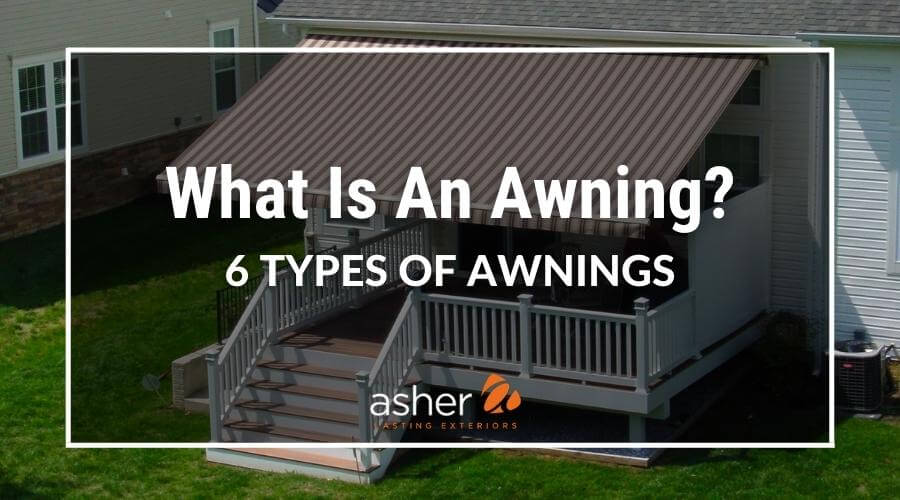
Understanding what awnings are through the lens of branding requires moving beyond construction materials and toward the concept of “Visual Real Estate.” They are the architectural extensions of a brand’s personality. Whether it is the iconic green-and-white stripes of a classic boulangerie or the sleek, black minimalist canopy of a luxury boutique, awnings serve as the first point of physical contact.
The Psychology of the Storefront: How Awnings Define Brand Perception
In branding, first impressions are formed in seconds. The exterior of a business acts as a silent salesperson, and the awning is the most prominent feature of that exterior. It occupies the “eye-level” and “above-eye-level” space, making it impossible to ignore. When we ask “what are awnings” in a branding context, we are essentially asking: how does this structure frame the customer’s expectations?
Creating a Welcoming Threshold
A brand’s physical presence must offer a sense of invitation. An awning provides a “soft” boundary between the harsh, unpredictable outdoor environment and the controlled, curated interior of the store. By extending the brand’s reach over the sidewalk, the awning creates a literal and figurative comfort zone. This psychological “embrace” signals to the consumer that the brand values their comfort. In brand strategy, this is known as the “pre-purchase experience.” If a customer feels protected by your awning during a sudden downpour, their subconscious association with your brand is immediately positive, rooted in utility and care.
The Subconscious Cues of Protection and Quality
The quality of the materials used in an awning speaks volumes about the brand’s attention to detail. A faded, torn, or sagging awning suggests a brand that is struggling or neglectful of its image. Conversely, a crisp, well-maintained structure implies stability, longevity, and high standards. For corporate identity, the awning acts as a quality surrogate. If the exterior is pristine, the consumer assumes the product or service inside follows the same rigorous standards. This is why luxury brands invest heavily in custom-engineered canopies that utilize high-grade textiles and architectural-grade metals.
Establishing Authority in the Urban Landscape
In a crowded city street, a brand must fight for visibility. Awnings provide a three-dimensional opportunity to break the flat plane of the building facade. By projecting outward, the awning captures the attention of pedestrians walking parallel to the storefront long before they are directly in front of the windows. In this way, the awning functions as a permanent, high-visibility billboard that anchors the brand’s authority within its local ecosystem.
Design Synergy: Translating Digital Identity into Fabric and Structure
A successful brand strategy requires consistency across all touchpoints. The challenge for many businesses is translating a digital-first brand—designed for RGB screens—into a physical environment. Awnings are a primary tool for achieving this synergy. They are not merely functional add-ons; they are canvases for the brand’s visual language.
Color Theory and Brand Consistency
Color is perhaps the most powerful tool in the brand strategist’s arsenal. When selecting an awning, the choice of color must align perfectly with the brand’s established palette. However, the physical reality of outdoor lighting—sunlight, shadows, and artificial street lamps—means that a color that works on a website may look different on a canvas. Strategic branding involves choosing “environmental-proof” colors that maintain their integrity. A vibrant red awning for a fast-food chain stimulates appetite and urgency, while a deep navy or forest green for a law firm or financial institution communicates trust and tradition.
Typography and Legibility in Urban Environments
The “valance”—the hanging edge of the awning—is prime real estate for typography. This is where the brand name or a specific value proposition is often displayed. From a design perspective, the font used on an awning must be legible from a distance and at varying angles. Brand managers must consider the “readability” of their corporate typeface when printed on fabric. Often, this requires a simplified version of the logo to ensure that the brand identity is clear to a driver passing at 30 miles per hour or a pedestrian looking up from their phone.

Materiality and Brand Values
The texture of the awning reflects the brand’s core values. A brand that prides itself on sustainability and organic products might choose a heavy, natural-looking canvas or recycled composite material. A high-tech startup or a modern fitness center might opt for sleek, metallic, or glass-integrated awnings that reflect innovation and modernity. The “touch and feel” of the brand are communicated through the choice of material, even if the customer never actually touches the awning. The visual texture contributes to the overall narrative of the corporate identity.
Economic Strategy: The Marketing ROI of Commercial Awnings
From a business finance and marketing perspective, awnings are one of the most cost-effective investments a brand can make. Unlike digital ads that require ongoing spend or billboards that require monthly rent, a branded awning is a one-time capital expenditure that provides 24/7 exposure for years.
Cost-Effective Outdoor Advertising
When you calculate the “cost per impression” (CPI) for a branded awning over a five-year lifespan, the numbers are staggeringly low. In a high-traffic urban area, an awning may be seen by tens of thousands of people every day. Unlike a television commercial that can be skipped or a social media post that is scrolled past, a physical awning is a persistent part of the landscape. It builds brand familiarity through constant, passive exposure, a concept known in marketing as the “mere-exposure effect.”
Enhancing Property Value and Brand Equity
For a corporation that owns its real estate, a custom awning is a property improvement that increases the asset’s valuation. However, the real value lies in “Brand Equity.” A well-branded storefront becomes a landmark. “Meet me under the blue awning” is a phrase that indicates a brand has successfully integrated itself into the local culture. This level of brand recognition is priceless and contributes to the long-term equity of the company.
Energy Efficiency as a Corporate Responsibility
In the modern era, a brand’s commitment to sustainability is part of its identity. Awnings are functional tools for reducing energy consumption. By blocking solar heat gain, they reduce the need for air conditioning, lowering the building’s carbon footprint. For brands that highlight their “Green” initiatives, the awning is a visible, tangible example of their commitment to environmental responsibility. It’s not just a sign; it’s a functional tool for a better planet.
Case Studies in Iconic Branding: When the Awning Becomes the Brand
To fully understand what awnings are in the context of brand strategy, we should look at examples where the awning has become inseparable from the corporate identity itself. These case studies demonstrate how a physical structure can transcend its utility to become a cultural icon.
The Classic European Café Aesthetic
Think of the famous cafés in Paris, such as Les Deux Magots or Café de Flore. Their awnings are not just covers; they are the brand. The specific shade of green, the traditional serif typography, and the brass hardware evoke a sense of history, intellectualism, and luxury. These brands have maintained the same awning design for decades, using it as a symbol of continuity in a changing world. For these businesses, the awning is the most important element of their brand strategy, signaling a “timeless” identity to tourists and locals alike.
Modern Minimalist Retail Chains
Consider brands like Apple or Aesop. Their approach to storefronts often involves extreme minimalism. When they use awnings or canopies, they are often sleek, cantilevered structures that seem to defy gravity. This architectural branding communicates innovation, precision, and “cutting-edge” technology. The awning isn’t used to shout the brand name; it’s used to define the brand’s aesthetic philosophy. The absence of traditional signage, replaced by a perfectly engineered architectural overhang, tells the customer exactly what to expect from the products inside.
The Power of Narrative in Boutique Branding
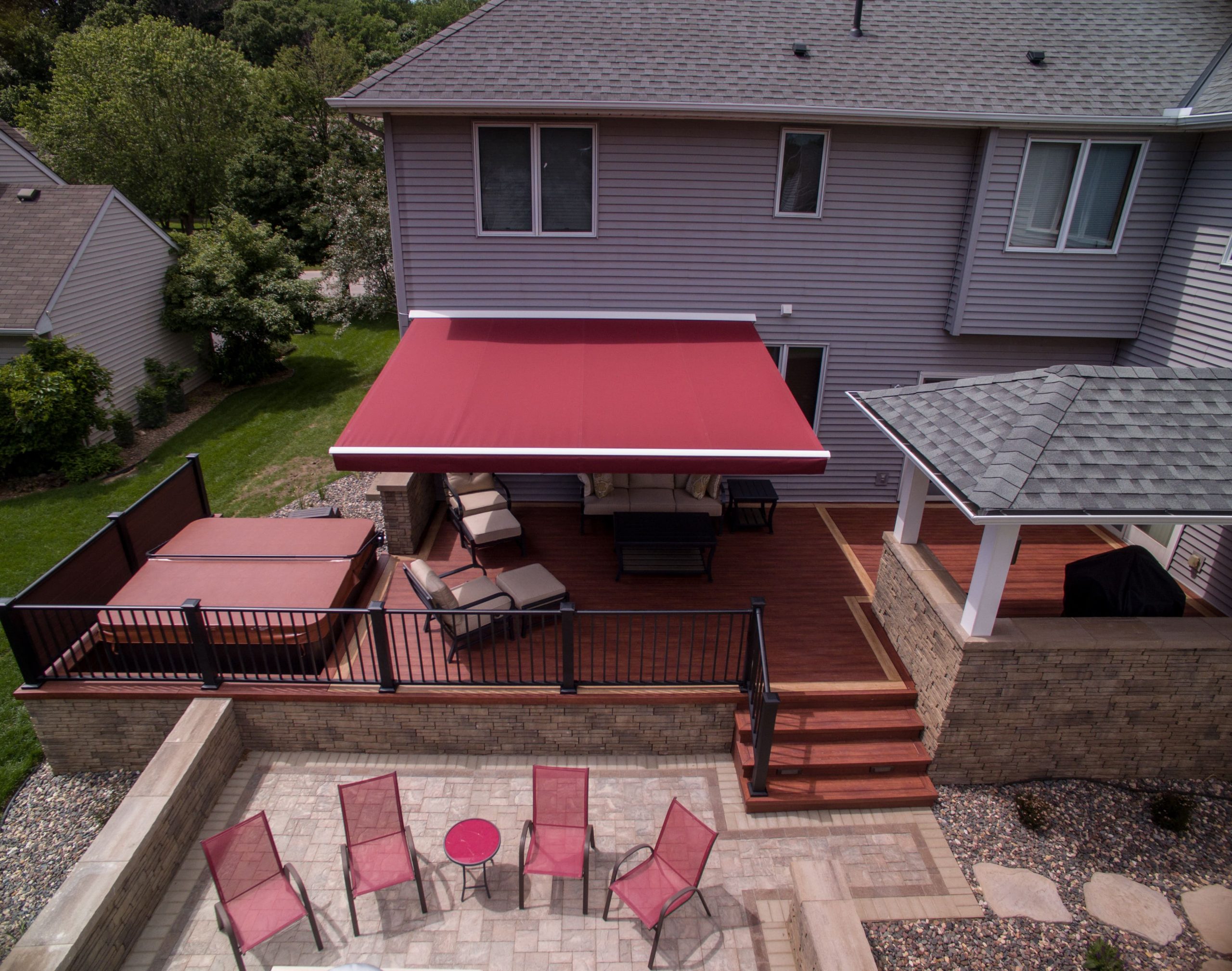
Smaller, independent brands often use awnings to tell a story. A boutique hotel might use a scalloped, colorful awning to evoke a sense of whimsy and personalized service. A high-end tailor might use a structured, black fabric awning to communicate formality and bespoke quality. In these instances, the awning acts as a “prologue” to the customer’s experience, setting the stage for the brand narrative before the customer even walks through the door.
In conclusion, when we ask “what are awnings,” we must see them as the intersection of architecture and brand strategy. They are much more than protective covers; they are powerful tools for communication, psychological engagement, and long-term brand building. By thoughtfully integrating an awning into a corporate identity, a brand can claim its space in the physical world, creating a lasting impression that digital tools simply cannot replicate.
aViewFromTheCave is a participant in the Amazon Services LLC Associates Program, an affiliate advertising program designed to provide a means for sites to earn advertising fees by advertising and linking to Amazon.com. Amazon, the Amazon logo, AmazonSupply, and the AmazonSupply logo are trademarks of Amazon.com, Inc. or its affiliates. As an Amazon Associate we earn affiliate commissions from qualifying purchases.