
In an era defined by hyper-connectivity, the average professional spends upward of eight to ten hours a day staring at high-resolution screens. Whether you are a developer coding the next breakthrough AI tool, a brand strategist analyzing market trends, or a day trader monitoring volatile financial charts, your eyes are your most valuable asset. However, a common and frustrating physiological response to this digital immersion is “epiphora,” or chronically watery eyes.
While it seems counterintuitive—that dry, tired eyes would respond by leaking excess fluid—this is a classic symptom of digital eye strain and environmental stressors common in modern workspaces. Understanding what helps with watery eyes requires a multi-dimensional approach that integrates advanced technology, professional branding considerations, and smart financial planning.
The Tech-Driven Root of the Problem: Understanding Digital Eye Strain
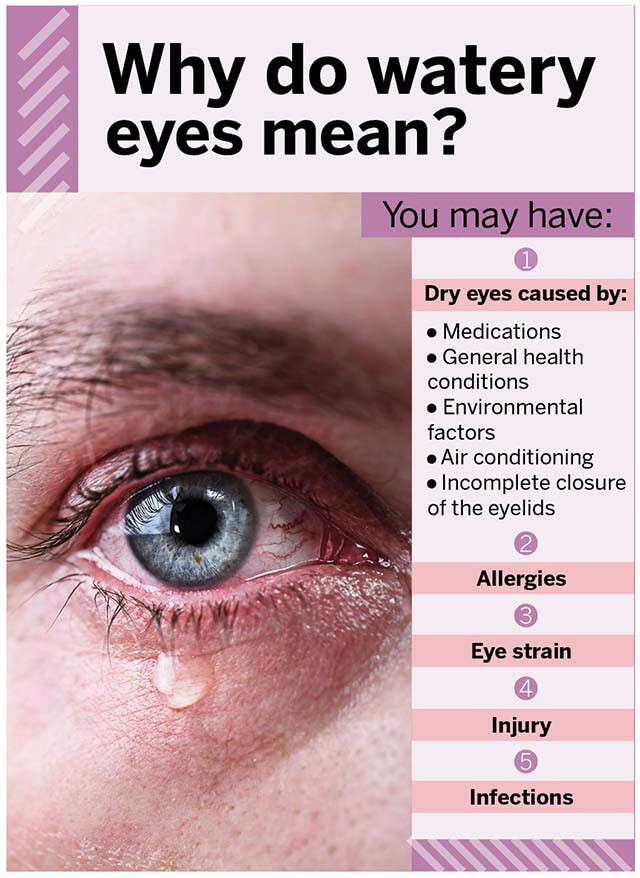
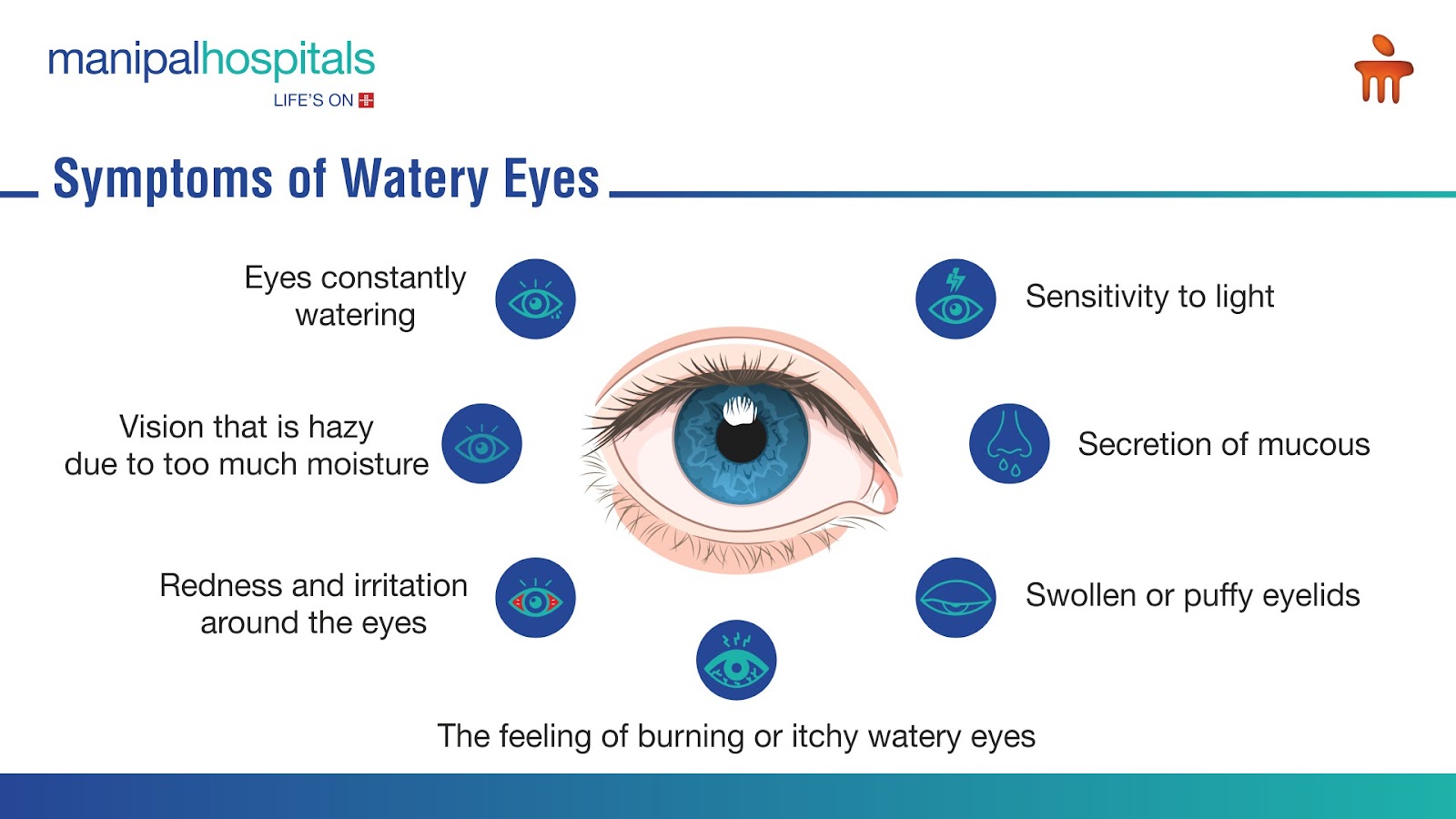
Before diving into the remedies, it is essential to understand why the modern tech environment causes our eyes to water. When we focus intensely on digital interfaces, our blink rate drops by nearly 60-70%. Blinking is the body’s natural mechanism for spreading a “tear film” across the ocular surface. When we don’t blink, the eyes become dry and irritated. In response, the lacrimal glands overcompensate by producing a flood of low-quality tears, leading to that annoying watery sensation.
Why Screen Time Causes Epiphora
The blue light emitted by LED screens, combined with high-contrast text and “flicker” (the invisible refresh rate of monitors), forces the ciliary muscles in the eye to work overtime. This fatigue creates a state of chronic inflammation. For tech professionals, this isn’t just a physical annoyance; it’s a barrier to deep work. Chronic watery eyes lead to blurred vision, which slows down coding speed, data entry, and creative design.
The 20-20-20 Rule and AI-Assisted Breaks
One of the most effective ways to mitigate watery eyes is a lifestyle hack that costs nothing: the 20-20-20 rule. Every 20 minutes, look at something 20 feet away for at least 20 seconds. To ensure consistency, many productivity-focused individuals are now turning to AI-driven “break reminders.” Modern apps like Stretchly or Time Out use smart algorithms to detect your keyboard activity and prompt you to rest your eyes exactly when your blink rate is likely at its lowest. These software tools serve as a digital “reset button” for your tear film.
Technological Solutions and Ergonomic Tools
If lifestyle changes aren’t enough, the next step in finding what helps with watery eyes involves upgrading your hardware. The technology we use to consume information has evolved, and choosing the right gear can significantly reduce ocular irritation.
Hardware Upgrades: Monitors, Blue Light Filters, and E-Ink
For those in the tech and finance sectors who cannot reduce their screen time, the quality of the display is paramount. High-end monitors now feature “TÜV Rheinland” certification for low blue light and flicker-free technology.
- OLED vs. LCD: While OLED offers better contrast, some users find the “Pulse Width Modulation” (PWM) dimming in certain OLED screens causes more eye strain. Researching a monitor’s dimming technology is a “pro” move for anyone suffering from watery eyes.
- E-Ink Displays: For writers, researchers, and brand strategists who spend hours reading text, secondary E-Ink monitors (like those from Boox or Dasung) are game-changers. Because they reflect ambient light rather than emitting it, they don’t disrupt the tear film, effectively curing watery eyes caused by traditional backlight glare.
Software and Apps to Protect Your Vision
Beyond hardware, software calibration plays a massive role. Tools like f.lux or the built-in “Night Light” settings on Windows and macOS adjust the color temperature of your screen based on the time of day. By shifting the spectrum toward warmer oranges and reds in the evening, you reduce the “phototoxicity” that triggers the tearing reflex. Furthermore, using “Dark Mode” in IDEs (Integrated Development Environments) or financial dashboards can reduce overall brightness, though it is important to balance this with ambient room lighting to avoid “dilation strain.”
The Business of Vision: Brand Strategy and Workplace Wellness
In the world of branding and corporate identity, appearance and presence are everything. Watery, red, or irritated eyes can inadvertently project an image of fatigue, lack of preparation, or even poor health—none of which align with a strong personal brand or a high-performance corporate culture.
Personal Branding and the “Professional Look”
If you are a consultant or a public-facing executive, your “visual brand” is part of your value proposition. Watery eyes often lead to constant rubbing, which causes puffiness and redness. To maintain a sharp, focused appearance during high-stakes Zoom calls or investor pitches, addressing the root cause of eye irritation is essential. Beyond medical drops, using “cool compress” masks during breaks can constrict blood vessels and stabilize the tear film, ensuring you look as alert as your insights suggest.
Corporate Identity: Prioritizing Employee Vision Health
From a corporate strategy perspective, forward-thinking brands are incorporating vision health into their “Employee Value Proposition” (EVP). When a company provides high-quality ergonomic workstations and high-refresh-rate monitors, they aren’t just buying equipment; they are protecting their human capital. Companies that ignore the physical toll of digital work often see a dip in “brand reputation” among employees, leading to higher turnover. On the other hand, a brand that promotes “Eye Wellness” sessions as part of their corporate identity fosters a culture of care and high performance.
The Financial Impact: Why Healthy Eyes are a Sound Investment
Looking at eye health through the lens of money and personal finance reveals that “what helps with watery eyes” is actually a question of Return on Investment (ROI). Ignoring eye strain is a recipe for long-term financial loss, both in terms of medical expenses and lost productivity.
The Productivity Cost of Poor Eye Health
For freelancers and side-hustlers, time is literally money. If watery eyes force you to step away from your computer for an hour every afternoon, or if they slow your reading speed by 10%, that accumulates into a significant loss of billable hours over a year. A software developer earning $100/hour who loses just 30 minutes a day to eye-related fatigue is effectively “losing” $12,000 in annual productivity. In this context, spending $1,000 on an eye-safe monitor or $200 on high-quality blue-light-blocking prescription lenses isn’t an expense—it’s a high-yield investment.
Investing in Prevention: Ergonomics vs. Medical Costs
The personal finance aspect also extends to healthcare costs. Chronic untreated dry/watery eyes can lead to corneal abrasions or more severe ophthalmological conditions that require expensive surgeries or long-term pharmaceutical interventions.
- The “Side Hustle” Angle: Many people work a 9-to-5 and then come home to work on a digital side hustle. This “double-shift” for the eyes is where the most damage occurs. Investing in a proper home office setup—including ergonomic lighting that eliminates screen glare—can prevent the “burnout” that often kills a fledgling business before it becomes profitable.
- Financial Tools for Wellness: Many Health Savings Accounts (HSAs) or Flexible Spending Accounts (FSAs) allow you to use pre-tax dollars for ergonomic equipment and specialized eyewear. Utilizing these financial tools to address watery eyes is a savvy way to manage your personal finances while prioritizing your health.

Conclusion: A Holistic Approach to Ocular Health
What helps with watery eyes? The answer isn’t a single “miracle” eye drop, but rather a strategic alignment of tech, branding, and financial awareness. By optimizing your digital environment with the latest software and hardware, you protect your eyes from the stressors of the modern workspace. By recognizing the impact of eye health on your personal and corporate brand, you maintain a professional edge. And by viewing eye care as a financial investment in your own productivity, you ensure long-term career sustainability.
In the fast-paced worlds of technology and finance, your vision is the window through which you see opportunities. Keeping that window clear, comfortable, and healthy is the ultimate productivity hack for the 21st-century professional. Take the break, upgrade the screen, and invest in your eyes—they are the only pair you have to navigate the digital frontier.
aViewFromTheCave is a participant in the Amazon Services LLC Associates Program, an affiliate advertising program designed to provide a means for sites to earn advertising fees by advertising and linking to Amazon.com. Amazon, the Amazon logo, AmazonSupply, and the AmazonSupply logo are trademarks of Amazon.com, Inc. or its affiliates. As an Amazon Associate we earn affiliate commissions from qualifying purchases.