
The stock market is often depicted in popular culture as a frantic floor filled with shouting traders or a complex digital matrix of flashing green and red numbers. However, beneath the surface of this perceived chaos lies the most sophisticated wealth-creation engine ever devised by human civilization. For the individual investor, the stock market is not merely a place to “bet” on prices; it is a gateway to participating in the growth of the world’s most successful enterprises.
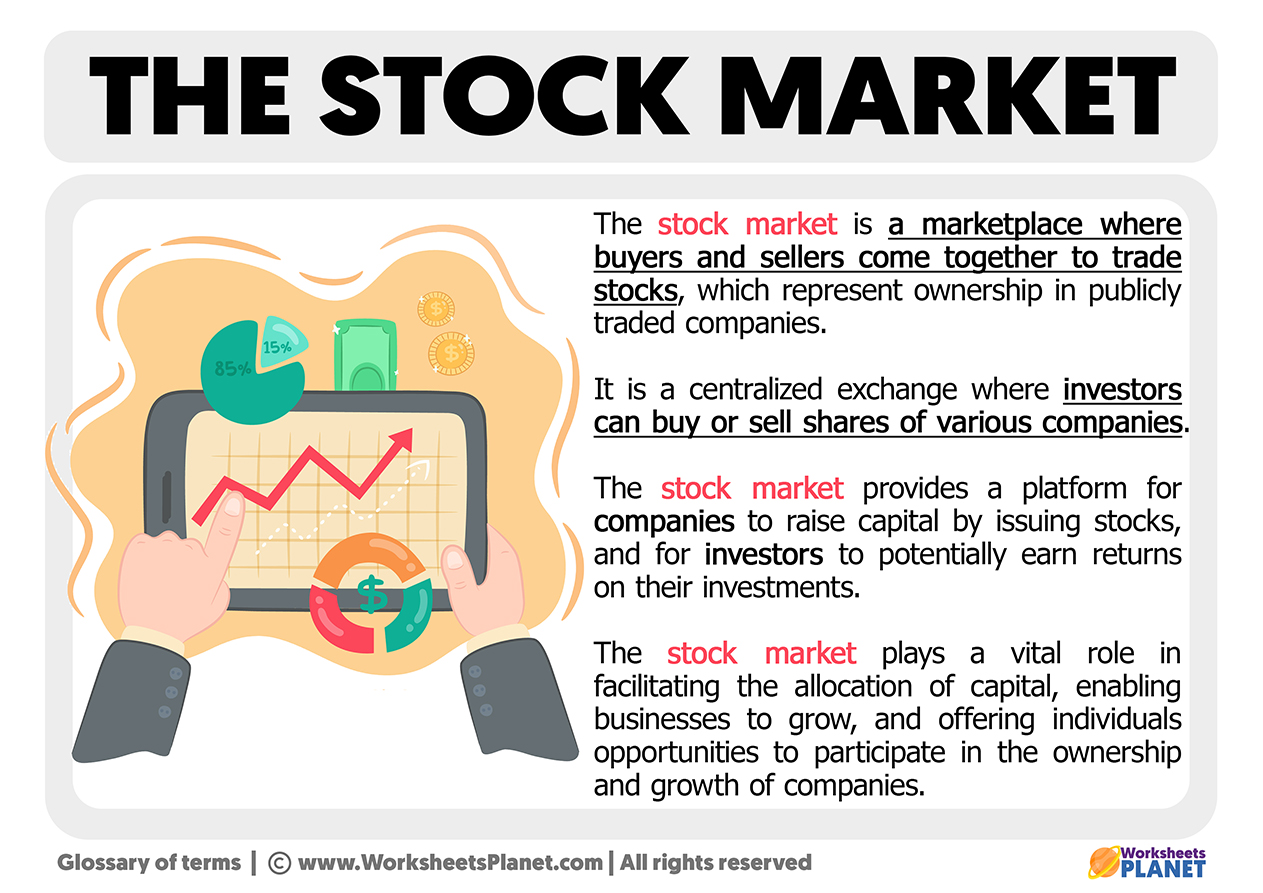
In its simplest form, the stock market is a collection of exchanges where shares of publicly held companies are issued, bought, and sold. It functions as a vital component of a free-market economy, allowing companies to access capital in exchange for giving investors a piece of their future success. To master personal finance and build long-term security, one must look past the daily volatility and understand the fundamental mechanics, purposes, and strategies that govern this financial ecosystem.
The Architecture of Equity: How the Market Operates
To understand the stock market, one must first understand what a “stock” actually represents. When you buy a share, you are purchasing a fractional piece of ownership in a corporation. This “equity” entitles you to a portion of the company’s assets and earnings. If a company has one million shares outstanding and you own ten thousand, you own 1% of the entity.
The Role of Stock Exchanges
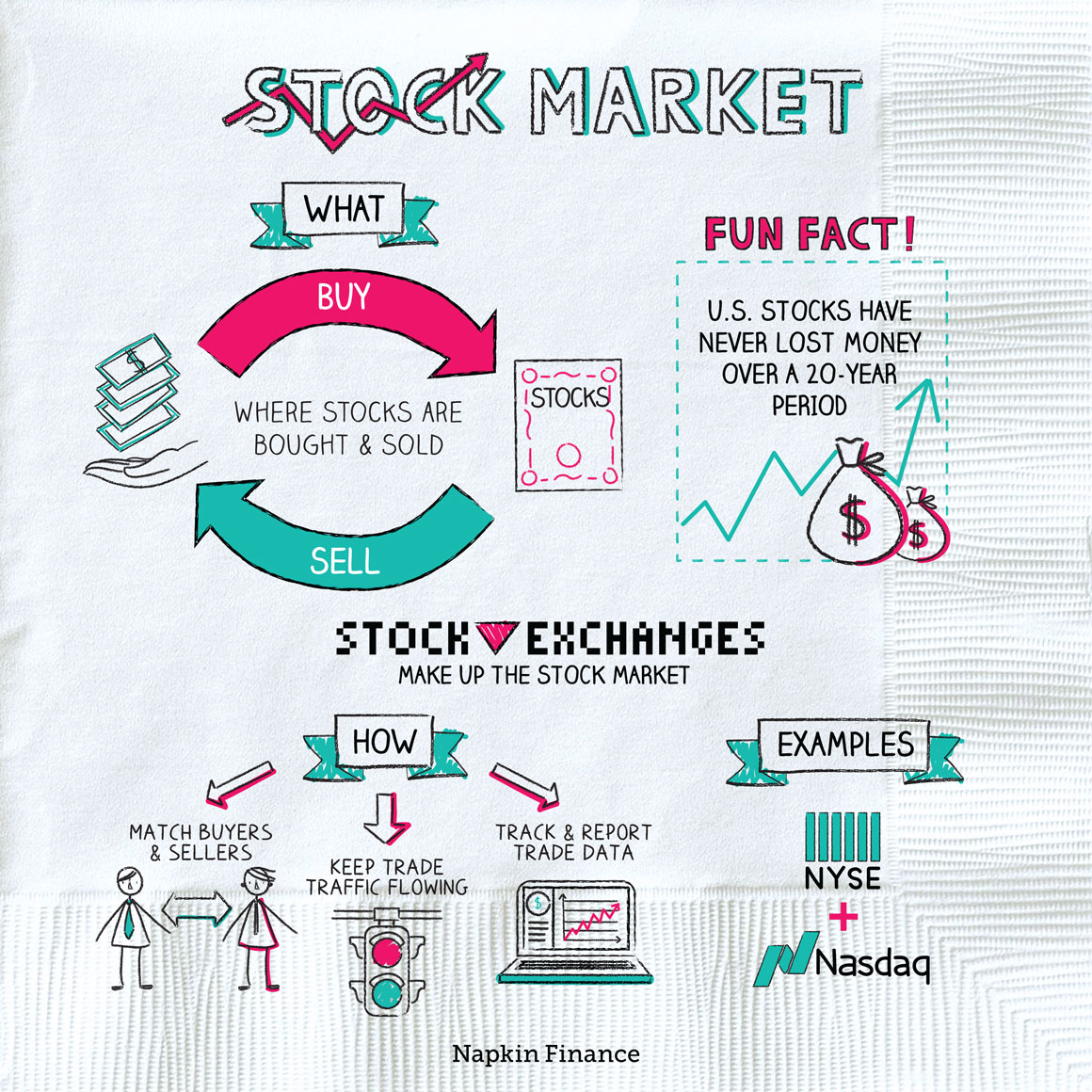
Stock exchanges are the marketplaces where these transactions occur. Historically, these were physical locations like the New York Stock Exchange (NYSE) on Wall Street. Today, the vast majority of trading happens electronically via platforms like the Nasdaq. These exchanges act as regulated environments that ensure “price discovery”—the process by which the market determines the fair value of a security based on supply and demand. They provide liquidity, meaning they allow investors to quickly convert their shares back into cash at a transparent price.
Primary vs. Secondary Markets
The stock market is divided into two distinct levels. The Primary Market is where securities are created. This is where the Initial Public Offering (IPO) occurs. When a private company decides to “go public,” it sells shares to institutional investors to raise capital. The money from these sales goes directly to the company to fund expansion, research, or debt repayment.
The Secondary Market is what most people refer to when they talk about “the stock market.” This is where investors trade shares among themselves. If you buy shares of Microsoft today, you are not buying them from Microsoft; you are buying them from another investor who wants to sell. In this market, the company no longer receives capital from the trades; instead, the value of the shares fluctuates based on investor sentiment and the company’s performance.
The Auction Process and Bid-Ask Spreads
Trading is governed by an auction process. For every buyer, there must be a seller. The “Bid” is the highest price a buyer is willing to pay, while the “Ask” is the lowest price a seller is willing to accept. The difference between the two is known as the “spread.” In highly liquid stocks like Apple or Amazon, the spread is usually just pennies, ensuring that investors can enter and exit positions with minimal friction.
The Value Proposition: Why Participants Enter the Market
The stock market exists because it serves a dual purpose: it provides a mechanism for companies to grow and a vehicle for individuals to build wealth. This symbiotic relationship is the foundation of modern capitalism.
Raising Capital for Corporate Expansion
For a business, the stock market is a tool for scale. A private company might reach a point where its internal cash flow is insufficient to build a new factory or acquire a competitor. By issuing stock, the company can raise billions of dollars without the obligation of paying back a loan with interest (as they would with a bank). In exchange, they share their future profits with the shareholders.
Capital Appreciation and Dividends
From the investor’s perspective, there are two primary ways to make money in the stock market. The first is Capital Appreciation, which occurs when you sell a stock for more than you paid for it. This is driven by the company’s growth, increased profitability, or a shift in market perception.
The second is Dividends. Some established companies distribute a portion of their earnings directly to shareholders on a regular basis (usually quarterly). Dividends provide a steady stream of passive income and are often favored by conservative investors or those nearing retirement. When dividends are reinvested to buy more shares, they trigger the “snowball effect” of compound interest, which is the cornerstone of long-term wealth building.
Risk Mitigation and Ownership Rights
Stocks also offer limited liability. Unlike a sole proprietorship where the owner is personally responsible for the business’s debts, a stock investor can never lose more than their initial investment. Furthermore, as a shareholder, you often have voting rights on corporate policies and the election of the board of directors, giving you a voice (however small) in the governance of the corporation.
Navigating the Landscape: Indices, Trends, and Economic Indicators
To gauge how “the market” is doing, investors look at indices. These are benchmarks that track the performance of a specific group of stocks, providing a snapshot of the overall economy’s health.
Understanding Market Indices
The S&P 500 is perhaps the most famous index, tracking the 500 largest publicly traded companies in the United States. It is often considered the most accurate representation of the US economy. The Dow Jones Industrial Average (DJIA) tracks 30 prominent companies, while the Nasdaq Composite is heavily weighted toward technology and growth firms. By following these indices, investors can distinguish between a broad market rally and a localized sector downturn.
Bull vs. Bear Markets
Market cycles are generally categorized into two phases. A Bull Market is characterized by rising prices, investor optimism, and economic growth. In a bull market, demand for stocks is high, and the “trend is your friend.” Conversely, a Bear Market occurs when prices drop by 20% or more from recent highs. Bear markets are often fueled by fear, economic recession, or high unemployment. Understanding these cycles is crucial for maintaining the emotional discipline required to stay invested during downturns.
Market Capitalization and Sectors
Investors categorize companies by their “Market Cap”—the total dollar value of all outstanding shares. “Large-cap” companies are generally stable, “Mid-cap” offer a balance of growth and stability, and “Small-cap” represent higher risk but higher potential reward. Additionally, the market is divided into sectors such as Healthcare, Energy, Technology, and Consumer Staples. Savvy investors diversify across these sectors to ensure that a downturn in one industry doesn’t devastate their entire portfolio.
Strategic Implementation: Building a Resilient Portfolio
Entering the stock market requires more than just capital; it requires a strategy. Without a plan, the market can feel like a casino. With a plan, it becomes a disciplined financial tool.
Fundamental vs. Technical Analysis
There are two primary schools of thought when evaluating stocks. Fundamental Analysis involves looking at a company’s financial statements, management quality, and competitive advantages. Analysts look at metrics like the Price-to-Earnings (P/E) ratio and debt levels to determine if a stock is undervalued or overvalued.
Technical Analysis, on the other hand, ignores the inner workings of the company and focuses on price charts and volume patterns. Technical traders believe that all known information is already “baked into the price” and that historical price movements can predict future trends. While professionals often use a mix of both, long-term investors typically lean heavily on fundamental analysis.
The Power of Passive Investing and ETFs
For many, picking individual stocks is too time-consuming or risky. This has led to the rise of Exchange-Traded Funds (ETFs) and Index Funds. These financial instruments allow you to buy a “basket” of hundreds of stocks in a single transaction. By owning an S&P 500 ETF, you are betting on the American economy as a whole rather than the success of a single CEO. This diversification significantly reduces the risk of total capital loss.
The Psychology of Investing
The greatest obstacle to success in the stock market is often the investor’s own psychology. The market is driven by two primary emotions: fear and greed. Greed leads people to buy at the top when prices are inflated, and fear leads them to sell at the bottom during a panic. Successful investing requires a long-term horizon (usually 5–10 years minimum) and the ability to ignore the “noise” of daily news cycles.

Conclusion: The Path to Financial Sovereignty
The stock market is a reflection of human progress. As long as companies continue to innovate, find more efficient ways to produce goods, and solve global problems, the market will likely continue its long-term upward trajectory. It is not a “get-rich-quick” scheme, but rather a sophisticated system for rewarding patience, research, and discipline.
By understanding how exchanges work, why companies issue equity, and how to use indices and diversification to manage risk, you transform from a passive observer into an active participant in the global economy. Whether you are seeking a secondary income stream through dividends or building a retirement nest egg through capital appreciation, the stock market remains the most accessible and proven path to achieving financial independence. The key is not to “time” the market, but to spend “time in” the market, allowing the power of compounding to work its magic over the decades.
aViewFromTheCave is a participant in the Amazon Services LLC Associates Program, an affiliate advertising program designed to provide a means for sites to earn advertising fees by advertising and linking to Amazon.com. Amazon, the Amazon logo, AmazonSupply, and the AmazonSupply logo are trademarks of Amazon.com, Inc. or its affiliates. As an Amazon Associate we earn affiliate commissions from qualifying purchases.