
In the rapidly evolving landscape of the Internet of Things (IoT) and wearable technology, the boundary between human healthcare and veterinary medicine is blurring. One of the most critical metrics in feline health—the heart rate—has transitioned from a measurement taken once or twice a year during a stressful vet visit to a continuous stream of actionable data. Understanding what constitutes a “normal” heart rate for a cat is no longer just a biological question; it is a technological challenge involving high-precision sensors, edge computing, and complex algorithms. As we delve into the world of PetTech, we see how digital innovation is providing cat owners and veterinarians with a more nuanced, data-driven definition of feline cardiovascular health.

The Evolution of Feline Health Monitoring Technology
For decades, determining a cat’s heart rate was a snapshot process. A veterinarian would use a stethoscope in a clinical setting, often resulting in “white coat syndrome,” where the cat’s stress levels would artificially inflate the heart rate. This made establishing a true baseline difficult. Today, technology has moved the laboratory into the living room.
From Stethoscopes to Smart Sensors
The transition from analog to digital monitoring began with the miniaturization of Photoplethysmography (PPG) sensors—the same technology found in human smartwatches. However, cats present a unique engineering hurdle: fur. Unlike human skin, feline fur scatters light, making traditional optical sensors unreliable. Tech innovators have countered this by developing high-sensitivity infrared sensors and conductive fabric electrodes that can penetrate the coat to detect the pulse without requiring the cat to be shaved. These sensors capture the mechanical vibrations of the heart, converting them into digital signals that are processed in real-time.
The Role of AI in Interpreting Feline Vitals
Raw data is useless without context. Artificial Intelligence (AI) and Machine Learning (ML) models are now being trained on vast datasets of feline cardiac rhythms. These AI tools do more than just count beats per minute (BPM); they analyze Heart Rate Variability (HRV), which is a key indicator of stress and autonomic nervous system health. By employing deep learning algorithms, PetTech platforms can differentiate between a high heart rate caused by a predatory play session and a high heart rate caused by underlying hypertrophic cardiomyopathy (HCM). This shift from descriptive to diagnostic AI is a hallmark of modern veterinary technology.
Wearable Tech: Precision Tracking Beyond the Vet Clinic
The consumer market for pet wearables is projected to grow exponentially, driven by the demand for continuous health monitoring. For cats, whose symptoms of heart disease are often “masked” until they are critical, wearable tech provides a vital early warning system.
Smart Collars and Biometric Harnesses
The current generation of smart collars, such as those utilizing micro-electromechanical systems (MEMS), allows for 24/7 tracking of vital signs. These devices use accelerometers coupled with cardiac sensors to correlate movement with heart rate. If a cat is resting and its heart rate remains elevated above its established digital baseline (typically 120-220 BPM), the device can trigger an automated alert to the owner’s smartphone. This integration of hardware and software ensures that “normal” is defined by the individual cat’s historical data rather than a generic species average.
Overcoming the Fur Barrier: Sensor Innovation
Engineers are currently experimenting with ultra-low-power radar technology to monitor heart rates without any physical contact. Using Frequency-Modulated Continuous-Wave (FMCW) radar, these devices can detect the microscopic movements of a cat’s chest wall. This is a significant technological leap, as it removes the discomfort of a wearable device entirely. By focusing on the “Tech” behind the “Check,” developers are ensuring that the monitoring process itself does not influence the heart rate, providing the most accurate “resting” heart rate data ever recorded in the species.
Data Analytics and the Search for the “Digital Twin” Cat
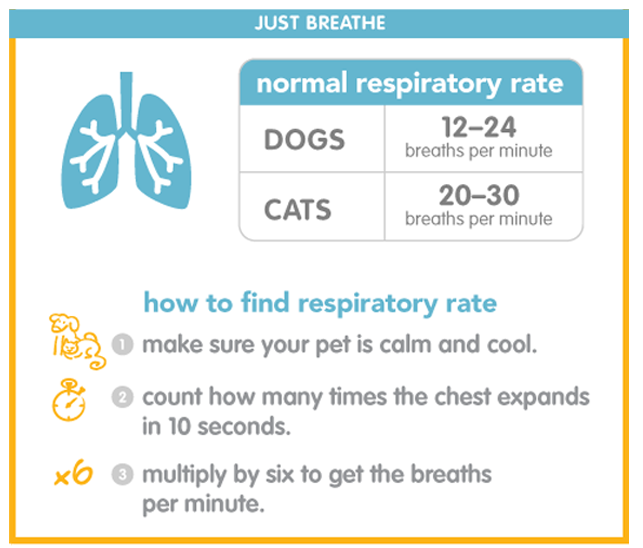
In the world of high-tech health, the concept of a “Digital Twin”—a virtual model of a physical asset—is being applied to feline biology. By continuously feeding heart rate data into a cloud-based model, tech companies are creating a digital representation of a cat’s cardiovascular system.
Predictive Modeling for Feline Cardiology
Predictive analytics is perhaps the most transformative aspect of PetTech. By analyzing trends over months, software can identify subtle shifts in heart rate patterns that may precede physical symptoms by weeks. For example, a gradual decrease in HRV combined with a slight uptick in resting BPM can be a digital “red flag” for congestive heart failure. These predictive models use regression analysis and anomaly detection to flag deviations that would be invisible to the human eye, allowing for proactive rather than reactive medical intervention.
Cloud-Based Health Records and Real-Time Alerts
The ecosystem of feline health tech relies heavily on cloud infrastructure. Data collected by a collar is synced via Bluetooth or Wi-Fi to a centralized server, where it is aggregated and compared against a global database of feline health metrics. This “Big Data” approach allows researchers to refine what “normal” looks like across different breeds, ages, and environments. Furthermore, APIs (Application Programming Interfaces) allow this data to be shared instantly with veterinary clinics, creating a seamless flow of information from the cat’s collar to the vet’s dashboard.
The Integration of IoT in Smart Home Environments for Pets
The “Smart Home” is no longer just for humans; it is becoming a diagnostic environment for pets. The integration of heart rate monitoring into everyday objects is the next frontier in non-invasive PetTech.
Non-Invasive Monitoring: Smart Beds and Litter Boxes
Innovative tech startups are embedding piezoelectric sensors into cat beds. These sensors are sensitive enough to pick up the ballistocardiogram (BCG)—the impulse of the blood being pumped through the body—while the cat sleeps. Similarly, smart litter boxes are being equipped with weight sensors and heart rate monitors to track vitals during the cat’s most private moments. These IoT devices collect data in a completely stress-free environment, providing the “gold standard” for resting heart rate measurements.
Telehealth: Bridging the Gap Between Data and Diagnosis
The rise of pet telehealth platforms has been accelerated by the availability of this digital data. When a cat owner notices a discrepancy in the heart rate data provided by their app, they can immediately initiate a video consultation. The veterinarian can then view the live data stream, perform a visual assessment via high-definition video, and determine if an in-person visit is necessary. This tech-driven triage system reduces unnecessary clinic visits and ensures that cats with genuine cardiac issues receive priority care.
Future Horizons: Nanotechnology and Deep Learning
As we look toward the future, the technology used to monitor feline heart rates will become even more integrated and invisible. The goal is to move from “monitoring” to “holistic health management” through advanced technological means.
Implantable Micro-Sensors
While wearable collars are the current standard, the future may lie in implantable nanotechnology. Small, biocompatible chips, similar to current microchips but equipped with active sensing capabilities, could provide a lifetime of cardiac data. These chips would be powered by the cat’s own body heat (thermoelectric energy harvesting) or kinetic energy, eliminating the need for batteries. This would provide a permanent, tamper-proof record of a cat’s heart rate throughout its entire life cycle.

Global Health Databases: A New Standard for Feline Care
The ultimate achievement of PetTech will be the creation of a global, anonymized database of feline cardiovascular health. By applying deep learning to millions of cat-years of heart rate data, the tech community can help veterinarians redefine feline health standards. We may discover that “normal” heart rates vary significantly based on geographic location, indoor versus outdoor lifestyles, or even specific genetic markers. In this future, the question “what is a normal heart rate for a cat” will not be answered with a single number, but with a personalized, data-backed report generated by an AI that knows your cat as well as you do.
In conclusion, the intersection of technology and feline biology is creating a new era of “precision pet care.” Through the use of advanced sensors, AI-driven analytics, and IoT integration, we are moving beyond basic measurements into a world of continuous, proactive health management. For the modern cat owner, the “normal” heart rate is no longer a mystery—it is a data point in a sophisticated technological ecosystem designed to extend and improve the lives of our feline companions.
aViewFromTheCave is a participant in the Amazon Services LLC Associates Program, an affiliate advertising program designed to provide a means for sites to earn advertising fees by advertising and linking to Amazon.com. Amazon, the Amazon logo, AmazonSupply, and the AmazonSupply logo are trademarks of Amazon.com, Inc. or its affiliates. As an Amazon Associate we earn affiliate commissions from qualifying purchases.