
In the landscape of modern residential real estate, the term “keeping room” often appears in high-end listings and luxury home brochures. While it sounds like a relic from a bygone era, the keeping room has emerged as a significant financial asset in contemporary home design. For investors, homeowners, and real estate professionals, understanding the functional and economic value of a keeping room is essential for maximizing property ROI and making informed purchasing decisions.
A keeping room is traditionally a space located adjacent to the kitchen, designed to facilitate social interaction while meals are being prepared. Historically, these rooms were centered around a fireplace to keep the family warm—hence the name “keeping” room. In today’s market, however, the keeping room has evolved into a high-value “flex space” that serves as a bridge between the functional kitchen and the formal living areas.
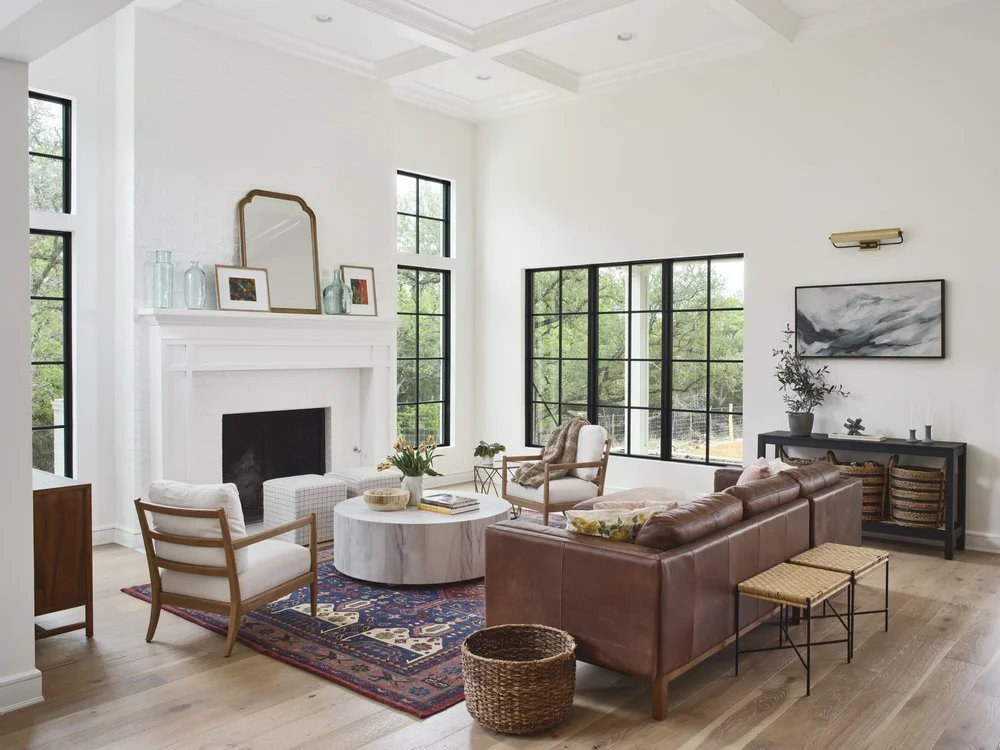
The Financial Case: How a Keeping Room Affects Property Valuation
When evaluating a residential property for investment or resale, every square foot must justify its existence through utility or aesthetic appeal. The keeping room is unique because it offers both, providing a distinct advantage in property appraisals and marketability.
Boosting Resale Value and ROI
From a personal finance perspective, adding or maintaining a keeping room can significantly enhance a home’s resale value. Unlike a formal dining room, which many modern buyers view as wasted space, a keeping room is seen as a “value-add” because of its versatility. Real estate data suggests that homes with specialized functional zones—like keeping rooms or home offices—command a premium over traditional open-concept homes that lack defined boundaries.
When a professional appraiser evaluates a home, they look for “functional utility.” A keeping room increases this utility by offering a secondary living space that doesn’t require the footprint of a full great room. For an investor, the Return on Investment (ROI) for a kitchen-adjacent keeping room often outpaces that of a standard bedroom addition because it enhances the “heart of the home,” which is the primary driver of residential sales.
Competitive Advantage in the Luxury Market
In the luxury and “upper-middle” real estate tiers, a keeping room is often a checkbox for affluent buyers. For those looking to flip houses or develop properties, incorporating a keeping room can be a strategic financial move to differentiate a listing in a crowded market. It signals a level of architectural thoughtfulness and “old-world” charm that basic floor plans lack. By positioning a property as having a dedicated keeping room, sellers can often justify a higher asking price, targeting buyers who prioritize lifestyle and entertaining.
Cost-Benefit Analysis: Renovating to Add a Keeping Room
For homeowners looking to increase their home equity through renovation, the decision to add a keeping room requires a rigorous cost-benefit analysis. Because these rooms are typically smaller than formal living rooms, the capital expenditure (CapEx) can be relatively controlled, provided the structural integrity of the kitchen remains intact.
Estimated Costs of Conversion
The financial outlay for creating a keeping room depends largely on whether it is a “bump-out” addition or a repurposing of existing square footage. Repurposing a large, underutilized breakfast nook into a keeping room is a low-cost, high-impact move. This might involve installing built-in seating, a small gas fireplace, or premium lighting—investments that range from $5,000 to $15,000.
On the other hand, a structural addition can cost anywhere from $150 to $300 per square foot. While this is a larger upfront investment, the increase in total heated square footage directly impacts the home’s appraisal value. From an investment standpoint, the goal is to ensure that the cost of construction does not exceed the projected increase in market value (the “equity lift”).
Maximizing Square Footage Without Structural Overhaul
Investors often look for ways to maximize “perceived value.” A keeping room can be created through clever interior design and minor electrical work without moving load-bearing walls. By adding a fireplace or high-end cabinetry near the kitchen, a “dead zone” in a house is transformed into a functional asset. This transition from “wasted space” to “keeping room” allows a seller to list the home with an additional “living area” tag, which filters into more buyer searches on financial real estate platforms like Zillow or Redfin.
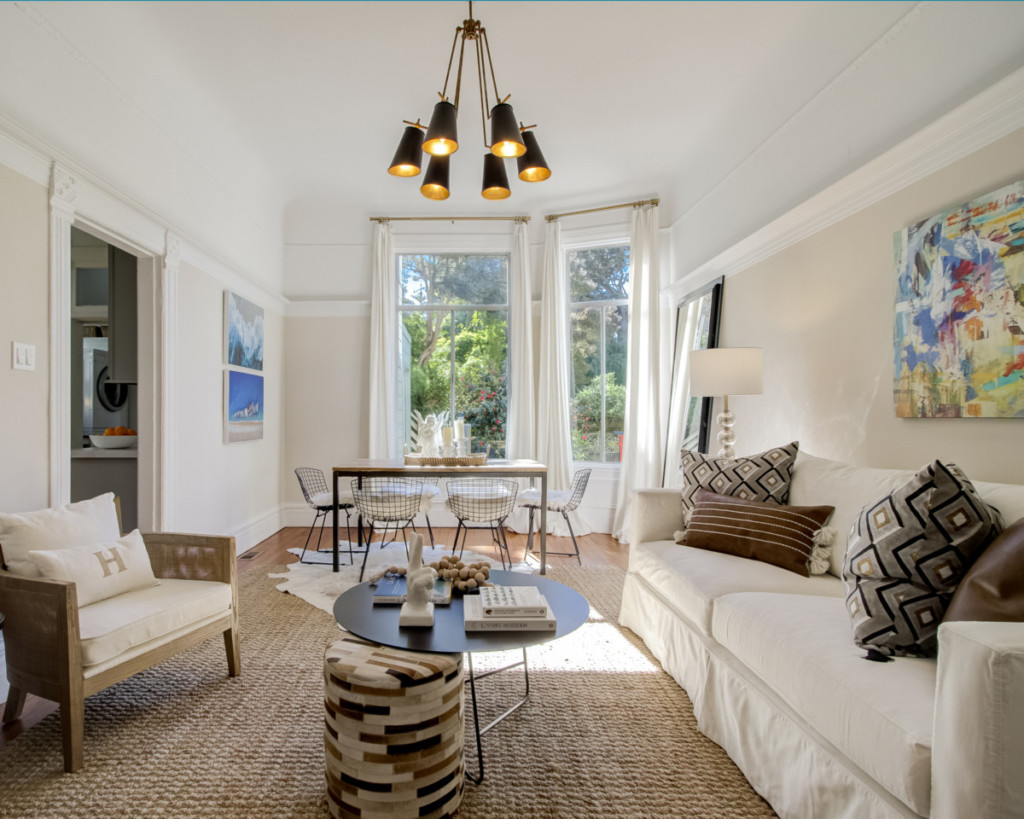
Strategic Investment: The Keeping Room as a Multi-Functional Space
The modern economy has shifted how we use our homes, and the keeping room is at the center of this transition. For those interested in the “financial sustainability” of a home—meaning its ability to adapt to changing needs over decades—the keeping room is a masterclass in multi-functionality.
Adapting to Modern Buyer Demands
Since 2020, the demand for homes with multiple, distinct living zones has skyrocketed. The “open floor plan” is losing its dominance as families realize the need for acoustic privacy and separate functional areas. A keeping room provides a secondary “soft” zone. It can serve as a morning coffee nook, a quiet reading area, or even a temporary workspace for remote professionals.
From a financial planning perspective, this versatility makes the home more “future-proof.” A house that can easily pivot between a play area for children and a sophisticated lounge for entertaining will maintain its value through various market cycles. Buyers are increasingly willing to pay for “flexibility,” and the keeping room is the ultimate flex space.
Long-term Financial Sustainability of the Layout
When considering a property as a long-term financial instrument, the floor plan’s efficiency is paramount. A keeping room utilizes the space near the kitchen—historically the most expensive area of the home to build—more effectively than a large, empty breakfast area. By concentrating social activity in a smaller, well-designed keeping room, homeowners can often save on climate control costs compared to heating and cooling a massive, vaulted-ceiling great room.
Furthermore, for those considering the “aging in place” investment strategy, a keeping room on the main floor offers a comfortable living area that doesn’t require navigating stairs. This accessibility is a growing trend in real estate finance, as the “silver tsunami” (the aging baby boomer population) looks for homes that offer luxury and comfort on a single level.
Market Trends: The Keeping Room and Regional Economic Impact
The prevalence and value of keeping rooms often vary by region, which is a critical factor for real estate investors to track. Historically more common in the Southern United States, the concept is migrating to northern markets as a luxury feature.
Regional Premiums and Appraisal Gaps
In markets like Atlanta or Charlotte, a keeping room is a standard expectation in high-end homes, and its absence might actually lead to a “functional obsolescence” discount in an appraisal. Conversely, in markets like Seattle or Boston, introducing a keeping room to a renovation can create a “rarity premium,” allowing a seller to capture a segment of the market looking for unique, traditional-style architecture.
Understanding these regional economic nuances allows investors to allocate their renovation budgets more effectively. If the local market doesn’t recognize the term “keeping room,” the financial focus should be on marketing it as a “hearth room” or “family retreat” to ensure the value is communicated to potential lenders and buyers.
The Role of Technology in Valuing the Space
While this article focuses on the “Money” niche, it is worth noting that modern keeping rooms are often equipped with high-end tech—smart thermostats, integrated sound systems, and hidden charging stations. From an investment perspective, these “hidden” upgrades in a keeping room can justify a higher price point. When a buyer sees a keeping room that is both cozy and technologically advanced, the “perceived quality” of the entire home rises, leading to faster sales and fewer days on the market (DOM), which is a key metric for financial liquidity in real estate.
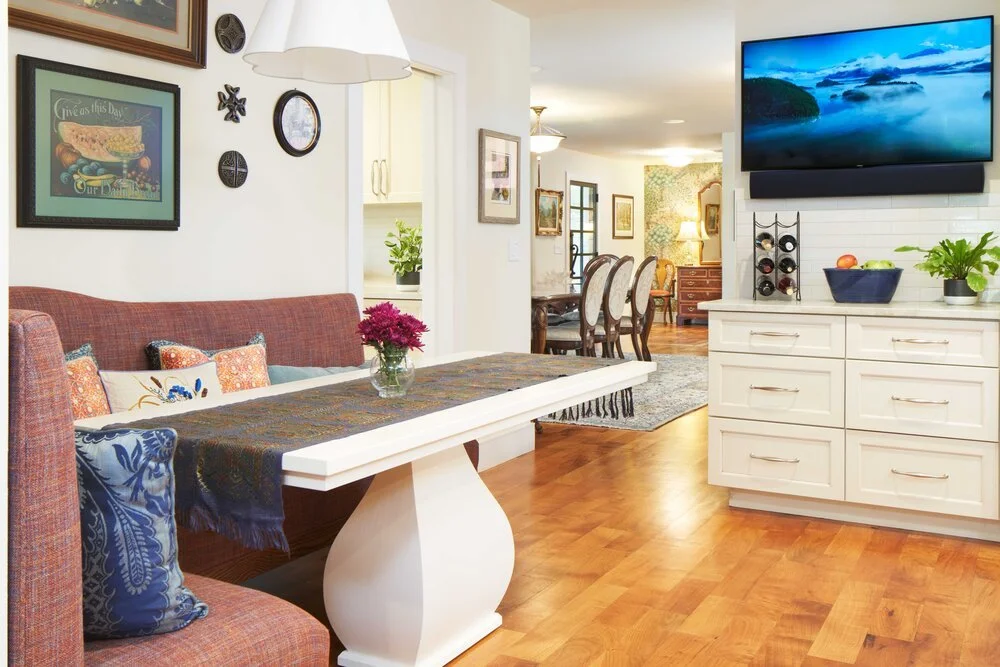
Conclusion: The Bottom Line on Keeping Rooms
The keeping room is far more than a historical curiosity; it is a strategic element of residential real estate finance. By providing high-density functional utility, enhancing the “heart of the home,” and offering the flexibility that modern buyers crave, the keeping room acts as a powerful driver of property value.
For the homeowner, it represents a wise allocation of renovation capital. For the investor, it is a tool for differentiation and a means to capture a premium in the luxury market. When you ask “what is a keeping room,” the answer from a financial perspective is simple: it is an investment in the functionality, marketability, and long-term equity of a property. Whether you are building from scratch or looking to add value to an existing asset, the keeping room offers a unique opportunity to blend traditional charm with modern financial ROI.
aViewFromTheCave is a participant in the Amazon Services LLC Associates Program, an affiliate advertising program designed to provide a means for sites to earn advertising fees by advertising and linking to Amazon.com. Amazon, the Amazon logo, AmazonSupply, and the AmazonSupply logo are trademarks of Amazon.com, Inc. or its affiliates. As an Amazon Associate we earn affiliate commissions from qualifying purchases.