
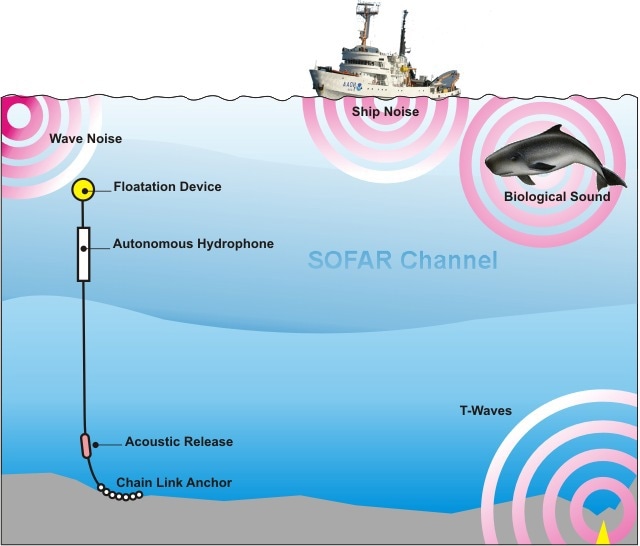
Humanity has long been fascinated by the depths of the ocean, yet our biological limitations prevent us from experiencing the underwater world as we do the terrestrial one. While light dissipates quickly in deep water, sound travels nearly five times faster and much further than it does in the air. To capture this vast acoustic landscape, scientists and engineers rely on a specialized piece of technology: the hydrophone.
A hydrophone is essentially an underwater microphone. However, unlike the microphones used in recording studios or smartphones, which are designed to detect changes in air pressure, a hydrophone is engineered to detect pressure changes in liquids. This distinction is critical because water is much denser than air, requiring different materials and electronic configurations to convert physical vibrations into meaningful digital data. As we move into an era of autonomous underwater vehicles (AUVs) and real-time environmental monitoring, the hydrophone has evolved from a simple listening device into a sophisticated tech tool integrated with AI and high-speed data processing.
The Fundamentals of Hydrophone Technology
At the heart of every hydrophone lies the principle of transduction—the conversion of one form of energy into another. In this case, acoustic energy (sound waves) is converted into electrical energy (voltage). This process allows researchers to record, visualize, and analyze sounds that would otherwise remain silent to the human ear.
The Piezoelectric Principle
Most modern hydrophones utilize piezoelectric ceramics. Piezoelectricity is a unique physical property of certain materials that generate an electric charge when they are subjected to mechanical stress. When a sound wave travels through the water and hits the hydrophone, it exerts a varying amount of pressure on the piezoelectric element. This pressure causes the material to deform slightly, producing a proportional electrical signal. This signal is then amplified and sent to a recording device or a computer for analysis. The choice of ceramic material is vital, as it determines the hydrophone’s sensitivity and the depth at which it can operate without being crushed by ambient pressure.
Transducer Design and Housing
While the piezoelectric element is the “ear,” the housing is the protective “skull.” Hydrophones must be rugged enough to withstand extreme hydrostatic pressure, corrosive saltwater, and varying temperatures. High-tech hydrophones are often encased in specialized polyurethane or rubber materials that have “acoustic impedance” similar to water. This ensures that sound waves pass through the casing into the sensor without being reflected or distorted. The internal design also includes pre-amplifiers, which boost the tiny electrical signals at the source to prevent them from being lost to noise as they travel up long cables to the surface.
Types of Hydrophones and Technical Specifications
Not all hydrophones are created equal. Depending on the objective—whether it is tracking a whale across an ocean basin or detecting a leak in a subsea pipeline—the technical specifications of the device will vary significantly.
Omnidirectional vs. Directional Sensors
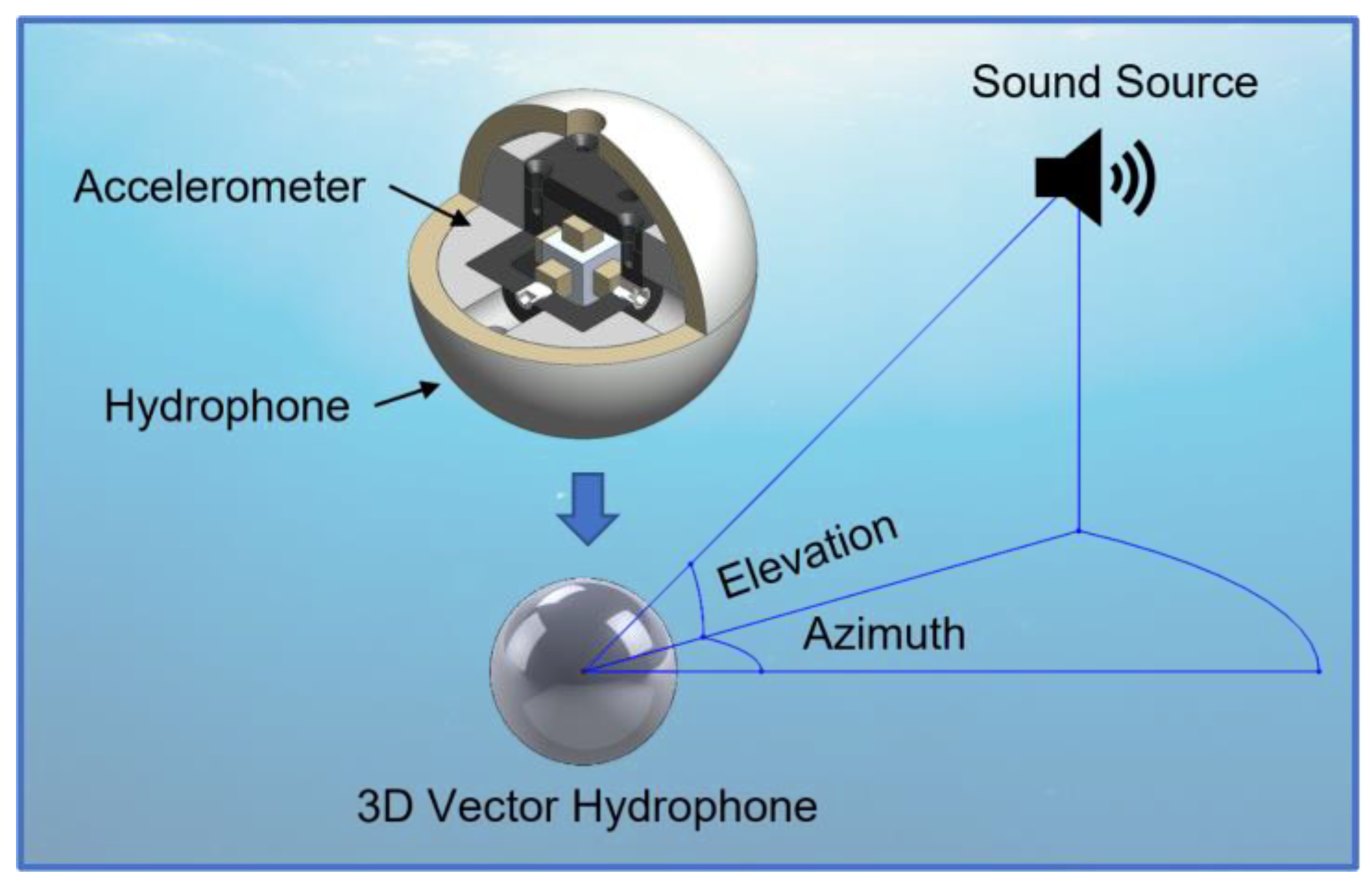
The most common type of hydrophone is omnidirectional, meaning it picks up sound equally from all directions. These are ideal for general environmental monitoring where the source of the sound is unknown. However, in navigation or defense, directional hydrophones (or hydrophone arrays) are used. By arranging multiple sensors in a specific geometric pattern, engineers can use “beamforming” technology. This allows the system to calculate the time-delay between sound hitting different sensors, effectively “pointing” the device toward a specific sound source to triangulate its exact position.
Frequency Response and Sensitivity
In the tech world, frequency response defines the range of sound a device can “hear.” Some hydrophones are specialized for infrasound (very low frequencies), used to detect seismic activity or the deep moans of blue whales. Others are tuned for ultrasound (very high frequencies), capable of capturing the rapid-fire clicks of dolphin echolocation or the high-frequency vibrations of industrial machinery. Sensitivity is another key metric, usually measured in decibels (dB) relative to one volt per micropascal. A high-sensitivity hydrophone can detect a pebble dropping miles away, but it may become “overloaded” in a noisy harbor environment.
Passive vs. Active Systems
It is important to distinguish between a passive hydrophone and an active sonar system. A passive hydrophone only listens; it emits no energy and is virtually undetectable, making it a staple of digital security and stealth defense. Active systems, on the other hand, use a projector to send out a “ping” and then use a hydrophone to listen for the echo. Modern tech often combines these into integrated suites where passive listening is the default, and active sensing is used only when precise ranging is required.
Modern Applications Across Industries
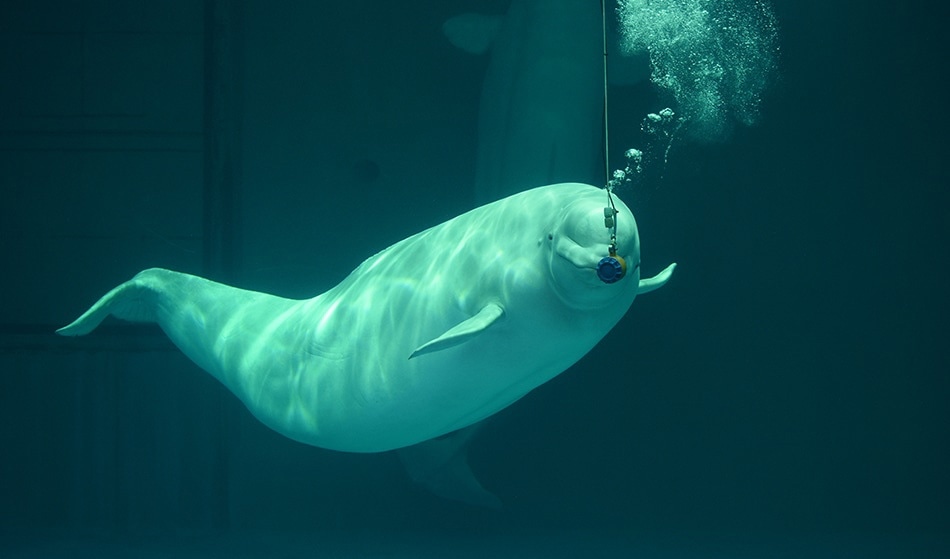
As our reliance on subsea infrastructure grows, so does the demand for advanced acoustic sensing. Hydrophones are no longer just for academic research; they are essential components in global commerce, defense, and environmental tech.
Marine Research and Bioacoustics
Biologists use hydrophones to map the “soundscape” of the ocean. By deploying long-term acoustic recorders, researchers can monitor the health of coral reefs, track migration patterns of endangered species, and study the impact of human-made noise (like shipping) on marine life. This tech has revealed that the ocean is a noisy place, filled with the “snapping” of shrimp, the “singing” of whales, and even the sounds of icebergs cracking.
Defense, Security, and Sonar
In the realm of national security, hydrophones are the primary sensors for detecting submarines and unmanned underwater vehicles (UUVs). Large-scale hydrophone arrays are often towed behind ships or laid across the seafloor in “curtains” to provide early warning systems. The tech has advanced to the point where acoustic “signatures” can identify not just the presence of a ship, but its specific class, speed, and even whether it has a damaged propeller.
Industrial Exploration and Infrastructure Monitoring
The energy sector utilizes hydrophones for seismic surveying. By analyzing how sound waves bounce off the layers of the Earth beneath the seafloor, companies can create 3D maps of oil and gas reserves. Furthermore, in the growing field of offshore wind energy, hydrophones are used to monitor the structural integrity of turbine foundations and to ensure that construction noise stays within legal environmental limits.
The Digital Evolution: AI and IoT in Underwater Sensing
The most significant recent shift in hydrophone technology is the integration of Artificial Intelligence (AI) and the Internet of Things (IoT). We are moving away from simply “recording” sound toward “interpreting” it in real-time.
Real-time Data Analysis and Edge Computing
Traditionally, hydrophone data was retrieved months after a deployment and analyzed manually. Today, smart hydrophones equipped with edge computing can process audio signals on the fly. AI algorithms, trained on vast libraries of underwater sounds, can instantly identify the “ping” of a specific species or the “clatter” of a mechanical failure. This data can then be transmitted via satellite link or acoustic modem, providing immediate alerts to operators on the surface.
Underwater Acoustic Networks
As we deploy more sensors, the “Internet of Underwater Things” (IoUT) is becoming a reality. In these networks, multiple hydrophones communicate with one another to create a mesh of data points. This allows for unprecedented levels of environmental monitoring. For example, a network of hydrophones can detect the onset of a tsunami by sensing the low-frequency pressure waves, providing life-saving seconds of advanced warning to coastal communities.
Future Horizons: Fiber-Optic and Quantum Hydrophones
The future of underwater acoustics lies in moving beyond the limitations of traditional ceramics. Researchers are currently developing next-generation sensors that promise higher fidelity and greater durability.
Fiber-Optic Sensing (DAS)
Distributed Acoustic Sensing (DAS) uses fiber-optic cables as a giant, kilometers-long hydrophone. By sending laser pulses down the fiber and measuring the “backscatter” caused by external vibrations, engineers can turn standard telecommunication cables on the seafloor into highly sensitive acoustic sensors. This tech could potentially turn the thousands of miles of existing subsea internet cables into a global observatory for ocean health and seismic activity.
The Next Decade of Ocean Tech
As we look toward the future, we see the emergence of molecular and quantum hydrophones. These experimental devices aim to measure sound at the atomic level, potentially offering sensitivity levels that were previously thought impossible. Combined with autonomous “gliders” that can stay at sea for years, the next decade will likely see the ocean floor become as digitally mapped and monitored as our cities are today.
In conclusion, the hydrophone is more than just a tool for listening—it is our primary technological interface with seventy percent of our planet. From the basic piezoelectric sensor to AI-driven acoustic networks, the evolution of this technology is a testament to our drive to understand the silent, deep frontier. As we continue to innovate, the hydrophone will remain at the forefront of marine tech, protecting ecosystems, securing borders, and uncovering the mysteries of the deep.
aViewFromTheCave is a participant in the Amazon Services LLC Associates Program, an affiliate advertising program designed to provide a means for sites to earn advertising fees by advertising and linking to Amazon.com. Amazon, the Amazon logo, AmazonSupply, and the AmazonSupply logo are trademarks of Amazon.com, Inc. or its affiliates. As an Amazon Associate we earn affiliate commissions from qualifying purchases.