
In the landscape of modern gaming, few titles have demonstrated the longevity and cultural impact of Minecraft. While the base game—often referred to as “Vanilla”—offers a robust sandbox experience, its true potential is unlocked through the vast ecosystem of user-generated content known as mods. Central to this technical evolution is a piece of software called Minecraft Forge. To the uninitiated, the term might evoke images of a blacksmith’s furnace, but in the context of software architecture and game modification, Forge represents the foundational framework that allows thousands of independent modifications to coexist and function seamlessly.
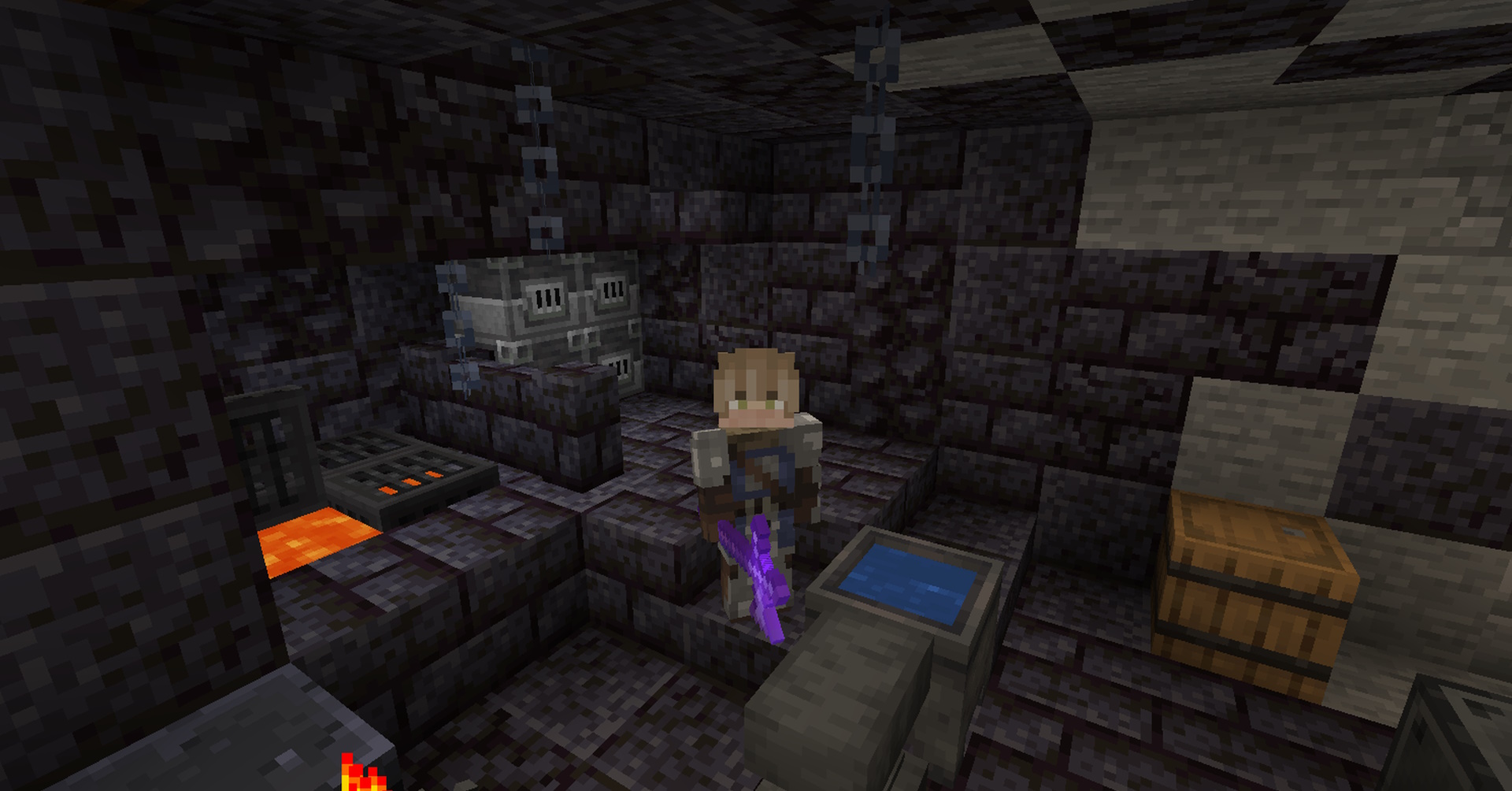
This article explores the technical intricacies of Minecraft Forge, its role as an Application Programming Interface (API), and why it remains the gold standard for digital customization within the world’s best-selling game.
Understanding the Architecture of Minecraft Forge
At its core, Minecraft Forge is a free, open-source modding API and library designed to simplify the compatibility between community-created mods and the Minecraft: Java Edition source code. Without a tool like Forge, installing multiple mods would often result in “ID conflicts” or system crashes, as different mods would attempt to overwrite the same lines of the game’s original code.
The Role of an API in Sandbox Gaming
In software engineering, an API acts as a bridge, allowing different software programs to communicate. Minecraft Forge functions as a sophisticated middleman. Instead of a modder having to rewrite the game’s core logic to add a new mineral or a complex machine, they “call” functions provided by Forge. This abstraction layer ensures that the underlying game remains stable while providing a standardized platform for developers to build upon. By providing these “hooks” into the game code, Forge enables a modular approach to game design that was never officially intended by the game’s original developers.
How Forge Bridges the Gap Between Java and Game Assets
Minecraft: Java Edition is built using the Java programming language, which is known for its “write once, run anywhere” philosophy. However, Minecraft was not originally designed with an official modding API. Forge utilizes a process called “obfuscation mapping” and “bytecode manipulation.” Because Minecraft’s source code is obfuscated (meaning the variable names are scrambled to protect intellectual property), Forge provides a de-obfuscation layer that allows developers to read and interact with the code meaningfully. When the game boots, Forge injects the modded code into the runtime environment, effectively “forging” a new, customized version of the game in the computer’s memory.
The Evolution and Impact of Forge on the Modding Community
The history of Minecraft Forge is intrinsically linked to the growth of the game itself. In the early days of Minecraft (circa 2010), modding was a “Wild West” scenario. Users had to manually delete files in their minecraft.jar and inject new ones, a process that was prone to error and required frequent re-installations.
Historical Context: From Beta to Modern Versions
Forge emerged as a solution to the “ModLoader” era, providing a more robust and expansive set of tools. Over the last decade, the Forge development team has consistently updated the software to keep pace with Mojang’s frequent game updates. This constant maintenance is a monumental task of software engineering, requiring the team to re-map the game’s code every time a new version of Minecraft is released. This dedication has fostered a multi-million dollar ecosystem of content creators, server hosts, and developers who rely on Forge as their primary infrastructure.
Forge vs. Fabric: Navigating the Mod Loader Landscape
In recent years, the technology niche within Minecraft has seen the rise of a competitor: Fabric. While Forge is a heavy-duty, comprehensive API that offers a massive range of features for “overhaul” mods, Fabric is designed to be lightweight and modular. The tech-savvy user often chooses between them based on performance needs. Forge remains the choice for massive “modpacks” that include hundreds of complex machines and magic systems, whereas Fabric is often preferred for performance optimizations and aesthetic tweaks. Understanding this technical distinction is vital for anyone looking to optimize their digital environment.
Technical Implementation: How to Install and Manage Forge

From a software deployment perspective, installing Forge is a straightforward process, yet it requires an understanding of file directories and version management.
System Requirements and Prerequisites
Before deploying Forge, a user must ensure they have the correct Java Runtime Environment (JRE) installed. Because Minecraft Forge is version-specific, the JRE must match the requirements of the specific Minecraft version being played (e.g., Java 17 for most modern versions). Furthermore, Forge requires a significant amount of RAM allocation—often 4GB to 8GB—to handle the additional overhead of modded assets.
A Step-by-Step Installation Workflow
The technical workflow for Forge installation generally follows these steps:
- Download: Acquiring the “Installer”
.jarfile from the official Minecraft Forge website. - Execution: Running the installer to create a specialized “Forge” profile within the Minecraft Launcher.
- Directory Mapping: Forge creates a
/modsfolder within the.minecraftdirectory. - Injection: Users place their desired mod files (also in
.jarformat) into this folder. - Initialization: Upon launching, Forge scans the directory, checks for dependencies, and initializes the modded environment.
Managing Conflict and Compatibility with Modpacks
One of the most powerful tech features of Forge is its ability to handle dependencies. Many mods require “library mods” to function. Forge’s internal engine checks these requirements during the startup phase. If a dependency is missing or if two mods are fundamentally incompatible, Forge provides a crash report—a technical log that identifies exactly which line of code or asset caused the failure. This debugging capability is essential for managing large-scale software environments.
Security and Best Practices in the Modding Ecosystem
As with any software that allows for third-party code execution, digital security is a paramount concern. Forge itself is a secure, open-source tool, but the mods it loads are created by various individuals across the globe.
Verifying Source Integrity and Digital Safety
The tech community emphasizes the “clean source” principle. Users should only download mods from reputable repositories like CurseForge or Modrinth. In early 2023, the community faced a significant security challenge known as “Fractureiser,” a piece of malware that spread through compromised mod files. This event highlighted the importance of using security tools specifically designed for the Minecraft ecosystem, such as specialized scanners that check .jar files for malicious payloads before Forge executes them.
Performance Optimization for Low-End and High-End Systems
Running Forge can be resource-intensive. To mitigate this, a sub-niche of “performance mods” has developed. Tools like Rubidium (a Forge port of Sodium) or Oculus allow Forge users to utilize modern rendering techniques, such as shaders and advanced culling, which significantly increase frames per second (FPS). From a technical standpoint, these mods replace the game’s aging OpenGL 2.1 rendering engine with more efficient code, proving that the Forge API can be used not just to add content, but to optimize software performance.
The Future of Minecraft Modding Tools
As we look toward the future of sandbox gaming, the role of Forge is evolving. The integration of modern software trends is beginning to reshape how we interact with modded environments.
Integration with AI and Automated World Generation
We are seeing the first steps of AI integration within the Forge ecosystem. Developers are experimenting with neural networks to create more realistic terrain generation and smarter non-player character (NPC) behavior. Because Forge provides deep access to the game’s world-generation algorithms, it serves as an ideal testing ground for AI-driven procedural content.

The Shift Toward Cross-Platform Compatibility
While Minecraft Forge is currently exclusive to the Java Edition, there is a growing technical movement toward “bridging” the gap with the Bedrock Edition (the version found on consoles and mobile). While a direct port of Forge to Bedrock is unlikely due to language differences (C++ vs. Java), the logic and API structures developed by the Forge team influence how cross-platform modding tools are being envisioned for the next generation of gaming.
In conclusion, Minecraft Forge is far more than a simple game add-on. It is a sophisticated, highly-engineered API that has sustained a global community for over a decade. By providing a stable, modular, and accessible framework, Forge has turned a simple block-building game into an infinite platform for digital innovation. Whether you are a developer looking to write your first line of game code or a player seeking to enhance your virtual world, understanding the tech behind Forge is the key to mastering the digital frontier of Minecraft.
aViewFromTheCave is a participant in the Amazon Services LLC Associates Program, an affiliate advertising program designed to provide a means for sites to earn advertising fees by advertising and linking to Amazon.com. Amazon, the Amazon logo, AmazonSupply, and the AmazonSupply logo are trademarks of Amazon.com, Inc. or its affiliates. As an Amazon Associate we earn affiliate commissions from qualifying purchases.