
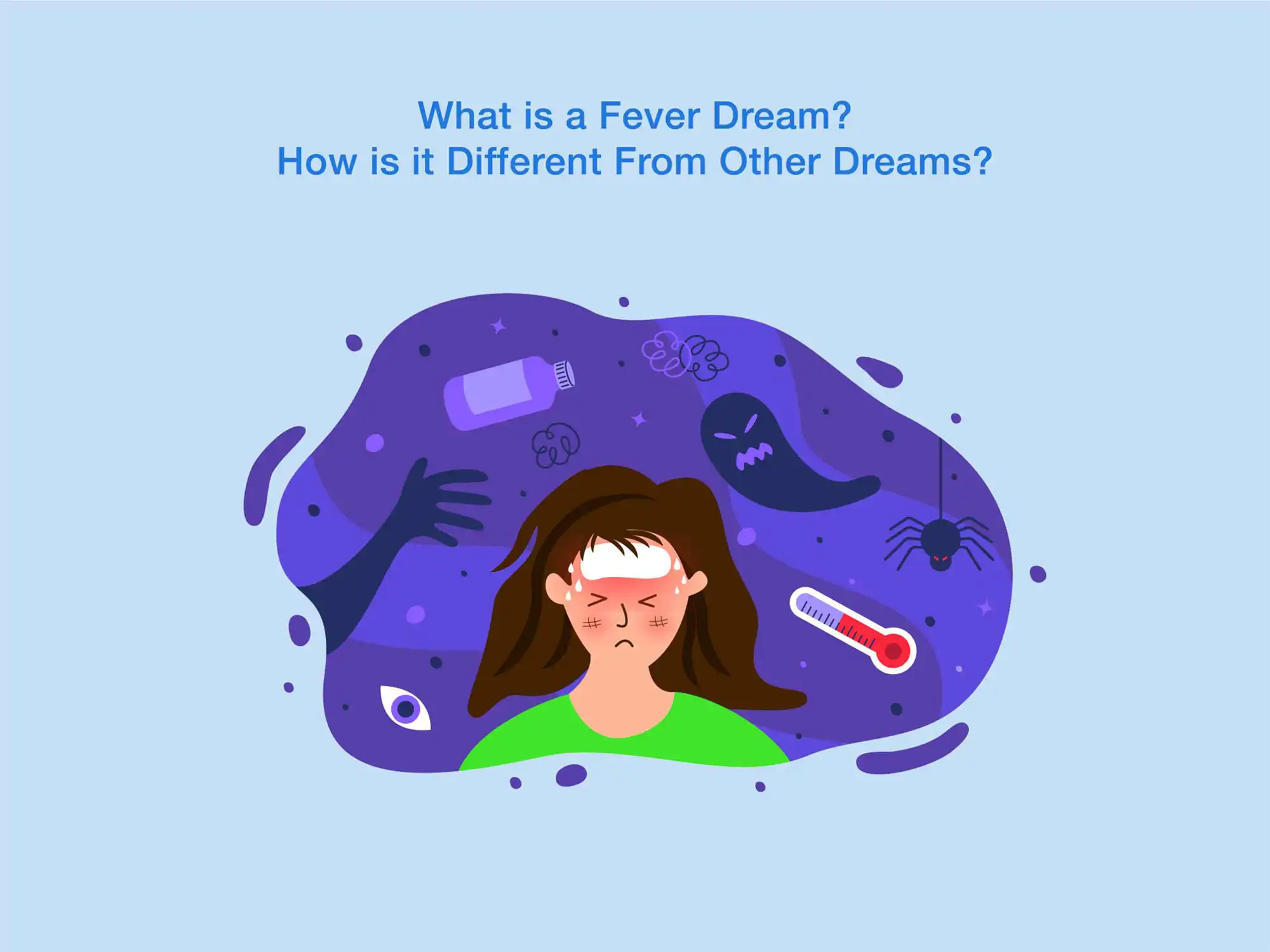
In the rapidly evolving landscape of digital communication, the bridge between internet subcultures and corporate identity has never been shorter. One of the most intriguing linguistic shifts to cross this bridge recently is the term “fever dream.” While traditionally used to describe the vivid, often disturbing visions experienced during high illness, the slang evolution of a “fever dream” has become a cornerstone of Gen Z and Alpha vernacular. For brand strategists and marketing professionals, understanding this term is no longer optional; it is a prerequisite for staying relevant in a marketplace that increasingly prizes surrealism, authenticity, and “unhinged” creativity over traditional, polished aesthetics.
The Linguistic Evolution: From Physical Ailment to Digital Aesthetic
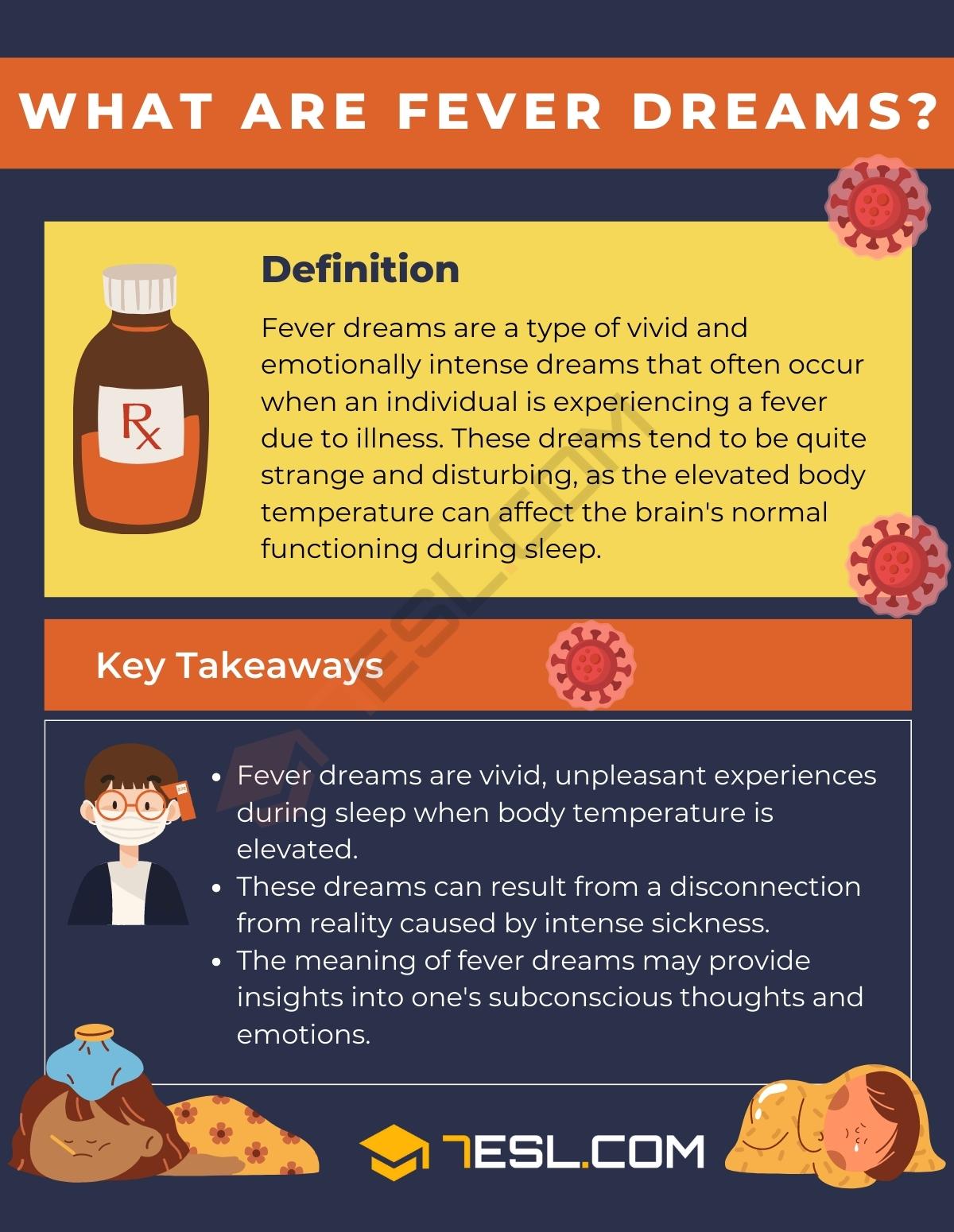
To understand how “fever dream” functions as a brand strategy, one must first dissect its meaning within the context of internet culture. In the modern lexicon, a “fever dream” refers to a situation, a piece of media, or an aesthetic that feels strangely surreal, nonsensical, or chaotic, yet possesses a hauntingly familiar or nostalgic quality. It is the digital equivalent of a Salvador Dalí painting—disorienting, yet impossible to look away from.
Defining “Fever Dream” in the Slang Lexicon
In common slang, calling an event or a video a “fever dream” suggests that it defies logic. It often involves a combination of elements that shouldn’t coexist: for example, a high-budget commercial featuring a 1990s mascot performing a modern TikTok dance in a liminal space (like an empty mall). When a user says, “This video felt like a fever dream,” they are acknowledging a specific type of sensory overload that is both confusing and entertaining. For brands, this represents a shift away from linear storytelling toward an engagement model based on “vibes” and atmospheric resonance.
The Visual Language of Chaos
The “fever dream” aesthetic is characterized by lo-fi editing, non-sequiturs, and a rejection of the “corporate Memphis” style that dominated the 2010s. This slang term has given a name to a visual movement that embraces the uncanny. In branding, this translates to content that looks less like a high-production advertisement and more like a strange, organic creation from a basement-dwelling creator. By adopting this language, brands signal to their audience that they “get” the joke, effectively bypassing the mental filters that modern consumers use to block out traditional advertising.
The Strategic Shift: Why Brands Are Abandoning “Polished” for “Absurd”
For decades, brand strategy was rooted in the pursuit of perfection. High-definition imagery, symmetrical logos, and clear, authoritative messaging were the gold standards. However, the rise of the “fever dream” as a cultural touchstone indicates a massive shift in consumer psychology. Today’s audience—particularly those who have grown up with a constant stream of information—is hyper-aware of being sold to. They have developed a cynical resistance to traditional marketing “gloss.”
Combating “Ad Fatigue” with Surrealism
Ad fatigue is a genuine threat to ROI in digital marketing. When every brand uses the same bright colors and optimistic music, the consumer tunes out. The “fever dream” strategy disrupts this pattern. By presenting something intentionally weird or nonsensical, a brand forces the viewer to pause. The brain, attempting to resolve the lack of logic in the content, engages more deeply with the material. This cognitive friction is a powerful tool for brand recall. If a consumer remembers a brand as “that weird one with the singing toaster,” they have still remembered the brand, which is the first victory in a crowded market.
The Psychology of In-Group Language
Using slang like “fever dream” correctly allows a brand to participate in “in-group” signaling. Brand strategy is, at its heart, about community building. When a brand uses surrealist humor or acknowledges that a specific campaign is “a total fever dream,” it positions itself as a peer rather than a distant corporate entity. This builds a sense of authenticity. Consumers feel that there is a real human—or at least a very savvy team—behind the screen who shares their sense of humor and understands the chaotic nature of the modern internet.
Case Studies in the Surreal: Brands Mastering the Chaos
Several forward-thinking brands have already successfully integrated “fever dream” elements into their corporate identity. These companies have moved beyond simply using the slang to actually embodying the chaotic, surreal energy the term implies.
Duolingo and the “Unhinged” Mascot
Perhaps the most famous example of this strategy is Duolingo. Their presence on TikTok is a masterclass in fever-dream branding. The brand’s mascot, Duo the Owl, is often depicted in surreal scenarios—obsessing over pop stars, threatening users who miss their lessons, or participating in bizarre office antics. By leaning into the “unhinged” nature of the internet’s perception of the mascot, Duolingo has transformed a utilitarian language app into a cultural icon. They don’t just use the slang; they are the fever dream.
Surrealist Aesthetics in High Fashion Branding
High fashion has long toyed with the avant-garde, but recent campaigns from brands like Balenciaga and MSCHF have taken it to a digital extreme. Whether it is the “Big Red Boots” that looked like they were pulled from a cartoon or runway shows that take place in mud pits, these brands are leaning into the surreal to generate “clout” and conversation. They understand that in a digital economy, the most valuable currency is the “WTF” moment. These campaigns are designed to be screenshotted and shared with the caption “This is a fever dream,” ensuring organic reach that far exceeds what a traditional billboard could achieve.
Best Practices for Integrating “Fever Dream” Elements into Your Brand Identity
While the “fever dream” approach is powerful, it is also high-risk. If executed poorly, it can come across as “cringe”—the ultimate death knell for a brand trying to be cool. To successfully navigate this space, brand managers must follow a set of strategic guidelines.
Know Your Audience Segments
Not every demographic will respond well to surrealism. A B2B financial software firm targeting CFOs in their 50s should probably avoid “fever dream” marketing. However, for brands targeting Gen Z, millennials, or even tech-savvy Gen Xers, this approach can be highly effective. The key is to ensure that the core brand values remain visible beneath the chaos. The surrealism should act as a wrapper for the brand’s message, not a replacement for it.
Maintaining Core Values Amidst the Absurdity
The most successful fever-dream campaigns have an underlying logic. Duolingo is still about learning languages; Balenciaga is still about luxury and silhouette. The “fever dream” should be a stylistic choice that enhances the brand’s personality. It’s important to ask: Does this weirdness serve the brand’s ultimate goal? If the answer is just “to be weird,” the audience will sense the lack of depth. True “fever dream” branding feels like an inside joke that the brand is inviting the customer to join.
Navigating the Line Between Viral and Cringe
The difference between a “fever dream” and “cringe” is authenticity and timing. Brands that try too hard to use slang without understanding the context often fail. To avoid this, marketing teams should empower younger creators and social media managers who are already immersed in these cultures. Give them the creative freedom to experiment with lo-fi content and surreal narratives. The goal is to feel organic to the platform, whether it’s the chaotic feed of TikTok or the irony-laden world of Twitter (X).
The Future of Brand Identity in a Surreal World
As we look toward the future, the “fever dream” slang is just the beginning of a broader trend toward more experimental and psychologically complex branding. We are moving into an era where “brand safety” no longer means “boring.” Instead, it means being interesting enough to merit a place in the consumer’s digital life.
The rise of AI-generated imagery and video will only accelerate this trend. As tools become available to create even more bizarre and dream-like visuals with ease, the “fever dream” will become a standard genre of marketing. Brands that can master this language—blending the surreal with the strategic—will be the ones that capture the imagination of the next generation of consumers.
In conclusion, “fever dream” slang is more than just a passing internet fad. It is a symptom of a larger cultural shift toward the absurd as a response to an increasingly complex and digital world. For brands, embracing this chaos is an opportunity to break through the noise, build genuine connections, and redefine what it means to have a “corporate identity” in the 21st century. By understanding the “fever dream,” brands can stop being something people scroll past and start being something they remember—even if they can’t quite explain why.
aViewFromTheCave is a participant in the Amazon Services LLC Associates Program, an affiliate advertising program designed to provide a means for sites to earn advertising fees by advertising and linking to Amazon.com. Amazon, the Amazon logo, AmazonSupply, and the AmazonSupply logo are trademarks of Amazon.com, Inc. or its affiliates. As an Amazon Associate we earn affiliate commissions from qualifying purchases.