
The summons to jury duty arrives like a quiet command from the bedrock of democracy, a fundamental call to participate in the machinery of justice. For many, it’s a novel experience, a brief diversion from the everyday hustle. For others, it’s an inconvenient disruption to tightly scheduled lives, challenging the carefully constructed balance of work, personal commitments, and financial stability. But what happens if, despite your best intentions or unforeseen circumstances, you find yourself running late or entirely missing your scheduled jury duty? The consequences, often underestimated, can range from a minor inconvenience to significant legal and financial repercussions, touching upon aspects of your personal brand, financial well-being, and even the efficacy of modern technology.
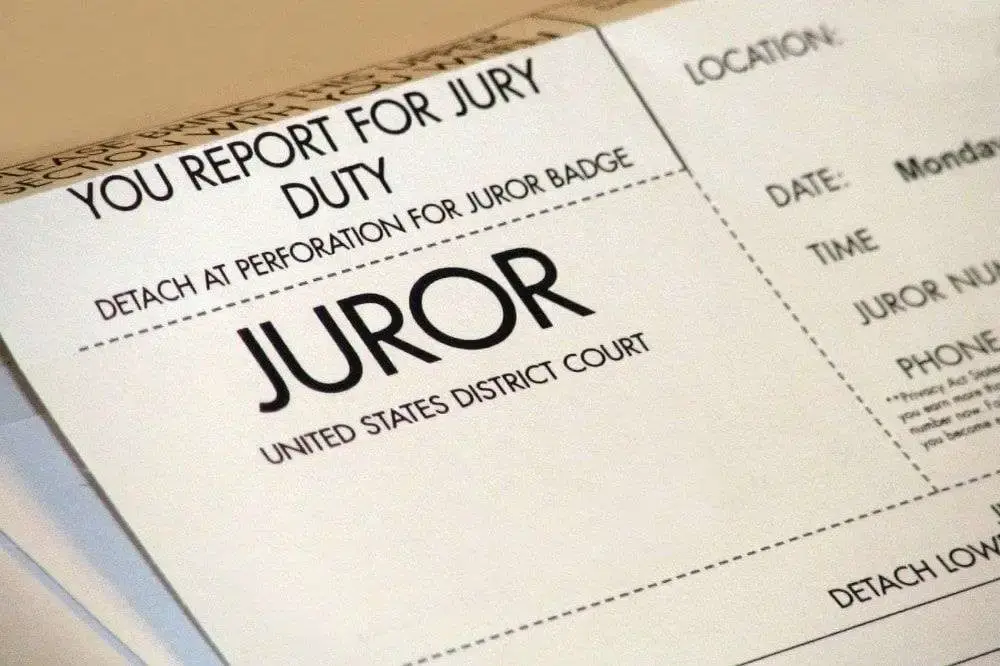
In an era defined by instantaneous communication and digital efficiency, the concept of being “late” might seem anachronistic. Yet, the legal system, while increasingly integrating tech-driven solutions, still operates with a strict adherence to punctuality and process. Understanding the potential fallout of tardiness, and crucially, how to prevent it or mitigate its effects, is essential not just for fulfilling a civic duty but for protecting your personal and professional standing in an increasingly interconnected world. This article delves into the various facets of being late to jury duty, exploring the legal ramifications, the impact on your reputation, the financial costs, and how technology can be both a savior and a subtle trap in managing such critical civic responsibilities.
The Unspoken Mandate: Understanding Jury Duty’s Importance
Before delving into the penalties of tardiness, it’s crucial to grasp the profound significance of jury duty itself. It’s more than just a bureaucratic obligation; it’s a cornerstone of the legal system, ensuring that justice is administered by a cross-section of society rather than solely by legal professionals or state representatives.
Civic Duty and the Fabric of Justice
At its heart, jury duty is a direct manifestation of a citizen’s civic responsibility. It upholds the Sixth Amendment right to a trial by an impartial jury in criminal cases and the Seventh Amendment right in civil cases. This mechanism ensures fairness, transparency, and public trust in the judicial process. Each juror contributes to the collective wisdom that decides guilt or innocence, liability or damages, effectively shaping individual lives and upholding the rule of law. When a potential juror is late or absent, it doesn’t just inconvenience court staff; it can delay proceedings, waste public resources, and, in some cases, undermine the very fairness the system seeks to achieve. The court might be forced to postpone a trial, re-summons more jurors, or proceed with fewer potential jurors, impacting the diversity and representativeness of the panel. From a “Brand” perspective, participating diligently reinforces the positive image of an engaged citizenry and a functional democratic system. Conversely, widespread non-compliance erodes public confidence in both the individual and the institution.
The Digital Summons: Modernizing the Call to Serve
While the essence of jury duty remains timeless, its administration has evolved significantly, heavily influenced by technological advancements. Gone are the days when a paper summons was the sole method of notification. Many jurisdictions now utilize “Tech” solutions like e-summons, email reminders, and dedicated online portals for responding to questionnaires, checking service dates, or requesting postponements. This digitalization aims to streamline the process, reduce administrative overhead, and make it easier for citizens to manage their civic obligations. For instance, integrated court management software can track juror responses, automatically send follow-up notifications, and even facilitate virtual jury selection in some circumstances.
However, this reliance on technology introduces new challenges. An e-summons might get lost in a spam folder, a notification email might be overlooked amidst a deluge of daily correspondence, or a reminder app might be disabled. While these digital tools offer unparalleled convenience and efficiency, they also place a greater onus on the individual to manage their digital notifications and maintain robust digital security practices. Misinterpreting an email, failing to check an online portal, or experiencing a technical glitch could inadvertently lead to a missed deadline, blurring the lines between genuine oversight and negligence, and ultimately affecting one’s ability to be punctual.
When Minutes Matter: Immediate Consequences of Lateness
The initial adrenaline rush of realizing you’re late for jury duty quickly gives way to anxiety about the potential repercussions. These consequences are not uniform across all jurisdictions but generally follow a pattern, escalating from minor inconvenience to severe legal penalties.
Navigating the Legal Labyrinth: Initial Repercussions
Upon realizing you’re late, the first step is always to contact the court clerk immediately. The specific legal repercussions of tardiness vary significantly by state and even by individual court. In many cases, if it’s a first offense and the lateness is minor, you might simply be rescheduled for a later date, perhaps with a stern warning. The court might excuse your absence if you have a valid, unavoidable reason, such as a sudden medical emergency or a critical family issue. However, without a legitimate excuse or communication, the situation can quickly escalate.
The most common consequence for failing to appear or for chronic lateness without a valid reason is being found in “contempt of court.” This is a serious charge that can carry significant penalties. Contempt of court can manifest in two forms: civil contempt, which aims to compel compliance (e.g., ordering you to serve on a later date), and criminal contempt, which punishes the disrespect shown to the court. Penalties for criminal contempt can include substantial fines, and in more severe or repeated cases, even jail time. For example, some jurisdictions impose fines starting at a few hundred dollars and potentially increasing to thousands, alongside potential incarceration for a few days to several months. These legal challenges also often entail unexpected “Money” costs for legal advice or representation, even if it’s just to navigate the contempt hearing.
Beyond the Courtroom: Your Personal Brand and Financial Fallout
The legal consequences are just one aspect of the fallout. Lateness or non-appearance can also have significant implications for your “Personal Brand” and “Money” matters. From a personal brand perspective, failing to fulfill civic duties can reflect poorly on your reliability and responsibility. If your employer is aware of the situation, or if you hold a position that requires a high degree of public trust, such an incident could subtly impact how you are perceived professionally. While it might not directly lead to job loss, it can chip away at your professional reputation, especially if it leads to public court records or widespread knowledge.
Financially, the impact can be multi-layered. Beyond potential court-imposed fines, there’s the cost of lost wages. While some employers offer paid time off for jury duty, many do not, meaning that any time spent in court, or dealing with the repercussions of lateness, could result in unpaid leave. If you are a freelancer or operate a small business, lost time directly translates to lost income. Furthermore, dealing with contempt charges often involves legal fees, which can quickly add up. These unforeseen expenses can derail carefully planned “Personal Finance” budgets, impacting savings, investment plans, or even the ability to meet essential living costs. For businesses, employee lateness or non-appearance can disrupt operations, requiring re-scheduling of meetings, projects, or client engagements, thus incurring indirect “Money” costs related to productivity and client satisfaction.
Tech to the Rescue (Or, How to Avoid Lateness in a Digital Age)
In our digitally-driven lives, technology often presents solutions to our organizational woes. When it comes to something as critical as jury duty, leveraging the right tools can be the difference between punctuality and penalty.
Leveraging Productivity Tools for Punctuality

The modern digital landscape offers a plethora of “Tech” tools designed to enhance productivity and punctuality, which are invaluable for managing civic duties like jury service. Calendar applications (Google Calendar, Outlook Calendar, Apple Calendar) are indispensable. Upon receiving a summons, immediately input the date, time, and location into your primary digital calendar. Set multiple reminders: a week before, a day before, and an hour before, complete with precise location details and any instructions (e.g., “bring summons,” “parking information”). For those with complex schedules, project management tools or habit trackers can also be adapted to include jury duty as a critical task.
Beyond simple reminders, navigation apps (Google Maps, Waze, Apple Maps) are crucial. Plan your route to the courthouse the day before, accounting for potential traffic, public transport delays, and parking availability. Many navigation apps allow you to schedule departure times based on desired arrival times, factoring in real-time traffic data. Smart assistants (Siri, Google Assistant, Alexa) can also be programmed to provide verbal reminders or deliver crucial information like weather forecasts that might impact travel. For individuals whose jury duty involves an online component, ensuring reliable internet access and a functional device is paramount, alongside having backup options in case of technical glitches. These tools, when used effectively, transform the potential anxiety of a rigid deadline into a manageable, well-orchestrated event.
Digital Security and Your Jury Service Data
While “Tech” offers convenience, it also introduces “Digital Security” considerations, especially when dealing with sensitive personal information requested for jury service. Jury summons often require personal details like birth date, social security number (or last digits), driver’s license number, and employment information. While legitimate court systems employ robust security measures, vigilance is key. Be wary of phishing scams that mimic official court communications, asking for sensitive data outside official channels or through suspicious links. Always verify the authenticity of an e-summons or any request for information by directly contacting the court using official contact details (not those provided in a suspicious email).
Furthermore, when accessing court portals or submitting information online, ensure you are on a secure connection (HTTPS) and avoid public Wi-Fi networks if handling sensitive data. If virtual jury selection or online interviews become more prevalent, understanding the privacy policies of the platforms used and ensuring your home network is secure becomes even more critical. Protecting your personal data is not just about preventing identity theft; it’s also about maintaining the integrity of your personal “Brand” and avoiding potential “Money” losses that can arise from data breaches. A robust approach to digital security ensures that while you leverage technology for efficiency, you do so without compromising your personal information or financial well-being.
Mitigating the Damage: Strategies for a Swift Resolution
If despite your best efforts, you find yourself late or have missed your jury duty, the situation is not always irrecoverable. Proactive and strategic communication, coupled with an understanding of financial safeguards, can significantly mitigate potential damage.
The Art of Communication: Explaining Your Delay
The moment you realize you are late or have missed your summons, immediate and honest communication with the court is paramount. Do not wait for the court to contact you. The first step should be to call the clerk of courts or the jury commissioner’s office directly. Be prepared to provide your juror identification number and a clear, concise, and truthful explanation for your delay or absence.
When communicating, remember that you are representing your “Personal Brand.” Maintain a respectful and apologetic tone. While you should explain the circumstances, avoid making excuses or appearing to trivialize the court’s time. If you have any documentation to support your reason (e.g., a doctor’s note, police report for an accident, proof of a sudden family emergency), have it ready to offer. The court staff are accustomed to various reasons for lateness and are often willing to work with individuals who are forthright and cooperative. Their primary goal is often to ensure the smooth functioning of the judicial process, and a cooperative juror is preferable to one who forces them into contempt proceedings. This immediate and professional response can often lead to a rescheduling rather than more severe penalties, preserving your reputation and avoiding a drawn-out legal battle.
Financial Safeguards: Preparing for the Unforeseen
Beyond the immediate legal and reputational concerns, being late or missing jury duty can have tangible “Money” implications. Preparing for these contingencies is a crucial aspect of responsible personal finance. Firstly, understand your employer’s policy regarding jury duty pay. Some companies offer paid leave, others provide unpaid leave, and some might require you to use your personal vacation or sick days. Knowing this beforehand allows you to plan your finances accordingly. If you anticipate lost wages, having an emergency fund is essential to cover daily expenses. This foresight prevents a missed jury duty from cascading into broader financial instability.
Secondly, familiarize yourself with potential court fines in your jurisdiction. While you hope to avoid them, knowing the potential financial exposure can motivate greater punctuality and preparation. Consider allocating a small portion of your emergency fund specifically for unforeseen legal or administrative fees that might arise from civic duties. For those engaged in “Online Income” or “Side Hustles,” planning for potential interruptions is also key. If jury duty requires a day or more, identify tasks that can be batched, automated, or postponed without significant loss of income. Having backup plans for client work or project deadlines can mitigate financial losses. Understanding these “Business Finance” elements ensures that even if an unfortunate delay occurs, its financial ripple effects are contained and managed.
The Broader Impact: Beyond Personal Accountability
While the immediate focus of being late to jury duty often centers on personal repercussions, it’s vital to step back and consider the broader societal impact. Individual actions, whether positive or negative, contribute to the collective experience and perception of the justice system.
The Justice System’s Efficiency and Public Perception
The smooth operation of the court system hinges on predictability and adherence to schedules. When jurors are late or absent, it creates a domino effect. Judges and attorneys spend time waiting, cases are delayed, and court resources are wasted. This inefficiency not only incurs “Money” costs for taxpayers but also erodes public trust in the “Brand” of the justice system. Frequent delays can lead to cynicism about the legal process, making citizens less willing to participate or believe in its fairness. From a broader “Brand Strategy” perspective, the justice system relies on public confidence to maintain its legitimacy. Every instance of lateness, while seemingly minor, contributes to the narrative of a cumbersome, inefficient bureaucracy, rather than a timely and just institution.
Furthermore, delays can be incredibly distressing for litigants, victims, and witnesses who are often already under immense stress. Their lives are on hold, awaiting resolution, and every postponement prolongs their uncertainty and emotional burden. A robust, efficient, and respected justice system is a hallmark of a well-functioning society, and individual jurors play a critical role in upholding that standard.

A Proactive Approach: Setting Yourself Up for Success
Ultimately, avoiding lateness to jury duty is a matter of proactive planning, leveraging available “Tech” tools, understanding the “Money” implications, and upholding your “Personal Brand” as a responsible citizen. It begins with acknowledging the importance of the summons, not as a nuisance, but as an integral part of your civic duty.
Take immediate action upon receiving a summons: confirm the date and time, research the courthouse location, and set multiple digital reminders. Understand your employer’s policies and plan your finances accordingly. In the rare event that lateness is unavoidable, communicate immediately, honestly, and respectfully with the court. By doing so, you not only protect yourself from potential legal and financial penalties but also contribute positively to the efficiency and integrity of the justice system. In our complex, interconnected world, fulfilling such fundamental responsibilities with diligence and foresight is not just a legal requirement, but a testament to responsible citizenship in the digital age.
aViewFromTheCave is a participant in the Amazon Services LLC Associates Program, an affiliate advertising program designed to provide a means for sites to earn advertising fees by advertising and linking to Amazon.com. Amazon, the Amazon logo, AmazonSupply, and the AmazonSupply logo are trademarks of Amazon.com, Inc. or its affiliates. As an Amazon Associate we earn affiliate commissions from qualifying purchases.