
In the rapidly evolving landscape of medical technology, few fields have undergone as significant a digital and material transformation as restorative dentistry. For decades, the industry relied on “silver” amalgams—a mixture of metals that, while durable, lacked aesthetic appeal and required invasive mechanical retention. However, the advent of composite dental fillings marked a paradigm shift. Today, the “composite filling” is not merely a clinical procedure; it is a sophisticated application of polymer science, nanotechnology, and optical engineering.
Understanding what a composite dental filling is requires looking past the surface of a simple cavity repair. It involves exploring how high-tech resin matrices and inorganic fillers have revolutionized the way we approach structural integrity and biocompatibility in the human body.
The Engineering of Aesthetics: Understanding the Composite Matrix
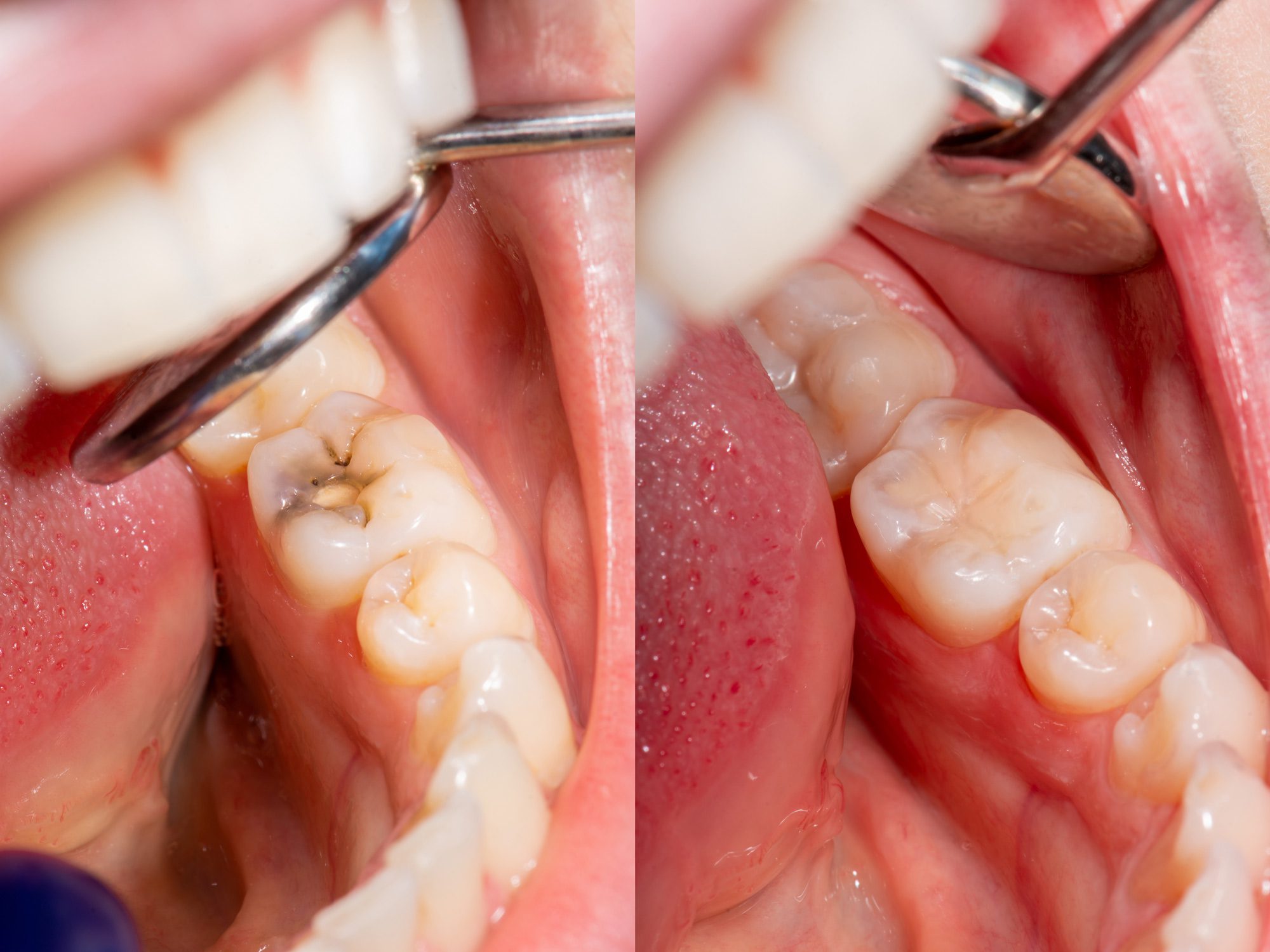
At its core, a composite dental filling is a sophisticated “white” or tooth-colored material used to restore decayed, cracked, or broken teeth. From a technological standpoint, it is a complex mixture of organic and inorganic components designed to mimic the physical and optical properties of natural human enamel and dentin.
The Chemical Composition: Resins and Fillers
The “tech” behind the composite lies in its composition. Most modern composites utilize a resin matrix, typically based on Bis-GMA (bisphenol A-glycidyl methacrylate) or other dimethacrylate monomers. This organic resin serves as the “glue” or the vehicle for the material.
However, pure resin is too soft to withstand the hundreds of pounds of pressure generated by human mastication (chewing). To provide strength, engineers incorporate inorganic filler particles—such as silicon dioxide, glass, or quartz. The secret to the material’s success is the “coupling agent” (usually silane), which creates a chemical bridge between the organic resin and the inorganic glass. This molecular engineering ensures that the filling behaves as a single, cohesive unit under stress.
Nano-technology in Modern Composites
Perhaps the most significant technological leap in the last decade has been the introduction of “nanofill” and “nanohybrid” composites. By utilizing particles as small as 1 to 100 nanometers, manufacturers can pack more filler into the resin matrix without compromising the material’s flowability.
Nanotechnology allows the material to achieve a higher polish and maintain that polish over time. In older tech, large filler particles would “pluck” out of the resin, leaving a rough surface that attracted plaque. Nano-tech ensures that as the material wears, it does so at a microscopic level, remaining smooth and mimicking the natural luster of enamel.
The Digital Workflow: Integrating Composites into Modern Dental Tech
The application of a composite filling is no longer a manual “guess-and-check” process. It has become an integrated part of a digital workflow that utilizes advanced hardware to ensure the longevity and success of the restoration.
Light-Curing Systems and Photo-initiators
One of the most critical tech components in the composite process is the curing light. Modern composites are “photo-polymerizable,” meaning they remain soft and pliable until exposed to a specific wavelength of light—usually in the blue spectrum between 450 and 470 nanometers.
The technology behind these LED curing units is precise. If the light intensity is too low, the filling will not fully polymerize, leading to premature failure and potential toxicity. If it is too high, it can generate heat that damages the tooth’s nerve. High-tech curing units now feature “polywave” technology, capable of triggering multiple types of photo-initiators (like Camphorquinone or Ivocerin), ensuring a deep, uniform “freeze” of the material in seconds.
CAD/CAM and 3D Modeling Synergy
While direct composite fillings are placed by hand, the technology is increasingly intersecting with CAD/CAM (Computer-Aided Design and Manufacturing). In many high-tech clinics, a digital intraoral scanner creates a 3D map of the patient’s tooth.
This data can be used to “mill” a composite block into a highly precise inlay or onlay. This hybrid approach combines the material benefits of composites with the precision of robotic milling. By shifting the polymerization process to a controlled lab setting (using high heat and pressure), the resulting “tech-composite” is even denser and more durable than what can be achieved directly in the mouth.
Durability and Performance: The Technical Advantage over Amalgam
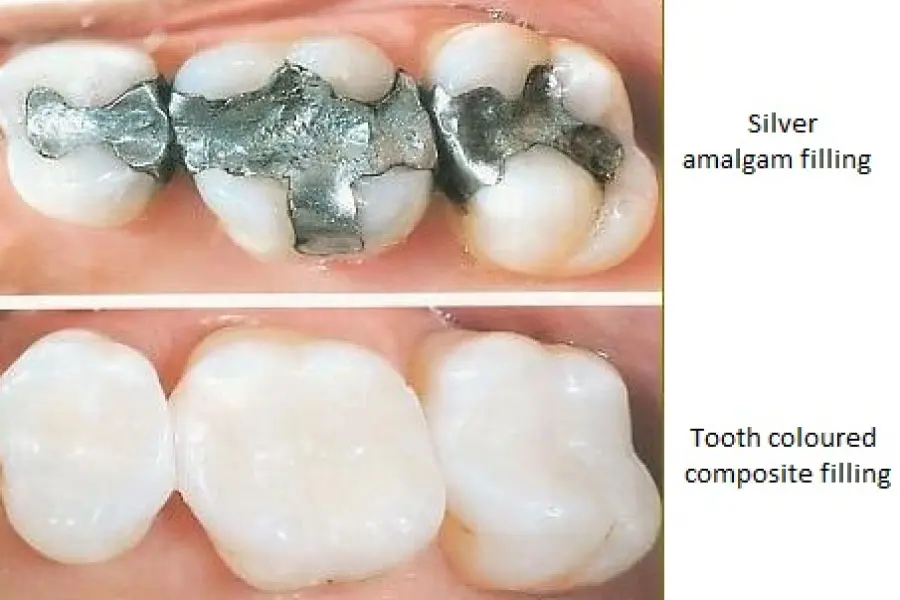
When discussing restorative tech, the conversation inevitably turns to the comparison between old-world amalgams and modern composites. The technological advantage of composites lies in their “biomimetic” approach—the goal of mimicking the natural biomechanics of the tooth.
Adhesive Bonding Mechanisms
The most profound technological difference is how the filling stays in the tooth. Amalgam fillings are held in by “mechanical retention,” which often requires the dentist to remove healthy tooth structure just to create a shape that “locks” the metal in place.
Composites, conversely, utilize “adhesive dentistry.” This involves a multi-step chemical process:
- Etching: Using phosphoric acid to create microscopic “pores” in the enamel.
- Priming: Using hydrophilic monomers to penetrate the moist dentin.
- Bonding: Creating a micromechanical bond between the tooth and the composite.
This “microlock” technology allows for “minimally invasive dentistry,” where only the decayed tissue is removed, preserving the structural integrity of the natural tooth.
Thermal Expansion and Structural Integrity
Materials science must also account for the fact that the mouth is a harsh environment, subject to extreme temperature swings from hot coffee to ice cream. A major technical hurdle for early composites was the “coefficient of thermal expansion.”
If a material expands or contracts at a rate different from the tooth, the bond will break, leading to “micro-leakage” and new cavities. Modern composite tech has engineered these materials to have thermal expansion rates nearly identical to natural tooth structure. This technological synchronization ensures that the filling and the tooth move as one, preventing fractures and extending the lifespan of the restoration.
The Future of Biocompatible Materials
As we look toward the future, the “tech” in composite fillings is moving toward “smart” materials. The next generation of dental composites will do more than just fill a hole; they will actively interact with the biological environment of the mouth.
Smart Composites and Bio-active Release
Current research is focused on “bio-active” composites. These are materials engineered to release ions—such as calcium, phosphate, and fluoride—over time. This tech effectively “recharges” the tooth’s mineral content, neutralizing acids and preventing future decay at the margins of the filling.
Furthermore, researchers are developing “self-healing” composites. Much like experimental polymers in the aerospace industry, these dental materials contain micro-capsules that rupture if a crack forms, releasing a liquid resin that seals the fracture automatically. This would represent a massive leap in the “set-it-and-forget-it” tech of restorative health.
AI-Driven Shade Matching
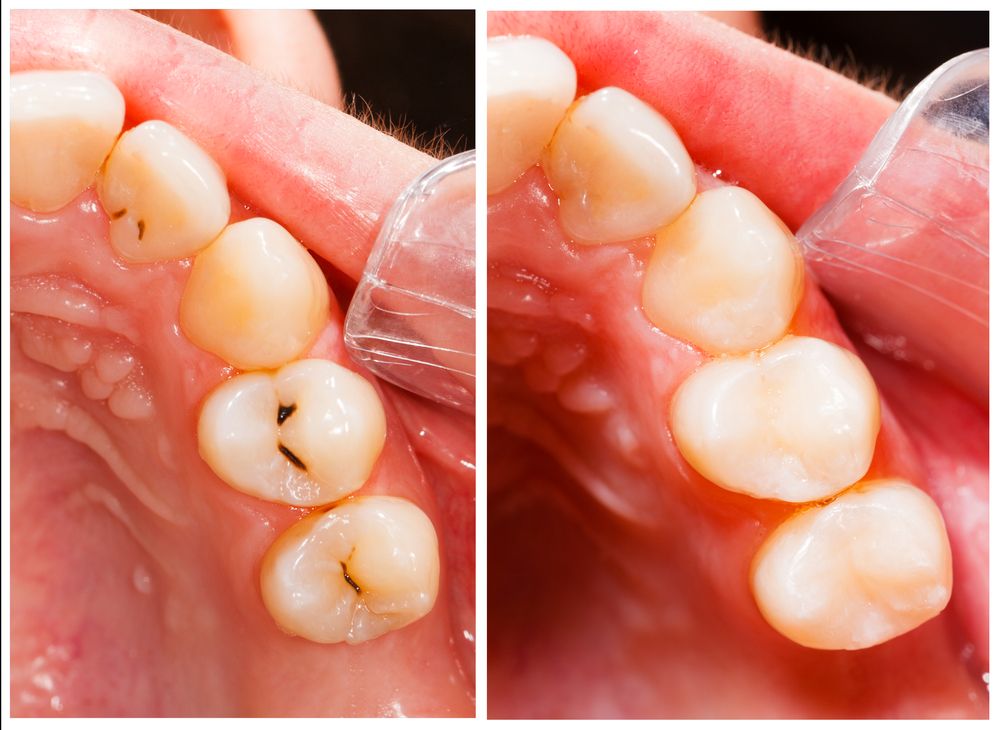
Finally, the intersection of AI and material science is solving one of the oldest problems in dentistry: color matching. While it sounds purely aesthetic, choosing the right “translucency” and “chroma” is a technical challenge.
New AI-driven spectrophotometers can now analyze the light-scattering properties of a patient’s tooth and suggest a specific “recipe” of composite layers to perfectly mimic the internal architecture of the tooth. This ensures that the restoration is invisible not just to the naked eye, but also under different lighting conditions (metamerism), such as UV light in a club or the fluorescent lights of an office.
In conclusion, a composite dental filling is far more than a cosmetic choice. It is a triumph of modern engineering, representing decades of progress in polymer chemistry, adhesive physics, and digital integration. As we continue to refine these materials at the molecular level, the line between “artificial restoration” and “natural tooth” continues to blur, proving that the future of dentistry is firmly rooted in high-tech innovation.
aViewFromTheCave is a participant in the Amazon Services LLC Associates Program, an affiliate advertising program designed to provide a means for sites to earn advertising fees by advertising and linking to Amazon.com. Amazon, the Amazon logo, AmazonSupply, and the AmazonSupply logo are trademarks of Amazon.com, Inc. or its affiliates. As an Amazon Associate we earn affiliate commissions from qualifying purchases.