
The automotive industry is often viewed through the lens of depreciation—a car loses value the moment it leaves the lot. However, hidden within the undercarriage of almost every internal combustion engine vehicle lies a component that has become one of the most volatile and high-value assets in the secondary market: the catalytic converter.
For car owners, scrap metal recyclers, and even investors, the question “what is a catalytic converter worth?” is no longer just a matter of mechanical curiosity. It is a question of commodity market fluctuations, supply chain ethics, and personal finance management. To understand the value of a catalytic converter, one must look beyond the rusted exterior and into the world of rare earth elements and global industrial demand.
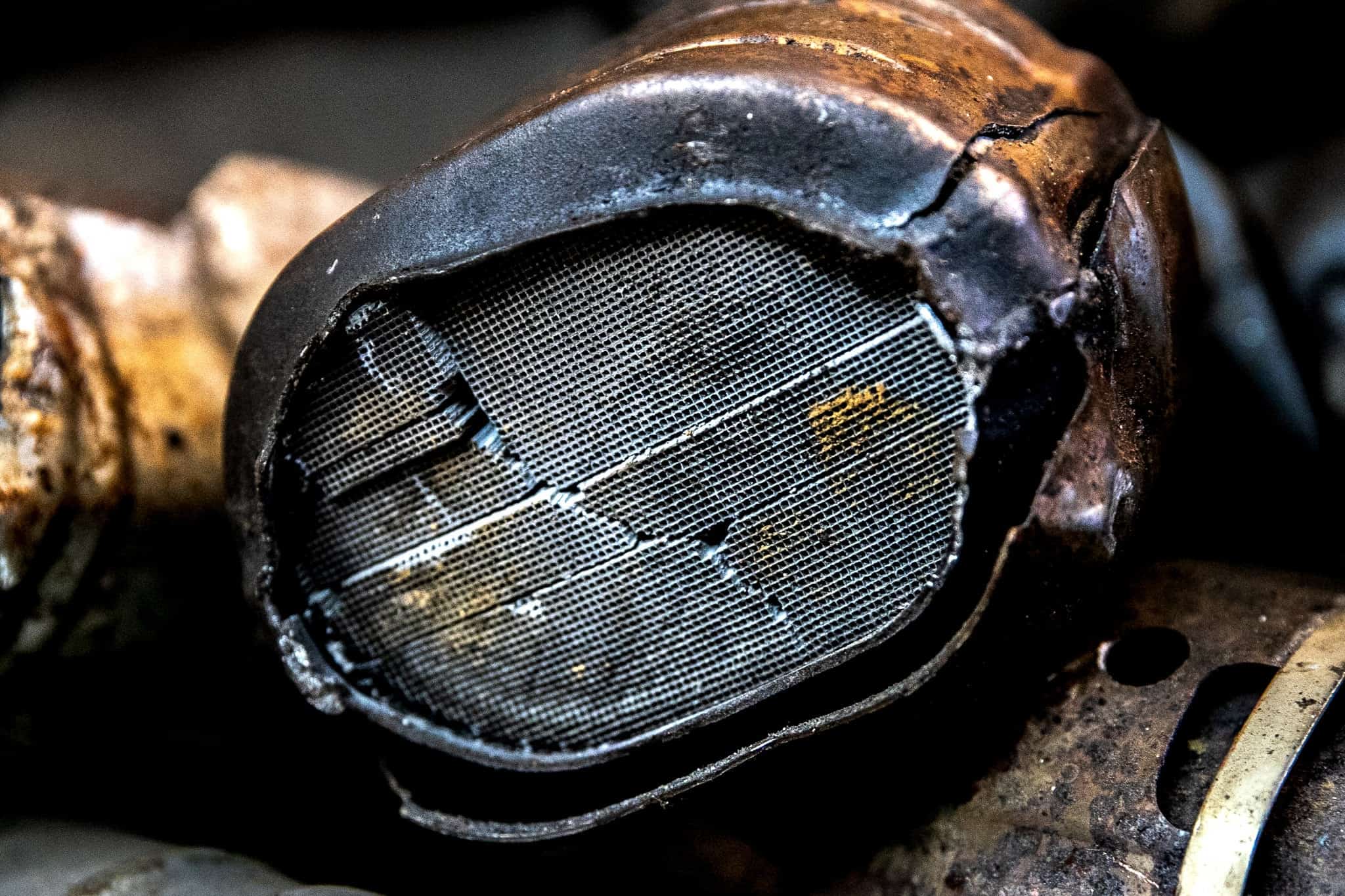
The Chemistry of Capital: Why Catalytic Converters Have Value
The primary reason a catalytic converter commands a high price is not the steel housing, but the “washcoat” of precious metals found inside the ceramic honeycomb structure. These metals—platinum, palladium, and rhodium—act as catalysts to convert toxic gases like carbon monoxide and nitrogen oxides into less harmful substances.
The Power of the Platinum Group Metals (PGMs)
The value of a catalytic converter is directly tethered to the spot prices of Platinum Group Metals (PGMs). These metals are incredibly rare and difficult to mine, making recycled sources a vital part of the global supply chain.
- Platinum (Pt): Traditionally the most well-known of the group, platinum is used primarily in diesel engines. While its price has seen stability compared to others, it remains a high-value asset.
- Palladium (Pd): Most commonly found in gasoline engines, palladium prices skyrocketed over the last decade as emissions standards tightened globally, particularly in China and Europe.
- Rhodium (Rh): This is the “king” of catalytic converter value. Rhodium is one of the rarest non-radioactive metals on Earth. At its peak, rhodium has traded for over $20,000 per ounce—significantly more than gold. Because even a small amount of rhodium is necessary to reduce nitrogen oxide emissions, its presence dictates the lion’s share of a converter’s scrap value.
How Much Metal Is Actually Inside?
While a converter might weigh several pounds, the precious metal content is measured in grams. A typical standard converter contains about 2 to 6 grams of these precious metals. To put this in financial perspective, if rhodium is trading at $5,000 an ounce, even half a gram of it contributes significantly to the unit’s bottom-line worth.
Determinants of Resale Value: OEM vs. Aftermarket
When assessing what a catalytic converter is worth, the distinction between an Original Equipment Manufacturer (OEM) part and an aftermarket replacement is the single most important factor for financial valuation.
The Premium on OEM Converters
OEM converters are those installed by the factory when the car was built. They are designed to last the lifetime of the vehicle and contain a substantial “loading” of precious metals to ensure the car passes emissions tests for 100,000 miles or more. In the scrap market, an OEM converter from a high-value vehicle—such as a Toyota Prius or a large truck—can be worth anywhere from $300 to $1,500 depending on the specific model and current metal prices.
The Low Value of Aftermarket Units
Aftermarket converters are third-party replacements. While they are legally required to function, they are built to a price point. Manufacturers of these units use the bare minimum amount of platinum or palladium required to meet legal standards for a shorter duration (usually 25,000 to 50,000 miles). Consequently, their scrap value is negligible, often ranging from only $20 to $50. From a personal finance perspective, replacing an OEM unit with an aftermarket one significantly reduces the “hidden” asset value of your vehicle.

The “Hybrid” Variable
Hybrid vehicles, particularly the Toyota Prius, are the “gold mines” of the catalytic converter world. Because hybrid engines run cooler and cycle on and off, they require a much higher concentration of precious metals to remain effective during the “cold start” phase. This is why Prius converters are frequently targeted for theft; their financial worth at a scrap yard is disproportionately high compared to a standard gasoline-only vehicle.
The Side Hustle Economy: Scrapping and Recycling for Profit
For those looking at catalytic converters as a source of income—whether through flipping used parts or running a recycling side hustle—understanding the business finance side of the industry is crucial.
Navigating the Scrap Market
Selling a catalytic converter isn’t as simple as walking into a junkyard with a piece of metal. Professional buyers use specialized databases (often subscription-based) that list the value of a converter based on its serial number. This number identifies the exact loading of metals inside.
To maximize profit, an individual must:
- Identify the Serial Number: Usually etched into the shell, this code is the key to an accurate quote.
- Monitor Spot Prices: Just like a stock trader, a smart scrapper watches the daily prices of rhodium and palladium. Selling during a market dip can result in a loss of hundreds of dollars per unit.
- Avoid the “Middleman” Trap: General scrap yards often pay “flat rates” based on categories (e.g., “Large GM” or “Small Exotic”). To get the true value, one must deal with specialized PGM processors who assay the material.
Ethical and Legal Considerations
As the value of these components has risen, so has the prevalence of theft. From a business and legal standpoint, many jurisdictions have implemented strict laws regarding the sale of used catalytic converters. Most reputable buyers now require photo ID, vehicle titles, and sometimes even a waiting period before issuing payment. For those pursuing this as a legitimate side hustle, maintaining a paper trail is essential for both tax purposes and legal compliance.
Financial Risk Management: Protecting Your Asset
From a personal finance perspective, the “worth” of a catalytic converter is often felt most acutely when it is gone. If a thief steals a converter that is worth $800 in scrap, the cost to the vehicle owner is often triple that amount.
The Replacement Cost Gap
Replacing a stolen or failed catalytic converter is a major financial hit. An OEM replacement for a modern SUV can cost between $2,000 and $4,000 including labor. This creates a “value gap” where the asset is worth more to the owner as a functioning part than it is to a recycler as scrap.
Insurance and Mitigation
Is your catalytic converter insured? Most “comprehensive” auto insurance policies cover the theft of car parts, but the owner is still responsible for the deductible.
To protect the financial value of the vehicle, owners are increasingly investing in:
- Cat Shields: Metal plates that bolt over the converter, costing $150–$300—a small price compared to a $3,000 replacement.
- Etching: Engraving the vehicle’s VIN onto the converter. This lowers the resale value to thieves because reputable scrap yards will not buy marked parts.
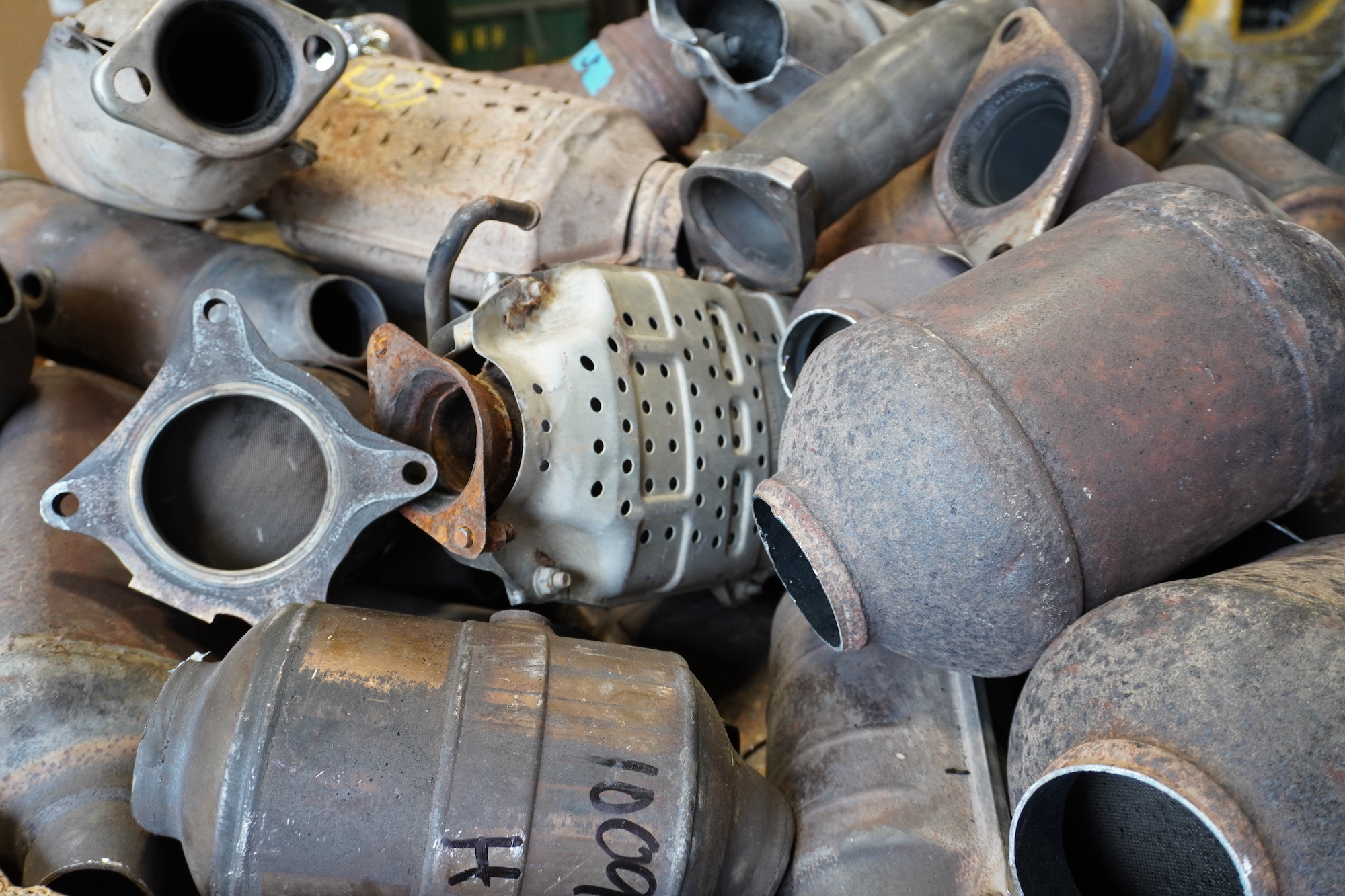
Conclusion: A Component Measured in Markets, Not Just Miles
So, what is a catalytic converter worth? The answer is a moving target. At any given moment, its value is a synthesis of the mining output in South Africa and Russia (the world’s primary PGM sources), the tightening of environmental regulations in the European Union, and the shifting trends of the automotive market toward electrification.
While most car owners will never need to check the daily price of rhodium, understanding the financial weight of this component is essential. Whether you are looking to recycle an old vehicle, contemplating a costly repair, or protecting your car from theft, the catalytic converter represents a unique intersection of automotive engineering and high-stakes commodity trading. It is one of the few parts of a car that carries an intrinsic, “hard asset” value that can occasionally defy the laws of automotive depreciation. In the world of personal finance and business, knowledge of that value is the best tool for protecting your bottom line.
aViewFromTheCave is a participant in the Amazon Services LLC Associates Program, an affiliate advertising program designed to provide a means for sites to earn advertising fees by advertising and linking to Amazon.com. Amazon, the Amazon logo, AmazonSupply, and the AmazonSupply logo are trademarks of Amazon.com, Inc. or its affiliates. As an Amazon Associate we earn affiliate commissions from qualifying purchases.