
In the hyper-connected landscape of modern technology, the concept of time is no longer a local concern. For software engineers, project managers, and digital architects, the ability to bridge the gap between geographic locations is fundamental to maintaining system uptime and team productivity. When a developer in San Francisco mentions a deployment at 5 PM PST, a collaborator in Chicago or Dallas must instinctively know that their window for action begins at 7 PM CST.
This two-hour difference might seem trivial on the surface, but in the realm of high-stakes technology—where server migrations, software patches, and global product launches are timed to the millisecond—mastering time zone conversion is a critical technical skill. Understanding that 5 PM PST translates to 7 PM CST is the starting point for a deeper exploration into how tech stacks, remote collaboration tools, and distributed systems handle the complexities of global temporal coordination.

The Mechanics of Time Zone Conversion in the Digital Workspace
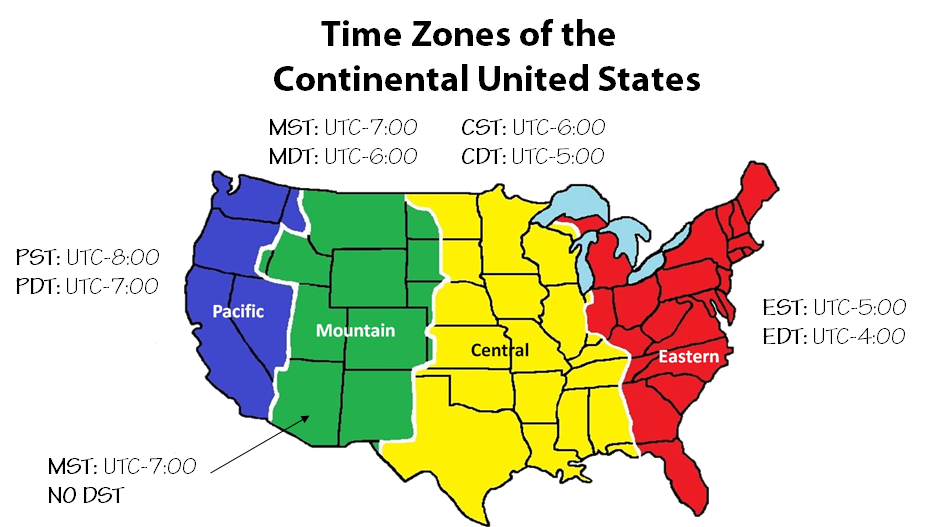
At its core, converting 5 PM Pacific Standard Time (PST) to Central Standard Time (CST) is a mathematical exercise in offsets. PST is eight hours behind Coordinated Universal Time (UTC-8), while CST is six hours behind (UTC-6). Consequently, there is a consistent two-hour gap between these regions.
Understanding the Offset: PST vs. CST
In the United States, the movement from West to East moves the clock forward. When it is 5:00 PM on the Pacific Coast, the sun has already begun to set further east. For a technical professional, this calculation is more than just adding two hours; it is about understanding the operational cycle. A 5 PM PST “End of Day” (EOD) release means the Central Time team is already well into their evening. This delta necessitates a proactive approach to handoffs and “follow-the-sun” support models, ensuring that the transition of responsibilities is documented and synchronized within the company’s internal tools.
The Significance of UTC as the Source of Truth
While humans communicate in local times like PST and CST, robust technology systems rely on Coordinated Universal Time (UTC). In the backend of any modern application—whether it is a SaaS platform or a fintech database—storing time in a local format is a recipe for disaster. By using UTC as the “source of truth,” developers ensure that a timestamp recorded at 5 PM PST (01:00 UTC the following day) is identical to one recorded at 7 PM CST. This architectural decision allows for seamless data logging, audit trails, and chronological sorting across globally distributed servers.
Automation Tools and Software for Seamless Scheduling
Manually calculating time differences is prone to human error, especially when factoring in the complexities of transitions between Standard Time and Daylight Saving Time. To mitigate this, the tech industry has developed a suite of sophisticated tools designed to automate the conversion process, ensuring that a meeting scheduled for 5 PM PST is accurately reflected across every participant’s calendar.
Calendar Integration and Algorithmic Adjustments
Modern productivity suites like Google Workspace and Microsoft 365 have solved the PST-to-CST conversion through intelligent geolocation and user settings. When an invite is sent for a 5 PM PST session, the calendar API automatically detects the recipient’s time zone. For a user in the Central zone, the event is dynamically rendered at 7 PM. This automation extends beyond simple display; it includes the logic to adjust reminders and notification pings, ensuring that technical teams are alerted in their local context without needing to do the mental math.
Using AI-Driven Schedulers to Eliminate Human Error
The rise of AI-driven scheduling tools such as Calendly, Clockwise, and Reclaim.ai has added a layer of intelligence to time management. These tools do more than just convert 5 PM PST to 7 PM CST; they analyze the “golden hours” of overlap between teams. For a remote-first tech company, these algorithms can identify that 5 PM PST is generally too late for a collaborative meeting with Central Time employees, as it pushes the engagement into the post-work evening hours. AI tools optimize the tech stack by suggesting alternative slots that respect the temporal boundaries of all participants.
Technical Challenges in Global Software Deployment
For DevOps teams and system administrators, the conversion of time is not just about meetings—it is about system availability and deployment windows. Scheduling a high-traffic update at 5 PM PST (7 PM CST) requires a deep understanding of user behavior patterns across different time zones to minimize the “blast radius” of potential downtime.
Time Management in Distributed Systems and Cloud Computing
In distributed architectures, such as those running on AWS, Azure, or Google Cloud, time synchronization is handled via the Network Time Protocol (NTP). This ensures that every node in a cluster, regardless of whether it is physically located in a California (PST) data center or a Texas (CST) data center, is perfectly aligned. When a cron job is scheduled to run at 5 PM PST, the system must translate this into a universal trigger. If these systems are out of sync by even a few seconds, it can lead to race conditions, data corruption, and failed authentication tokens (such as those used in OAuth protocols).
Handling Daylight Savings (PDT vs. CDT) in Code
A common pitfall for developers is failing to account for the shift from Standard Time to Daylight Time. While the title focuses on PST and CST, for much of the year, these regions operate on PDT (Pacific Daylight Time) and CDT (Central Daylight Time). The two-hour gap remains, but the UTC offset changes. High-quality code avoids hard-coding offsets and instead uses libraries like moment.js, Luxon, or Python’s pytz. These libraries contain updated databases of time zone rules, ensuring that when the government changes the dates for Daylight Saving, the software automatically adjusts the 5 PM conversion without requiring a manual patch.
Optimizing Remote Collaboration Tech Stacks
The tech industry’s shift toward remote and hybrid work has made time zone fluency a core component of digital culture. Managing a team that spans from the Pacific to the Central time zone requires a specific set of protocols and communication tools to ensure that work does not stall at the 5 PM PST cutoff.
Communication Protocols: Slack, Teams, and Asynchronous Work
Communication platforms like Slack and Microsoft Teams have integrated features that display a user’s local time next to their profile. This is a vital piece of UI/UX design. Before a developer in Seattle pings a colleague in Chicago at 5 PM PST, they can see a notification stating, “It is 7:00 PM for this user; they may be away.” This tech-enabled empathy prevents burnout and respects the “right to disconnect.” Furthermore, it encourages a culture of asynchronous work, where a summary of the 5 PM PST deployment is recorded in a Loom video or a Notion doc for the CST team to review at the start of their next business day.
Visualizing Availability: Time Zone Dashboards
For project managers overseeing complex technical sprints, “time zone dashboards” have become essential. Tools like World Time Buddy or custom-built internal dashboards allow managers to see the “overlap window” between PST and CST. While 5 PM PST marks the end of the traditional workday on the West Coast, it represents the beginning of the evening for the Central team. By visualizing these blocks, tech leads can better plan “on-call” rotations, ensuring that there is always technical coverage during peak hours without unfairly burdening one specific geographic region.

Conclusion: The Strategic Importance of Temporal Accuracy
“What is 5 PM PST in Central Time?” is a question that, on the surface, seeks a simple number. However, in the context of the technology industry, the answer—7 PM CST—is the foundation for global collaboration, system stability, and efficient software development.
As we have explored, the technical implications range from the precision of NTP synchronization in cloud servers to the algorithmic intelligence of AI scheduling tools. For the modern tech professional, mastering these conversions and the tools that facilitate them is not just about being on time for a meeting; it is about ensuring that the digital world remains operational, synchronized, and respectful of the human beings who build it. Whether you are coding a backend API or managing a distributed team of engineers, understanding the 2-hour bridge between the Pacific and the Center is an indispensable asset in your professional toolkit.
aViewFromTheCave is a participant in the Amazon Services LLC Associates Program, an affiliate advertising program designed to provide a means for sites to earn advertising fees by advertising and linking to Amazon.com. Amazon, the Amazon logo, AmazonSupply, and the AmazonSupply logo are trademarks of Amazon.com, Inc. or its affiliates. As an Amazon Associate we earn affiliate commissions from qualifying purchases.