
The global pet care industry has seen a meteoric rise over the last decade, evolving from a niche market into a multi-billion-dollar economic powerhouse. As of 2024, the “humanization” of pets has driven owners to treat their canine companions as full members of the family, leading to increased spending on premium food, advanced healthcare, and specialized medications. However, with the rising costs of veterinary services and proprietary animal drugs, many pet owners are looking toward the “Money” side of pet ownership: specifically, how to manage healthcare costs without compromising safety.

Understanding which human medications are safe for dogs is not merely a medical query; it is a strategic financial decision. By navigating the intersection of pharmaceutical pricing, insurance coverage, and risk management, pet owners can significantly reduce their annual expenditures. This article explores the financial landscape of canine healthcare, the cost-benefit analysis of human-grade medication, and the economic impact of pharmacological safety.
1. The Hidden Costs of Veterinary Pharmaceuticals
When a veterinarian prescribes a medication for a dog, the cost is often significantly higher than a similar medication prescribed to a human. This price discrepancy is rarely about the complexity of the chemical compound and more about the economics of the veterinary pharmaceutical market.
The Pricing Gap: Human vs. Veterinary Formulas
The pharmaceutical industry operates on different economic models for humans and animals. Developing a “pet-only” drug requires a massive capital investment in R&D, clinical trials specifically for that species, and navigating the FDA’s Center for Veterinary Medicine (CVM) approval process. Because the market for a specific canine drug is smaller than the market for a human drug, manufacturers must charge a “veterinary premium” to recoup their investment and maintain profit margins.
For example, a common anti-inflammatory for dogs might be chemically similar to a human generic but priced 300% higher because it is flavored like liver and packaged for pet use. Understanding which human medications—like certain antihistamines or pain relievers—are chemically compatible with canine biology allows owners to engage in “price arbitrage,” utilizing the mass-market affordability of human generics to bypass the inflated costs of niche veterinary brands.
Understanding the “Premium” on Pet-Specific Branding
In the world of business finance, branding is everything. Pharmaceutical companies often use “secondary packaging” and proprietary delivery systems (like chewable tabs) to justify a higher price point. While these features offer convenience, they represent a significant “convenience tax” for the pet owner. By analyzing the active ingredients in human medications such as Benadryl (Diphenhydramine) or Pepcid (Famotidine), a savvy owner can work with their vet to source the human version for a fraction of the cost. The financial insight here is simple: you are often paying for the brand and the flavoring, not a different active molecule.
2. Strategic Financial Management in Pet Healthcare
Effective pet ownership requires a level of financial literacy that extends to the pharmacy counter. Managing the costs of chronic conditions in dogs—such as allergies, arthritis, or digestive issues—requires a strategic approach to sourcing medications.
Generic Alternatives and the FDA Green Book
Just as human medicine has the “Orange Book” for bioequivalent generics, the FDA maintains the “Green Book” for animal drugs. However, the secret to significant savings often lies in the “off-label” use of human generics. When a human medication is deemed safe for dogs (such as Glucosamine for joint health or certain stool softeners), it represents a significant opportunity for cost containment.
From a financial perspective, requesting a written prescription from a veterinarian to be filled at a standard human pharmacy (like Costco, CVS, or Walgreens) can save an owner hundreds of dollars annually. Many generic human medications cost less than $10 for a 30-day supply, whereas the veterinary-branded equivalent could easily exceed $50. This $40 monthly delta represents a significant return on investment (ROI) in terms of household budget management.
Utilizing Discount Programs and GoodRx for Pets
A little-known financial hack in the pet world is the application of human drug discount tools to pet prescriptions. Platforms like GoodRx or NeedyMeds are not restricted to humans; they can be used for any prescription filled at a human pharmacy for a pet. For dogs on long-term medications for conditions like seizures (Phenobarbital) or thyroid issues (Levothyroxine), these discount programs can reduce the financial burden by up to 80%. Treating pet healthcare like any other household expense—shopping around, comparing prices, and using coupons—is essential for long-term financial sustainability in pet ownership.
3. Risk Assessment and the Cost of Error
In finance, risk management is the process of identifying, monitoring, and managing potential risks to minimize the impact of unfortunate events. In the context of giving human medications to dogs, the “cost of error” is not just emotional; it is a massive financial liability.
The Financial Toll of Toxicity and Emergency Vet Visits
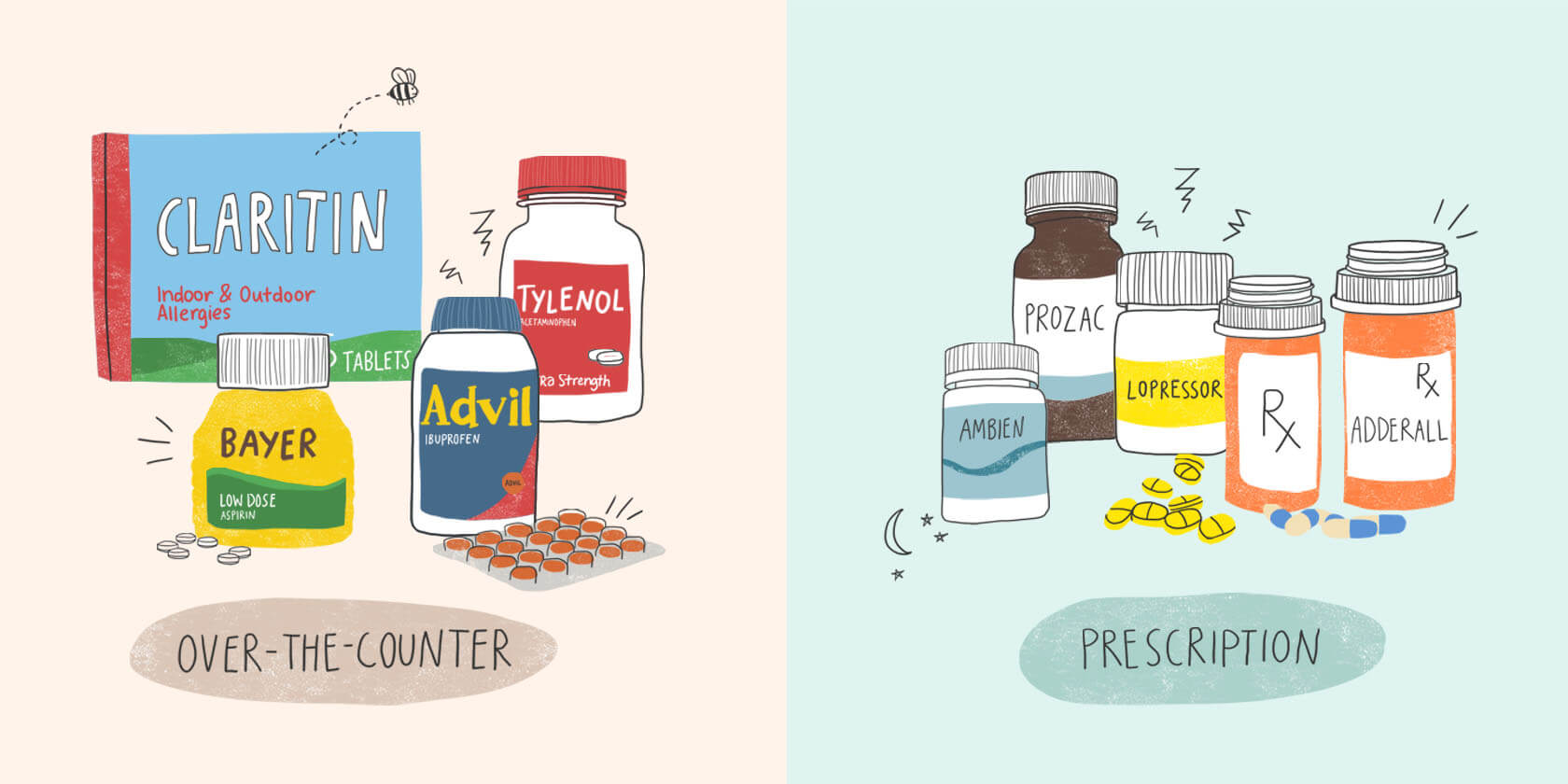
While saving $40 on a generic antihistamine is a win, the financial downside of administering the wrong medication (or the wrong dosage) can be catastrophic. Human medications containing Xylitol (a common sweetener in liquids) or NSAIDs like Ibuprofen (Advil) and Naproxen (Aleve) are highly toxic to dogs.
An emergency vet visit for toxicity treatment can range from $1,500 to $5,000, depending on the severity of the organ damage and the duration of the hospital stay. This represents a “negative ROI” of the highest order. Therefore, the “safety” aspect of human medications is the most critical component of the financial strategy. Investing in a professional consultation with a vet to confirm the safety and dosage of a human medication is a small “insurance premium” to pay to avoid the massive “uninsured loss” of an emergency medical crisis.
Building a Canine Contingency Fund
Because not all human medications are safe, and because veterinary emergencies are unpredictable, every pet owner should treat their pet’s health as a line item in their savings plan. Rather than relying solely on the potential savings from human medications, a proactive financial strategy involves a “Canine Contingency Fund.” By redirecting the money saved through using safe human generics into a dedicated high-yield savings account or toward a pet insurance premium, owners create a financial buffer. This ensures that when a human medication isn’t an option, the funds are available to cover the cost of proprietary veterinary care.
4. The Business of Pet Health and Insurance
The intersection of pet insurance and human medication is an evolving landscape that every budget-conscious owner should understand. As the market for pet insurance grows, the way these companies view “off-label” human medication use is changing.
How Insurance Policies View Human Medication Reimbursement
Most pet insurance policies are designed to reimburse the owner for the cost of treatment after a deductible is met. However, some policies have specific clauses regarding “off-label” medications. If an owner chooses to use a human medication that is safe for dogs, it is imperative to ensure the vet has documented this in the records.
From a business standpoint, insurance companies prefer human generics because it lowers the total claim amount. Some forward-thinking insurers are even beginning to incentivize the use of human pharmacies to keep their own loss ratios down. For the pet owner, choosing a policy that covers human-grade prescriptions filled at regular pharmacies is a strategic move that maximizes the value of the insurance plan.
Future Trends in Pet Pharma Market Dynamics
Looking ahead, we are seeing a shift in the pet pharma business model. As more patents for pet-specific drugs expire, more generic manufacturers (both human and animal) are entering the space. This competition is likely to drive prices down, but the “human-to-pet” crossover will remain the most cost-effective route for the foreseeable future.
Furthermore, the rise of digital health tools and pet-specific telemedicine is making it easier for owners to get professional advice on medication safety without the high overhead of an in-person office visit. This “FinTech” approach to pet care allows for real-time risk assessment and dosage calculation, further protecting the owner’s financial and emotional investments.

Conclusion: The CFO of Your Pet’s Health
Managing a dog’s healthcare is effectively a business operation. It requires a balance between expenditure (buying medications), risk management (ensuring safety), and long-term planning (insurance and savings). While many human medications—such as certain Benadryl formulas, plain buffered Aspirin (under strict supervision), and some gastrointestinal aids—are safe and cost-effective alternatives for dogs, the decision to use them must be guided by professional advice.
The goal for any pet owner should be to achieve “optimal health at an optimal price.” By understanding the economic forces behind drug pricing, leveraging human pharmacy discounts, and avoiding the high cost of toxicity errors, you can ensure that your dog receives the highest quality care without the unnecessary veterinary premium. In the end, being informed about what human medications are safe for dogs is one of the most effective ways to manage your personal finances while honoring the bond you share with your pet.
aViewFromTheCave is a participant in the Amazon Services LLC Associates Program, an affiliate advertising program designed to provide a means for sites to earn advertising fees by advertising and linking to Amazon.com. Amazon, the Amazon logo, AmazonSupply, and the AmazonSupply logo are trademarks of Amazon.com, Inc. or its affiliates. As an Amazon Associate we earn affiliate commissions from qualifying purchases.