
In the world of brand strategy and personal identity, few narratives offer as poignant a cautionary tale as the arc of Peter Pettigrew. While his story originates in the annals of literary fantasy, the mechanics of his rise, his strategic pivot, and his ultimate dissolution serve as a masterclass in what happens when a brand abandons its core values for short-term survival.
In corporate terms, Peter Pettigrew represents the “Toxic Asset”—an entity that appears to be part of a high-value collective but ultimately devalues the entire ecosystem through a lack of integrity. This article explores the branding implications of Pettigrew’s journey, examining how reputation is built, how betrayal functions as a brand-killer, and the inevitable consequences of aligning with a “dark” corporate identity.
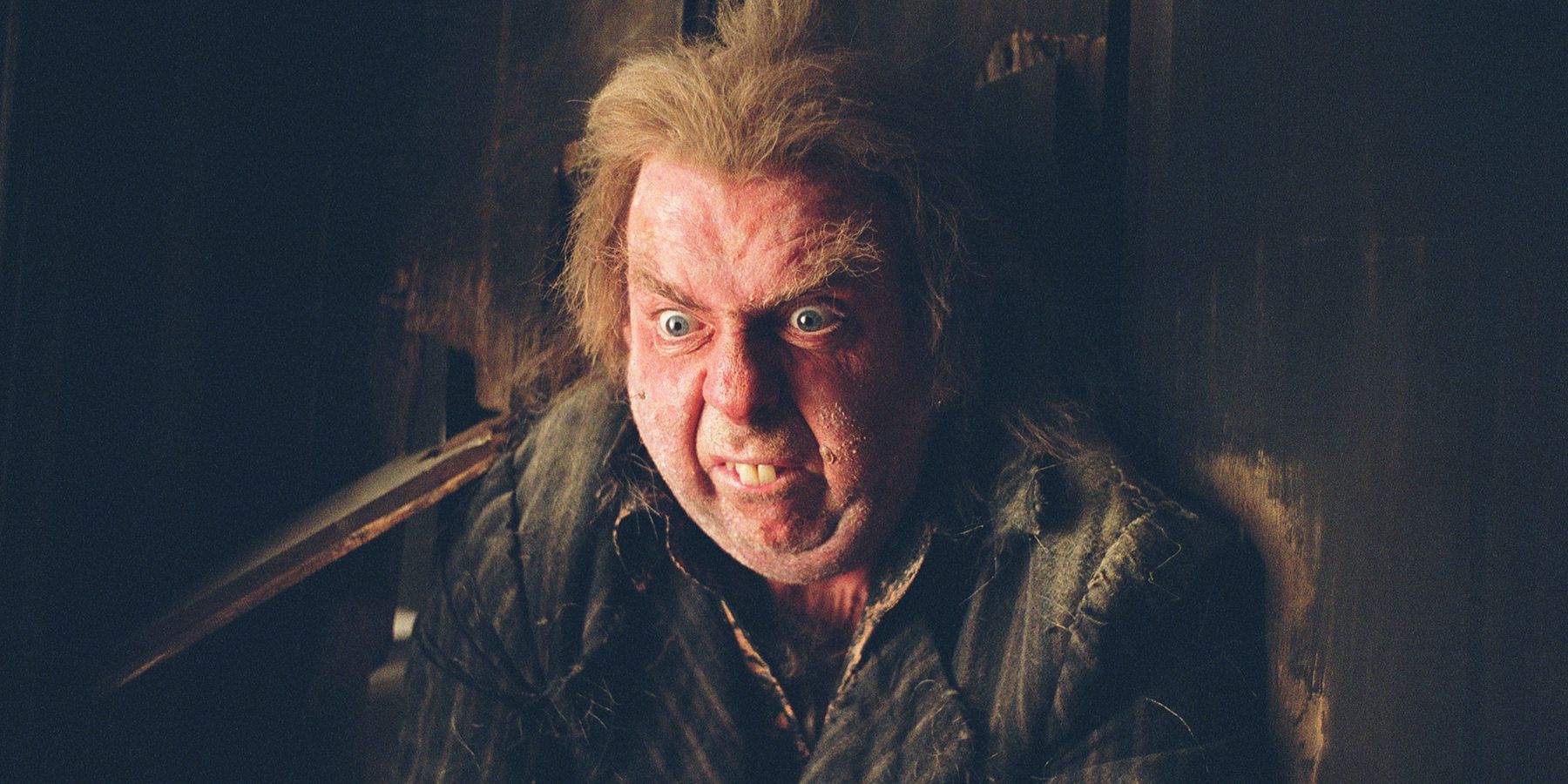
The Foundation of Brand Identity: The Power of Association
Every brand begins with an association. In his early years, Peter Pettigrew’s brand was inextricably linked with “The Marauders”—an elite, high-energy group characterized by innovation, loyalty, and a strong, albeit rebellious, market presence. This association provided Pettigrew with what we call “Borrowed Equity.”
Association as a Brand Asset
In brand strategy, association is everything. Pettigrew was not the most talented or charismatic member of his cohort. However, by aligning himself with “market leaders” like James Potter and Sirius Black, he enjoyed a reflected prestige. This is a common tactic in personal branding: professionals often seek to join prestigious firms or circles to enhance their own perceived value.
For Pettigrew, his brand identity was built on the pillars of the group. As long as the group thrived, his individual brand was protected. However, the flaw in this strategy is that borrowed equity is fragile. When a brand does not develop its own internal value proposition—its own “Why”—it becomes susceptible to external pressures.
The Weak Link in the Corporate Chain
From a brand audit perspective, Pettigrew was a “Weak Link.” In any corporate structure, the strength of the brand is only as resilient as its most vulnerable stakeholder. While his peers were building brands based on courage and innovation, Pettigrew’s brand was built on proximity.
When a brand lacks a solid foundation of core values, it is prone to “Brand Drift.” This happens when an entity moves away from its original mission statement in favor of convenience. Pettigrew’s drift began the moment the market shifted and the “Dark Lord” (a competing, predatory corporate entity) began to gain market share.
The Pivot: From Loyalty to Brand Betrayal
The most significant moment in Pettigrew’s history is his decision to act as the “Secret Keeper.” In business terms, he was given the ultimate custody of a brand’s intellectual property. His subsequent betrayal is the ultimate example of a breach of trust—a move that permanently stigmatized his brand.
The Secret Keeper: A Lesson in Trust Assets
Trust is the most valuable currency a brand possesses. When Pettigrew was entrusted with the safety of the Potters, he held the “Trust Assets” of his entire network. In brand strategy, once trust is violated, the damage is often irreparable.
A brand that betrays its “customers” (in this case, his friends and allies) enters a state of “Reputational Bankruptcy.” Pettigrew believed he was making a tactical pivot to ensure his own survival, but from a strategic standpoint, he was liquidating his long-term value for a short-term hedge against a hostile takeover.
Tactical Shifts vs. Strategic Suicide
Pettigrew’s decision to join Voldemort was a “Pivot to Power.” Many brands make the mistake of aligning with a dominant market force even if that force represents everything they once stood against. This is often seen in corporate mergers where a smaller, “ethical” brand is swallowed by a conglomerate with a history of malpractice.
By choosing to “rat” on his associates, Pettigrew engaged in strategic suicide. He destroyed his existing brand equity to become a low-level subsidiary of a predatory monopoly. In doing so, he lost his autonomy—a critical component of any strong personal brand.
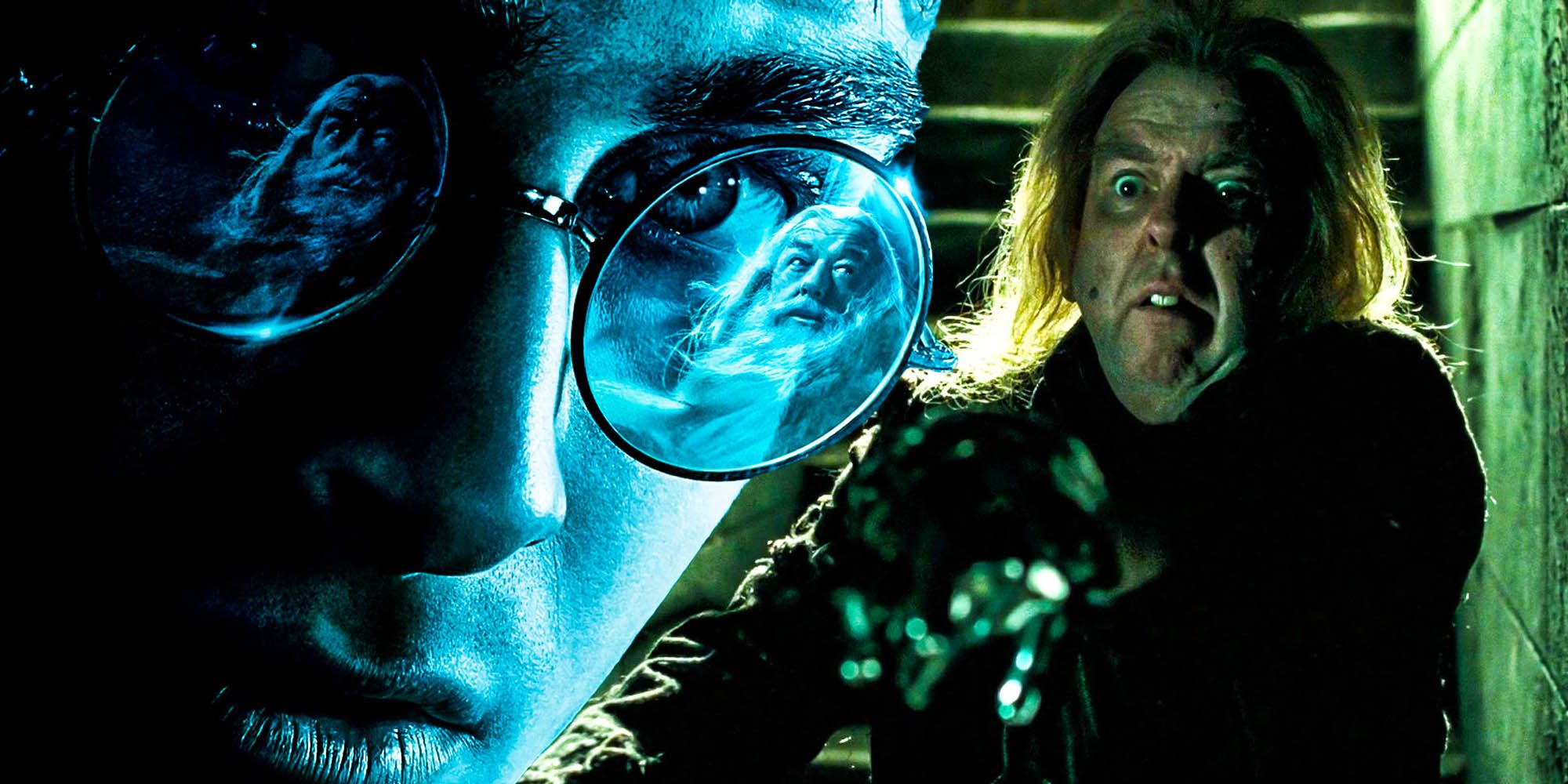
The Long-Term Impact of Rebranding as a “Rat”
Following his betrayal, Pettigrew underwent a literal and metaphorical rebranding. He transformed into Scabbers the rat, living in the shadows for over a decade. This period represents the “Invisible Phase” of a collapsed brand.
Scabbers: The Perils of Low-Visibility Branding
When a brand’s reputation is destroyed, it often goes into hiding. As “Scabbers,” Pettigrew occupied a space of zero growth. He was a “Commodity Brand”—present but providing no unique value, merely surviving on the fringes of another family’s ecosystem.
This phase illustrates what happens when a brand loses its voice. Without a clear identity or a positive reputation, an entity becomes a parasite. In the business world, this is akin to a “Zombie Company”—one that continues to operate but has no real future, no innovation, and no path toward redemption.
Institutional Memory and the Difficulty of Re-entry
Pettigrew’s eventual “re-emergence” into the market was not a triumphant return but a forced exposure. The problem with brand betrayal is that “Institutional Memory” is long. The market—and his former associates—did not forget his previous actions.
In modern branding, the internet ensures that a brand’s past is always present. Just as Pettigrew’s true form was revealed by the Marauder’s Map, modern digital footprints act as a map for corporate history. You cannot simply “rebrand” away from a fundamental lack of integrity; the data will eventually catch up with the narrative.
The Final Audit: When the Debt Comes Due
The conclusion of Peter Pettigrew’s story is a harrowing look at the “Cost of Loyalty” to a toxic brand. After years of serving a master who valued him only as a tool, Pettigrew’s final moments were defined by the very mechanism of his servitude.
The Silver Hand: Contractual Obligations to Dark Brands
When Pettigrew assisted in the resurrection of Voldemort, he was “rewarded” with a silver hand. In brand strategy, this is a “Golden Handcuff” scenario. It appeared to be an upgrade—a new feature, a symbol of power—but it was actually a control mechanism.
When you align your personal brand with a toxic organization, the rewards they give you often come with hidden clauses. These organizations do not value loyalty; they value utility. The moment Pettigrew showed a flicker of his original brand identity (mercy), the “Silver Hand” (the corporate policy) turned on him.
The Inevitability of Brand Accountability
What happens to Peter Pettigrew is, ultimately, an audit. He is strangled by his own replacement limb. This is the ultimate metaphor for “Systemic Failure.” When a brand is built on betrayal and sustained by fear, the system eventually consumes itself.
Accountability is the final stage of the brand lifecycle. For Pettigrew, the lack of a consistent, ethical framework meant that when his “contract” was called into question, he had no defense. He had alienated his former allies and was expendable to his current “employer.”
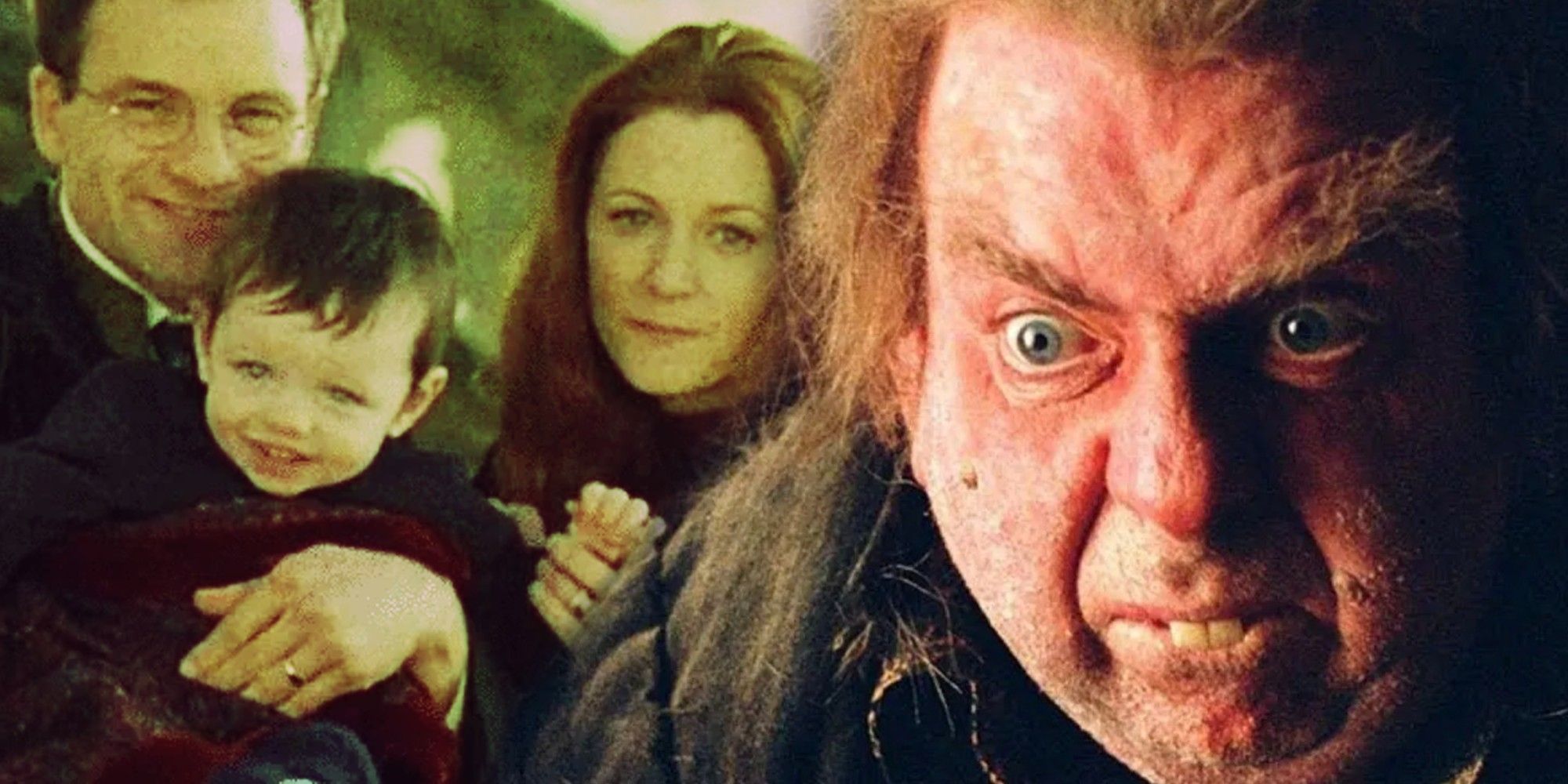
Conclusion: Lessons for the Modern Brand Strategist
The tragedy of Peter Pettigrew serves as a stark reminder that a brand is more than its market share or its survival. A brand is a promise. When that promise is broken, the entity may survive in a physical or legal sense, but its “Brand Soul” is extinguished.
To avoid the fate of Pettigrew, brands must:
- Invest in Internal Value: Do not rely solely on “Borrowed Equity.” Build a brand that can stand on its own merits.
- Protect Trust Assets: Integrity is not a luxury; it is a core business requirement. A single betrayal can lead to decades of reputational exile.
- Choose Alliances Wisely: Aligning with a “Dark Brand” for short-term gain will inevitably lead to a loss of autonomy and a catastrophic final audit.
In the end, what happens to Peter Pettigrew is a reminder that the “Rat” strategy is never sustainable. True brand longevity is built on the pillars of consistency, courage, and unshakeable values. Without them, you are merely a shadow waiting for the map to reveal your true form.
aViewFromTheCave is a participant in the Amazon Services LLC Associates Program, an affiliate advertising program designed to provide a means for sites to earn advertising fees by advertising and linking to Amazon.com. Amazon, the Amazon logo, AmazonSupply, and the AmazonSupply logo are trademarks of Amazon.com, Inc. or its affiliates. As an Amazon Associate we earn affiliate commissions from qualifying purchases.