
In the rapidly evolving landscape of social media, platforms like TikTok have become ubiquitous, integrating themselves into the fabric of daily communication, entertainment, and even commerce. With billions of users worldwide, the digital public square can sometimes feel overwhelming, and the need to curate one’s online experience becomes paramount. One of the most fundamental tools at a user’s disposal for managing their digital interactions and safeguarding their online space is the “block” function. While seemingly simple, understanding the full implications of blocking someone on TikTok extends far beyond a mere button click, touching upon technological mechanisms, personal branding, digital security, and even subtle financial considerations.

This article delves into the multi-layered consequences of blocking someone on TikTok, exploring how this action reverberates across the platform for both the blocker and the blocked party. We will navigate the immediate technical changes, the shifts in user experience, its strategic role in personal and corporate branding, and even its indirect financial echoes, providing a comprehensive guide for anyone looking to optimize their TikTok journey.
The Immediate Digital Ramifications: A Tech Perspective
At its core, blocking someone on TikTok is a digital barrier, a technical directive that fundamentally alters the interaction pathways between two user accounts. When you initiate a block, TikTok’s algorithms respond swiftly, enacting a series of changes designed to create a clear separation. Understanding these technical shifts is crucial for appreciating the full scope of the block function.
The Vanishing Act: Content and Profiles
The most immediate and noticeable effect of blocking someone on TikTok is the mutual invisibility of content and profiles. Once a user is blocked, their profile becomes inaccessible to you, and vice versa. This means:
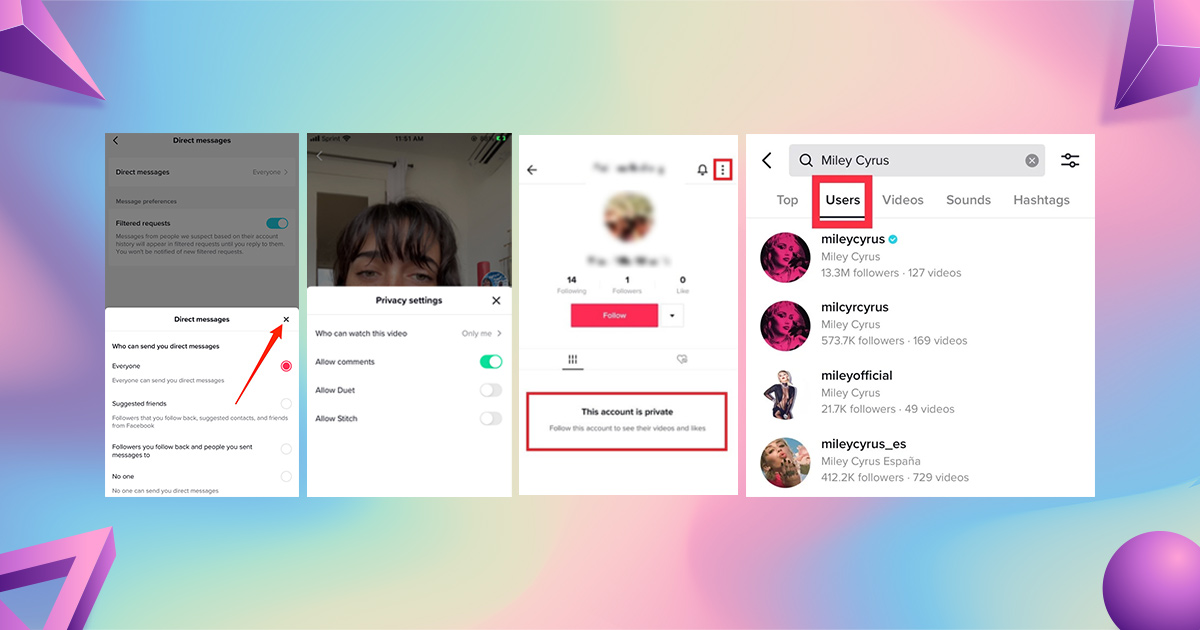
- No Profile Viewing: Neither party can visit the other’s profile page. Attempting to do so will result in an “User not found” message or an indication that the account is private (even if it’s not), without explicitly stating that a block has occurred.
- Content Disappearance: Any videos, likes, or comments made by the blocked user will disappear from your view, and your content will likewise be hidden from them. This includes past interactions as well as future ones. If a blocked user had previously liked one of your videos, that like will no longer be visible to you (though it might still count towards your total like count, it just won’t be attributed to that specific user).
- Search Limitations: Neither party will be able to find the other through TikTok’s search function. Their accounts simply won’t appear in the search results for each other.
This digital vanishing act is a robust feature, ensuring that the primary purpose of the block – to create distance and prevent interaction – is effectively served. It’s a comprehensive technical isolation that TikTok implements across its interface.
Communication Breakdown: Messages and Interactions
Beyond profile and content visibility, blocking someone on TikTok also severs all direct communication channels and interaction capabilities. This is a critical aspect for maintaining digital boundaries and preventing unwanted contact.
- Direct Messages (DMs): Any existing direct message threads between you and the blocked user will disappear from your inbox, and you will be unable to send new messages to them. Similarly, they will not be able to send you messages. This is an absolute cease-and-desist for private communication.
- Comments and Mentions: A blocked user cannot comment on your videos, nor can they mention you in their own videos or comments. The same applies in reverse – you cannot comment on or mention them. This prevents any form of public or semi-public interaction on the platform.
- Follows and Friendships: If you were following the user or they were following you, the block automatically unfollows both parties. Re-establishing this connection would require unblocking and then manually following each other again.
It’s important to note that while the block is comprehensive, it doesn’t extend to shared group chats. If you are both members of a group chat, the blocked user will still be able to see your messages within that chat, and you theirs. This is a common loophole across many social media platforms, emphasizing that blocking is primarily a one-on-one interaction control.
Algorithmic Impact: For You Page and Recommendations
TikTok’s “For You Page” (FYP) is driven by a sophisticated algorithm designed to deliver highly personalized content. When you block a user, this action indirectly influences the algorithm’s behavior, though the effects might be more subtle than the direct visibility changes.
- Reduced Visibility in FYP: While a blocked user’s content will never explicitly appear on your FYP, the act of blocking signals to the algorithm that you want to avoid content associated with that user or similar types of content/accounts they engage with. This helps refine your content recommendations, moving you away from their sphere of influence.
- Indirect Network Effects: If the blocked user frequently interacts with accounts or content that you also follow or engage with, blocking them might slightly alter the weight given to those shared connections in your FYP algorithm. It’s a signal of preference, telling TikTok “less of this, please.”
- “People You May Know” Suggestions: Blocking someone also ensures they won’t appear in “People You May Know” suggestions for you, and you won’t appear in theirs, further solidifying the digital separation.
In essence, from a technological standpoint, blocking on TikTok is a powerful, multifaceted tool designed to create a robust and virtually impenetrable digital wall between two users, effectively eliminating their ability to view each other’s profiles, consume content, or engage in any direct or indirect communication on the platform.
Strategic Blocking: Protecting Your Digital Brand and Well-being
Beyond the technical functionalities, the act of blocking on TikTok carries significant implications for an individual’s or brand’s online presence and overall digital well-being. In an age where digital identity often intertwines with real-world reputation and professional opportunities, strategic blocking becomes a crucial element of digital hygiene and brand management.
Curating Your Online Persona: Why Blocking Matters for Brand
Whether you’re an individual user, a micro-influencer, or a larger corporate brand utilizing TikTok for marketing, your online persona is a carefully constructed entity. Negative interactions, unsolicited spam, or offensive content can quickly tarnish this image and detract from the brand message you aim to convey.
- Maintaining a Positive Image: By blocking users who engage in harassment, post inappropriate comments, or spread misinformation, you actively prevent them from polluting your comment sections or direct messages. This keeps your profile clean and inviting, reinforcing a positive image for your legitimate audience. For businesses, this is critical; a comment section overrun with negativity can deter potential customers.
- Controlling the Narrative: Your TikTok profile is a canvas for your personal or brand story. Blocking allows you to control who can contribute to that narrative, ensuring that only constructive, relevant, and positive voices are amplified. This is particularly important for brands attempting to build a specific community or convey a particular ethos.
- Audience Quality and Engagement: For creators, a high-quality, engaged audience is paramount. Blocking disruptive users helps to filter out those who detract from genuine engagement, allowing your core audience to flourish and interact meaningfully. This fosters a healthier community around your content, which is a valuable asset for any personal or corporate brand.
In essence, blocking is not merely a reactive measure but a proactive strategy for curating an online environment that supports and enhances your digital brand, ensuring it remains positive, professional, and aligned with your objectives.
Navigating Online Harassment and Negative Interactions
Unfortunately, social media platforms can sometimes be breeding grounds for negativity, including cyberbullying, harassment, and hate speech. TikTok is no exception. In such scenarios, the block function transitions from a brand management tool to a vital psychological shield.
- Protecting Mental Health: Constant exposure to negative comments, targeted harassment, or simply individuals who drain your emotional energy can significantly impact mental well-being. Blocking provides an immediate and effective way to remove these stressors from your digital life, creating a safer and more peaceful online space. This is an investment in your mental health, offering a tangible return in terms of reduced stress and increased peace of mind.
- Preventing Escalation: In many cases, ignoring or even responding to harassment can inadvertently escalate the situation. Blocking immediately cuts off the harasser’s access to your profile and content, preventing them from continuing their actions directly on your page. While they might still create new accounts or find other avenues, the immediate platform-level prevention is crucial.
- Reinforcing Boundaries: Blocking is a clear, unambiguous statement of boundaries. It communicates that certain behaviors are unacceptable and will not be tolerated on your digital turf. This can empower users, giving them a sense of control over their online interactions and reinforcing the idea that they have the right to a respectful digital environment.
While reporting users for policy violations is also crucial, blocking offers immediate personal relief and control, making it an indispensable tool for navigating the darker side of online interactions and safeguarding one’s emotional and psychological state.
The Impact on Community and Engagement (for creators)
For content creators, influencers, and businesses leveraging TikTok, the block button can have a more nuanced impact on their community and overall engagement metrics. While it’s essential to remove disruptive elements, creators must also consider the broader implications.
- Fostering a Positive Community: Blocking users who are consistently negative, spammy, or disrespectful helps cultivate a positive and welcoming atmosphere for the rest of your audience. This encourages constructive dialogue and genuine connection, making your platform a more enjoyable place for everyone. A healthy community is a loyal community, which is invaluable for a creator’s longevity.
- Maintaining Engagement Quality: While blocking might lead to a slight decrease in raw follower count or interaction numbers if the blocked user was active, it often leads to an increase in the quality of engagement. Removing “bad actors” allows genuine fans and potential collaborators to stand out, leading to more meaningful interactions that can drive better content and foster stronger relationships.
- Strategic Audience Filtering: For brands or creators with a specific niche, blocking users who are clearly not part of their target demographic (e.g., spam accounts, irrelevant followers) can help refine their audience. This can lead to more targeted content delivery and better engagement rates from the right audience, ultimately benefiting their content strategy and brand reach.
Ultimately, strategic blocking for creators is about balancing reach with community health. It’s about recognizing that not all engagement is good engagement and that a curated, positive community often translates to more sustainable growth and a stronger brand identity in the long run.
The Subtle Financial Echoes: When Blocking Intersects with Money
While blocking someone on TikTok might seem primarily a matter of personal preference or digital hygiene, its ripples can, surprisingly, extend into financial domains. For individual users, creators, and businesses alike, the ability to control who interacts with them on the platform can have indirect, yet significant, financial implications.
Protecting Creator Revenue Streams from Disruptive Behavior
For content creators and influencers who monetize their TikTok presence, a healthy, engaged audience is directly tied to their income. Disruptive users can indirectly chip away at these revenue streams.
- Impact on Brand Deals and Sponsorships: Brands look for creators with strong, positive community engagement. If a creator’s comment sections are plagued by negativity, spam, or harassment from certain users, it can make their platform less attractive to potential sponsors. Blocking these disruptive elements maintains a clean, professional image, making the creator more appealing for lucrative brand collaborations. A toxic comment section signals a risk to a brand’s reputation by association.
- Loss of Audience Engagement and Ad Revenue: TikTok’s monetization, whether through the Creator Fund (though declining) or directly through Live gifts and ad impressions, depends heavily on consistent audience engagement. Users who consistently post negative comments, spread misinformation, or engage in spam can drive away genuine followers, leading to decreased watch time, lower engagement rates, and ultimately, reduced ad revenue or gift potential. Blocking protects the integrity of the audience that drives these metrics.
- Prevention of Scamming/Phishing for Audience: Some malicious users may attempt to scam a creator’s audience by impersonating them or offering fake opportunities. Blocking such accounts not only protects the creator’s reputation but also safeguards their followers from potential financial loss, indirectly protecting the creator’s long-term value and trustworthiness.
Thus, for creators, blocking is a defensive financial strategy, safeguarding the health of their digital ecosystem which directly underpins their earning potential on the platform.
The Cost of Digital Wellbeing: Time and Mental Health ROI
While not a direct transfer of money, the concept of “time is money” and the increasing recognition of mental health’s impact on productivity bring a financial lens to blocking for all users, not just creators.
- Reduced Time Waste: Dealing with online harassment, debating trolls, or simply sifting through irrelevant comments from unwanted users consumes valuable time and mental energy. By blocking, users reclaim this time and focus, directing it towards more productive activities, work, or genuine social interactions. The “cost” of constant digital disruption can be measured in lost productivity or the need for mental recovery.
- Improved Productivity and Focus: A clear, calm digital environment can lead to better focus and concentration in other areas of life, including work or studies. Reducing digital stress by blocking negative influences can contribute to improved mental clarity, which in turn can lead to higher performance and earning capacity in one’s professional life.
- Avoiding “Doomscrolling” and Negative Consumption: Persistent negative interactions can lead to prolonged “doomscrolling” or heightened anxiety. Blocking toxic users helps steer your FYP and overall TikTok experience towards more positive and engaging content, reducing mental fatigue and potentially avoiding costly therapy or stress-related health issues down the line.
Viewing digital well-being through an economic lens reveals that strategies like blocking, which reduce digital friction and stress, offer a significant return on investment in terms of mental health, time, and ultimately, one’s capacity to earn and thrive.
Avoiding Scams and Phishing Attempts through Proactive Blocking
TikTok, like any large social platform, is a potential hunting ground for scammers and phishers. These malicious actors often attempt to lure users into revealing personal financial information or clicking on dangerous links. Proactive blocking can be a crucial first line of defense.
- Preventing Direct Contact: If you identify a suspicious account that is attempting to solicit personal information, offer “get rich quick” schemes, or push dubious investment opportunities, blocking them immediately cuts off their ability to direct message you or comment on your posts. This prevents them from initiating direct contact for their schemes.
- Filtering Malicious Content: Scammers often use generic or enticing content to draw attention. While TikTok’s algorithms and moderation aim to remove such content, proactive blocking of known scammer profiles helps in personally filtering your feed and reducing your exposure to potentially harmful links or fraudulent offers that could lead to financial loss.
- Digital Security Education: Recognizing and blocking scam accounts also serves as a form of digital security education. It trains users to identify red flags and take swift action, making them less susceptible to future phishing attempts not just on TikTok but across other digital platforms, thereby protecting their overall financial security.
While TikTok blocking may not directly put money in your pocket, its multi-faceted implications for protecting one’s brand, mental health, and personal financial security make it a surprisingly potent tool in the broader landscape of digital finance and well-being.
Best Practices and Ethical Considerations in Digital Blocking
The power of the block button comes with the responsibility of using it wisely. While it is an indispensable tool for digital self-preservation, understanding when and how to deploy it, alongside other moderation features, is crucial for fostering a healthier digital ecosystem and ensuring ethical online conduct.
When to Block vs. Report vs. Mute
TikTok offers several tools to manage interactions, and choosing the right one for the situation is key:
- Block: This is the most severe action, intended for users with whom you want absolutely no further contact or visibility. Use blocking when:
- A user is consistently harassing you or others.
- They are sending unsolicited, inappropriate, or spammy direct messages.
- Their content or comments make you feel unsafe, uncomfortable, or significantly negatively impact your mental health.
- You suspect they are a scammer, bot, or spreading harmful misinformation.
- You simply wish to entirely sever a connection with someone for personal reasons.
- Report: This action notifies TikTok’s moderation team about a user or content that violates the platform’s Community Guidelines. Reporting should be used when:
- A user is engaged in hate speech, cyberbullying, harassment, graphic content, illegal activities, or impersonation.
- Their content promotes violence, self-harm, or discrimination.
- Reporting is about enforcing platform rules, not just personal preference. You can block and report simultaneously for maximum effect.
- Mute: This is a less permanent and less drastic option, typically used for managing content in your feed without severing all ties. TikTok allows you to mute accounts, which means their videos will appear less frequently on your FYP, or mute specific keywords. Use muting when:
- You’re tired of seeing content from a particular user but don’t want to block them (e.g., a friend who posts too much of a niche you dislike).
- You want to avoid content related to certain topics or trends without knowing specific users.
- The user isn’t doing anything harmful, but their content is simply not to your taste at the moment.
Understanding these distinctions allows for a nuanced approach to content moderation, applying the right tool for the specific problem without over- or under-reacting.
The Psychology of Online Disconnection
While blocking is a technical action, it also carries psychological weight, both for the blocker and the blocked.
- Empowerment for the Blocker: For the user doing the blocking, it can be a profoundly empowering act. It signifies taking control over one’s digital space, setting boundaries, and prioritizing personal well-being. This sense of agency can be crucial in recovering from negative online experiences.
- Ambiguity for the Blocked: TikTok does not send a notification when you are blocked. This can lead to ambiguity and confusion for the blocked party. They might notice a sudden inability to find a profile or interact, but they won’t receive an explicit message. While this protects the blocker from potential backlash, it can leave the blocked person wondering why, potentially leading to frustration or introspection.
- The “Silent Treatment” Debate: Some might argue that blocking is a form of the “silent treatment,” which can be seen as avoidant. However, in the context of online interactions, especially with strangers or harassers, it’s often the safest and most effective strategy for self-preservation, where direct confrontation might be unsafe or unproductive.
It’s essential to recognize that while blocking is for your protection, its psychological effects on others, though not your primary concern when dealing with harassment, are a part of the broader digital interaction landscape.
Promoting a Healthier Digital Ecosystem
Ultimately, the thoughtful and responsible use of features like blocking contributes to the overall health of the digital ecosystem.
- Collective Responsibility: When users actively block and report accounts that violate guidelines or spread negativity, they collectively help TikTok identify and remove such content and users more effectively. This makes the platform a safer and more enjoyable place for everyone.
- Setting Precedents: Each block serves as a small data point for the platform, helping its algorithms understand what users deem undesirable. Over time, this contributes to more refined content moderation and a better user experience for all.
- Modeling Healthy Boundaries: By publicly discussing and normalizing the act of blocking for self-care, creators and influential users can model healthy digital boundaries for their audience, encouraging others to protect their online spaces as well.
Blocking on TikTok is far more than just disconnecting from another user; it’s a multi-faceted decision with immediate technical effects, profound implications for personal and brand well-being, subtle but tangible financial echoes, and a crucial role in cultivating a more positive and secure digital environment for all. It stands as a testament to the power users have to shape their online world.
In conclusion, the decision to block someone on TikTok is a powerful one, impacting everything from the immediate technical functionality of the app to the broader considerations of personal brand management, digital security, and even indirect financial well-being. It is a fundamental tool for digital self-preservation, allowing users to curate their online experience, protect their mental health, and strategically manage their presence on one of the world’s most dynamic social media platforms. By understanding the full spectrum of its implications, users can wield the block button not just as a reactive defense mechanism, but as a proactive strategy for a safer, healthier, and more productive digital life.
aViewFromTheCave is a participant in the Amazon Services LLC Associates Program, an affiliate advertising program designed to provide a means for sites to earn advertising fees by advertising and linking to Amazon.com. Amazon, the Amazon logo, AmazonSupply, and the AmazonSupply logo are trademarks of Amazon.com, Inc. or its affiliates. As an Amazon Associate we earn affiliate commissions from qualifying purchases.